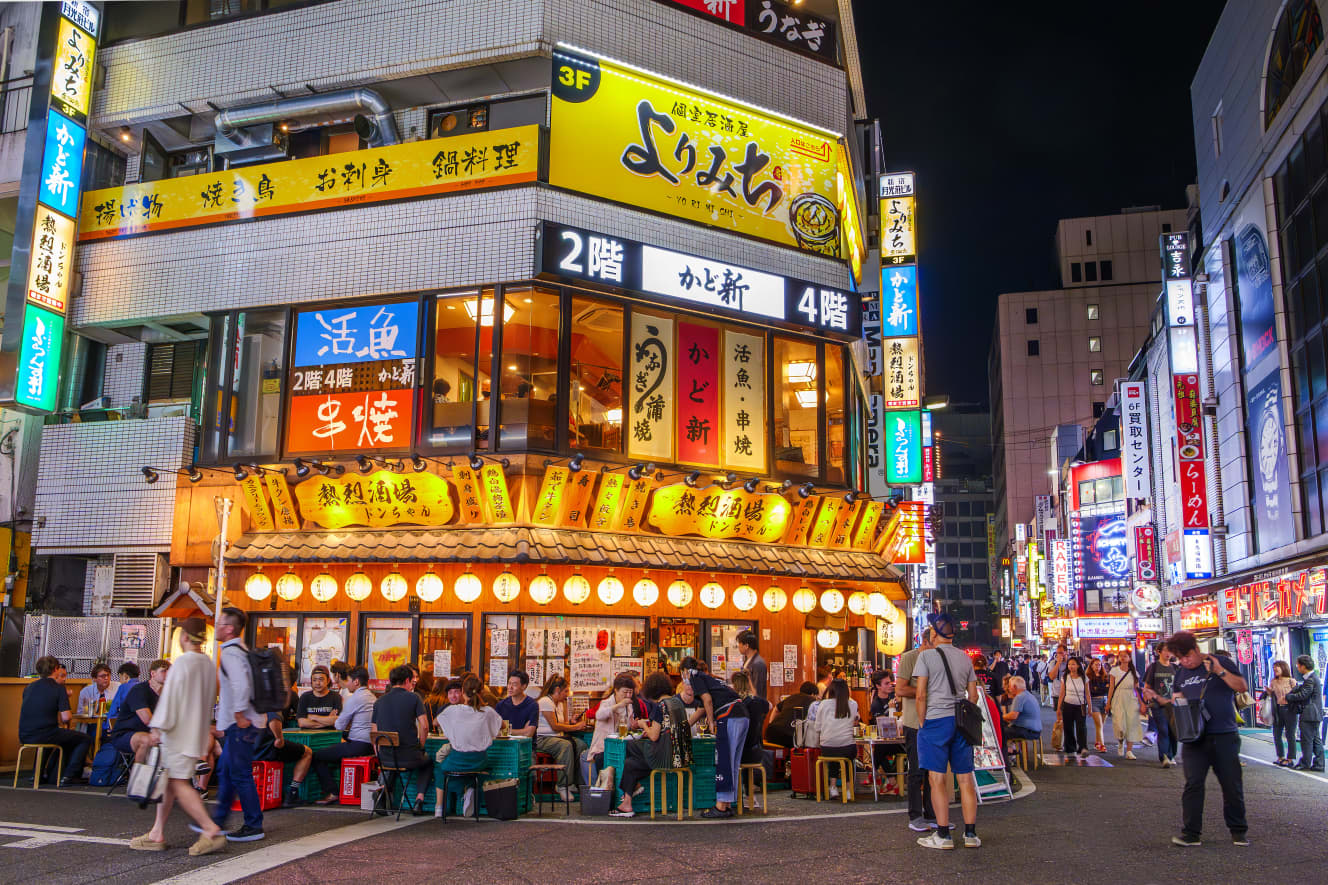
For example, Sanrio Puroland, an indoor theme park in Tama City, Tokyo, where visitors can meet Sanrio characters, requires both an advance visit reservation and a passport ticket for admission. If spaces are available, visitors can still make a reservation on the day itself, but anyone who has not completed the visit reservation process will be turned away.Imagine someone who is usually busy at work finally managing to coordinate with colleagues and secure paid leave. With a free day ahead, they decide on the spur of the moment to visit the park. But when they arrive, they discover that same-day tickets are not sold at the ticket counter and are turned away at the entrance. This is the era we now live in. Commenting on this reservation-based society, in which advance bookings are increasingly required, Hirose, mentioned earlier, explains: “Reservations are supported as a way to reduce waiting times and avoid problems on the day, allowing people to use their time more efficiently. Sellers reduce the uncertainty of being left with unsold products, while buyers reduce the uncertainty of being unable to obtain what they want. Reservations make the future easier to predict for both sides.” (Hirose, hereafter) Certainly, reservations are a rational choice for businesses, with significant benefits in reducing waste. However, when reservation systems become too widespread, they can actually make things less convenient. “Now that online reservations are available, people who suddenly want to use a service on the spot may find themselves unable to do so. Reservations are spreading even to things that never required them before.” Instead of walking around a station at a travel destination looking for an available coin locker, people now reserve one in advance on their smartphones. It may seem like a smart solution, but when someone suddenly wants to store their luggage, every locker may already be booked. This is a classic case of the system defeating its own purpose. Junichi Nakatani, associate professor in the Department of Business Administration at Kanto Gakuen University and an expert in marketing strategies, analyzes the consumer psychology behind this trend: “In recent years, we’ve become a society where people make reservations for practically everything. With the spread of the internet, consumers have come to place greater relative value on time, emphasizing time performance (taipa). They don’t want to wait. They want to be sure they can get what they want or gain admission. They dislike uncertainty.” Young people’s fear of failure and the suffocating reality for adults This aversion to uncertainty is casting a shadow over every aspect of consumer behavior. “The more choices consumers have, the less confident they become. On top of that, consumers increasingly don’t want to make mistakes, especially younger people. Young people have limited money to spend, yet the amount of information coming their way and the number of things they want to consume are growing.” (Hirose) This fear of failure among young people is particularly evident in activities such as securing concert tickets for their favorite idols and reserving cafés that have gone viral on social media. By making sure they get tickets and arranging a perfectly planned schedule, they avoid failure despite having limited resources. Meanwhile, for middle-aged and older consumers and families, the advance reservation of osechi dishes mentioned earlier can also be seen as a way to avoid disappointment. As the year-end approaches, more and more products become available, making it harder to choose. Even if the selection is limited, early reservations offer discounts and guarantee that the desired products will be available, making the system welcome for these consumers as well. However, this thoroughly established reservation-based society sometimes robs us of the joy of unexpected encounters. Imagine the loneliness of casually walking into a red-lantern izakaya, only to be coldly asked, “Do you have a reservation?” Some popular izakayas have already begun requiring reservations. The thrill of unexpectedly discovering a delicious restaurant, meeting a conscientious owner, or finding an unfamiliar product is gradually disappearing in exchange for the certainty of carefully arranged plans. Some people prefer freedom and spontaneity, even if it means going wherever the moment takes them. If the reservation-based society advances too far, there will inevitably be people who feel suffocated by it. Nakatani also sounds a warning: “There are people who enjoy the freedom of not making reservations. Shouldn’t reservation systems become more considerate of consumers?” Furthermore, for tickets to popular events, people often have to stay glued to their screens the moment reservations open. It is unhealthy if only the information-savvy have a chance of winning, such as those who can take the day off and use high-performance devices to secure tickets. “In Japan, efforts to introduce lotteries for advance reservations are becoming more widespread. Our neighbor South Korea doesn’t have such a system.” (Nakatani) In South Korea, fierce click races on a first-come, first-served basis remain a social problem. Japan, by contrast, is exploring systems to prevent such situations. As the reservation-based society evolves, businesses need to consider fairness by introducing lotteries for advance booking rights or reserving some seats for walk-in customers on the day. We can only hope that this system develops in a way that maintains a healthy balance between the convenience of businesses and the diverse needs of consumers.
 Share on SNS


