[Full Text Published] “I Only Gave It to Hazuki”: Ryosuke Takiguchi, the “Zombie Cigarette Dealer,” Talks About His Relationship with the Four Hiroshima Players and His Arrest


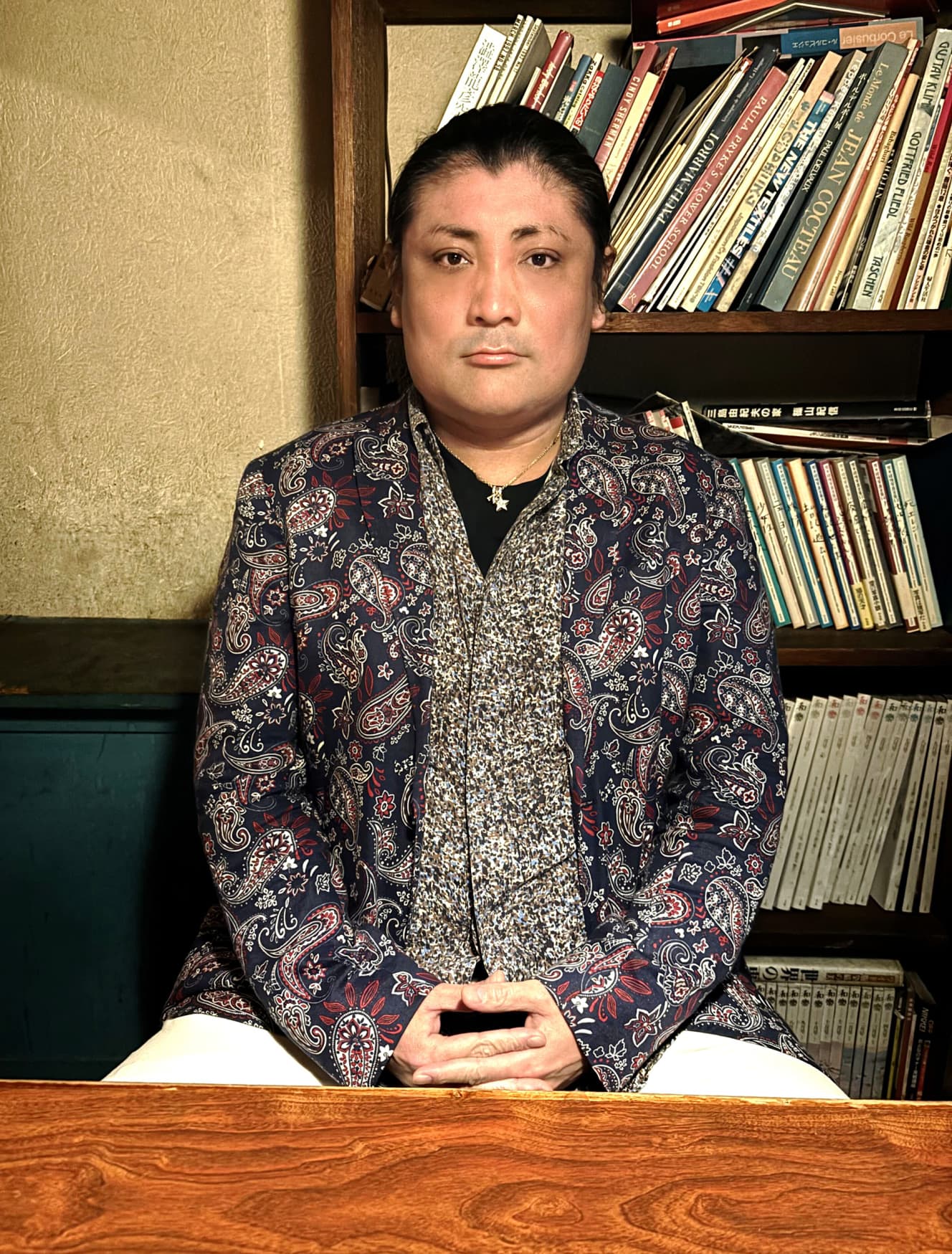
Four Key Hiroshima Carp Players Released—The Man at the Center of the Storm Finally Speaks Out!
Because of my involvement, four players—Masaya Yano (27), Shunsuke Tamura (23), Seita Maekawa (23), and Kaito Kozono (26)—have been released by the Hiroshima Carp.
I have caused immense trouble and worry to the players themselves and their families, team officials, those whose names were cited as suspects because of me, all Hiroshima Carp fans, all professional baseball fans, as well as my wife, mother, and relatives. I am truly sorry. I offer my heartfelt apologies.
I may not have the right to say this, but I sincerely hope that these four players will be able to continue playing baseball.
〈On October 1, a shockwave rocked the professional baseball world. Four key Hiroshima players—including last season’s batting champion Kozono and Yano, the star player who won the Golden Glove Award in ’24—were all released at once. The reason given was that “it was difficult to build a relationship of trust.”
Ryutaro Hatsuki (26) was arrested just before spring training for using etomidate—a substance classified as a controlled drug and commonly known as “zombie tobacco”—(he was later sentenced to one year in prison, suspended for three years).
In response, the police conducted urine tests on several players, but all results came back negative.On September 25, Yano and Maekawa were referred to prosecutors on suspicion of violating the Pharmaceutical and Medical Devices Act, though it was widely expected they would not be indicted. With no legal grounds to prove they were “guilty,” the team’s decision to release them was driven by the existence of a “dealer.”
As soon as *FLASH* reported on the “excessively close relationship” between Yano and Kozono and Ryosuke Takiguchi (38)—a business owner arrested in June for allegedly supplying drugs to Hazuki—the two were removed from the first-team roster and sidelined until the end of the season.“For the sake of the four players’ reputations and futures,” the man at the center of the storm finally spoke up.〉
I first met the Carp players about three years ago. Ryutaro (Hazuki) was the first. A business owner I’m on good terms with happened to know Ryutaro.I run an izakaya near the hotel the Carp use during their road trips to Yokohama, and Ryutaro started coming there for meals after games. One time, he brought Mark (Yano) along and asked, “Is it okay if I bring him?”
It turns out that the business owner I mentioned was also acquainted with Ma. I wonder if Seita (Maekawa) was the one Ma brought along? That’s how my Carp network expanded, but it wasn’t until about a year later that I met Kaito (Kozono). At the time, he was the only one who was married, so perhaps he was holding back a bit.
Among the four of us—Kaito, Tam (Tamura), and others—I got along best with Ma, and we started eating together often whenever he came to the Kanto region.
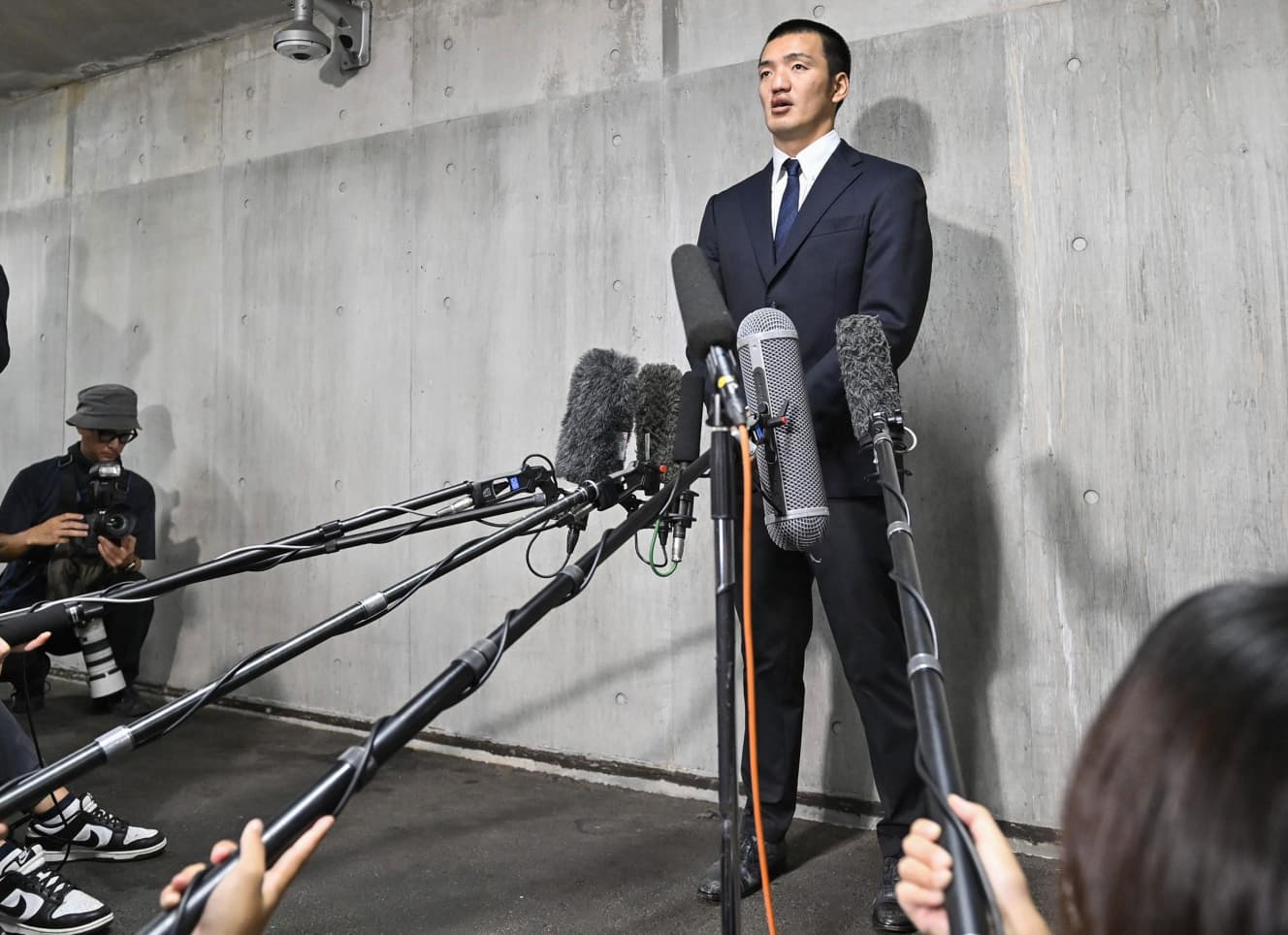
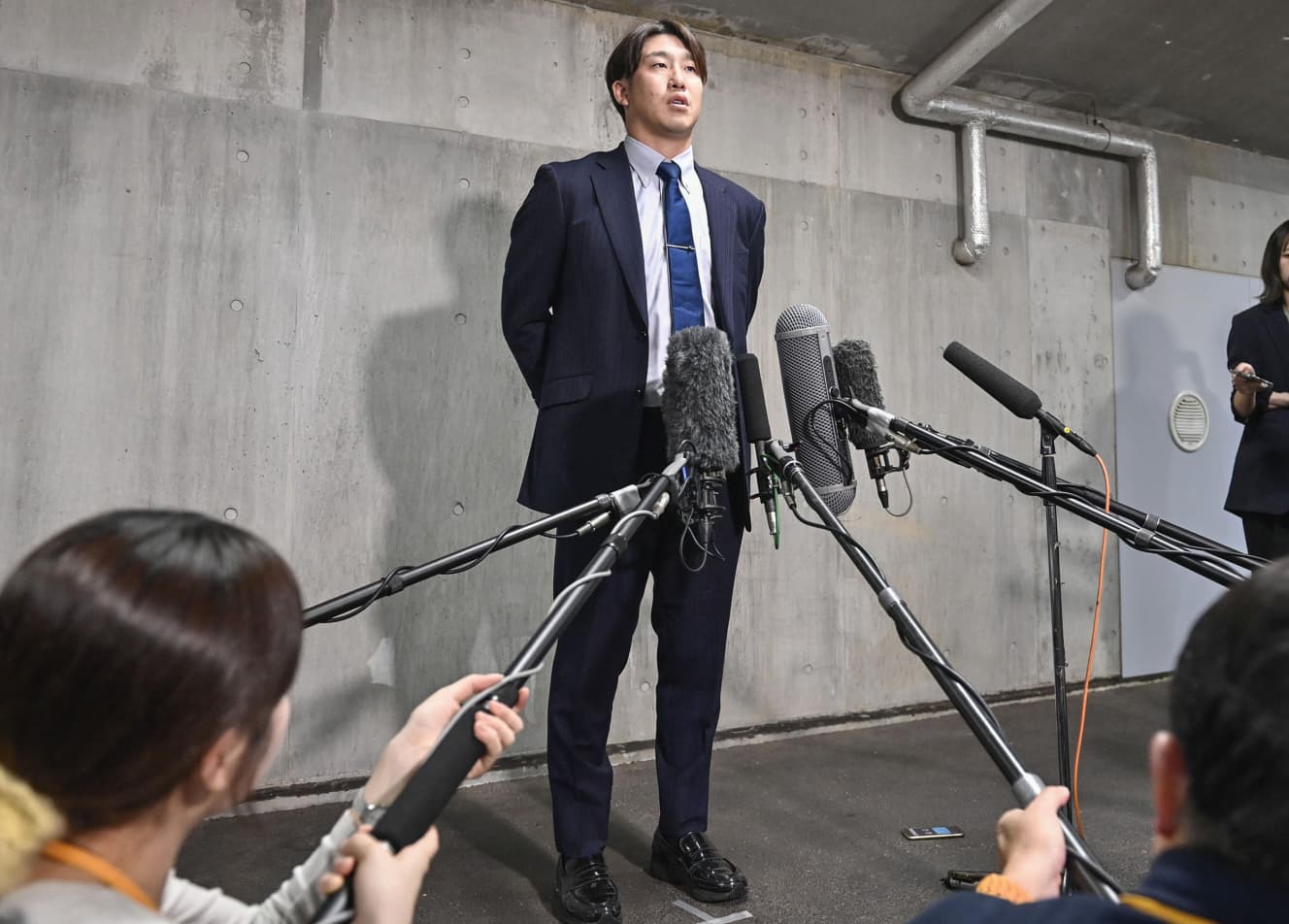


“The trips to Tokyo are the most fun.”
I played baseball at Kanagawa Technical High School, and in the summer of 2004, we made it to the prefectural tournament finals as an unseeded team. Our opponent was Yokohama, which featured Hideaki Wakui (40), but I had just had shoulder surgery and couldn’t even make the bench. Unable to give it my all, I continued playing baseball at a U.S. university and played in an independent league after graduation.
I was primarily an outfielder, though I occasionally pitched, but I was forced to retire due to my shoulder injury. Since I was fluent in English, I decided to work as a sports agent. While organizing events like baseball clinics and working as an interpreter, I realized how crucial it was to build a network, so I returned to Japan. While expanding my network, I worked in car sales and even started my own consulting firm.
It was during that time that I met them.
For me—someone who had aimed for Koshien and the pros but failed—NPB players were figures beyond my reach. Whether they were young players or had a batting average in the low .200s, I had nothing but respect for them. I found their on-field play and the little anecdotes about opposing pitchers both entertaining and inspiring.
Plus, they’re really down-to-earth. Players from Tokyo-based teams tend to be more sophisticated—they have their regular spots and patrons who look out for them, right? But many Carp players don’t have either of those things.
When I’d take them to a shop owned by an acquaintance, they’d say things like, “Our road trips to Tokyo are the most fun.” They were like younger brothers to me. I’m not sure if “encouraging them to be ambitious” is the right way to put it, but I tried to help them turn their attention to business opportunities outside of baseball by bringing them offers to appear at events and talk shows, as well as advisory contracts with equipment manufacturers.
I think the first time I used “zombie tobacco” was at the end of March last year. I used to enjoy using “happy balloons”—commonly known as nitrous oxide—abroad, but in Japan, it was regulated as a controlled substance. However, someone introduced it to me, saying, “Zombie tobacco is similar to nitrous oxide, and it’s not illegal.”
My supplier was a foreigner I’d met through work—a man who appeared to be of Chinese descent. He didn’t tell me his name, and we communicated exclusively through the messaging app “Signal.” When I actually tried the “zombie cigarettes,” I slept like a log. I’d heard that smoking too much would make you act like a zombie, but the worst that happened was that my speech became slurred.
Ryutaro also stated, “I used it because it helped me sleep,” but since he had shown interest, I handed it to him on a whim, saying, “It’ll help you relax.” I’d heard it wouldn’t show up in doping tests, too.


The “Letter Pack” is irrefutable evidence.
As I consistently maintained during the trial, Ryutaro was the only person to whom I handed over the “zombie cigarettes.”During the Yokohama road trip last September, I drove them to the hotel in Yokohama where the Carp were staying and handed them to him in the car. I think it was 15 pen-type ones. As reported in the news, I sent the rest via Letter Pack, and that became irrefutable evidence.
I heard that when Letter Packs are shipped by air, all packages are X-rayed, so the contents were clearly visible. The police spent a month examining hundreds of thousands of shipping slips and tracked down the Letter Pack I sent. When they compared it to the “zombie cigarettes” seized from Ryutaro’s home, they said even the logos matched.
What led to my arrest was a routine stop I was subjected to last November. I was in a hurry to get my car and was jogging toward the parking lot when a police officer called me over. The bag I was carrying contained both new and used “zombie cigarettes.” I was taken to the Shinjuku Police Station, where I took a urine test—and it came back negative.
“We’re sending the seized items to the Forensic Science Laboratory. We’ll be in touch, so please answer your phone,”
That’s what they told me, but I never heard back. Before long, Ryutaro was arrested. It seems he remained silent for a while, but when I heard he’d started making a statement, I braced myself. Things took a turn on May 11. Around 10:00 a.m., the intercom rang, and when I looked at the monitor, I saw a woman.
I assumed it was a reporter from a weekly magazine, so I went outside, only to find seven or eight plainclothes detectives holding warrants. “We’re from the Hiroshima Prefectural Police,” they said. “We’re here regarding the stop-and-search in Shinjuku—please figure out for yourself why we’re in Hiroshima.” That’s when I realized, “This isn’t going to end with just a raid.”
Sure enough, I was arrested and underwent a urine test in Hiroshima, which came back negative. I’m not the kind of habitual user you might imagine; I only used it occasionally when I wanted to relax.
The media coverage after my arrest was nothing but terrible.
Magazines like “FLASH” and “Shukan Bunshun” condemned me as a “zombie cigarette dealer,” but I never made a single profit from the sales. The price of zombie cigarettes fluctuates between 10,000 and 20,000 yen per cigarette, but I would always tell the buyer in advance—along with a screenshot—exactly how much it would cost, and I only accepted that exact amount.
“FLASH” repeatedly published a photo of me and Ma in the same hotel room, labeling it the “suspicious bed photo.”Regarding the red, rod-shaped object next to Ma’s pillow, they quoted a person identified as “Mr. C, a businessman who knows the defendant Takiguchi,” who commented, “It looks strikingly similar to a ‘zombie cigarette’…,” but this can only be described as text designed to mislead readers.
The reason is that this “red, rod-shaped object” is actually an electronic shisha set I bought on Amazon in April. The police confiscated it and examined it, but naturally, no illegal substances were detected.
What infuriated me the most was the description of her as “the ‘attendant’ favored by the baseball world.” *FLASH* published testimony from a so-called “acquaintance” who stated, “She not only handled the ‘zombie cigarettes’ but also attended to women dining with the players,”“I heard she charges 100,000 yen per player for a single drinking session. Her main clientele consists of Hiroshima players, and she boasted that she ‘has 40 professional baseball players on her books.’” But this is a complete and utter lie.
Sure, there were times when players paid the bill without my knowing, but I’ve never once collected money from them. I even used to pay for the taxi fare of the girls who came out with us.
I’ve worked with players from multiple teams, but there aren’t 40 of them, and I certainly don’t “manage” that many. The only players I was close to were the Carp players. Back in middle school, I used to help out with the Hiroshima cheerleading squad just to get tickets. For me—who used to beat the drums and wave the cheerleading flags—the Carp are a special team.
There were apparently articles claiming that I’m keeping my mouth shut to protect the yakuza mastermind “above” me, or that I’m receiving hush money—but as I’ve explained, I bought the “zombie cigarettes” from a foreign dealer whose name I don’t even know.I haven’t received hush money from anyone—not the team, not the players, and certainly not anyone else. Needless to say, I’ve never sold information to the media either. There’s nothing to gain from it.

Investigation Based on Smartphone History
During the police investigation and the trial, I was asked whether I had given it to a “third party”—that is, another athlete. However, the only evidence was the message history left on my smartphone, such as on LINE. It was merely a matter of “speculation that I might have given it to someone.”
The only evidence presented that I had supplied “zombie cigarettes” was regarding Ryutaro and an acquaintance who was a member of the general public before “zombie cigarettes” were regulated. It seems the police did not initially target Seita; rather, as the investigation progressed, they simply found “exchanges suggesting involvement” in the smartphone history of an unidentified individual.
If there had been evidence, both Ma and Seita would have been taken into custody, so it’s likely that neither of them will be indicted (on October 16, the Hiroshima District Public Prosecutors’ Office announced that it had decided not to indict them).
Of course, I knew that “zombie cigarettes” had been designated as controlled substances. However, after the product shifted from a hookah-style format to a pen-style one, the dealer explained to me that “the effects and ingredients have changed” and “it’s a different product now.” When I actually tried it, the taste had indeed changed. That’s why I concluded, “It just helps me sleep better—it’s not dangerous.”
Even if falsehoods are allowed to prevail, those four individuals cannot defend themselves, and no matter what they say, no one will believe them. That’s why I—the person who was singled out as the “zombie cigarette dealer” and punished—felt I had no choice but to step forward and tell the truth.
This is the least I can do to atone for my sins toward them—the people I cherished like younger brothers and with whom I shared such happy times as a baseball player.
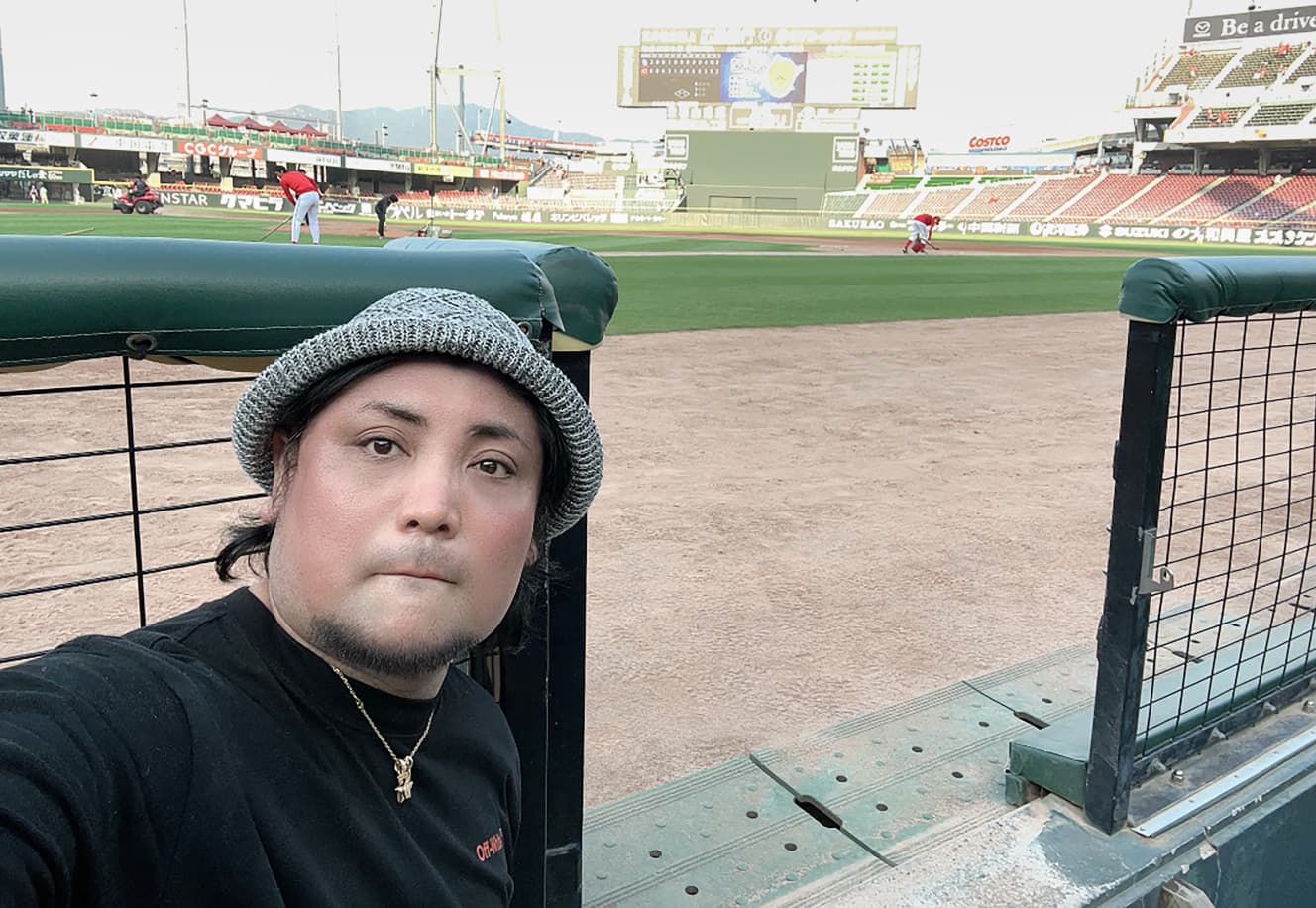
From the October 23 & 30, 2026, combined issue of *FRIDAY*
PHOTO: Kyodo News (Yano, Kozono)