Tokyo Warns of Hidden Danger as 13,900 Trees Show Signs of Damage or Instability


Mushrooms eating into trunks 600 trees immediately cut down
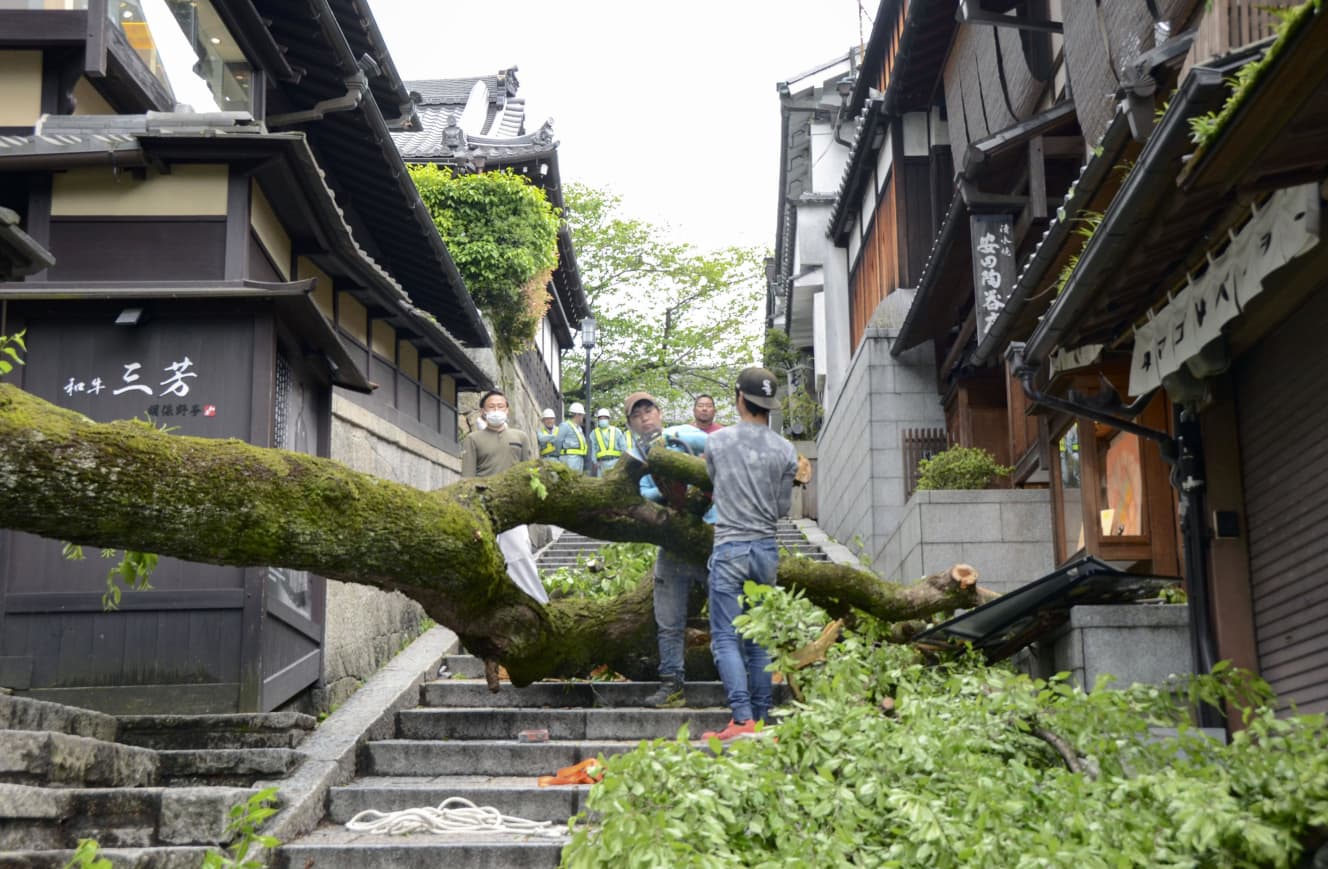
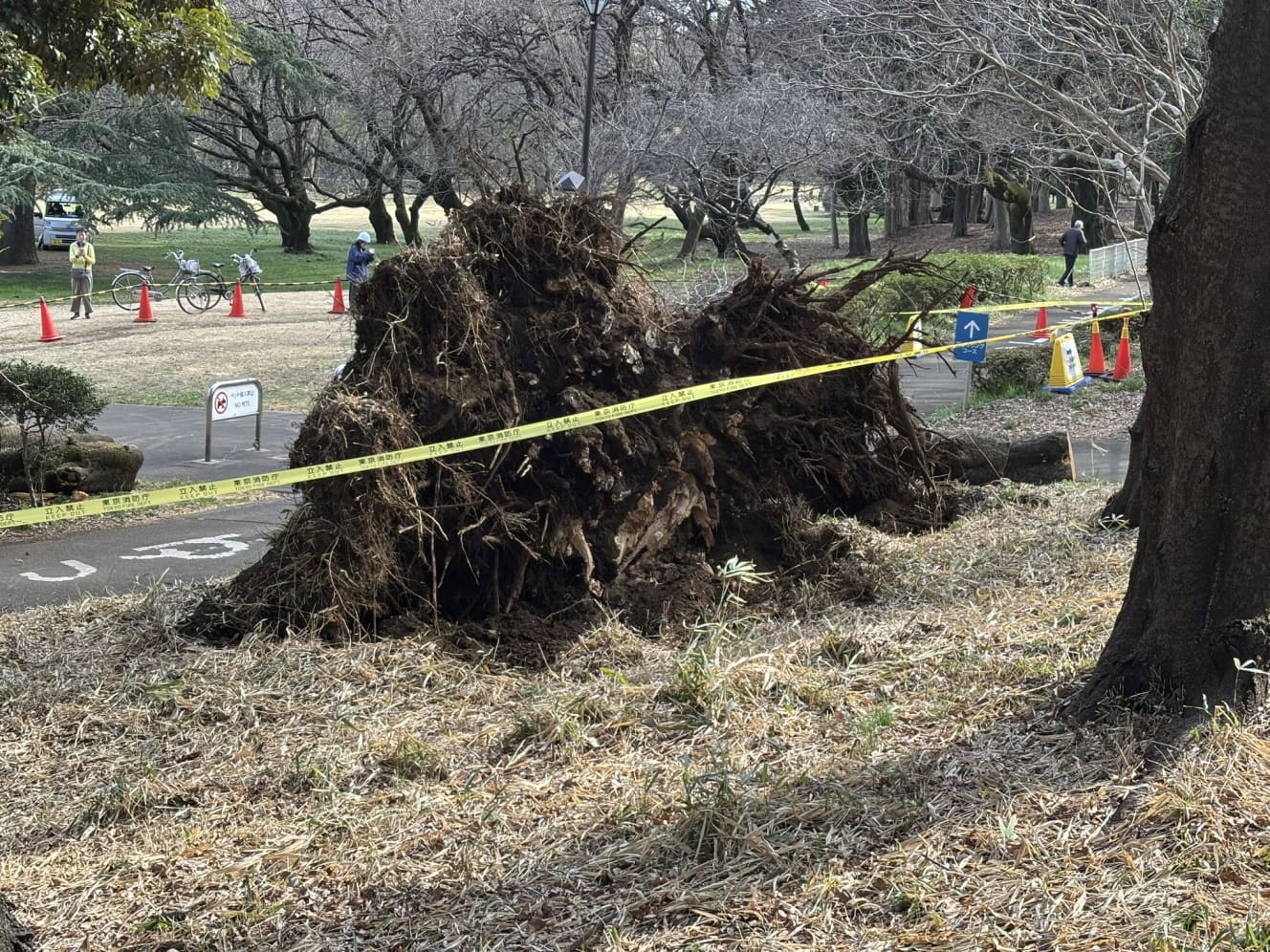
At around 10 a.m. on June 16, staff discovered that a sacred tree—a zelkova tree estimated to be about 450 years old, 30 meters tall, and with a trunk circumference of about 3 meters—had broken at the base and fallen at the UNESCO World Heritage site Shimogamo Shrine (Sakyo Ward, Kyoto City). In Tokyo as well, in March, a cherry tree fell in Kinuta Park in Setagaya Ward, injuring a woman in her 70s after she was trapped underneath. The following day, a Himalayan cedar tree near the parking area of the same park also fell, damaging two vehicles.
In response to a series of tree-fall incidents, Tokyo conducted emergency inspections of approximately 800,000 trees over 3 meters tall located in metropolitan facilities such as parks and schools. As a result, it was found that about 13,900 trees (2% of the total) had abnormalities.
“I was surprised. I thought, ‘There are that many?’ At the same time, I also felt that these numbers were probably accurate,” says arborist Hiroyuki Wada, who conducts surveys and restoration work on trees such as the Jōmon Sugi at Yamanashi’s Jōmon Sugi (a nationally designated natural monument).
But what exactly does abnormality mean?
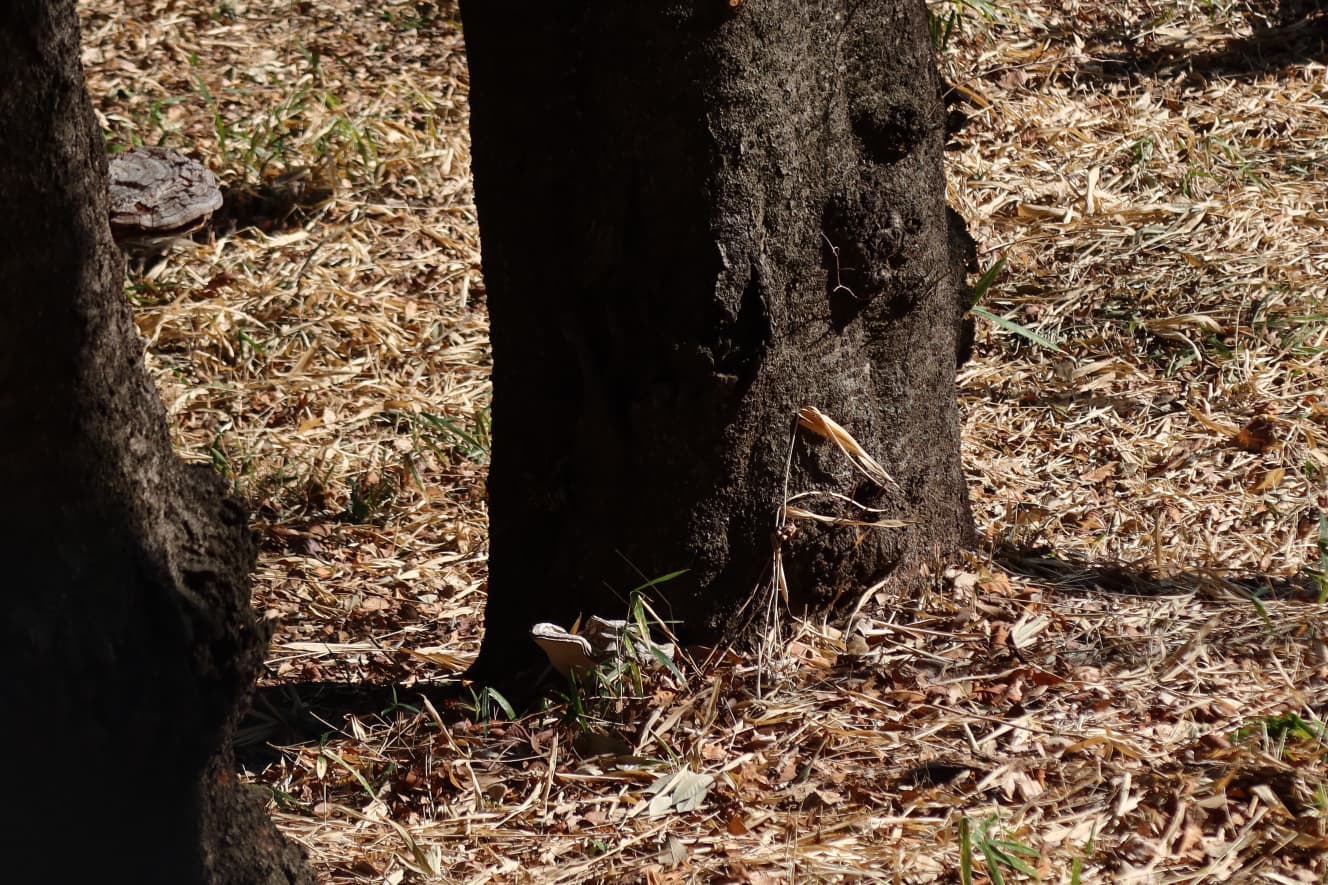
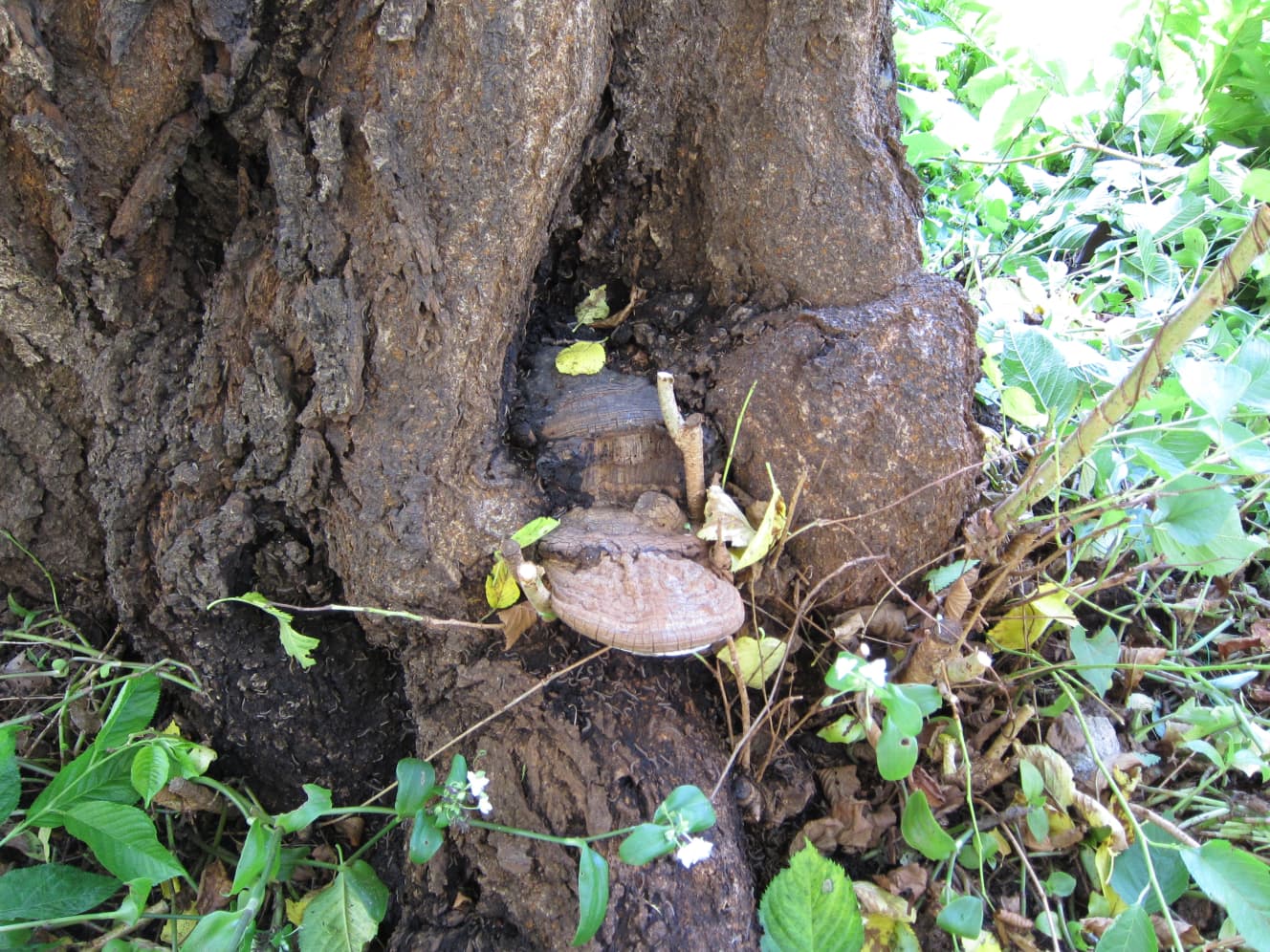
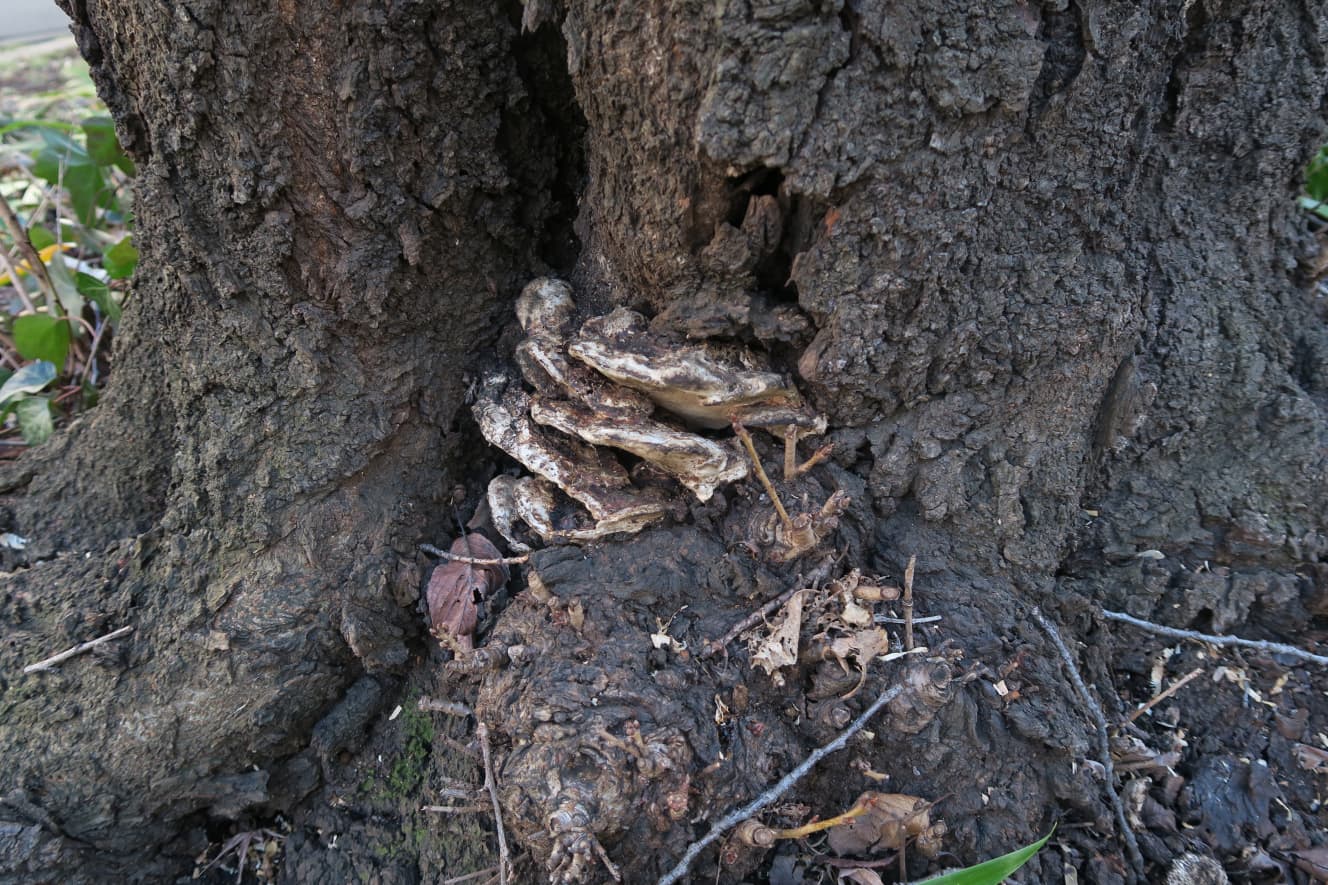
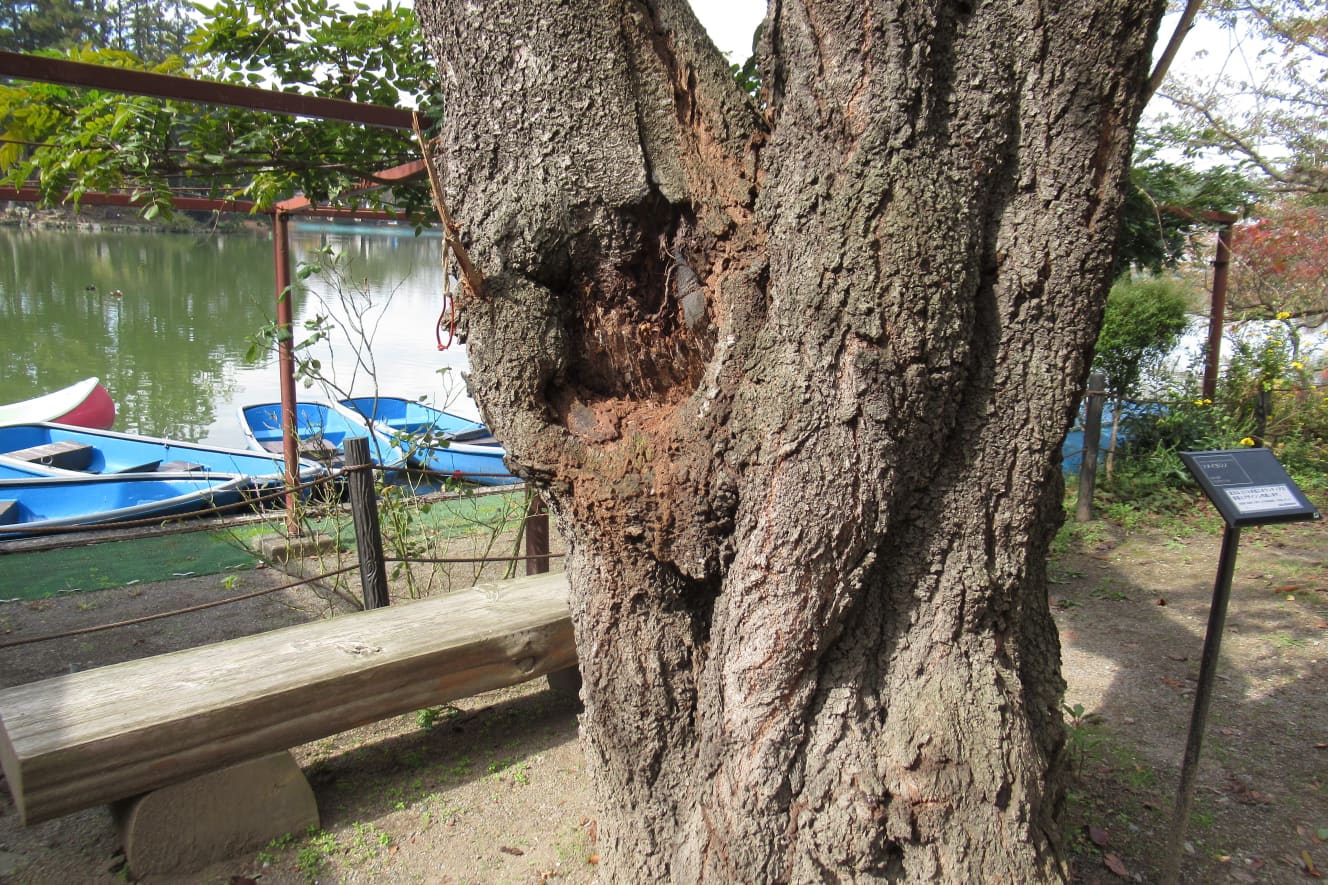
“This survey is based on the 2021 edition of the Tokyo Metropolitan Government’s Street Tree Diagnosis Manual. According to it, conditions such as partial trunk decay, internal cavities, presence of decay fungi like Phellinus and Fomes at the base, poor branch growth, and remaining dead branches are considered abnormalities.
If internal decay or cavities are suspected, diagnostic equipment is used to examine the inside, and severely damaged trees are cut down. If removal is not deemed necessary, they are re-evaluated after one to three years.”
Already, about 600 of the 13,900 trees have been cut down. Without this large-scale inspection, dangerous situations might have gone unnoticed.
“Metropolitan trees are supposed to be inspected on a rotation schedule, but it is honest to say that some issues were overlooked.”
Heatwaves and excessive pruning the tragedies affecting trees
Kinuta Park has been open for 60 years. Some suggest that the trees planted around that time may be reaching the end of their lifespan.
“Plant cells continuously divide and regenerate, so trees do not really have a concept of a fixed lifespan. However, as they age, their roots may become fully extended and growth of branches and leaves slows, which can make them appear to be in decline.”
As trees age, they are more likely to be injured, increasing the chance of fungal spores attaching, which can lead to decay or hollowing.
According to Wada, fungi feed on internal tree tissue and spread. Decay and hollowing are caused by fungi.
But fungi are not the only factor weakening trees. Spacing between trees is also an issue.
“The cherry tree that fell in Kinuta Park was planted quite closely to others. This likely prevented its roots from fully spreading. When spacing is too narrow, the number of leaves is insufficient relative to trunk and branch size, causing decline.”
Cherry trees typically require about 15 meters of spacing, but in reality they are often planted 7–8 meters apart, sometimes even 5 meters. When spacing is too tight, branches overlap and lower leaves receive less sunlight, reducing photosynthesis. Since plants generate energy through photosynthesis in their leaves, fewer leaves weaken the tree.
Some say Somei-Yoshino cherry trees, being clones with identical genetics, have a lifespan of about 60 years, but:
“There is no fixed 60-year lifespan for Somei-Yoshino. They are strong trees; within 20 years they can exceed 10 meters in height and reach trunk diameters of nearly 50 cm. In fact, there are many Somei-Yoshino trees over 100 years old, including in Hirosaki Park in Aomori.”
Other factors include root damage from underground construction and excessive pruning.
“Fungal spores such as Phellinus and Fomes attach at the base, but many types of fungal spores float in the air and attach to pruning cuts. Deep pruning creates large wounds, increasing the chance of fungal invasion.”
You may have seen something applied to tree cuts. Is that a medicine?
“That is a wound-sealing agent used to prevent new fungal invasion. If decay has already begun, the goal is to prevent further spread and help the tree regain vitality. When a tree becomes healthy again, it naturally forms internal barriers to block fungal expansion.”
To restore health, fertilizer may be applied, soil may be loosened, and overly dense areas may be thinned.
Another major factor weakening trees is recent climate conditions.
“Recently, the environment has been visibly changing. In summer, temperatures can approach 40°C, and last year there was almost no rain during the rainy season. From December to February as well, there were over 60 consecutive days without rain.
There is also a lack of water, and when temperatures are high, photosynthesis decreases, and trees stop drawing up water as well. Prolonged periods of high temperatures and low rainfall occurring intermittently over long durations are thought to be quite damaging to trees.”
Trees in Tokyo being cut down due to human convenience
When you walk around, you often see street trees planted too close together. You may also notice heavily pruned trees that are almost completely bare. It raises concern that, in this state, the trees will only continue to weaken and that falling trees could occur in a domino-like chain reaction. What should be done?
“The ideal approach is to consider the surrounding conditions and decide how large the trees should be allowed to grow, prune them once every two years, apply fertilizer, and sometimes expand the area around the roots for maintenance,” he says.
However, in reality, things rarely go as ideally planned. Due to budget constraints, pruning may be done only once every five years instead of every two. With a two-year cycle, branches can be cut before they become too thick, but with a five-year cycle, branches grow thicker and the cutting wounds become larger.
“The appropriate pruning period for deciduous trees is between leaf fall and bud break. During this time, there are fewer fungal spores that cause decay, so pruning in this period reduces the risk of infection. However, when public complaints like fallen leaves are a nuisance, do something about it become stronger, pruning is sometimes carried out before leaves fall. That makes it much easier for decay fungi to enter the tree,” he explains.
It is understandable that fallen leaves can be a burden to clean up, but walking through tree-lined streets stripped of their canopy can feel rather disheartening.
“There is also an issue of landscape, but trees play a major role in mitigating the urban heat island effect, which is why there is a global movement to increase canopy cover,” he adds.
“Canopy cover” is a global standard indicator that measures how much of the ground surface is covered by tree crowns (branches and leaves). According to a study by Professor Toru Terada’s group at the University of Tokyo Graduate School, canopy cover in Tokyo’s 23 wards decreased from 9.2% in 2013 to 7.3% in 2022—meaning about 20% of tree canopy has been lost. Redevelopment projects such as those in the Jingu Gaien area are considered one factor, but
“Intensive pruning may also be contributing,” he suggests. “People living near tree-lined streets understandably find fallen leaves inconvenient. But we need to deepen public understanding of how important trees are. At the same time, rather than cutting trees out of fear of falling trunks, the government should implement planned tree management. With today’s harsher climate, I worry about the future of urban trees.”
▼ Hiroyuki Wada. Certified arborist (tree doctor). Board member of the Japan Tree Doctors Association. Director of NPO Green Environment Network! and NPO Tokyo Tree Doctors Project. He has been involved in surveys and restoration of nationally designated natural monuments such as the Yamataka Jindai Zakura (Yamanashi Prefecture), the Negoya Shrine Keyaki (zelkova) tree (Yamanashi Prefecture), and the Ōshima cherry tree cluster (Tokyo). He also works on regional planning and design for cherry blossom sites and town development through flowers, as well as community guidance and lectures.
Reporting and Text: Izumi Nakagawa PHOTO: Kyodo News (First Photo)