“Who Protects the Workers?” Concerns Grow Over Sex Work Decriminalization’s Unintended Effects
Sex Work Around the World and the State, Part 3: Part 2


The situation in Belgium, which has adopted decriminalization
As discussions on revising the Prostitution Prevention Law continue, this series by sex industry journalist Akira Ikoma examines the realities of sex work regulations around the world. In this second part, it focuses on criticisms of the so-called “third way” of decriminalization.
In 2022, Belgium became the first country in Europe to adopt a decriminalization model. The Minister of Justice called it historic, stating that it would ensure sex workers are no longer stigmatized, exploited, or made dependent on others.
In 2024, a law was enacted allowing sex workers to formally sign employment contracts and receive protections such as sick leave, maternity leave, and pensions, enabling them to access the same social security as other workers. Benefits also include unemployment insurance, health insurance, family allowances, and paid leave, as well as the right to refuse clients.
Employers are required to have no prior convictions for sexual violence, human trafficking, or fraud, and must provide a clean and hygienic working environment and install emergency buttons. It is also prohibited to dismiss workers for refusing clients or refusing specific sexual acts.
In this way, Belgium’s new law treats sex workers not as criminals but as legally recognized workers, granting them full labor rights and social protections. This is said to have significantly improved safety and human rights protection across the industry.
However, there is also strong opposition to decriminalization. Critics argue that it effectively legalizes and legitimizes the facilitation of sex work, sex buying, and brothel operation, and therefore represents a setback for women’s rights.
There are also concerns that even if workers are theoretically allowed to refuse clients or sexual acts, in practice they may be punished by employers for reduced earnings. While the law formally guarantees such rights, sex workers are in a structurally vulnerable position, and exercising these rights in reality is considered difficult.

Client demands have become more extreme
As seen in the example of Belgium, the decriminalization model has faced strong criticism. There are widespread claims that decriminalizing sex work does not protect sex workers.
Supporters of decriminalization argue that it is precisely criminalization that makes sex work dangerous. They claim that removing its criminal status should help prevent abuse of sex workers and make it easier to eliminate sex industries that rely on human trafficking and sexual slavery.
However, in countries where sex work has been decriminalized, these expectations have not necessarily been fulfilled. On the contrary, some argue that once sex work becomes a profit-driven industry operating like any other business, competition over services intensifies, safety becomes deprioritized, and conditions worsen.
There are even claims that decriminalization not only fails to minimize harm to sex workers, but may actually increase it. Violence in the sex industry has not disappeared; rather, it is said to have expanded, with criminal organizations becoming more deeply involved.
Stigma against sex workers has also not decreased. In addition, it is argued that client demands have become more extreme, making it even harder to maintain a safe working environment.
In New Zealand, for example, some claim that brothel owners instruct sex workers not to refuse clients, even when customers demand increasingly extreme services. From this perspective, decriminalization is said to encourage and amplify buyers’ behavior. Critics argue that it benefits clients and business owners more than the sex workers themselves.

Sex industry operators promote decriminalization as a model
Despite various criticisms, the movement to promote decriminalization has not disappeared.
New Zealand is regarded by some as a success case, and sex industry operators and prostitution brokers have promoted it as a preferred model. They argue that avoiding the excessive regulation that caused problems in Germany was a positive factor. However, decriminalization is also criticized as functioning similarly to legalization—by empowering buyers, legitimizing pimps and brothel operators, and increasing human trafficking.
In 2016, Amnesty International recommended that governments around the world adopt the decriminalization of consensual sex work in order to protect sex workers from human rights violations and abuse. This position was heavily criticized by many organizations and individuals. Women’s groups in various countries strongly opposed it, arguing that prostitution constitutes sexual exploitation and violence.
Nevertheless, Amnesty International continues to support the decriminalization of consensual sex work. It argues that sex workers are among the most marginalized people in the world and constantly face discrimination, violence, and other human rights abuses, and concludes that decriminalization is the best way to protect their rights and reduce the risks they face.
In 2021, the mayor of New York, under pressure from strong public demand for police reform, proposed decriminalizing sex work. However, it was criticized by anti–human trafficking coalitions as effectively promoting laws that would turn New York into a destination for sex tourism. Even so, movements to advance decriminalization in New York have not disappeared.
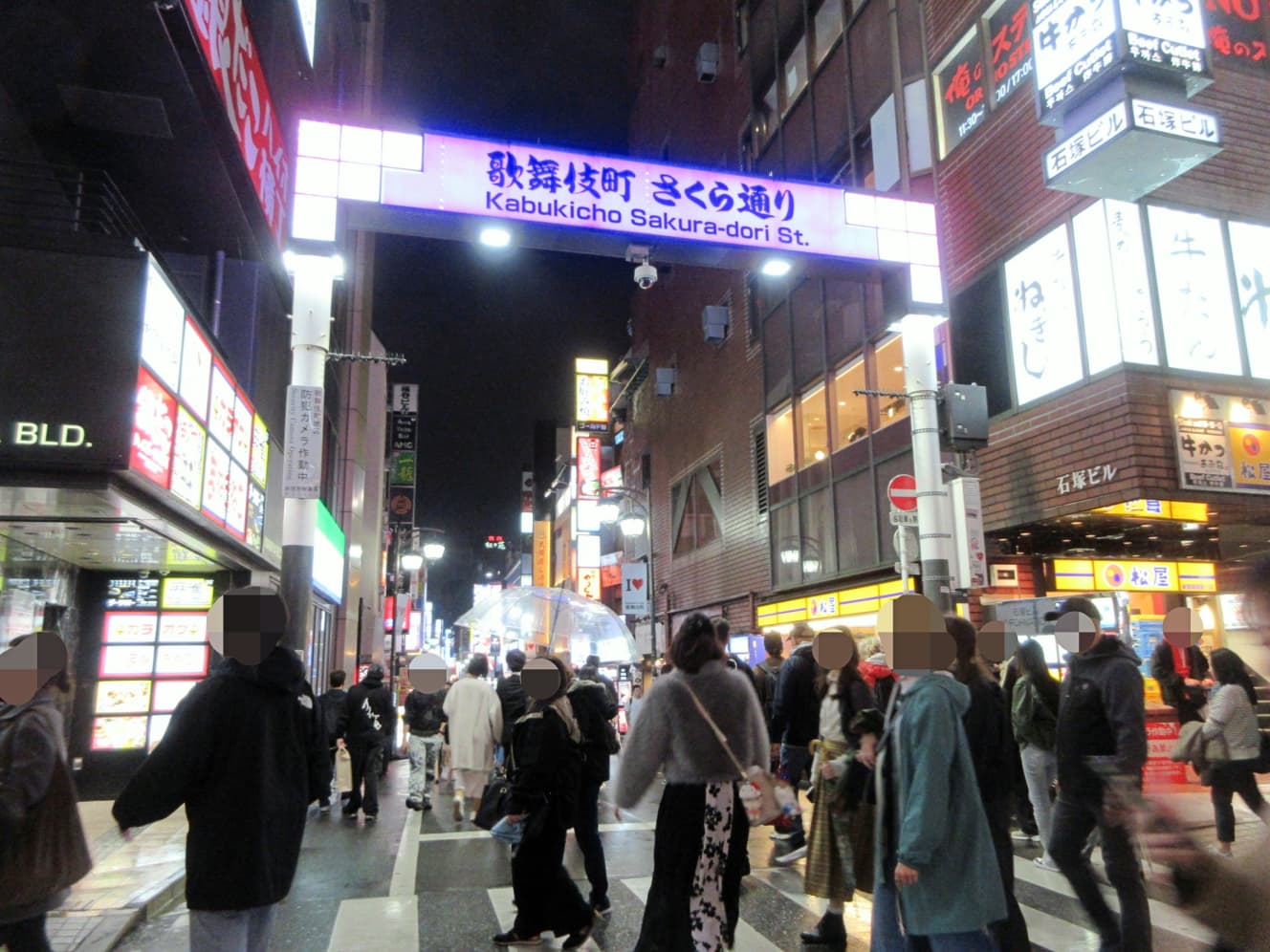
The deep-rooted stigma surrounding prostitution that does not disappear
Regulatory models for sex work differ greatly depending on whether prostitution is viewed as labor or as sexual violence. Within sex worker rights movements that regard prostitution as labor or an occupation, decriminalization is considered the ideal goal. However, it is argued that this does not fit Japan’s current context. In Japan, prostitution is considered contrary to general sexual morality, and there is strong social stigma. Because of this, it is said to be unrealistic to treat it like ordinary work such as caregiving or massage.
Furthermore, introducing a decriminalization model—which would remove regulations specific to the sex industry—would mean abolishing both the Anti-Prostitution Law and the Entertainment Business Control Law. This, it is argued, could lead to sex industry establishments spreading across urban areas, causing frequent conflicts between business operators and local residents.
In Belgium, for example, there are red-light districts near major train stations, described as being similar to having a red-light district in front of Tokyo Station. In Japan today, where the establishment of escort office apartments in residential buildings has already become a major issue, the idea of eliminating zoning systems is considered nothing more than a fantasy.
Moreover, the legalization of delivery health services (de-heri) in 1998 was a response by authorities struggling to control unregulated illegal escort services (hotel-based prostitution), aiming to bring them under regulatory oversight. It is considered unrealistic to reverse this system and return to a completely deregulated state. The state is therefore expected to maintain a cautious stance toward decriminalization.
Decriminalization also requires a social foundation in which workers’ rights are properly protected. However, given Japan’s current situation—where even in other sectors labor standards are often unclear—it is argued that decriminalization remains a theoretical fantasy, and is even more difficult to implement than legalization.
References
“Sex Work Studies” (SWASH, ed.), Nihon Hyoronsha, 2018
“Theory of Sexual Self-Determination” (Miyadai Shinji et al.), Kinokuniya Shoten, 1998
“The Black Hole of Sex Trade” (Shin Pak Jin-yeong), Korokara, 2022
In addition, various books and online media sources were referenced.

Reporting, Text, and Photography: Akira Ikoma