Why Do Yokai Exist? The Surprising Truth Behind Japan’s Mythical Beasts


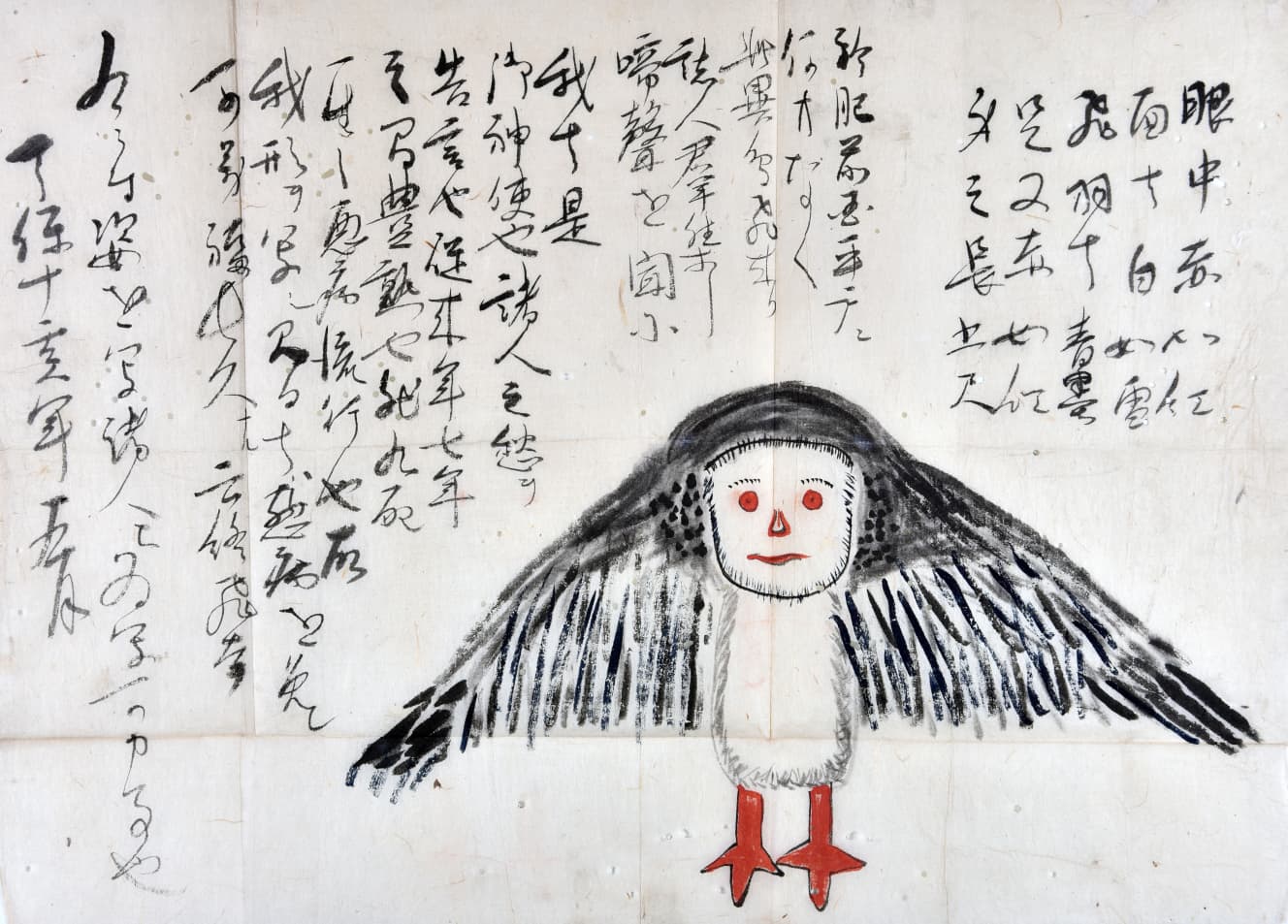
A dangerous realm where strange beings lurk
Today, yōkai (supernatural creatures) have largely become a form of entertainment and are often enjoyed as fictional characters. In earlier times, however, they were feared as manifestations of nature’s power—forces beyond human understanding and control.
Among the beings commonly classified as yōkai are also “genjū” (“phantom beasts”), creatures that were reportedly witnessed or left behind physical traces such as carcasses, yet were not recognized as known animals. Today, such beings are often referred to as UMA (Unidentified Mysterious Animals) and remain shrouded in mystery.
The special exhibition “A Complete Survey of Yōkai and Phantom Beasts”, which examines the relationship between the Japanese people and nature through an enormous collection of materials related to these creatures, concluded its run at the Hyogo Prefectural Museum of History on June 14. The exhibition is scheduled to be held next at the Tottori Prefectural Museum from July 4 to August 30. In addition, the official exhibition catalog, “Illustrated Guide to Yōkai and Phantom Beasts” (published by Kawade Shobo Shinsha), was released in late April.
Yōkai emerged from the Japanese people’s awe and fear of nature—forces they could not control. However, according to the book, they were not simply born from a confrontation between human civilization and untouched wilderness. Rather, they arose in spaces where human activity and nature intersected.
For example, in the Japanese term “sanya” (“mountains and fields”), the character “no” (field) refers to an intermediate zone between the human-inhabited “sato” (village) and the “yama” (mountain). It is a place where people may encounter untamed and potentially dangerous forces.
“It was a dangerous realm where humans could unexpectedly come into contact with the wild, untamed powers of nature. Since these fields were also places where people gathered resources such as grasses and trees, humans frequently entered them. There, they often encountered wild animals and sometimes found themselves in perilous situations.”
— From “Introduction: Yōkai Studies in the Anthropocene,” by Masanobu Kagawa, Head Curator of the Hyogo Prefectural Museum of History.
The phantom beast that inspired Amabie
One of the most dangerous creatures said to inhabit the “no” (the borderland between village and wilderness) was the snake. Examples include the Yamata no Orochi, the legendary eight-headed serpent, and Nozuchi, considered the prototype of creatures such as the “tsuchinoko.” These beings were sometimes worshipped as manifestations of mountain deities.
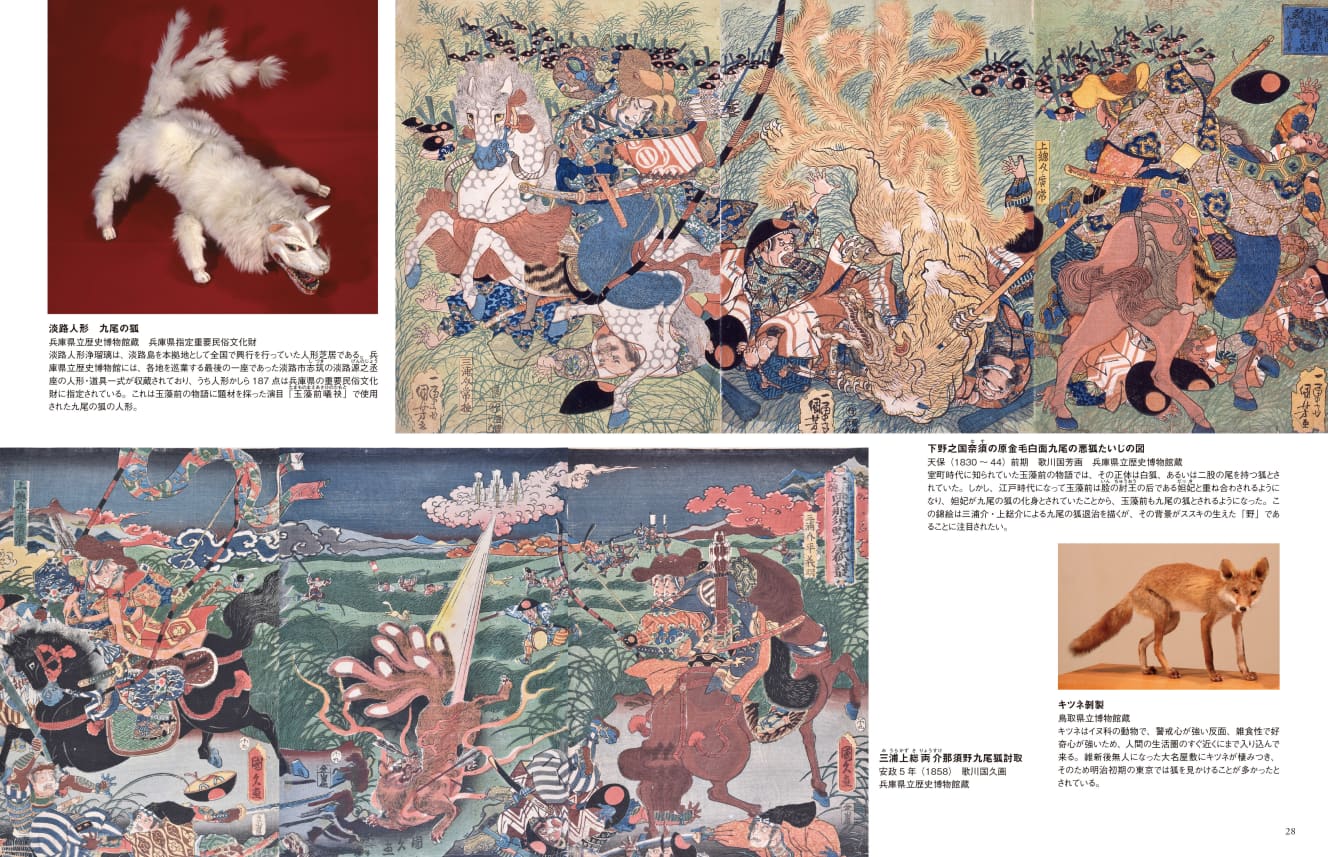
Likewise, animals such as foxes and tanuki that ventured from the wild into human settlements were regarded with particular suspicion because they were believed to possess the power to deceive and transform themselves.
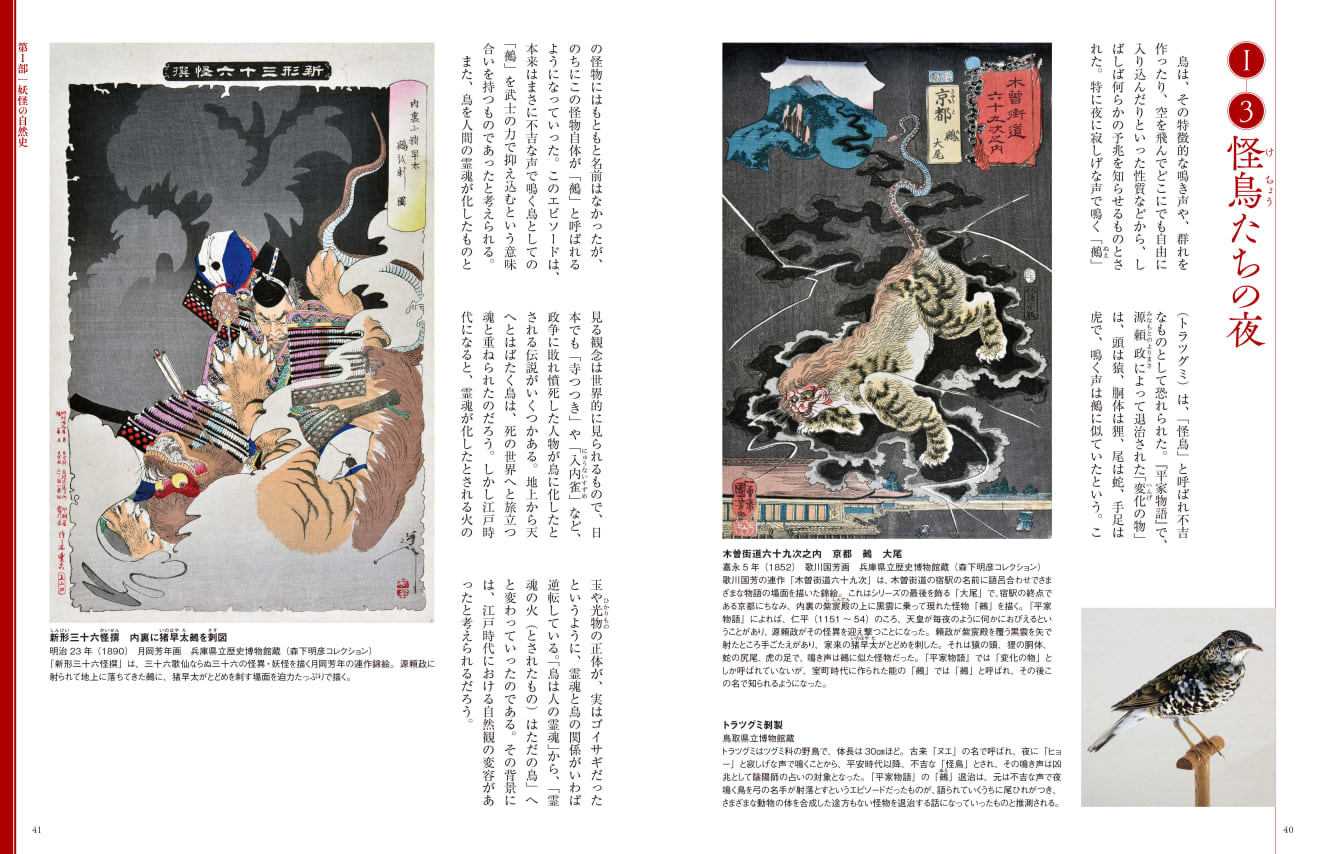
The “tengu” is another interesting example. In China, it originally referred to a heavenly dog, but somehow in Japan it came to be understood as a fox-like supernatural being that deceived humans before eventually evolving into the entirely different form familiar today. Cats, meanwhile, entered human homes as pets, but unlike dogs they were not seen as obedient. Their seemingly mysterious and independent nature led people to believe they could transform into supernatural creatures. In this way, yōkai emerged from landscapes already shaped by human activity and coexisted with people through a long history of conflict and interaction.
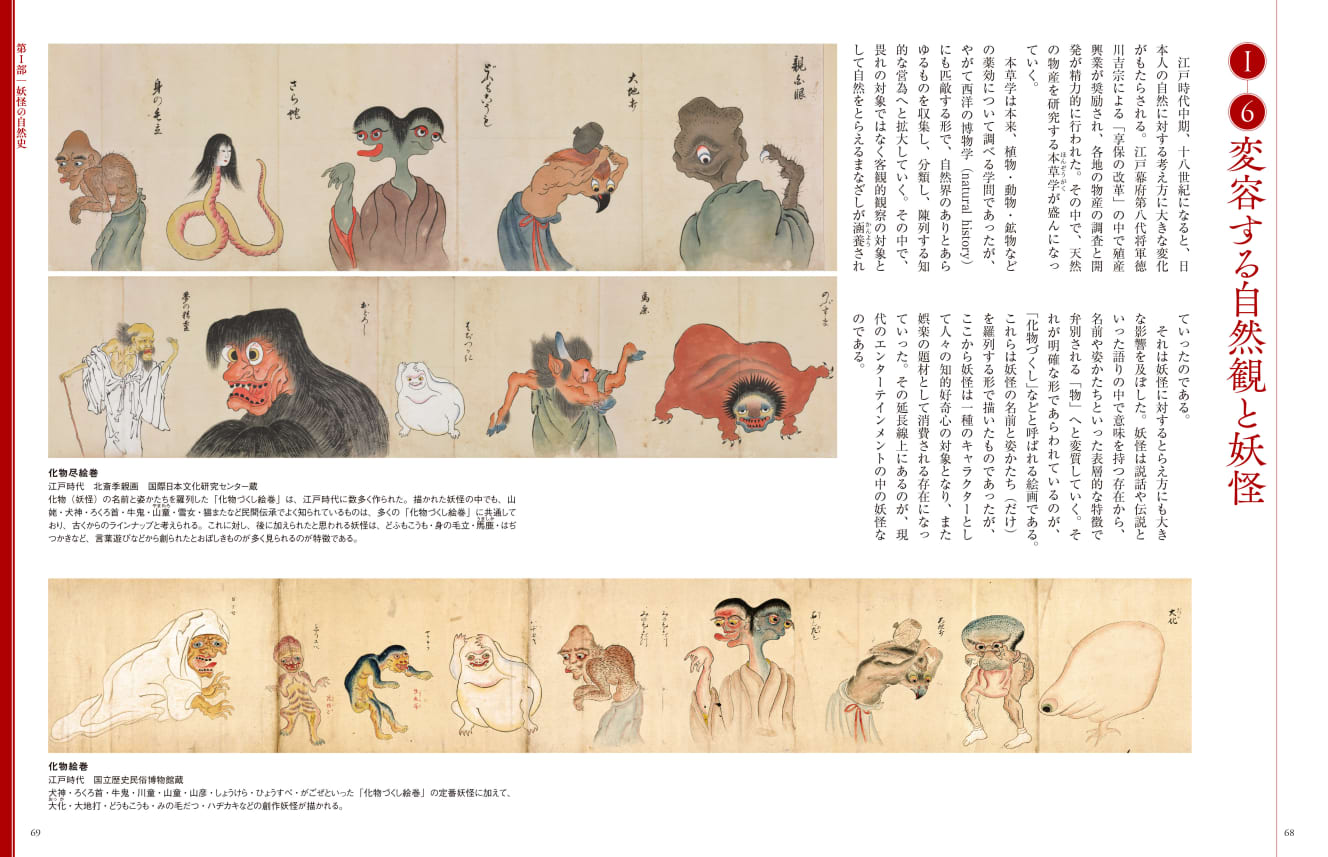
The folklorist and renowned yōkai collector Goichi Yumoto defined creatures whose boundaries with real animals are particularly ambiguous as “genjū” (“phantom beasts”). As discussed in the book, relics such as kappa mummies and mermaid remains have often been preserved. These traces, whether genuine or fabricated, were displayed as curiosities or treasured by temples and shrines.
Today, such mysterious creatures are often called “UMA (Unidentified Mysterious Animals).” Unlike UMAs, however, phantom beasts were not merely strange creatures—they could serve as omens of disaster or objects of worship.
For example, in the late Edo period, a creature known as “Jinja-hime” (“Shrine Princess”) reportedly appeared in Hizen Province (modern Nagasaki and Saga Prefectures). Described as having the face of a beautiful woman and the body of a dragon, it foretold the outbreak of an epidemic and declared that anyone who displayed an image of it would be protected from disease. When an epidemic later occurred, pictures of Jinja-hime became popular as protective charms.
The story may sound familiar. Jinja-hime is considered one of the inspirations behind Amabie, the prophetic creature that became famous during the COVID-19 pandemic.
Interestingly, the tale of Jinja-hime later evolved into one involving a mermaid. Mermaid exhibitions became popular because mermaids were also believed to ward off epidemics. Many of the surviving mermaid mummies found in Japan today are said to have been created during this period.
The book “Illustrated Guide to Yōkai and Phantom Beasts” introduces many of the rare materials featured in the exhibition. Through these artifacts, readers are invited to reflect once more on the yōkai and phantom beasts that once existed alongside everyday Japanese life.


Special Exhibition: “A Complete Survey of Yōkai and Phantom Beasts” | Exhibition Information
Hyogo Prefectural Museum of History (Hyogo Prefectural Board of Education)