ANA Calls Them Customers While JAL Says Valued Patrons as SFC Downgrade Reveals Airlines’ True View of Passengers


ANA’s Ruthless Scalpel for SFC
On April 23, ANA announced a revision to its “ANA Super Flyers Card (SFC)” program. The content of the changes has sparked a wave of frustration on social media among so-called mileage monks, who had pursued elite airline status through intensive status runs.
Under the revised system, two categories based on annual spending will be introduced. As a result, the previous behavior of effectively acting as free riders—where users could access lounges and benefits by simply paying the card’s annual fee while flying on discounted tickets—will no longer be viable.
For those who had devoted significant effort to earning status, this change feels like the ladder being pulled away. It also highlights a new reality: an emerging stratified society within the loyalty program, now determined by credit card spending.
Lounge access is limited to 3 million a year
The SFC (Super Flyers Card) is a credit card that can be applied for once a passenger reaches the “Platinum” tier or higher—achieved by earning 50,000 Premium Points (PP) in a year through flights on ANA and other airlines.
Once obtained, the card can be maintained indefinitely by simply paying an annual fee of just over 10,000 yen. It grants access to airport lounges, priority check-in, and other benefits on ANA flights. It also confers “Star Alliance Gold” status, which can be used with partner airlines worldwide, and includes benefits for family members as well.
Under the revised SFC system, which will begin service in April 2028, benefits will be divided into two tiers: “PLUS” and “LITE.”
The “PLUS” tier applies to members who spend 3 million yen or more annually on ANA and ANA Pay. It includes ANA lounge access, 5,000-mile accrual, and Star Alliance Gold status.
Meanwhile, members who spend less than 3 million yen will be placed in the “LITE” tier, which does not include ANA lounge access and only grants Star Alliance Silver status. However, other services such as priority boarding and priority baggage handling on ANA-operated flights will remain available even under LITE.
The new system applies not only to new applicants but also to existing SFC members. Flight history and membership tenure will not matter—the classification is determined solely by spending.
The only exception is for members who have accumulated 1 million lifetime miles on ANA-operated flights, who will qualify for “PLUS” regardless of annual spending.
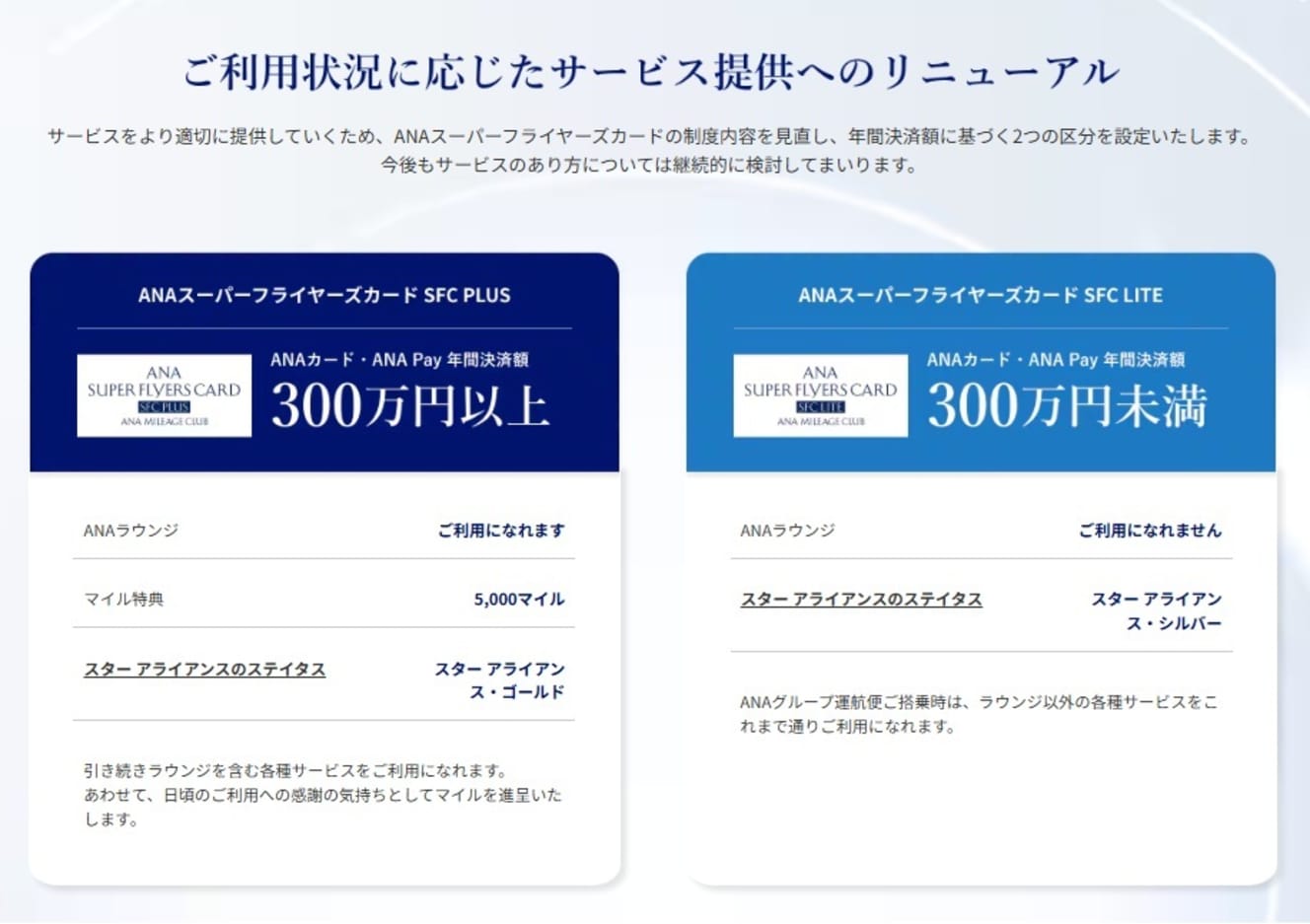 The SFC program will be restructured into two tiers: “PLUS” and “LITE.” Not only lounge access, but also “Star Alliance” status will be differentiated. Under the “Silver” tier, lounge access will not be available (according to the official ANA website).
Screams of major revision and rejoicing senior customers
Since the announcement of the program revision, reactions online have been sharply divided between those calling it a downgrade and those calling it an improvement.
For example, critical comments include: “A major downgrade, shocking,” “I don’t even spend 3 million yen a year on credit cards,” “The era of freeloading premium services is over,” and “I might stop doing mileage runs.” Others say, “ANA has been downgrading things recently,” and “JAL is kinder because it still considered existing members during revisions.”
On the other hand, there are also voices evaluating the changes positively. Many of these come from business professionals who regularly spend heavily on ANA cards and consistently reach Diamond or Platinum status, as well as celebrities and cultural figures who often fly in premium cabins.
Their comments include: “It will get rid of unqualified members and make things more comfortable,” “Lounges will likely become less crowded,” and “The quality of lounges will be preserved.” Some also express frustration with current conditions: “People who fly without purpose just to occupy lounges are annoying,” “Even the Diamond-only suites are overcrowded,” and “I’m tired of people swarming the place like it’s a buffet.”
With this revision, eligibility for lounge access has become a clear dividing line. And in recent years, lounges have indeed become increasingly crowded.
The author of the article, a long-time SFC member for about 10 years, notes that ANA lounges at airports such as Haneda and Fukuoka can be so crowded during peak hours that it is difficult even to find a seat, making them feel far from a relaxing space. There have also been observations of chaotic scenes in international lounges—groups of three or four drinking alcohol and treating the space like a party, or people piling up food and filming themselves while livestreaming.
ming video.
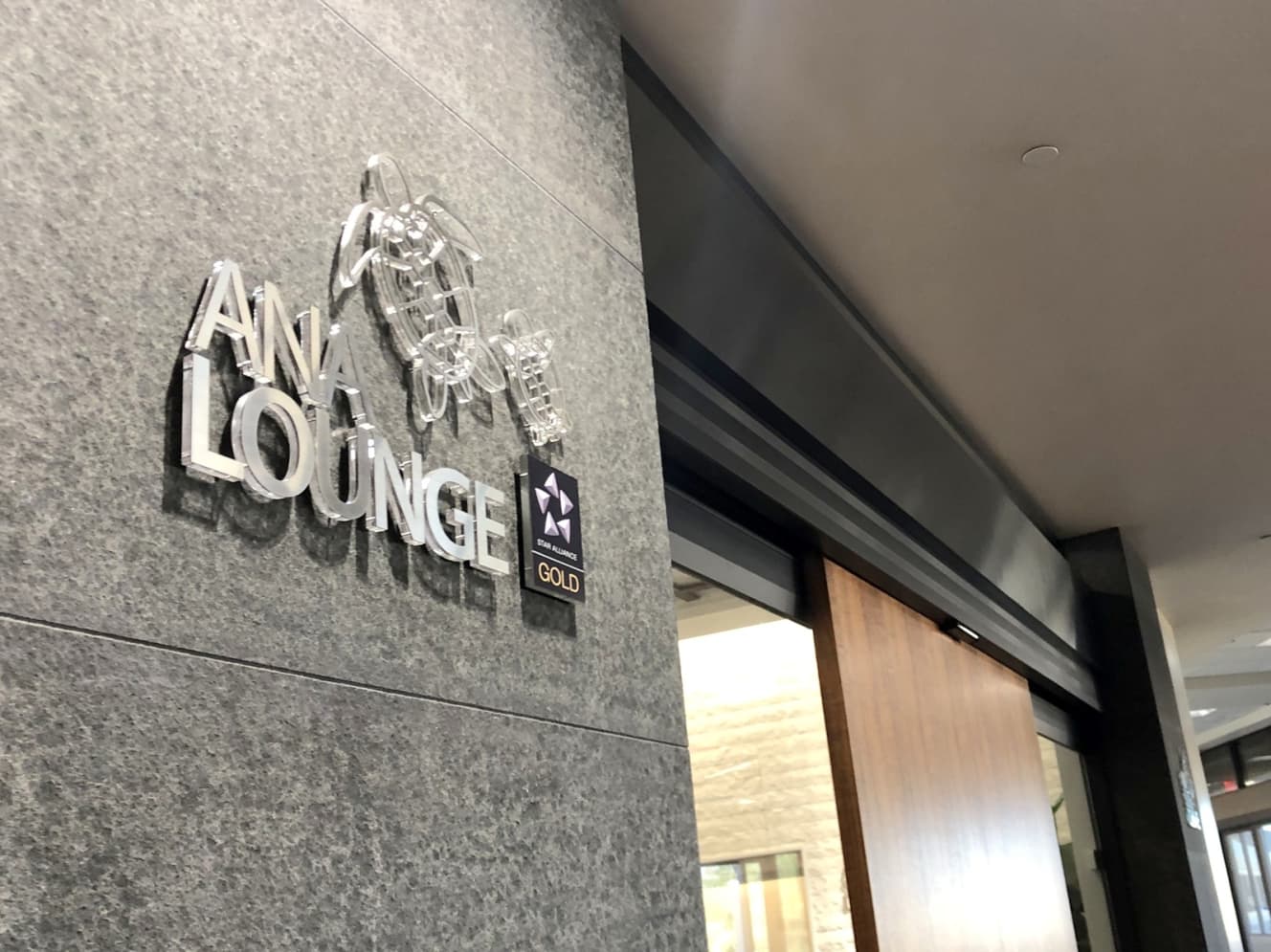
ANA lounges are crowded due to JAL’s revision
JAL also has a similar system, the JAL Global Club (JGC). However, in January 2012, JAL made a major revision and shifted to Life Status Points (LSP), which can be accumulated through a lifetime of boarding and service. At that time, existing JGC members were guaranteed the rank of “JGC Three Star” with access to JAL and partner airlines’ lounges in Japan and overseas, while the criteria for newly acquiring JGC were raised significantly.
In fact, JAL has had its share of twists and turns over the treatment of JGC members in the past. JAL imposed a quota on annual flight performance, and members who cleared the quota were given “oneworld Sapphire” lounge access, while those who failed to clear the quota were given “oneworld Ruby” status, a lower rank. The quota was dropped due to protests from existing members, and all members have been awarded Sapphire status to this day.
Over the past 10 years, the number of ANA SFC and JAL JGC members has continued to increase, partly due to the influence of SNS and the media. In particular, both companies have implemented “Double Campaigns,” in which boarding results are accumulated more than usual for COVID-19 crisis. And it is undeniable that JAL’s revision of its system caused people who were training to fly to concentrate on ANA, causing the lounges to become even more crowded.


Members’ anger at the sudden removal of the ladder
Although the new criteria of 3 million yen in annual transaction amount has been set this time, many SFC members say it is not a matter of money, as ANA had been actively recruiting SFC members, as seen in the recent “Double Campaign,” until just before the announcement of the new criteria.
The introduction page of SFC on ANA’s official website says in a large, almost incendiary tone, “Enjoy the same services as Platinum Service members for as long as you are a member,” and “Status forever guaranteed. The article continues, “Please note that the information is subject to change. The article also clearly states, “Please note that the contents of this article are subject to change.
ANA has also been featured in NTV’s variety program “Boiling Word 10,” which often features celebrity Shunsuke Kazama and others “training” on airplanes, and ANA has cooperated in the coverage. The most recent program was aired on ANA’s flight to Istanbul, Turkey, on February 13, 2026. It has only been a little more than two months since then, and some are objecting to ANA’s stance itself on this announcement.
The true intentions of a looming class society and corporations
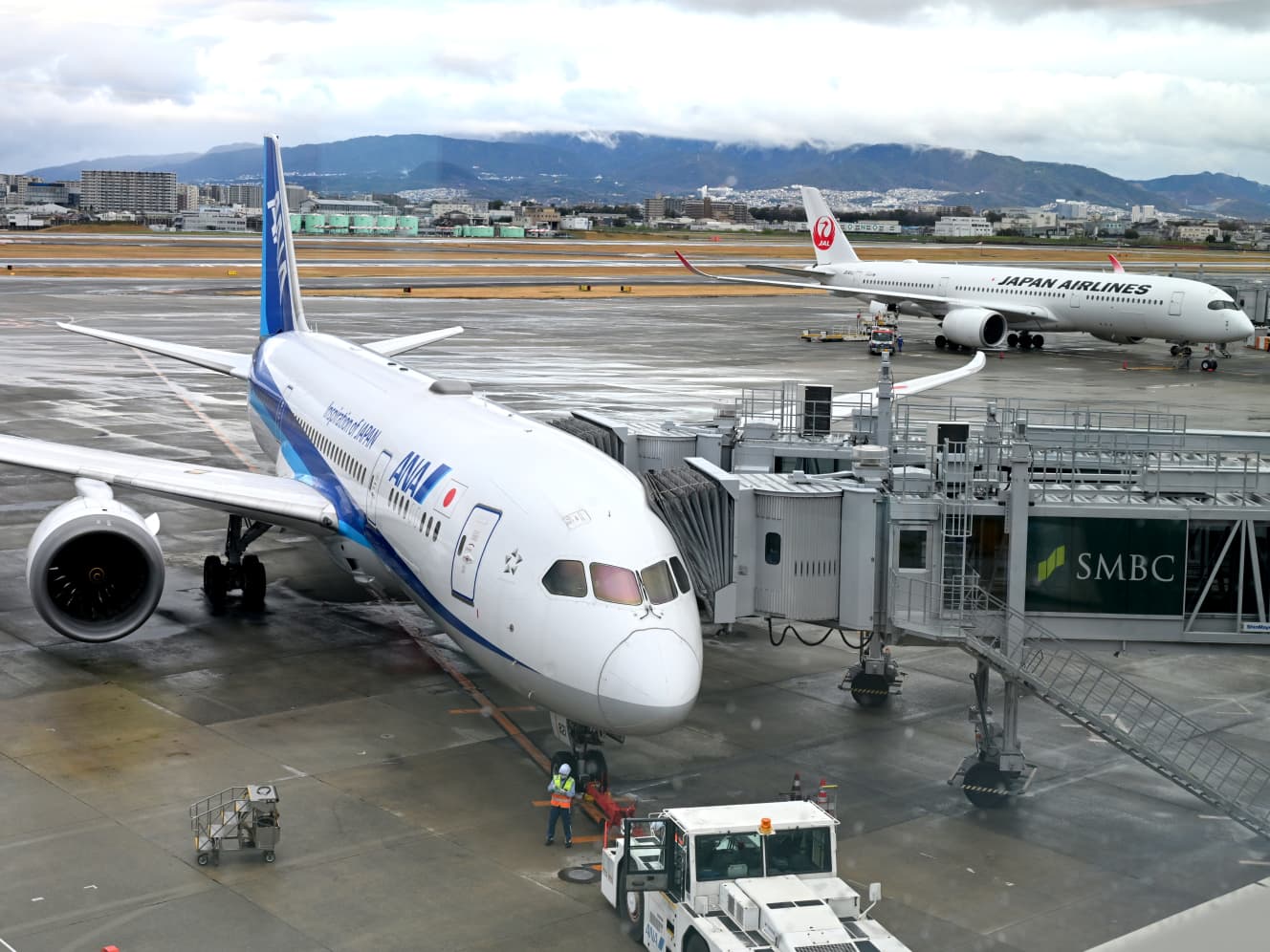
Interview, text, and photographs by: Shikama Aki