Tsukinowaguma Bears Have a Sense of Smell 100 Million Times Stronger Than Dogs


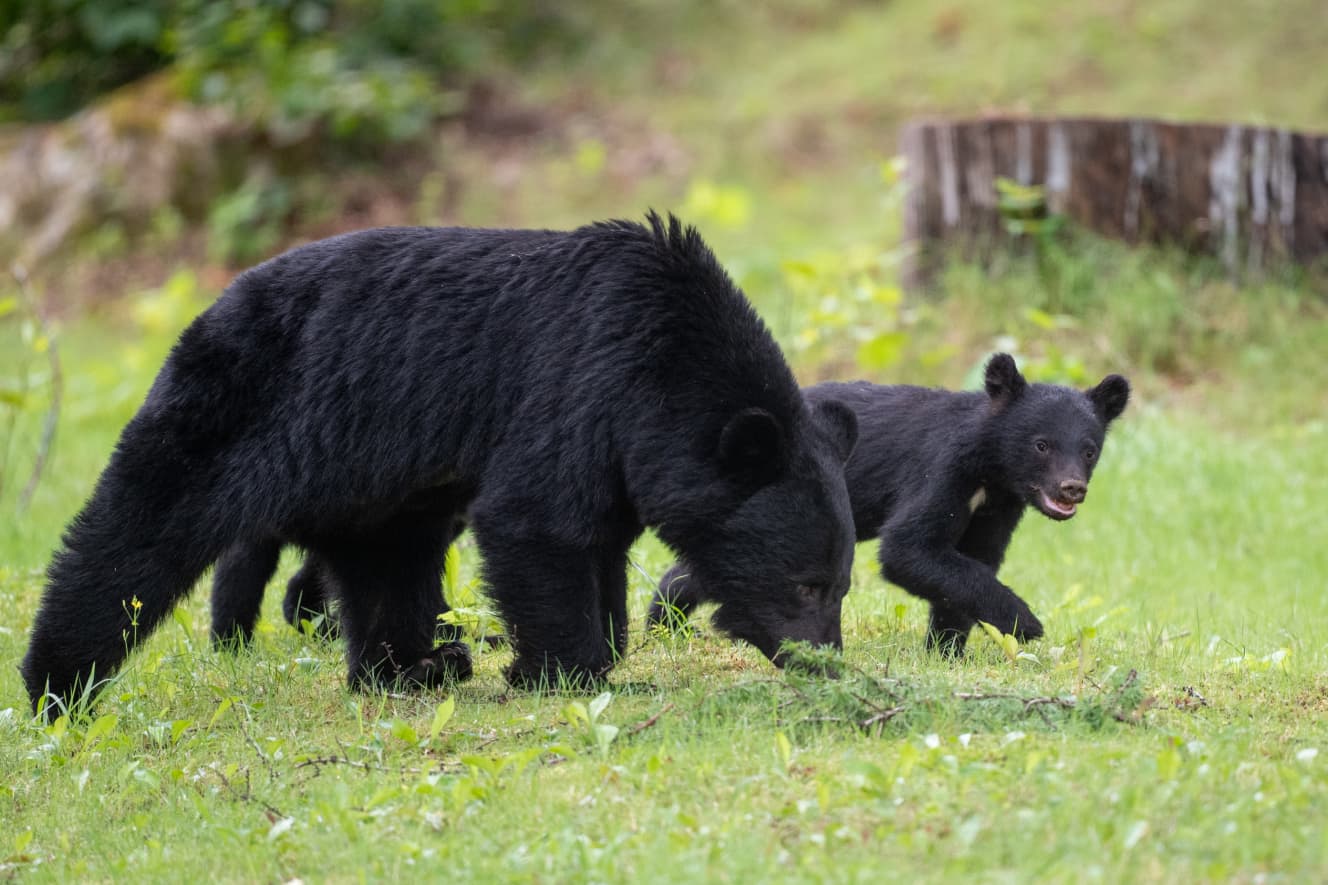 “Cubs spend their first year and a half with their mother, learning many things during this time,” says Shinsuke Koike, a researcher of Asiatic black bears (Tsukinowaguma) at the Graduate School of Agriculture, Tokyo University of Agriculture and Technology.
Why Can Bears Eat Poisonous Mushrooms Without Harm? The Key Lies in Learning Ability and Sense of Smell
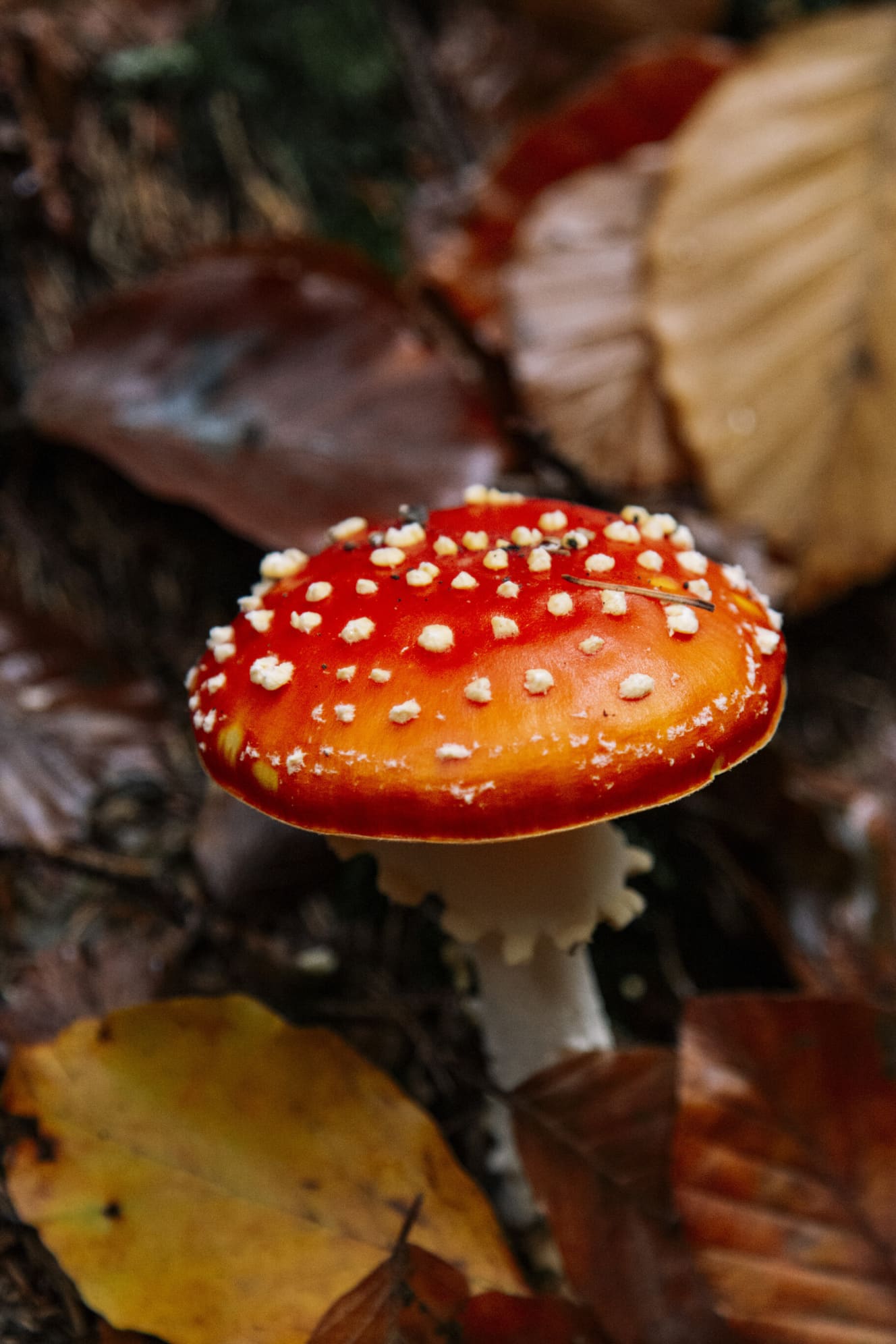
This fall, mushrooms are proliferating in large numbers. In addition to autumnal poisonous mushrooms, some that didn’t appear in the summer due to extreme heat are now thriving, prompting experts to warn of a dangerous situation. Mushrooms are a favorite food of bears. But can bears safely eat poisonous mushrooms?
“Whether bears actually eat poisonous mushrooms is unknown. Sometimes mushrooms are found in their feces, but it’s unclear if they were poisonous. Even examining bears that have died in the mountains is difficult, because very few people ever see bear carcasses,” says Professor Koike.
Although bear sightings near human settlements have become a problem:
“Even so, their numbers are overwhelmingly smaller compared to deer or wild boar. Bears live in forests and are not in groups, so it’s almost impossible to observe them in the wild,” he explains.
If bears do avoid poisonous mushrooms, two possible reasons are suggested:
“First, they might use their sense of smell to distinguish what’s safe to eat from what’s not. Second, they might learn to identify them from their mother. Bears have an extremely keen sense of smell and always sniff their food before eating. They may sense danger from the odor beforehand, or if they mistakenly eat something harmful, they remember the smell and avoid it in the future. They then pass this knowledge on to their cubs.”
Bears’ sense of smell is extraordinarily sharp—some estimates suggest it is 7 times to 100 million times more sensitive than a dog’s. It’s highly likely that they can distinguish poisonous mushrooms from edible ones by scent, even in cases where AI cannot.
Once They Learn a Taste, They Never Forget The Root Cause of Expanding Damage Is Mother Bear’s Gifted Education
A major characteristic of bears is that they act alone, not in groups.
“Cubs spend their first year and a half with their mother, learning various things. The influence of the mother is very strong. In fact, what bears eat can vary slightly depending on the lineage,” says Professor Koike.
There is one recorded case in which a cub, whose mother had been captured, did not hibernate even in January and was found wandering aimlessly. It is thought that the cub did not know how to hibernate.
“Each bear eats differently. Some are active in the morning, while others are active in the evening. There is much more individual variation compared to other animals.”
If a mother bear eats persimmons, the cub will follow suit.
“Bears travel tens of kilometers across the mountains. I believe they act based on memories of where and what they ate. A strong memory is another characteristic of bears.”
A bear that remembers where delicious food is in a village is very likely to return there the following year.
Bears and Humans Are Too Close, Experts Warn of a Breakdown in Tension and Challenges for Authorities
“Bears that have learned the taste of human food must be controlled for the safety and security of people living nearby. There’s no question about that,” says Professor Shinsuke Koike.
If bears acted in groups, being culled would convey to others that human settlements are off-limits and humans are dangerous. But bears act alone, so this information isn’t passed on to other bears.
“Currently, bears and humans are too close. In the past, humans frequently entered the mountains for forestry, gathering firewood, and hunting, which kept bears cautious. There was a clear tension between humans and bears.
However, fewer people now enter the mountains to hunt or gather resources. Bears’ wariness of humans has decreased, and that tension has lessened. Bears are intelligent animals, so if we can reestablish that tension, we can prevent them from entering villages again.”
To achieve this, a buffer zone should be created between human settlements and the mountains where bears live. The buffer zone should be thinned to improve visibility, and bears that appear there should be chased away, making the area uncomfortable for them.
“It is also important to assign personnel with expertise in wildlife management to each prefecture. Back in 2019, the Science Council of Japan advised the Ministry of the Environment that, given Japan’s declining population, problems with wildlife would inevitably worsen and recommended that authorities assign experts to manage them.”
Following that recommendation, Tokyo University of Agriculture and Technology, together with three other universities nationwide, developed a curriculum to train specialists. Students completing this curriculum will graduate next year, and the prefectures need only provide the positions.
“How seriously authorities implement these measures will determine bear-related damages from next year onward. If the government begins implementing the bear damage countermeasure package within six months, damages should gradually decrease. But if considered on a 10-year scale, similar incidents will continue to occur somewhere in Japan.”
Shinsuke Koike – Professor, Graduate School of Agriculture, Tokyo University of Agriculture and Technology. He studies the ecology of wild Asiatic black bears and other forest creatures using ecological methods to promote coexistence between forests and humans. His research currently focuses on the bears and forest ecosystems of the Ashio–Nikko mountains in Tochigi and Gunma prefectures. His books include My Bear Research, All About Asiatic Black Bears, and One Day in the Forest: Encountering Bear Droppings.
Interview and text by: Izumi Nakagawa PHOTO: Afro