A Psychiatrist Sounds the Alarm on the Dangers of “AI Dependence”… Common Traits Among People Whose Mental Health Is Deteriorating Due to Overreliance on Generative AI


The Surge in AI Consultations That Even Psychiatrists Find Surprising
“I asked ChatGPT, and it told me I have depression. Doctor, I’d like to take a leave of absence—can you give me a medical certificate?”
Now that AI has become an integral part of our lives, even in psychiatric clinics where patients with mental health issues seek treatment, the number of people seeking advice from these conversational AIs is surging.
“There’s been a clear increase in patients showing me screenshots of their chats with AI. In the examination room, AI has become a third presence alongside the doctor and the patient,”
says Dr. Shunsuke Kagaya, a psychiatrist and director of the Asuto Nagamachi Psychosomatic Clinic. It appears that the way consultations are conducted is changing due to the spread of AI.
“ We’re seeing more patients who say, ‘I’ve summarized what I want to talk about using ChatGPT.’ While this helps me understand the situation, sometimes the summary is too neatly organized—more so than the patient’s actual thoughts.
For example, when someone types ‘Mornings are tough,’ few people specify exactly what they mean—whether they’re physically sluggish and exhausted, or if there’s someone they dislike at work and they don’t want to go. Since AI excels at making inferences, it automatically deduces the reason during the conversation and neatly summarizes it.”
When I ask during a consultation, ‘Is that really what you were thinking?’, they reply, ‘No, actually…’ Sometimes the AI organizes the information too neatly, causing the patient’s true intentions to be omitted or leading to misinterpretations, which can affect the treatment plan.” (Dr. Kagaya; same below)
Patients Who Rely on Affirming AI
Dr. Kagaya notes that if patients are constantly affirmed by the AI—hearing “That must have been hard for you; it’s not your fault” no matter what they say—they may lose the opportunity to consider alternative perspectives or reflect on their own words and actions. In fact, there are quite a few cases where patients become immersed in an unrealistic world due to the AI’s characteristics.
“Patients who are naturally prone to delusions and tend to be suspicious will say things like, ‘I must be disliked at work.’When I ask them about it, they say the AI told them that… AI has a tendency not to contradict what the user inputs and to agree with their opinions. Even if they aren’t actually disliked, using AI leads to a distorted interpretation and reinforces their belief.” (*)
There are also cases where people can no longer distinguish between the world created by AI and reality.
“There’s also a pattern where people label those who hurt them in the real world as ‘monsters’ and construct a fantasy world within the AI. The AI embellishes events that aren’t actually happening, causing them to become increasingly immersed in this unreal world. As a result, they lose trust in the words of people in the real world—such as local government counselors—who are reaching out to help, and end up falling into AI dependency.” (*)
Including examples like these, Dr. Kagaya’s greatest concern is when people take what AI says at face value and make decisions based on that alone.
“Many patients come in for their first visit having already decided on a diagnosis, saying, ‘I think I have an adjustment disorder.’Once they think that, they tend to focus only on information that fits that explanation. This is confirmation bias. Since the information they share with the AI becomes biased as well, their conviction only grows stronger. Sometimes, consulting with AI leads them to stop seeing a doctor or stop taking their medication.”
I’d like patients to feel free to discuss their AI consultations during their medical visits. I also think it’s important for us to ask, ‘Is there anything the AI mentioned that concerned you?’”
Many mental illnesses are difficult to diagnose based solely on current symptoms and require specialized knowledge.
“Even if you’re feeling down when you come in for a visit, if there was a time in the past when you functioned just fine on little sleep and were more active, there’s a possibility of bipolar disorder. Sometimes developmental disorders present from childhood are involved, so it’s important to diagnose mental illnesses by looking at them over a long period of time.Depression and adjustment disorder aren’t the only mental health conditions characterized by symptoms of low mood. That’s precisely why I hope people won’t self-diagnose based solely on AI responses—if you’re feeling unwell for an extended period, please seek help from a medical professional.”
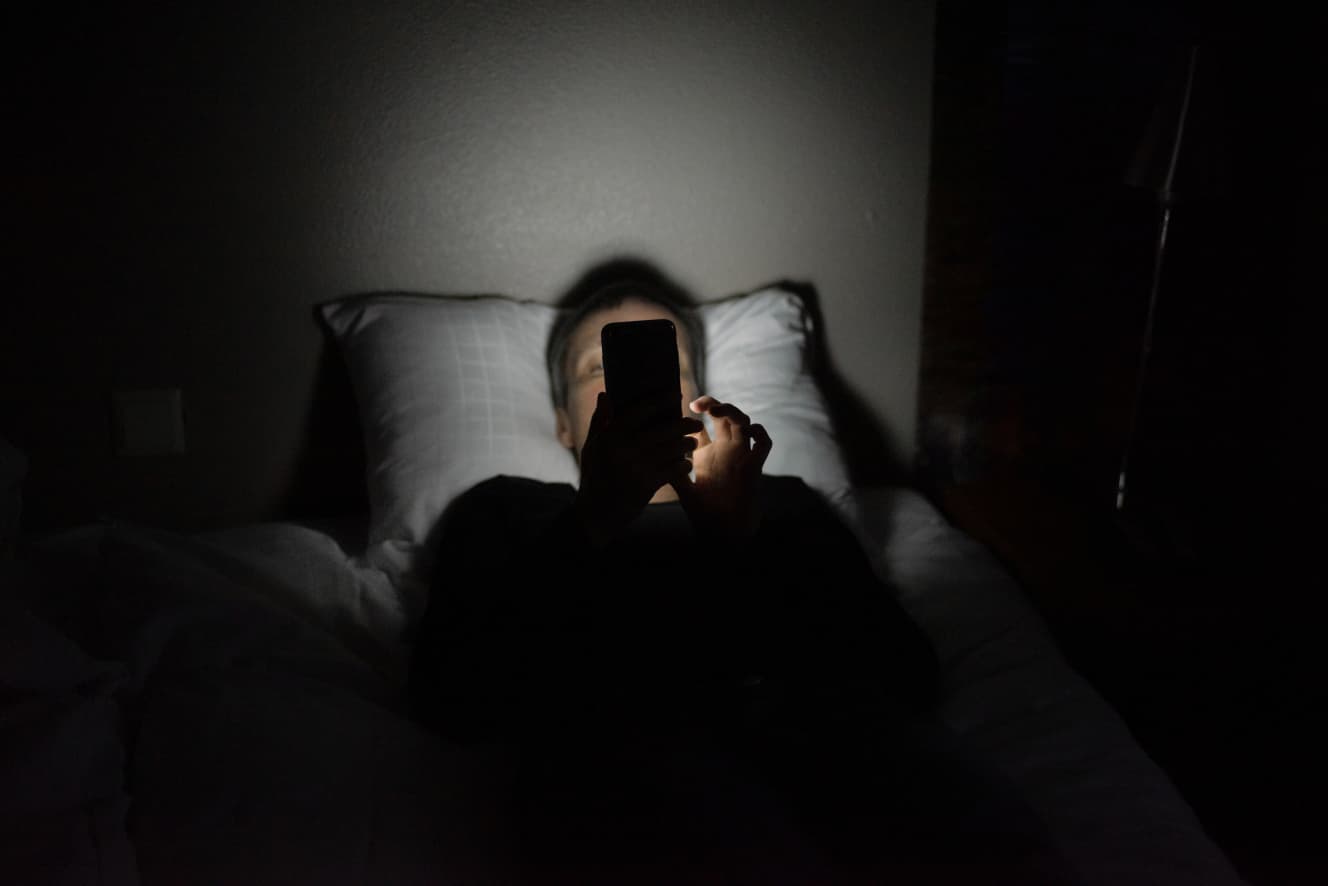
Using AI to Sort Through Emotional Turmoil
On the other hand, he says that as a doctor, he finds it helpful when patients consult AI about their physical symptoms or concerns.
“One of the benefits is that it allows me to understand the patient’s true feelings—things they might find difficult to share with a doctor. Medications for mental disorders can sometimes cause severe side effects. For example, many people consult the AI before telling their doctor about concerns such as weight gain or drowsiness caused by side effects. Even if they can’t say it directly, I sometimes notice these issues when they show me their chat history.”
Another strength is that even when patients can’t immediately consult a psychiatrist or psychosomatic medicine specialist, AI allows them to vent their emotional turmoil 24 hours a day, 365 days a year.
Furthermore, if used effectively, AI can help clear away the stress and mental fog you feel on a daily basis, contributing to the maintenance of your mental health.
“I recommend using it to take stock of your thoughts or organize the tasks piling up in your head.Before going to bed at night, enter the events of the day, your feelings, and tomorrow’s tasks into the AI and instruct it to ‘summarize this clearly.’ Unloading the mental load at the end of the day helps bring closure to your emotions. Once you’ve organized your thoughts, end the conversation and get some rest.”
When something unpleasant happens and you’re feeling unsettled, another approach is to use AI to name your emotions.
“Naming your emotions—such as ‘sad’ or ‘frustrated’—is called ‘emotional labeling.’Studies have shown that this can reduce activity in the brain regions associated with emotions like anxiety and fear. Try asking the AI, ‘Something happened that’s leaving me feeling unsettled. Please list the emotions I might be feeling.’ By choosing the phrase that resonates with you—such as ‘I was feeling sad’—from the suggestions provided, you can gain insight into your own feelings.”
For people who tend to get depressed, asking AI to separate “facts from interpretations” can also be effective.
“A common trait among people prone to feeling down is adding their own interpretation to actual events and interpreting them in a negative light. Try instructing the AI, ‘This happened today and it made me feel bad. Separate the facts from my interpretation,’ and then ask, ‘Can you offer a different interpretation?’ The AI will present a perspective different from your own, helping you become aware of your tendency toward negative interpretations.”
For business professionals, AI has become such a commonplace part of daily life that there’s hardly a day that goes by without interacting with it. However, simply because AI helps streamline work doesn’t mean you should cram in even more tasks—doing so can lead to accumulated physical and mental fatigue.
“If using AI allows you to finish work early, please don’t fill that free time with more work. Allocate that time to sleep or spending time with family, and make a conscious effort to ‘use AI to take a break.’”
Maintaining mental health is a major challenge for working professionals. Maintaining a healthy balance with AI and using it wisely is the mindset needed in the AI era.
*The examples in this article have been significantly restructured based on multiple cases to ensure clarity.
▼ Shunsuke Kagaya: Psychiatrist. Director of the “Asu to Nagamachi Psychosomatic Clinic” in Sendai City, Miyagi Prefecture.He treats a wide range of conditions—including depression, adjustment disorders, anxiety disorders, bipolar disorder, neurodevelopmental disorders (ADHD and ASD), dementia, and schizophrenia—in patients ranging from adolescents to adults and the elderly. He also provides home visits. As a “psychiatrist reflecting on mental health in the AI era,” he shares insights on AI, mental health, fatigue, and sleep via social media and other media outlets.On the audio platform Voicy, he hosts the daily podcast “A Psychiatrist’s Radio for the Mind” under the pseudonym “kagshun” (43,000 followers). His published works include *How to Rest an Exhausted Brain and Mind: Advice from a Psychiatrist* (Fusosha) and others.
Reporting and Text: Yoko Kenmochi
Editor and writer. Born in Yamagata Prefecture in 1983. After working for 10 years in the editorial department of a health information magazine, where she was involved in editing monthly magazines and web media, she became a freelancer. She currently conducts interviews with doctors and experts, develops content, and writes articles, focusing primarily on the healthcare and medical fields.
PHOTO: Afro (2nd photo)