An Interview with Crime Journalist Taihei Ogawa! “The pouch burst… Yikes… Is this a dream…?” The Reality of Life with a Colostomy


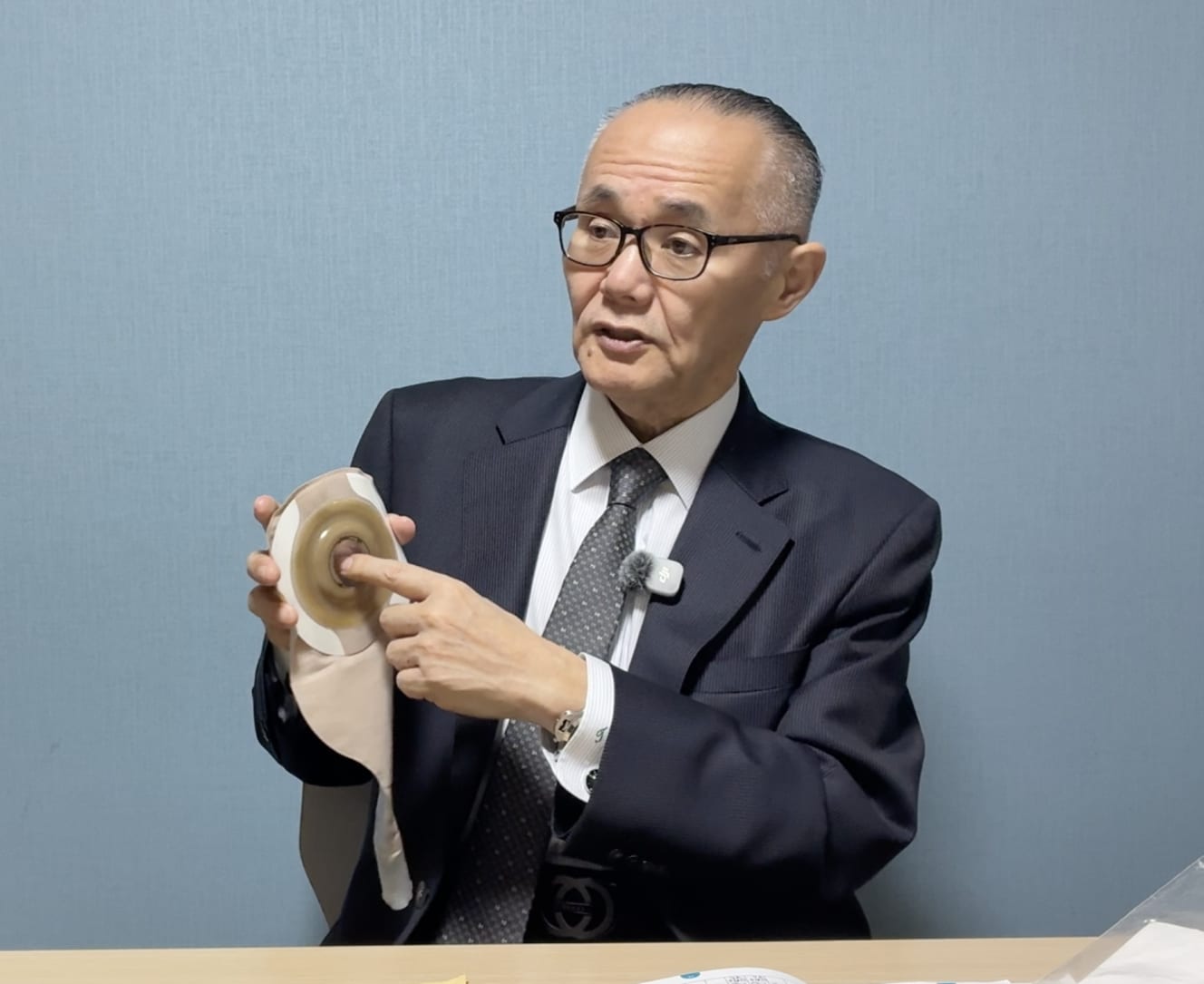
Ideally, I’d like to use a “multi-purpose restroom,” but…
“At night, while I’m sleeping, I have dreams where my stoma pouch—the special bag that collects and stores feces and gas—bursts.Every time, I’m startled—‘Ah!’—and jump out of bed, only to realize, ‘It was just a dream…’ When I told my doctor about this, he said it’s a ‘common experience among patients.’ That’s how much stress everyone feels about their stoma.”
It has been three months since crime journalist Taihei Ogawa (65) underwent surgery to remove colon cancer. He began chemotherapy on October 1, but due to severe side effects that caused him to rapidly lose his physical strength—and based on his doctor’s judgment—he discontinued the treatment at the end of October.
* In a video posted on November 7 on the YouTube channel “FRIDAY TV,” he speaks in detail about his condition during chemotherapy.
After stopping the chemotherapy, his physical strength recovered rapidly. He also resumed his YouTube channel, “Tahei Ogawa’s Case Analysis Room,” which had been on hiatus. However, that doesn’t mean his concerns have disappeared. The issue is the stoma (artificial anus) he had fitted after surgery to facilitate bowel movements.
“I’ve gotten used to it quite a bit lately, but it’s still stressful,”
That’s just one example. He describes the struggles that only ostomates can understand as follows:
“While I was on chemotherapy, I couldn’t eat or speak, so I just had to sleep. But because I have a stoma, I can’t lie down. When I lie down, I worry about the stoma… I have to worry about both the chemotherapy and the stoma. That was really tough.
Even so, I do doze off from time to time. It’s only for about 10 minutes, but when I wake up, the first thing I worry about is whether the pouch has leaked. Since I haven’t eaten anything, there shouldn’t be any stool to begin with. But I still worry. I just can’t help but think about it.”
I also have this worry.
“When I have to go out, I try as much as possible not to eat beforehand. Even so, I still have bowel movements. They build up in the pouch. I use the restrooms at the facilities I visit, but ideally, I’d like to use the ‘accessible restroom.’
But since I look like a normal, healthy-looking man, to be honest, it’s hard for me to go in there. So, I end up flushing my stool in the regular restroom. I hate doing that, too, so now I hardly eat anything before going out.
Just like with chemotherapy, unless you’ve had a stoma yourself or have a family member who has, you’ll never truly understand that stress. But I want many people to know that this is by no means someone else’s problem.”
According to an announcement (December 24, ’25) by the “Cancer Information Service,” an information site operated by the National Cancer Center Research and Development Corporation, the projected number of cancer deaths last year for colorectal cancer was 56,000, ranking second only to lung cancer.Broken down by gender, colorectal cancer ranked second among men (29,600) after lung cancer, and first among women (26,400).
As Mr. Ogawa says, we must keep firmly in mind that this is by no means someone else’s problem.
[YouTube] On “FRIDAY TV,” crime journalist Taihei Ogawa provides a more detailed explanation of what it’s like to live with a stoma (artificial anus).