A Narrow Escape from Disaster… Man Arrested for Throwing a Shopping Cart onto Railroad Tracks: The “Bleak Future” Brought on by “Drunkenness”


Regarding the shopping cart he took without permission…
November 5, 7:30 a.m. Amid a steady drizzle, the suspects appeared at the Tokyo Metropolitan Police Department’s Itabashi Police Station to board a bus bound for the Tokyo District Public Prosecutors Office.Third from the front was Kenta Otaka (34), a laborer from Nakano Ward, Tokyo, with streaked blond hair. He walked while covering his face first with his right hand, then with his left. Was he ashamed of his utterly foolish crime?
Suspect Otaka had been arrested on November 2 on charges of endangering train traffic and obstruction of business by force.
“Around 10:45 p.m. on February 22 of this year, he is suspected of throwing a shopping cart—which he had taken without permission from a nearby supermarket—onto the tracks at a railroad crossing near Oyama Station on the Tobu Tojo Line in Itabashi Ward, Tokyo, and leaving it there, thereby causing a train to stop and disrupting service.”
During questioning, Mr. Otaka reportedly admitted to the charges, stating, ‘It’s vague, but I remember throwing the cart in,’ and ‘I might have been drunk at the time.’
The driver of a local train preparing to depart from Ōyama Station toward Ikebukuro noticed the cart on the tracks, preventing an accident, but the train was delayed by three minutes while safety checks were conducted.”
The level crossing where the incident occurred is located on the side of Oyama Station heading toward Ikebukuro and was close enough to be visible from the platform, so it appears the train driver of the train stopped at the station could see the shopping cart inside the crossing. However, if this had been a train passing through Oyama Station, there is a possibility it could have collided with the cart without noticing it.
You may also face a claim for damages
Accidents caused by bicycles left on the tracks or stones placed on the tracks are frequently reported.On October 20, a local train collided with a bicycle left on the tracks near a railroad crossing on the JR Nippo Line in Kitakyushu City, Fukuoka Prefecture. Although none of the approximately 150 passengers were injured, 12 limited-express and local trains were suspended, affecting about 12,000 passengers.
Although there were no casualties in this accident, in 2016, an accident occurred on the Seibu Ikebukuro Line in Toshima Ward, Tokyo, in which a bicycle that had been struck by a train and sent flying struck and killed a man standing at a railroad crossing.
The Seibu Line accident reportedly occurred when a man who had fallen off his bicycle while riding through the crossing left the bicycle behind and fled as the crossing gates came down. However, there are also many people who leave bicycles on the tracks or place rocks there as a prank.While most may not intend to derail a train, the consequences of their actions appear to be quite serious. Koichiro Matsui, an attorney at Atom Law Office, explains.
“The crime of endangering train traffic is defined as creating a situation—such as placing an object on the tracks—that could lead to a serious accident, such as a train derailment or collision. According to case law, the crime can be established if there is even a ‘possibility’ that an accident could occur.
The statutory penalty is ‘imprisonment for a term of two years or more.’ Since there is no provision for a fine, if charges are filed, the case will proceed to a formal trial. Furthermore, if a train actually overturns or is destroyed, the offense becomes even more serious; if a death occurs, it may be punishable by the death penalty or life imprisonment.”
Furthermore, there is a possibility that the railway company may seek compensation for damages incurred due to the accident or delays.
“It is entirely legally possible for a railway company to seek damages. Items subject to claims may include labor costs associated with service suspensions, expenses for safety inspections and cleanup operations, and equipment repair costs. However, railway companies often do not disclose whether they have filed a claim or the amount involved, and cases actually proceeding to trial are relatively rare.
Even in cases like this one, where there was no collision and the delay was limited to about three minutes, as long as the act was intentional, it could still be subject to a claim for damages.”
An act committed while “possibly intoxicated” could drastically alter the course of one’s life.
*“FRIDAY Digital” welcomes information and tips from our readers. Please submit information via the form below or through our official X account.
Tip-off Form: https://friday.kodansha.co.jp/tips
Official X: https://x.com/FRIDAY_twit

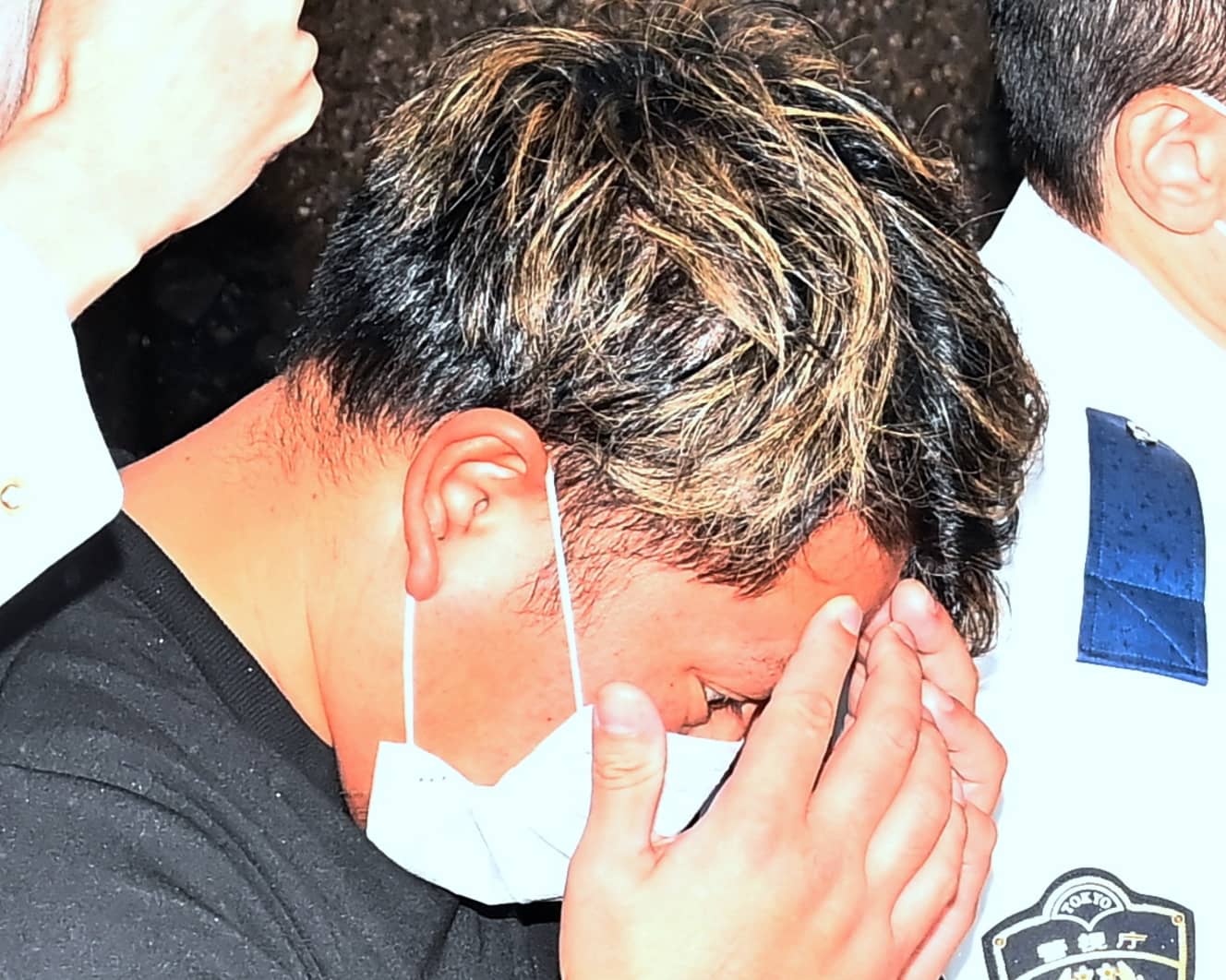

PHOTO: Shinji Hasuo