Is the Secret to Aoyama Gakuin University’s Ekiden Success in the Gut? The Truth Behind “Endurance Bacteria” and “Weight-Loss Bacteria”—Even Kincon’s Nishino Is Taking Notice


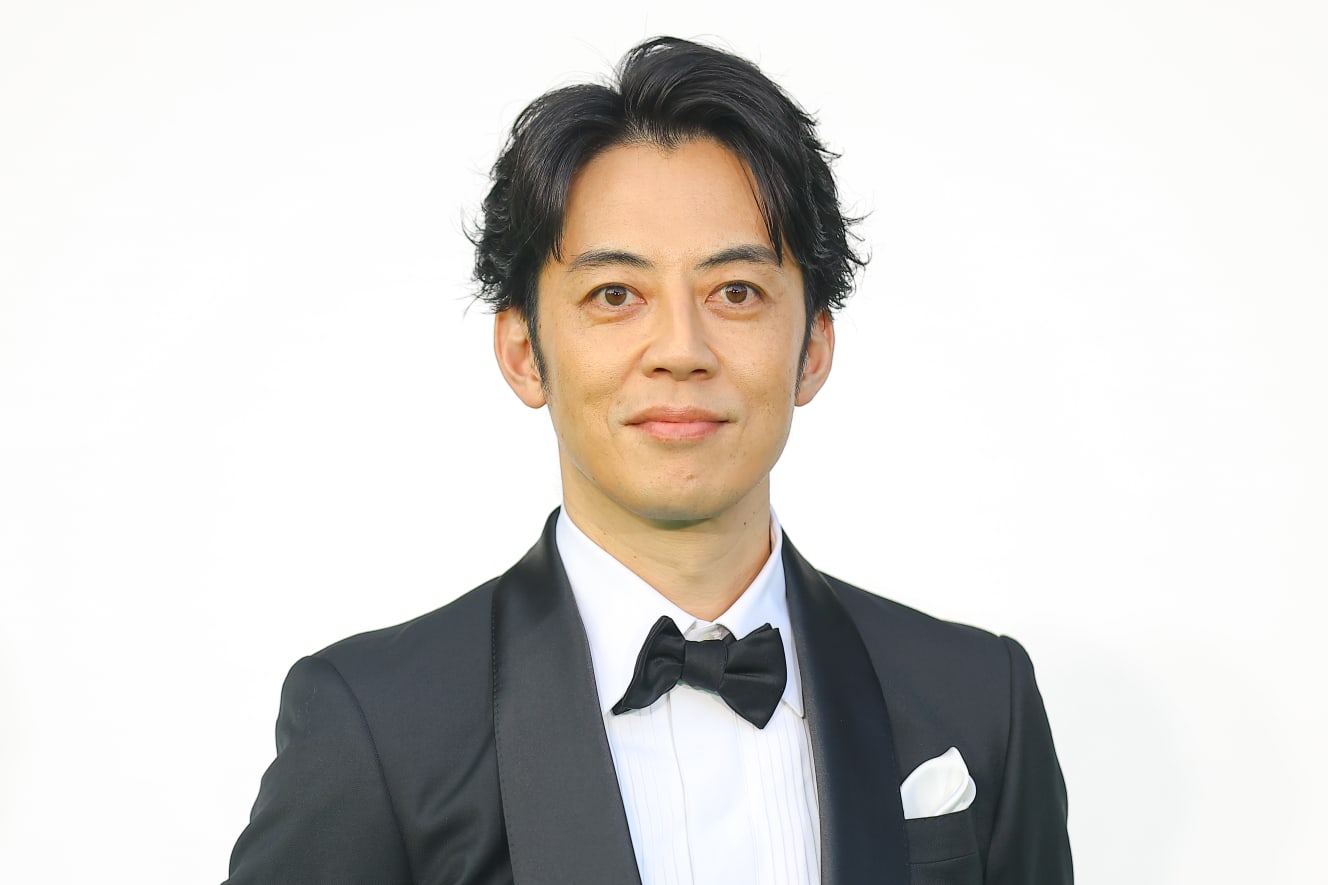
Now that the term “gut health” has become a familiar part of everyday life, a new focus is emerging on how to make the most of the “bacteria” residing in each person’s gut.On an August episode of “Guruguru Ninety-Nine” (Nippon TV), King Kong’s Akihiro Nishino sparked a buzz when he said, “If you want to lose weight, just increase your ‘slimming bacteria,’” and “(After checking), I found I had more ‘endurance bacteria’ than other people.”
Do “slimming bacteria” and “endurance bacteria” really exist? And how can we increase their numbers?
We asked Shinji Fukuda, a Specially Appointed Professor at Keio University’s Institute for Advanced Biosciences and President and CEO of Metagen, who has been involved in gut microbiome research for over 25 years.
What Are the “Endurance Bacteria” Commonly Found in Ekiden Runners?
When asked about the “weight-loss bacteria” and “endurance bacteria” mentioned by Nishino, Professor Fukuda began by saying:
“Actually, we were the ones who conducted the research on these ‘endurance bacteria.’”
It all began with the hypothesis that the secret to ekiden runners’ speed might lie in their gut. Mr. Fukuda’s research team visited Coach Hara of the Aoyama Gakuin University Track and Field Club and requested permission to analyze the gut bacteria of 48 long-distance runners; they published their findings in 2023.
“We collected stool samples from the athletes and analyzed the gut bacteria they contained. We found that the faster an athlete’s 3,000-meter time was, the higher the concentration of a gut bacterium called Bacteroides uniformis.However, since this alone wasn’t enough to conclude that this bacterium was the factor behind their speed, we next conducted animal experiments using mice,” said Shinji Fukuda (hereinafter the same).
When we conducted an experiment measuring endurance in two groups—one that was given this bacterium and one that was not—we found that the group that received it had approximately twice the endurance.
We wanted to verify this in humans next, but under Japanese regulations, while bacteria that have been commonly consumed—such as natto bacteria and lactic acid bacteria (bacteria with a history of human consumption)—can be ingested directly, bacteria found in the gut, such as Bacteroides uniformis, are not naturally present in food. Therefore, we had to begin with safety tests.
“So we changed our approach and decided to have participants ingest α-cyclodextrin, a type of oligosaccharide that serves as food for these gut bacteria. This substance is produced from starch using enzymes and is also sold as a dietary supplement.”
We conducted an 8-week trial involving Japanese men in their 20s to 40s who exercised about once a week, dividing them into a group that took this ingredient and a group that took a placebo (a dummy pill containing no active ingredient).“We then measured the time it took to cycle 10 km on an exercise bike and assessed their level of fatigue immediately after 50 minutes of exercise.”
As a result, the group that took α-cyclodextrin reduced their 10-kilometer cycling time by about 10 percent compared to before taking the supplement. Furthermore, their feelings of fatigue immediately after the 50-minute exercise were significantly reduced compared to before taking the supplement.
“The key was a compound produced by gut bacteria. As Bacteroides uniformis feeds on α-cyclodextrin and multiplies, it produces propionic acid, a short-chain fatty acid.When this is absorbed from the gut and reaches the liver, it facilitates the production of glucose, which serves as an energy source. In other words, it was as if the Aoyama Gakuin athletes were entering the race with a reserve of energy stored in their stomachs.”
So, what about people who don’t exercise at all on a regular basis?
“Theoretically, I think it’s entirely possible that people who don’t exercise regularly could experience the same benefits. However, further research is needed to determine how this actually plays out.”

The Truth Behind the “Slimming Bacteria” Mentioned by Nishino
Next, we asked about “slimming bacteria.” Do the bacteria Nishino describes actually exist?
“The bacteria referred to as ‘slimming bacteria’ mainly refer to three types: Christensenella, Akkermansia, and Blautia. They have garnered attention as bacteria found in greater abundance in lean individuals compared to overweight individuals.”
However, as of now, the effect of these three types of bacteria in making it harder to gain weight has only been confirmed in animal experiments. Regarding humans, while there are observational studies suggesting that “people with higher levels of these bacteria tend to be slimmer,” further verification is needed to establish a causal relationship—specifically, whether consuming these bacteria actually makes it harder to gain weight.
“In animal experiments using mice, the mice were divided into a group that consumed these bacteria and a group that did not. Both groups were fed a high-fat diet for about eight weeks, and their body weight and blood sugar levels were monitored. The results showed that the group that consumed the bacteria was less prone to weight gain.So, strictly speaking, they are not ‘bacteria that make you lose weight,’ but rather ‘bacteria that make it harder to gain weight.’”
We are gradually gaining a better understanding of the mechanisms by which gut bacteria influence weight gain and loss. One such mechanism is the gut’s barrier function.
The human body has a single passageway running from the mouth to the anus, and the inside of the gut is, in fact, considered part of the external environment. The layer of intestinal epithelial cells covering this surface acts as a barrier between the body’s interior and the external environment.
“When the intestinal barrier function breaks down, various substances that normally wouldn’t enter the body can pass from the gut into the body. As a result, inflammation can occur in fat cells, for example, making it easier to gain weight.On the other hand, it has been found that ‘short-chain fatty acids’ produced by gut bacteria not only improve this intestinal barrier function but also stimulate the production of GLP-1—a hormone that suppresses appetite—from the gut’s endocrine cells.”
In other words, rather than referring to specific bacteria as “slimming bacteria,” it is the “short-chain fatty acids” produced by gut bacteria in general that have been scientifically confirmed as the key to building a body that is less prone to weight gain.
An Era Where “Poop” Donations Save Lives from Incurable Diseases
Research on gut bacteria is more advanced than we might imagine. In recent years, efforts have begun not only to investigate the relationship between gut bacteria and disease but also to utilize gut bacteria from healthy individuals for medical purposes.
One such effort is “fecal transplantation (microbiota transplantation),” which involves transplanting gut bacteria found in the stool of healthy individuals.
The effectiveness of fecal transplantation first gained attention due to recurrent intestinal infections. A prime example is Clostridioides difficile infection, which can recur repeatedly even after treatment with antibiotics.
“The mechanism behind fecal transplantation is simple: by introducing a large number of beneficial bacteria into the gut, we create an environment where harmful bacteria find it difficult to multiply. To achieve this, we first use up the food sources of the harmful bacteria, making it harder for them to proliferate in the gut.”
In the United States, ’
Meanwhile, Mr. Fukuda and his team are focusing on fecal transplants for ulcerative colitis. It is estimated that there are more than 300,000 patients with ulcerative colitis in Japan.
“Since ’23, led by Juntendo University and in collaboration with Metagen Therapeutics, we have been performing fecal transplants under the national ‘Advanced Medical Care B’ program. In 37 cases, the remission rate (a state where symptoms subside and the condition stabilizes) after 8 weeks was 45.9 percent.”
Incidentally, the remission rate for existing medications is said to be around 30 percent. Of course, one cannot simply compare the results of different trials, but this disparity in outcomes cannot be ignored.
However, securing a sufficient supply of stool poses a challenge to the widespread implementation of fecal transplants.
“It has become clear that stool from healthy people has the potential to save patients with intractable diseases. However, even though healthy people produce stool every day, it is simply flushed down the toilet. Therefore, with the aim of creating a culture of ‘stool donation’—similar to ‘blood donation’—we opened a stool donation facility.The compensation for each donation is a gift card worth up to 5,000 yen.”
Not just any stool can be used for fecal transplants. According to Mr. Fukuda, even among healthy people, only about five out of every 100 pass the screening process.
“Offering a contribution incentive even to people who aren’t interested in health could broaden our reach. If this ultimately encourages them to pay attention to their gut environment, they’ll produce better stool, which I believe will ultimately lead to better health for them.”
However, fecal transplants do not improve symptoms in every patient.
“There are various possible reasons for this, but one is that the transplanted gut bacteria did not colonize the patient’s intestines. So, how can we ensure they colonize? That’s where diet becomes crucial.”

Yogurt Bacteria Don’t Take Root!?
In fecal microbiota transplantation, the challenge lies in how to ensure the transplanted gut bacteria take root. It is said that diet holds the key to this. So, to what extent can we control our gut environment through our daily diet?
“The gut flora (community of gut bacteria) in healthy people is stable and doesn’t change easily. This is because bacteria that enter the gut don’t necessarily manage to establish themselves there. Since bacteria in the gut are pushed out along with stool, they cannot remain in the gut unless they continue to multiply at a rate faster than they are expelled.”
It’s like constantly running on a treadmill—and there are thousands of them lined up. Any bacteria that fall behind are expelled as feces. In other words, the only bacteria currently in your gut are the ‘elite’ ones that have adapted to the conditions in your stomach.”
Many people make it a daily habit to eat yogurt and other fermented foods. How long do the bacteria in these foods actually remain in the gut?
“If you keep eating them every day, you can create a state where those bacteria are present in your gut, but if you stop eating them, they’ll disappear immediately.”
Bacteria introduced from outside don’t tend to stick around… So, what determines the composition of gut bacteria? It’s said that gut bacteria vary by country, but is this due to racial differences, such as between Japanese and Westerners?
“We know there are country-specific characteristics, but it has become clear that these are due to dietary habits and food culture, not race. In other words, it comes down to the differences in the food that reaches the gut bacteria.For example, if a Japanese person lives in the United States for two or three years, their gut microbiota may come to resemble that of an American. This is because they adopt local dietary habits—such as frequently eating hamburgers and steaks, which they didn’t eat much in Japan.”
The gut is home to an “elite” group of gut bacteria that have adapted to the range of a person’s usual diet, so the trigger for change occurs when their diet goes beyond that usual range. If a vegetarian suddenly starts eating meat, or if someone is transferred to Africa and begins eating local foods, their gut microbiome changes dramatically.
Controlling the gut environment involves providing gut bacteria with the right food (
Recently, subscription services have emerged that allow users to have their gut environment tested and receive personalized food and beverage recommendations. The concept that Mr. Fukuda and his team call “Gut-Design Diet” aims to apply these dietary effects to fecal transplants.The idea is to enhance the effectiveness of fecal transplants by combining them with a diet that helps the transplanted gut bacteria establish themselves more easily. Mr. Fukuda says that as this research progresses, the way people choose their diets will also change.
“While there is currently no market for ‘gut-designed diets,’ we know that gut bacteria are involved not only in physical health but also in mental health and brain function. Based on this, I believe we are entering an era where people will choose their diets with an eye toward how to manage their own gut bacteria.”
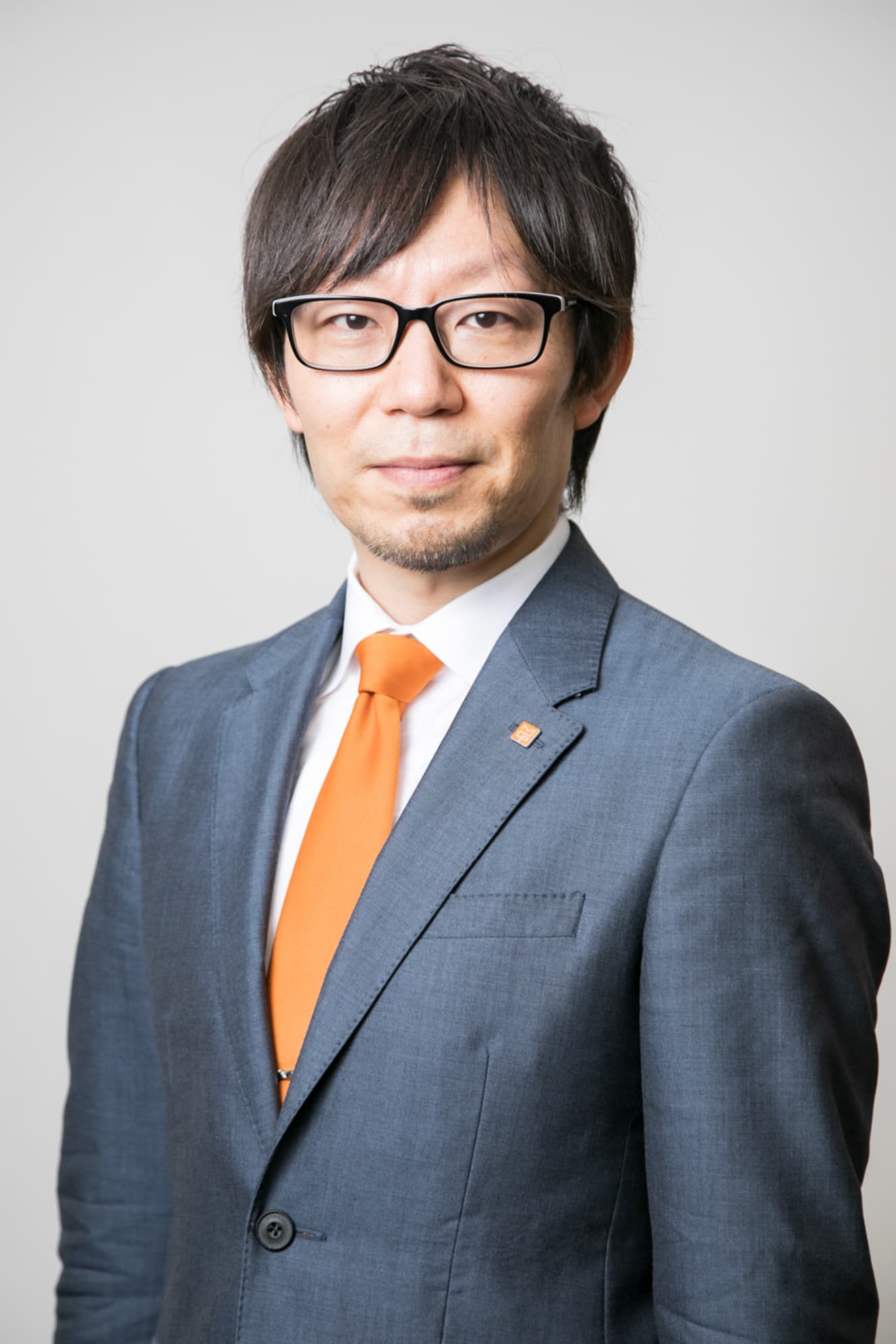
▼Shinji Fukuda, President and CEO of Metagen, Inc. / Specially Appointed Professor at the Institute for Advanced Biosciences, Keio University.After completing his doctoral program at the Graduate School of Agricultural Sciences, Meiji University, in 2006, he served as a Special Researcher in Basic Science at the RIKEN Institute, among other positions. He became a Specially Appointed Associate Professor at the Institute for Advanced Biosciences, Keio University, in 2012, and a Specially Appointed Professor there in 2019.He concurrently serves as a Specially Appointed Professor at the Graduate School of Medicine, Juntendo University; Representative Director of the Society for Gut Design; Representative Director of the Short-Chain Fatty Acid Promotion Association; and Representative Director of the Gut Environment Healthcare Association.In 2015, he won the Grand Prize at the Bioscience Grand Prix for his business plan “A Healthy Society Born from Feces,” founded Metagen, Inc., and assumed the position of Representative Director and CEO.In 2024, he was selected for the Forbes JAPAN 400 List of Entrepreneurs and named a Clarivate Highly Cited Researcher for 2024.
■ Click here for the official website of “Metagen Co., Ltd.”
Reporting & Text: Motoko Abe-gawa
Works as a freelance writer primarily for web media. She is also involved in the production of books and corporate PR magazines. Without a specific area of expertise, she covers a wide range of topics that pique her interest, including history, comedy, health, beauty, travel, food, and elder care.
PHOTO: Afro (Photos 1 and 3)