“Tumors and Hernias Left Untreated”… The Little-Known Reality of “Animal Neglect in Schools”
We can’t have children take care of them like in the old days, but teachers are overworked… As a result, the animals are in appalling conditions


The Background of Inappropriate Care
Animals are kept in schools with the aim of promoting children’s healthy emotional development. However, it is reported that in some schools, rather than being properly cared for, the animals are actually subjected to abuse, including neglect and violence—
Yukari Nishimoto of the private animal welfare organization “Small Animal Rescue” explains.
“Rabbits are the most common animals kept in schools, but they’re actually very difficult to care for.”
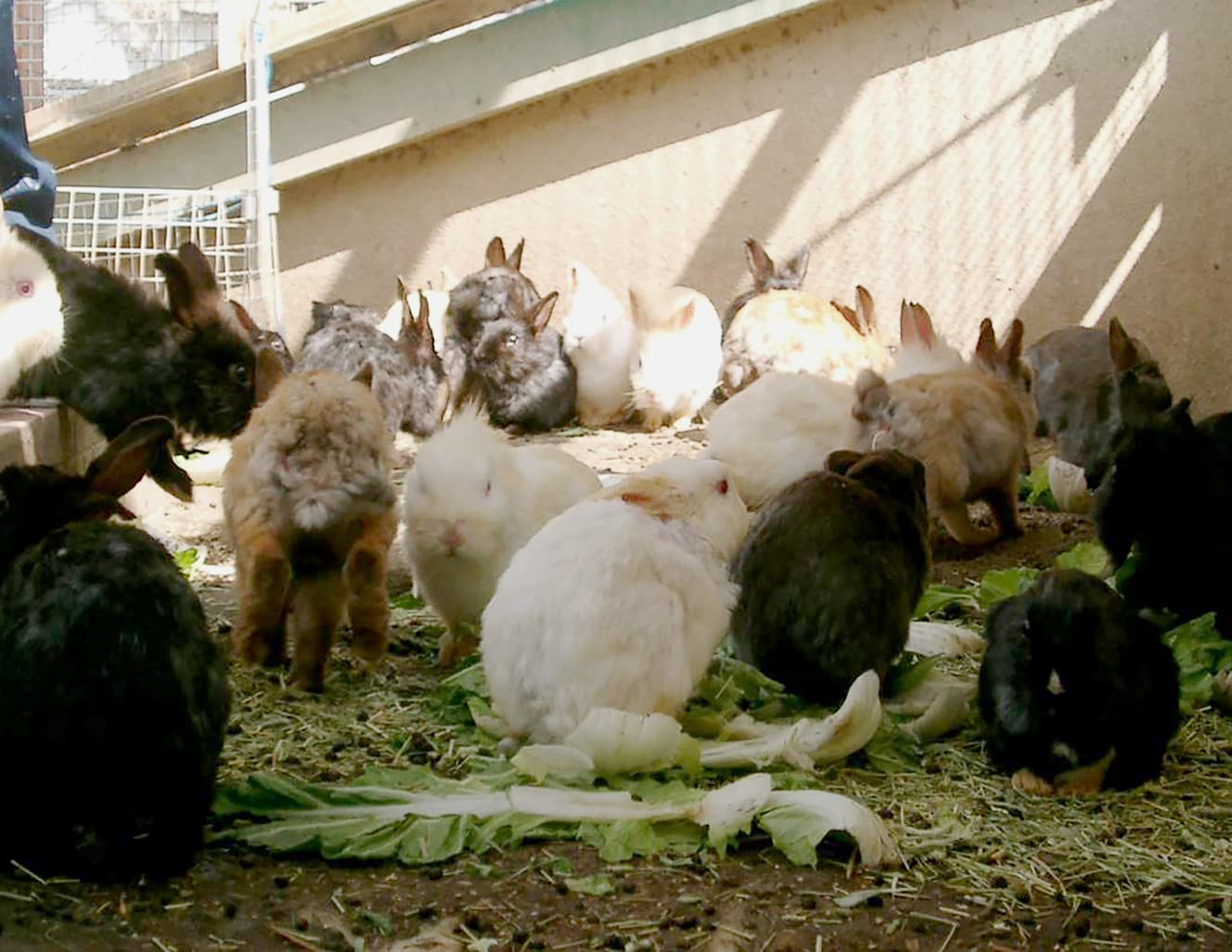
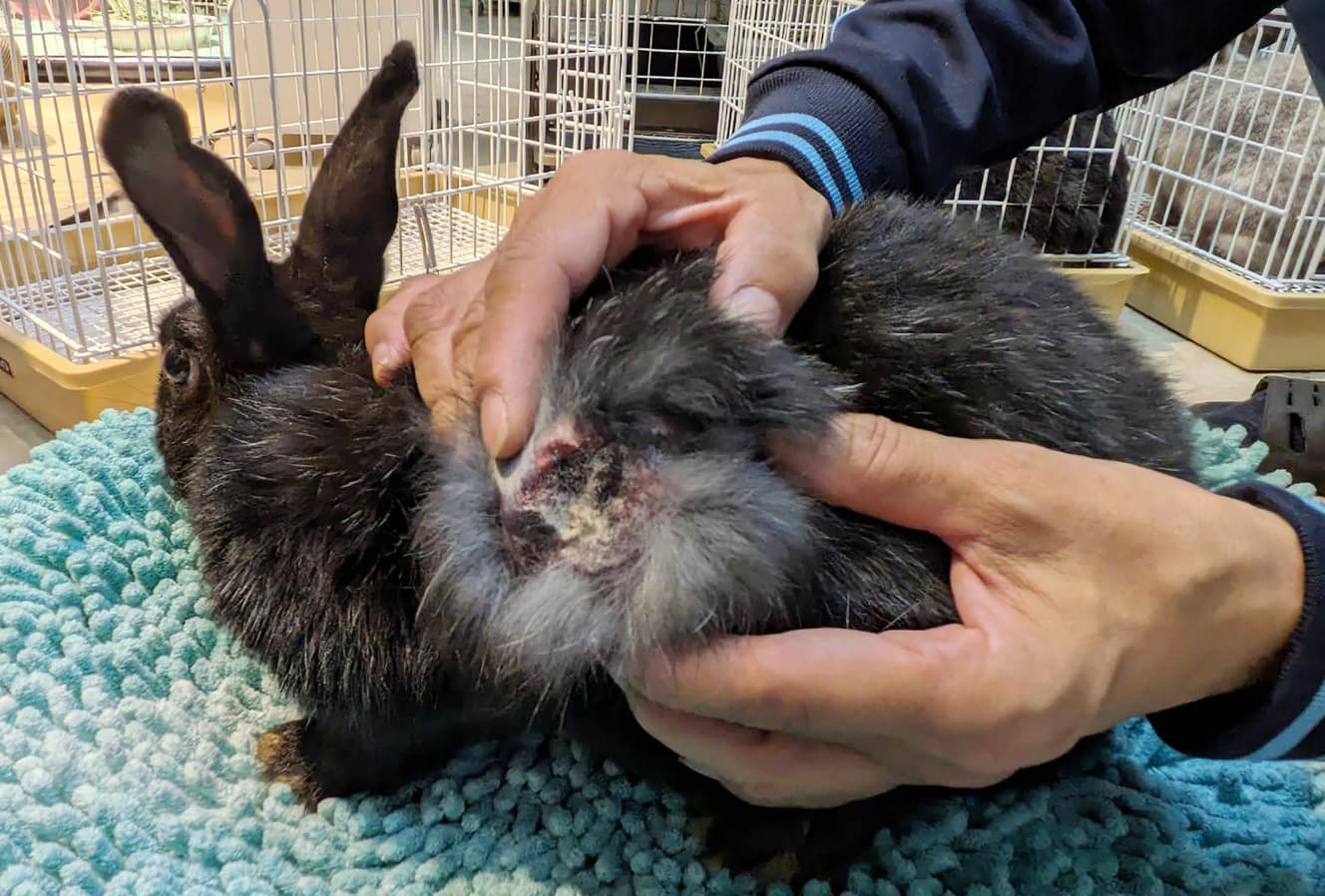
According to Ms. Nishimoto, 90 percent of female rabbits will develop uterine cancer unless they are spayed. Furthermore, since they can mate year-round and give birth to 6–8 kits per litter, it is easy for overpopulation to spiral out of control.If their teeth—which grow about 10 cm per year—are not properly worn down, they can even pierce the skin of their cheeks.
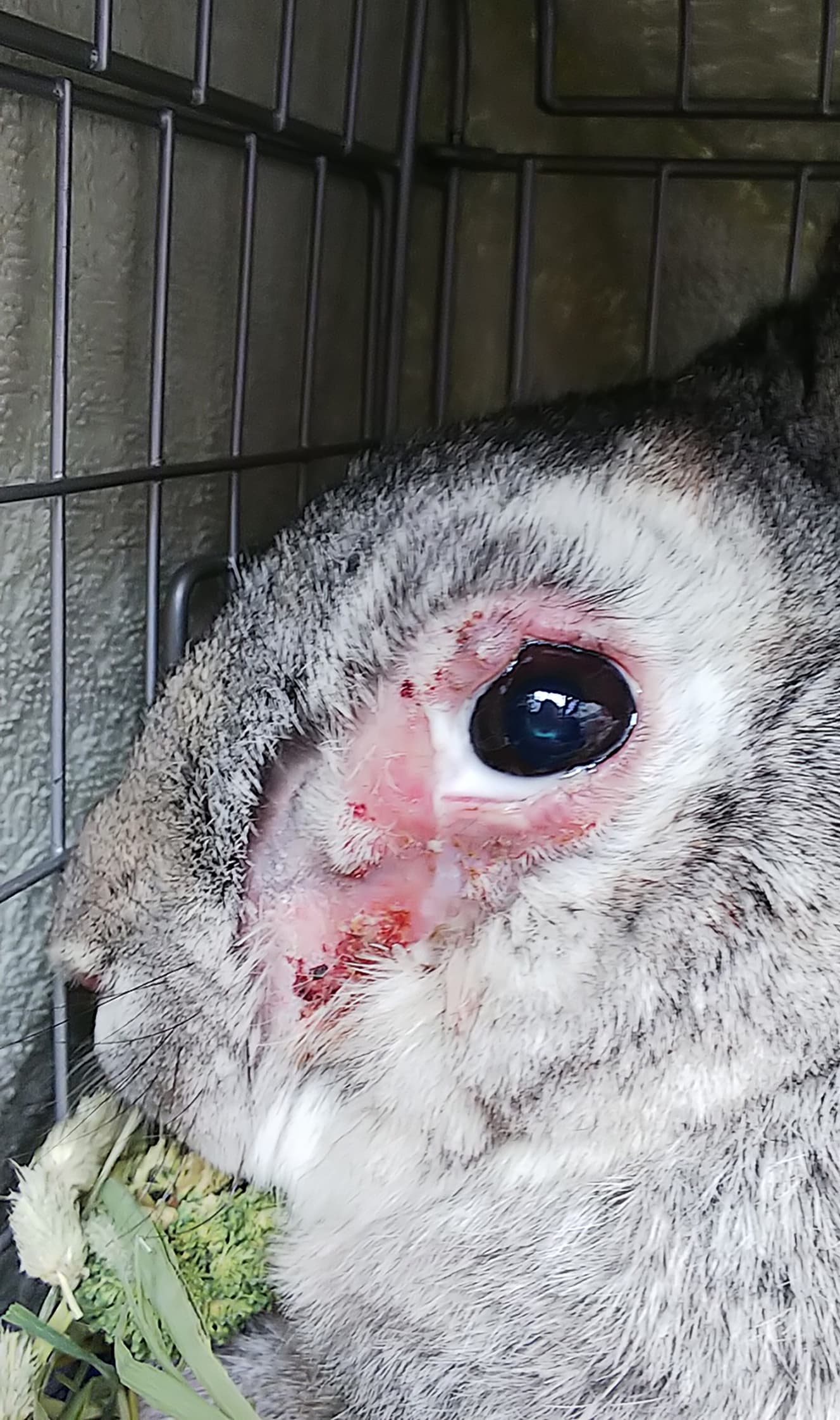
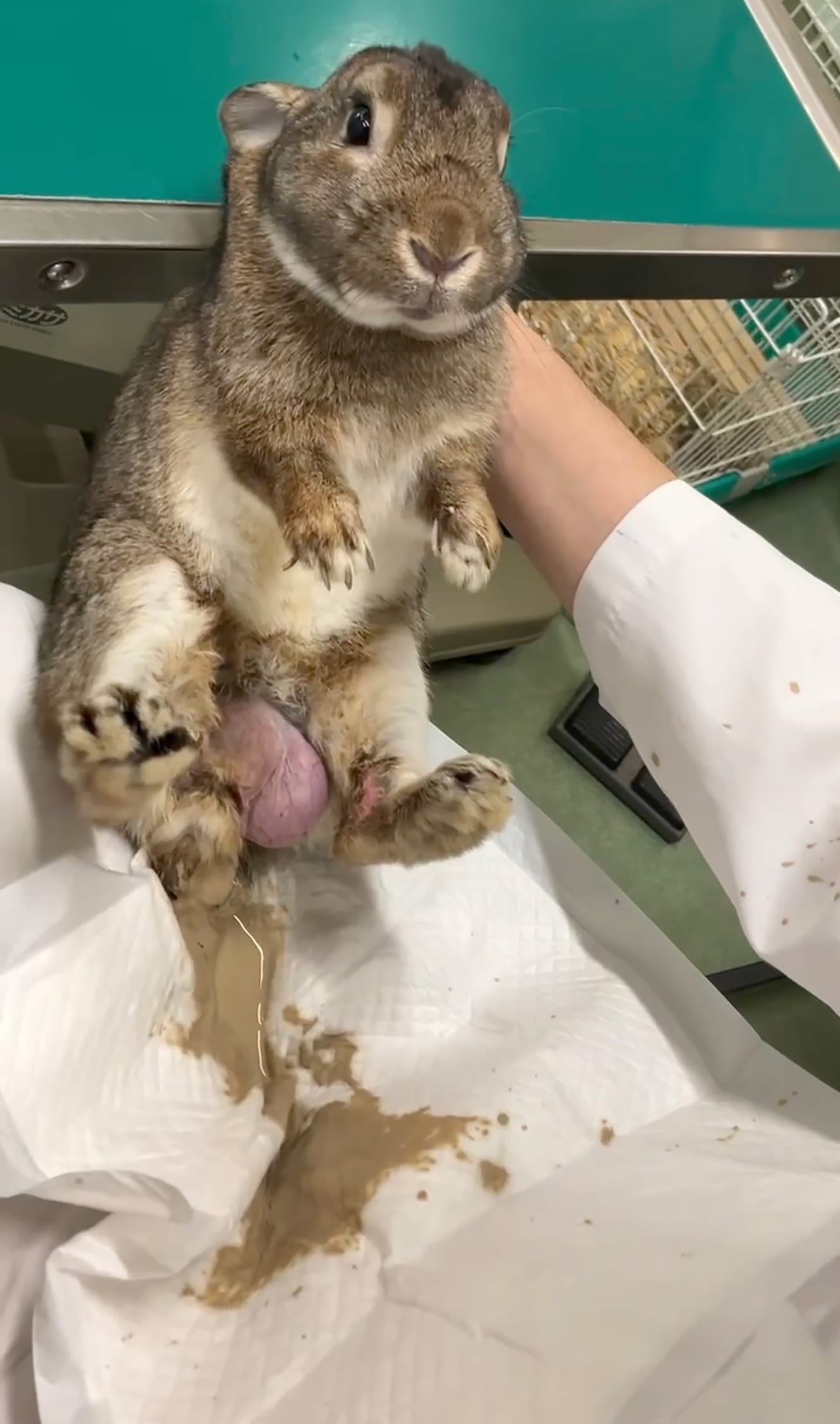
“On my visits to public elementary schools, I’ve found and rescued rabbits whose groins had swollen to the size of ping-pong balls due to testicular cancer, or who were unable to move because of hernias. One reason why problems frequently occur at schools is that teachers and students don’t know much about the rabbits’ biology,” said Mr. Nishimoto.
A common problem in rabbit care is neglect. Examples include rabbits being confined to unsanitary hutches covered in feces and urine, being left to suffer from heatstroke or hypothermia, or not being fed enough.Since rabbits produce hundreds of droppings a day, their living space can easily become filthy unless cleaned daily. Their optimal temperature for survival is 18–24°C, so if they’re kept in drafty hutches during extreme heat or cold, their health will suffer. Mr. Nishimoto continues:
“Aside from weekdays, neglect is more likely to occur on weekends and during long school breaks. Teachers today are not only too busy to handle pet care but are also prohibited from working on their days off. Children are increasingly busy with entrance exam preparation and numerous extracurricular activities, and there are more children with animal allergies, so they simply don’t have the time to care for pets as they did in the past.”
This is compounded by issues such as a general aversion to animals.
“Perhaps both adults and children are losing their inclination to care for animals. Whether it’s because they live in apartments and can’t keep pets, or because opportunities to interact with animals outdoors have decreased, many people feel aversion toward animals—let alone taking care of them,” he adds.
It’s hard to believe, but in urban areas where contact with animals has drastically decreased, there are reportedly some children who can’t tell the difference between a living creature and a robot. It’s entirely conceivable that they might treat pets harshly or even be violent toward them.
300,000 yen for uterine cancer treatment
There are also budgetary and healthcare system considerations.
“Medical care for rabbits isn’t cheap. Spaying costs between 50,000 and 80,000 yen, and treatment for uterine cancer can cost between 200,000 and 300,000 yen. Moreover, most veterinary clinics specialize in dogs and cats and aren’t necessarily skilled at treating rabbits,” (ibid.)
Medical expenses for school animals are generally covered by school budgets or the board of education. However, because these costs are funded by tax dollars, the application process is complicated and emergency care is often not available; as a result, principals and teachers sometimes pay out of their own pockets, or the PTA has to cover the costs from its budget.
Why, then, are rabbits—which are difficult to care for—being raised in schools across Japan?
“Rabbits don’t have vocal cords and can’t make a sound, which makes them convenient for schools. Since they don’t cry out even when they’re in pain or distress, they can be left alone, right? Plus, there are few complaints from neighbors. Conversely, that’s precisely why they’re vulnerable to abuse” (ibid.).
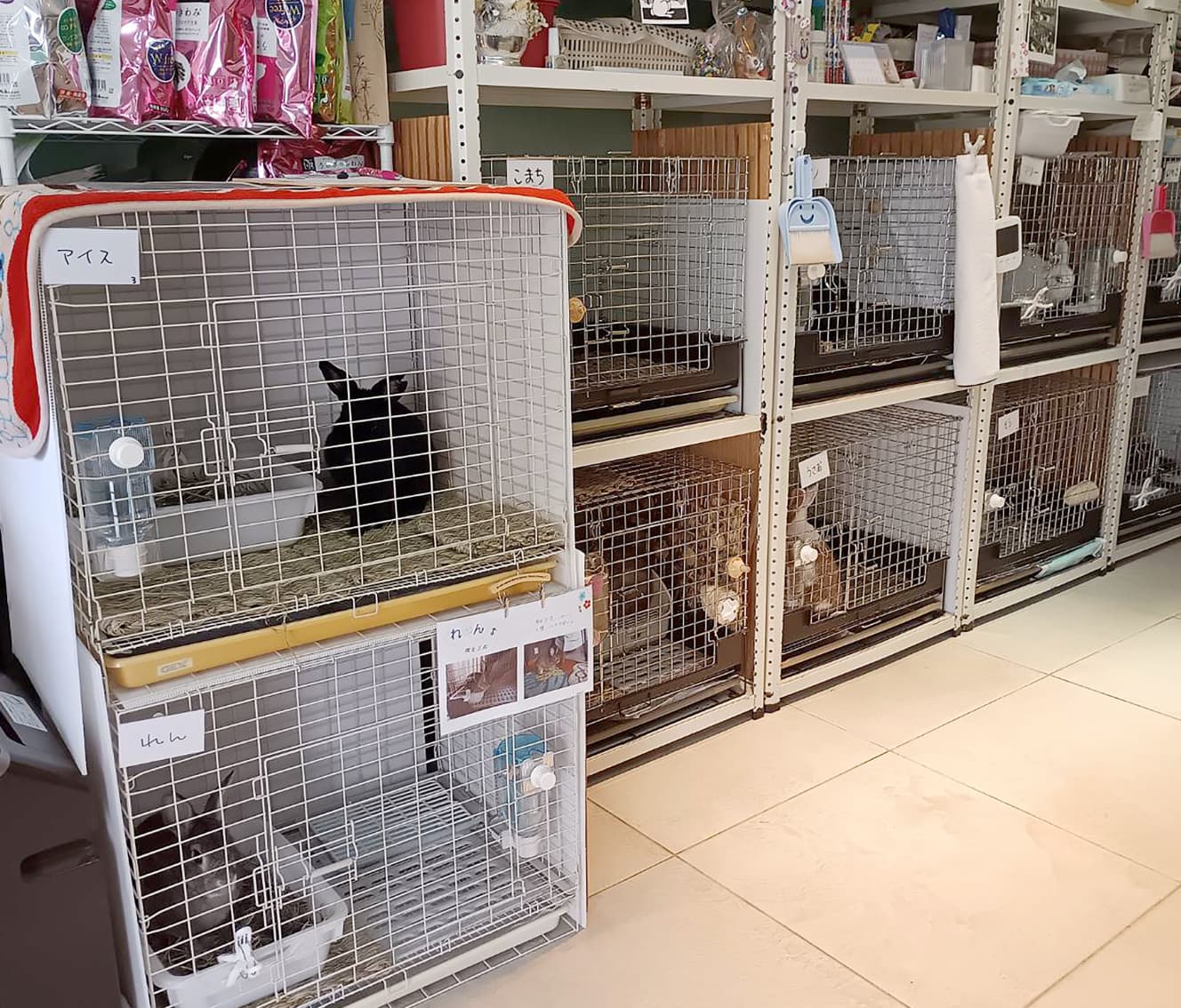
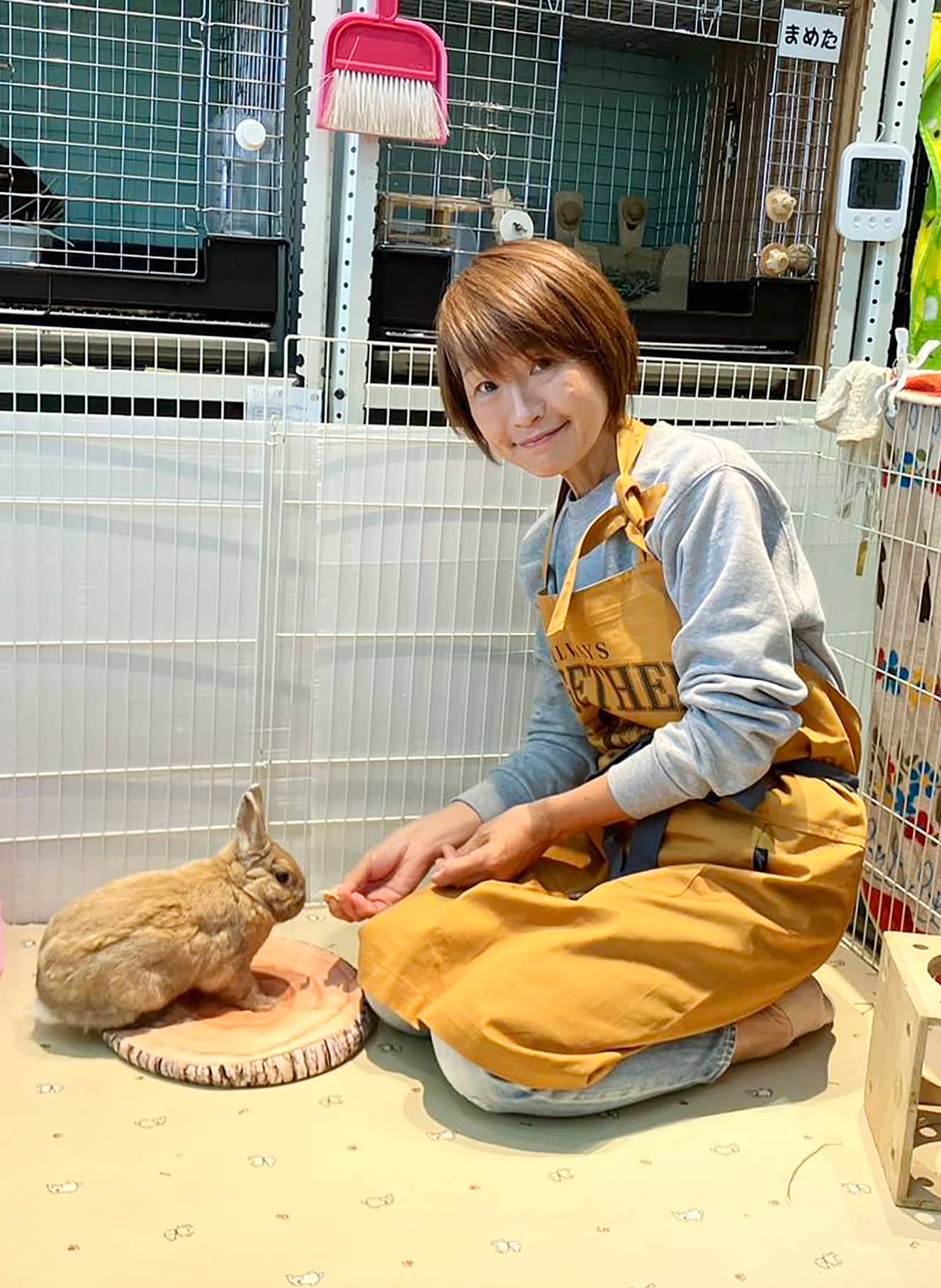
Since the animals themselves cannot cry out for help, it is up to those around them to notice. According to “Liberty,” a general incorporated association that has been promoting proper animal care, they often rescue school animals based on reports from the public.They receive inquiries from parents saying, “My child says the animal looks pitiful,” or from teachers saying, “I want to do something, but I don’t know what to do.” Atsuko Fujita, representative of “Liberty,” explains:
“We end up covering the medical expenses for the rescued animals. We fund this through donations and proceeds from merchandise sales, but there are limits to what we can do…
Once the rabbits recover, we look for adoptive homes for them. Whether we find one right away depends on the case.Some have been adopted within about two weeks, while others have taken as long as seven years. We’ve rescued about 200 animals so far, but our facility is currently nearly at full capacity with about 25 animals. Since we’ve reached our capacity limit, we’re unfortunately having to turn down rescue requests for now. We plan to resume our activities once we have some room in our capacity.”
In Western countries that prioritize animal welfare, instead of schools keeping animals on-site, NPOs are increasingly bringing animals to schools on a regular basis to give children opportunities to interact with them. Isn’t it time for Japan to reconsider how animals are kept in schools as well?
From the November 13 & 20, 2026, combined issue of “FRIDAY”
Reporting and Text: Kota Ishii (Nonfiction Writer) PHOTOS: Courtesy of “Small Animal Rescue” and “Liberty”