An Abandoned Building Left Untouched for 15 Years Becomes a Popular Café… The Reality of a Woman Who Made Her Dream Come True with a “Free Property” and an Investor Earning 600,000 Yen a Month


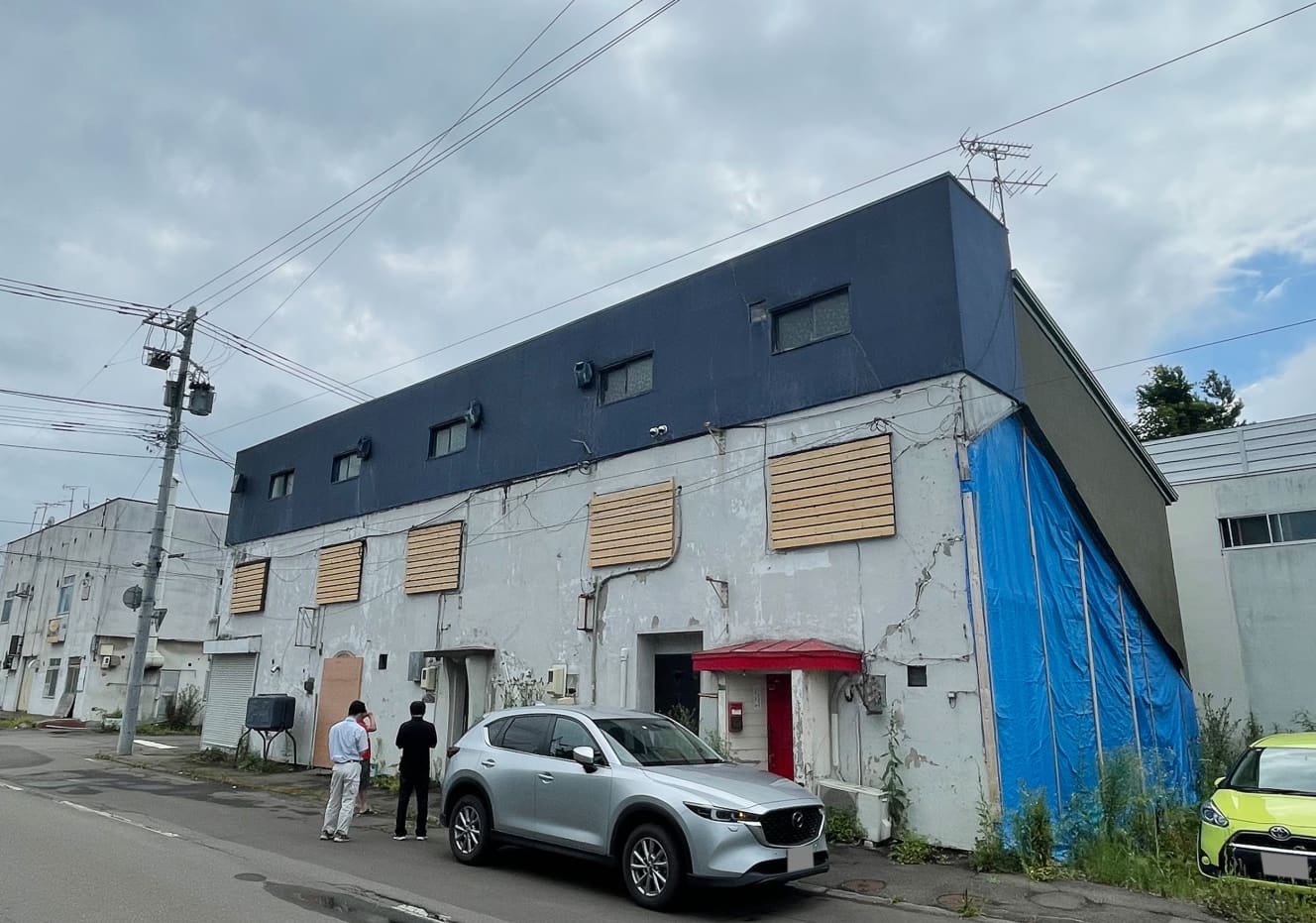
A Derelict Building Transformed into a Popular Café
Will a house acquired for free really turn out to be a “profitable property”?
“Minna no 0-Yen Bukkaku,” a platform that transfers vacant homes nationwide for free, attracts not only people looking to part with their homes due to inheritance but also those wanting to start cafes or guesthouses, as well as investors seeking rental income.
In fact, there’s a woman who revitalized an abandoned building that had been left untouched for 15 years into a popular café, while others rent out properties with almost no repairs and earn about 600,000 yen a month from multiple properties. However, just because it’s “0 yen” doesn’t mean everything comes for free.
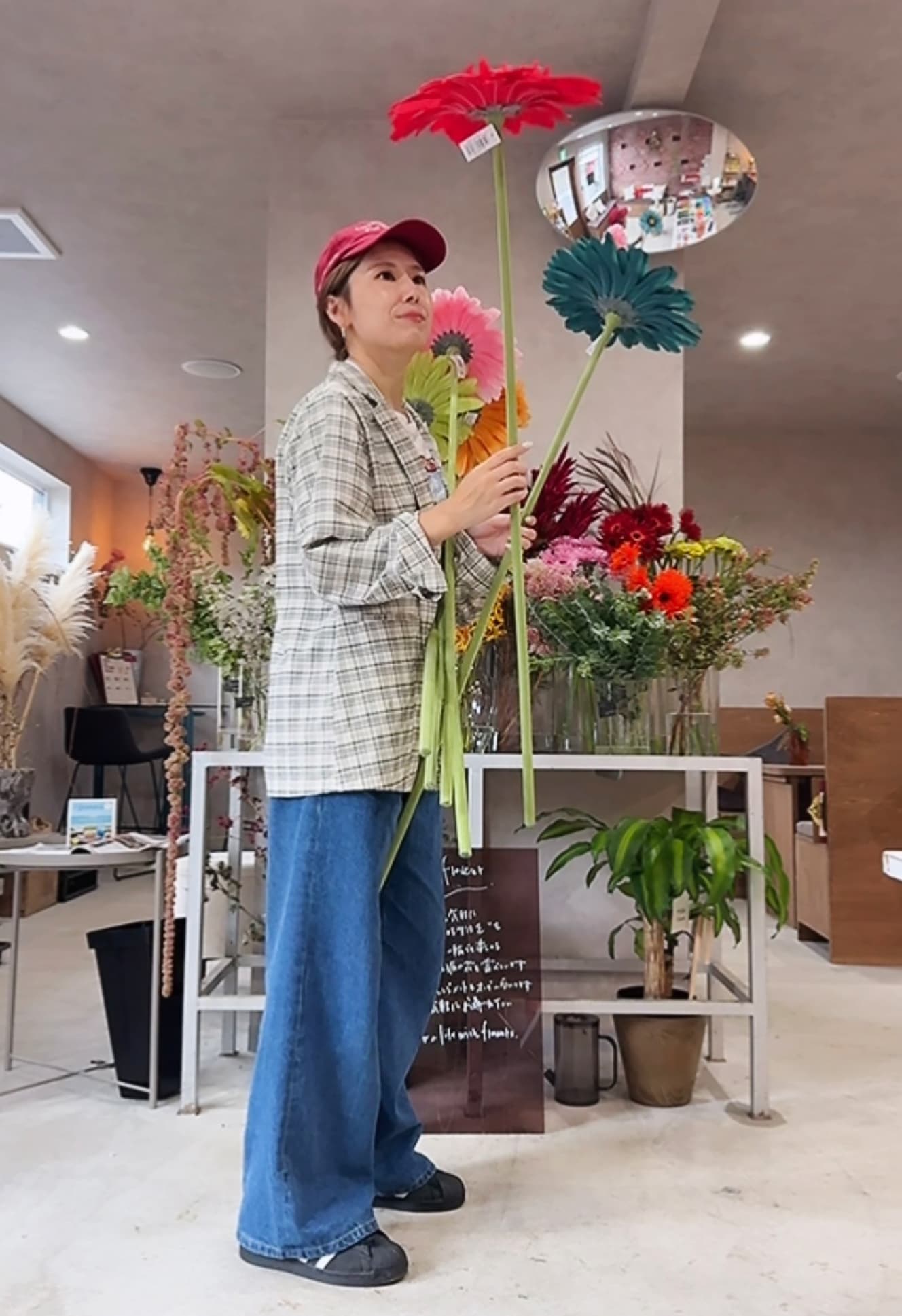
Erika Yamashita, a woman in her 30s living in Bibai City, Hokkaido, is one of the buyers who used this site to make her dream come true.
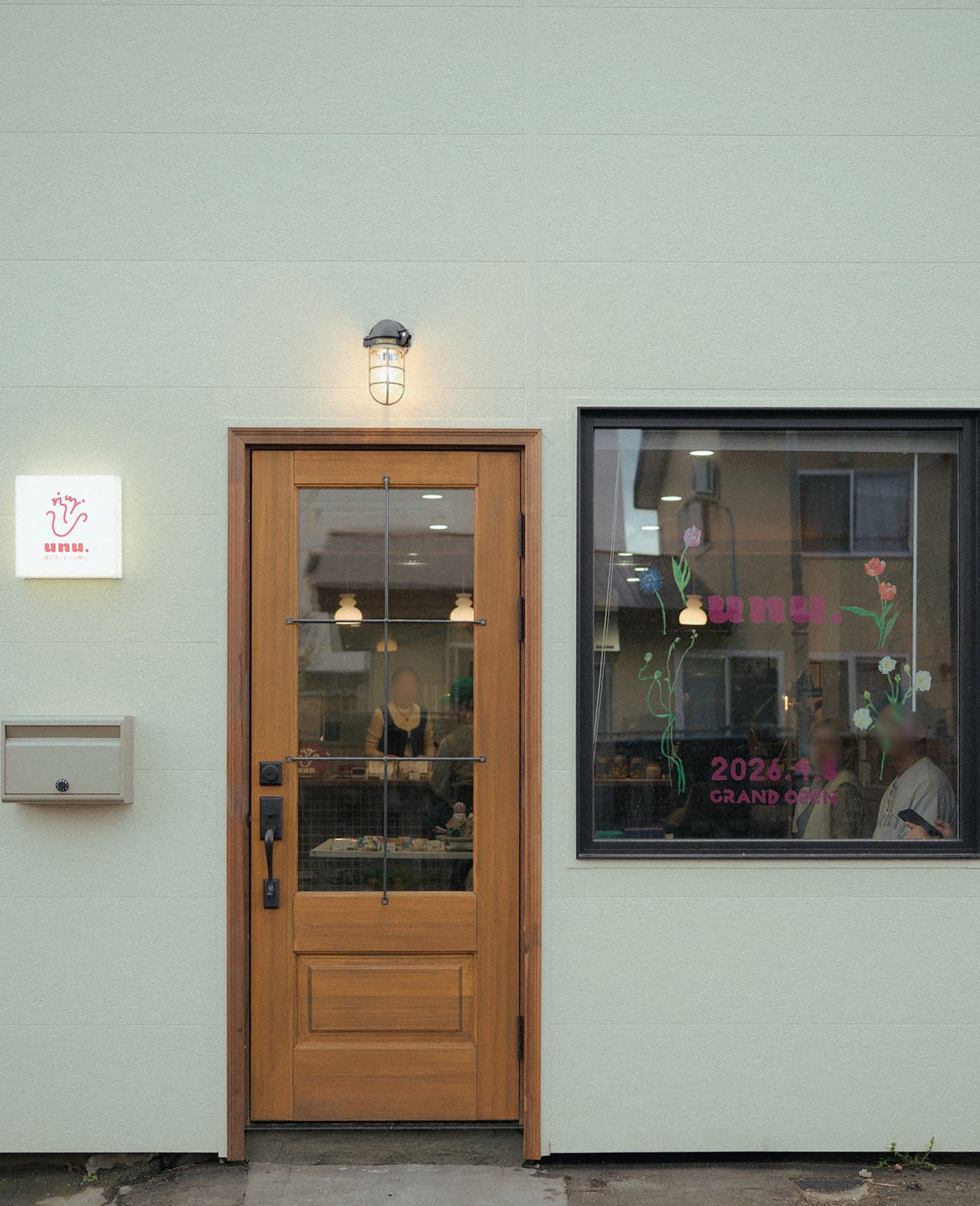
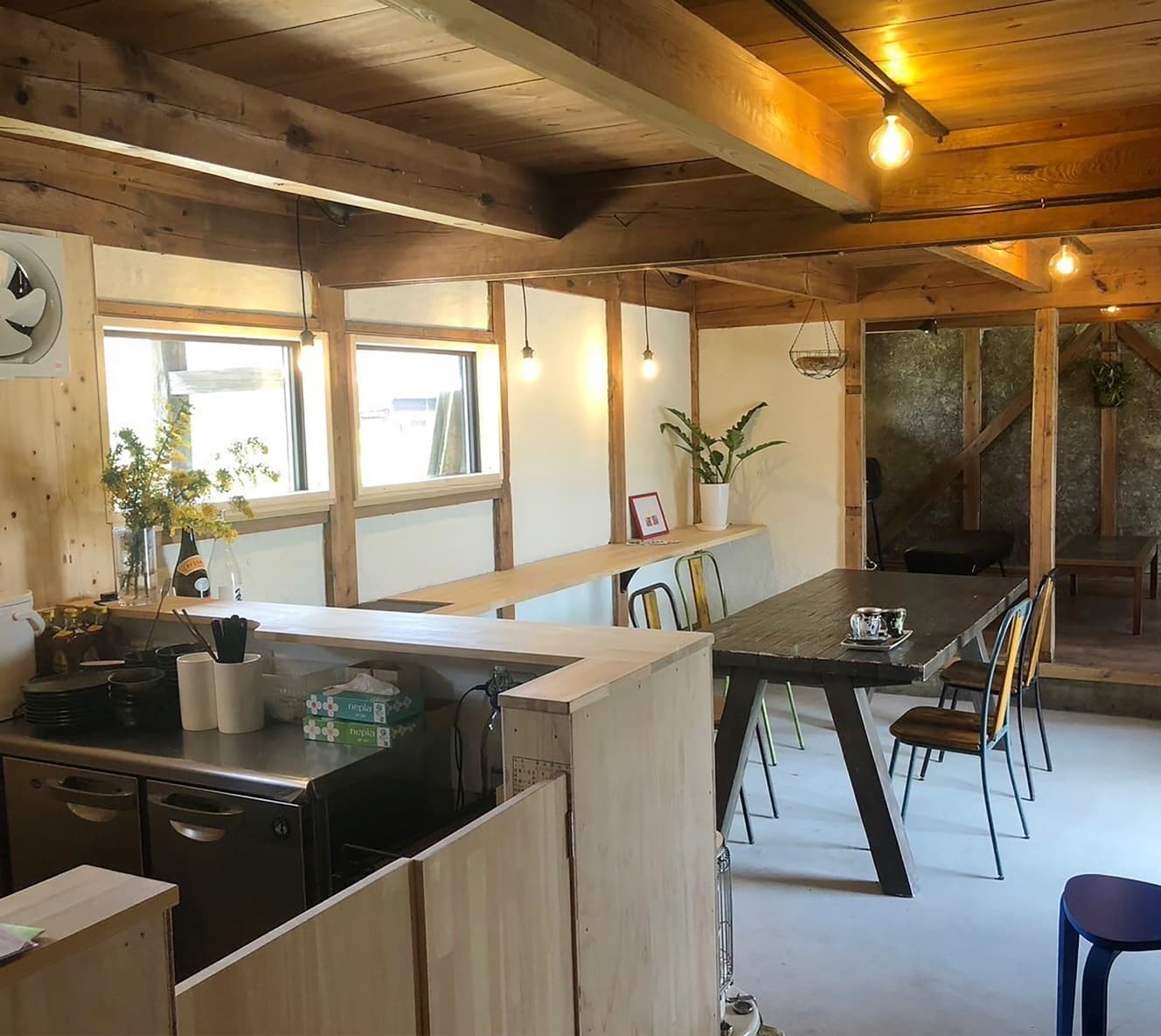
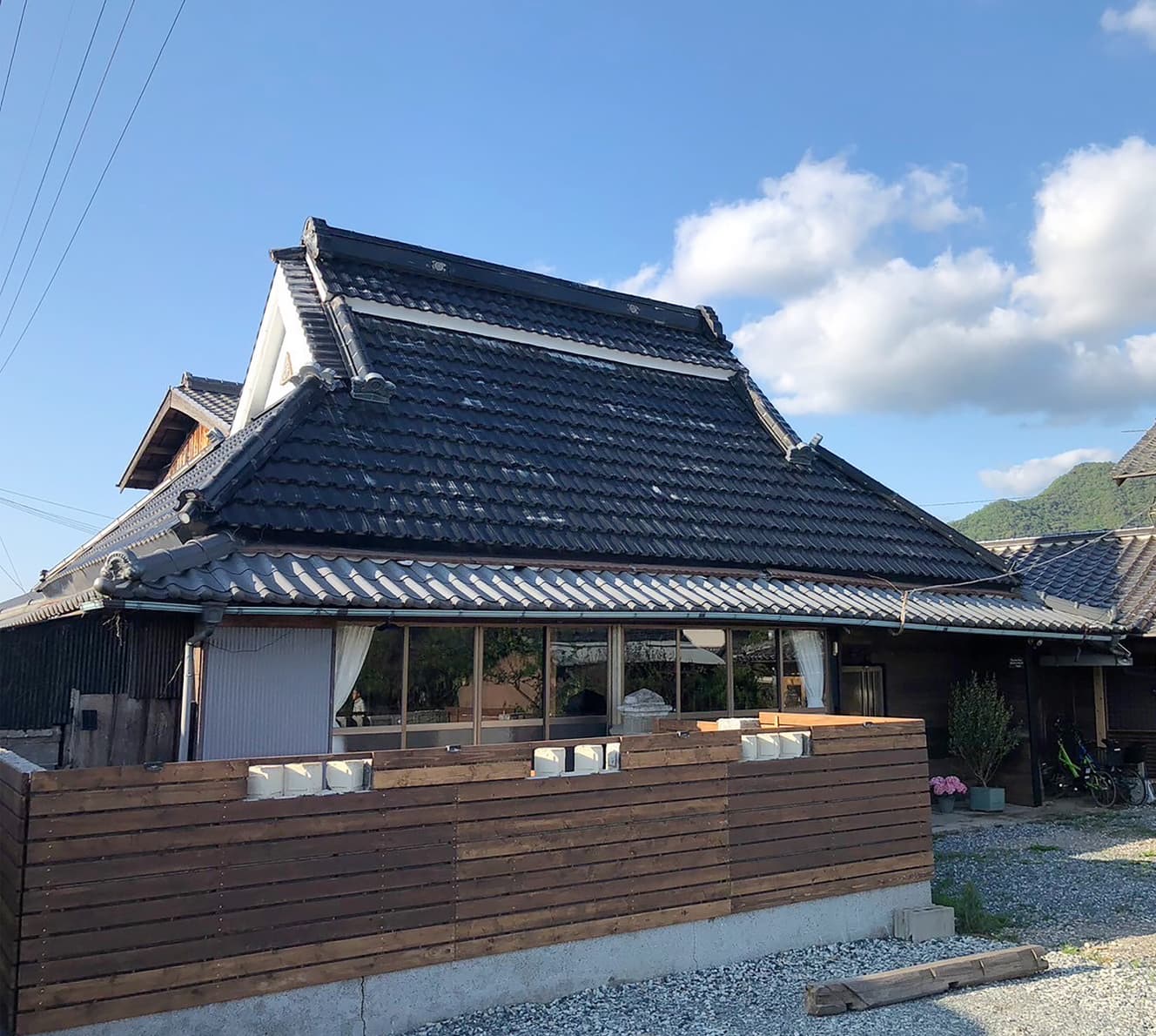
She acquired a 50-year-old, two-story former snack bar building last October and opened “unu./Between Flowers and Coffee,” a café with an attached flower shop, this past April.
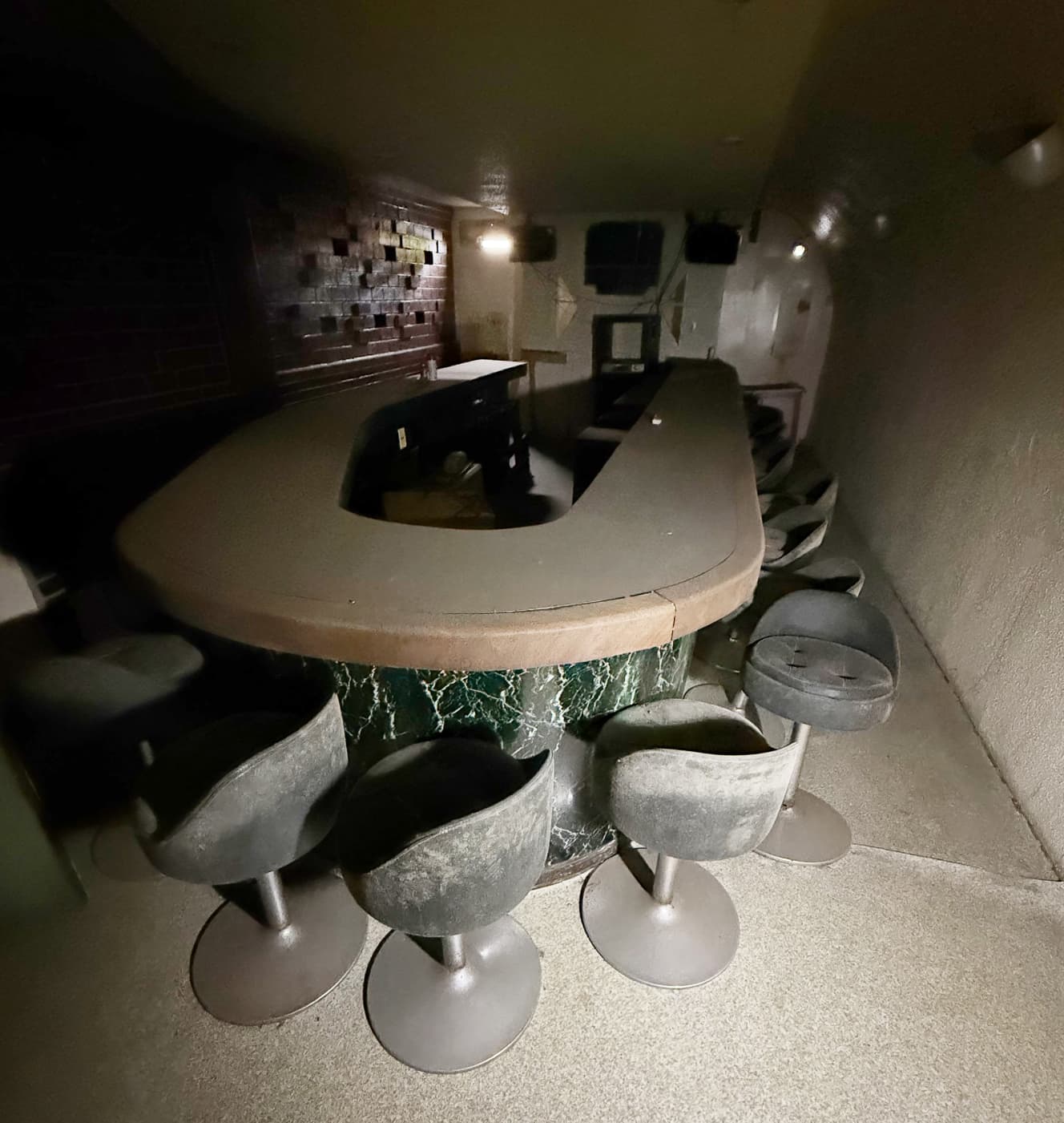
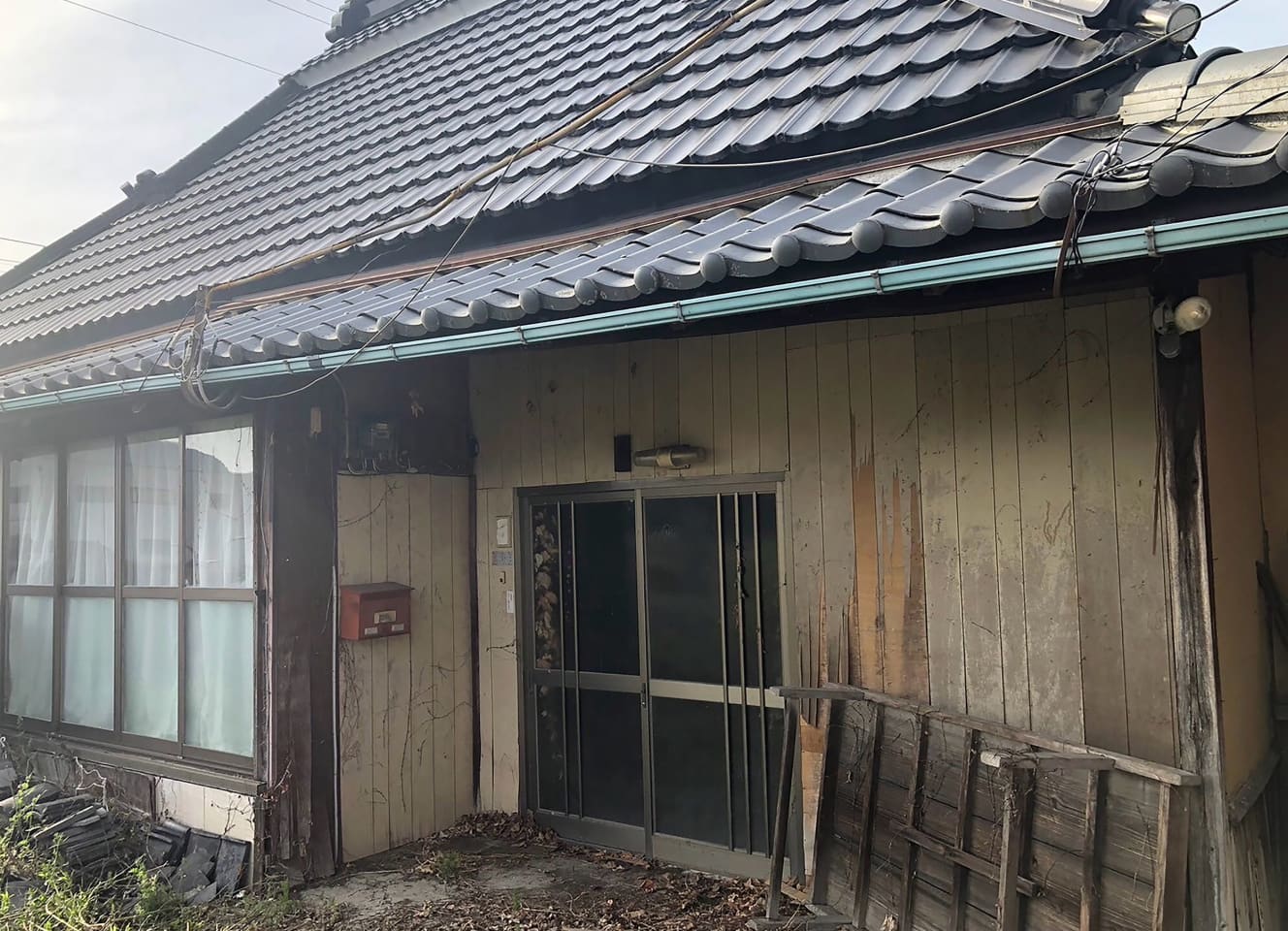
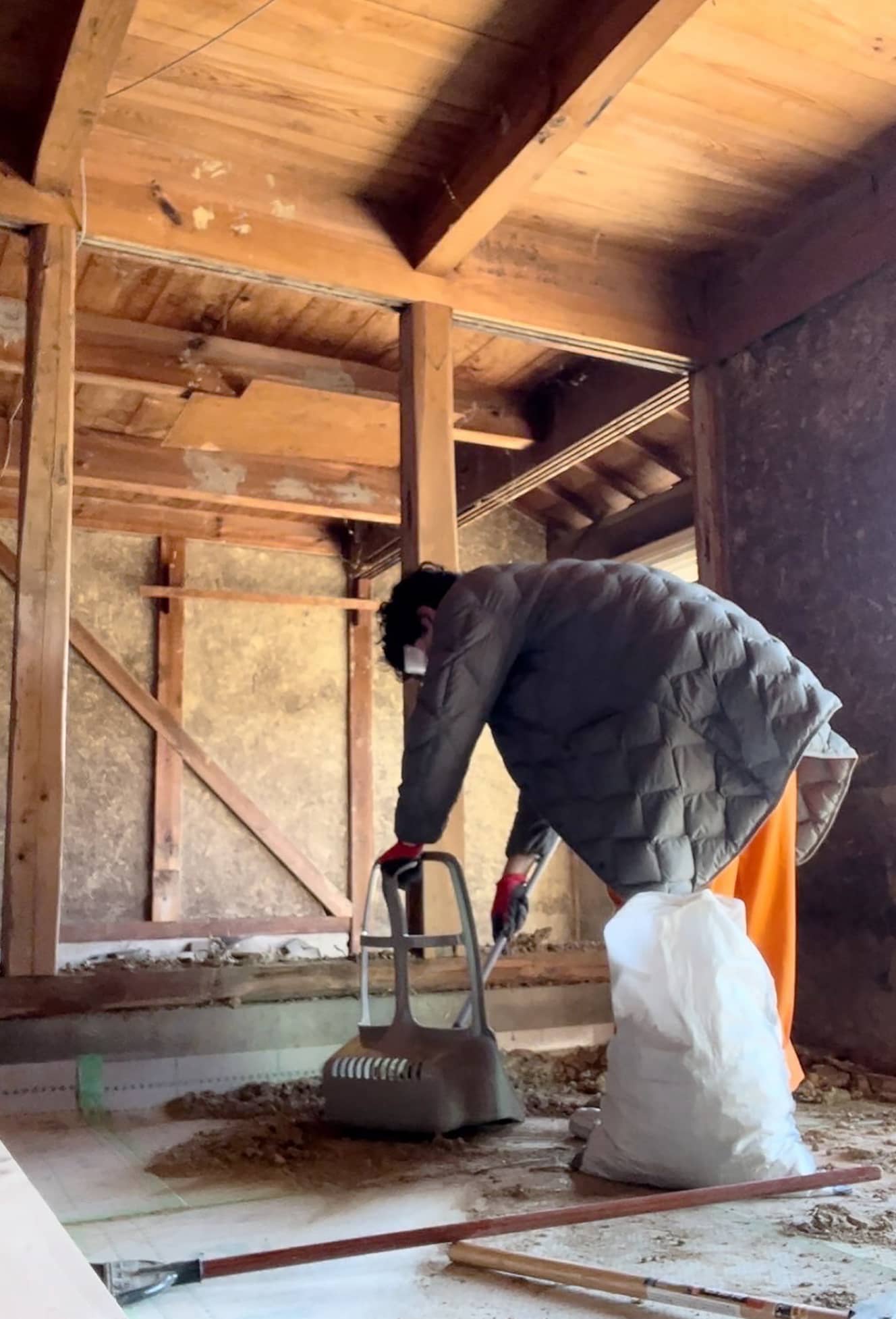
It was once a large building that housed four snack bars on the first floor, with the second floor serving as living quarters. However, after being abandoned for about 15 years, it had become a complete ruin—with floors collapsing, walls crumbling, and not even electricity running through it.
However, after consulting with Ms. Yamashita and inspecting the site, a carpenter assured her with confidence, “The framework is solid; if we replace the cladding, it’ll be as good as new.”
“I decided to trust the professional’s word and leave it to him,”
The total construction cost came to 14 million yen. Even after utilizing a 3 million yen subsidy from Bibai City, she still had to invest 11 million yen, so she took out a 10-year loan. After paying just under 10,000 yen in property tax, she also received a notice for real estate acquisition tax exceeding 100,000 yen.
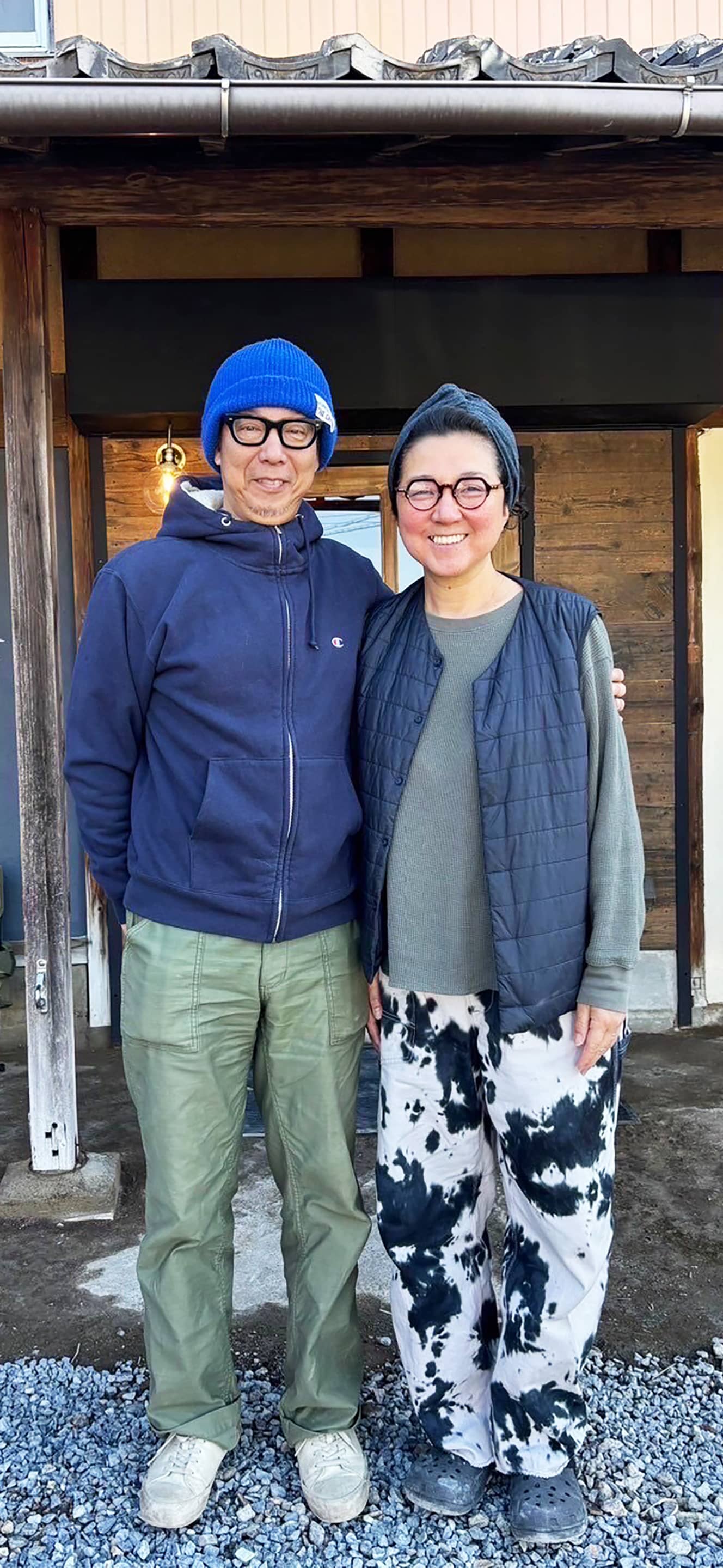
Even so, Ms. Yamashita persevered alongside her husband—who told her, “It’s okay if it fails”—and the café became a popular spot attracting customers from outside the city as well. With that in mind, Ms. Yamashita offers some deliberately stern advice to website users.
“I think it’ll be tough if you take on a property with the casual mindset that ‘it’s free.’ With older buildings, it’s best to sign the contract only after thinking through what you’ll do when the building starts to deteriorate.”
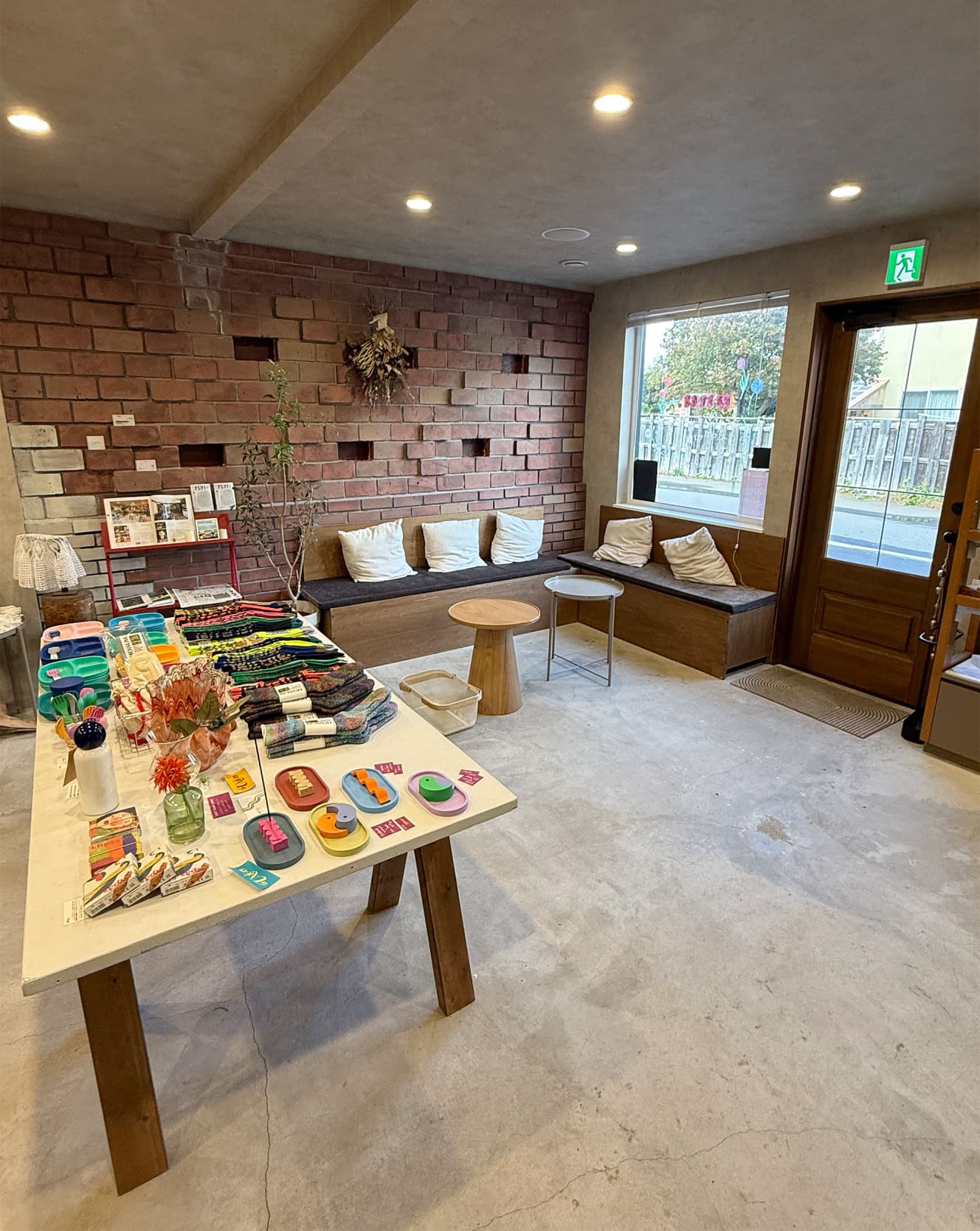
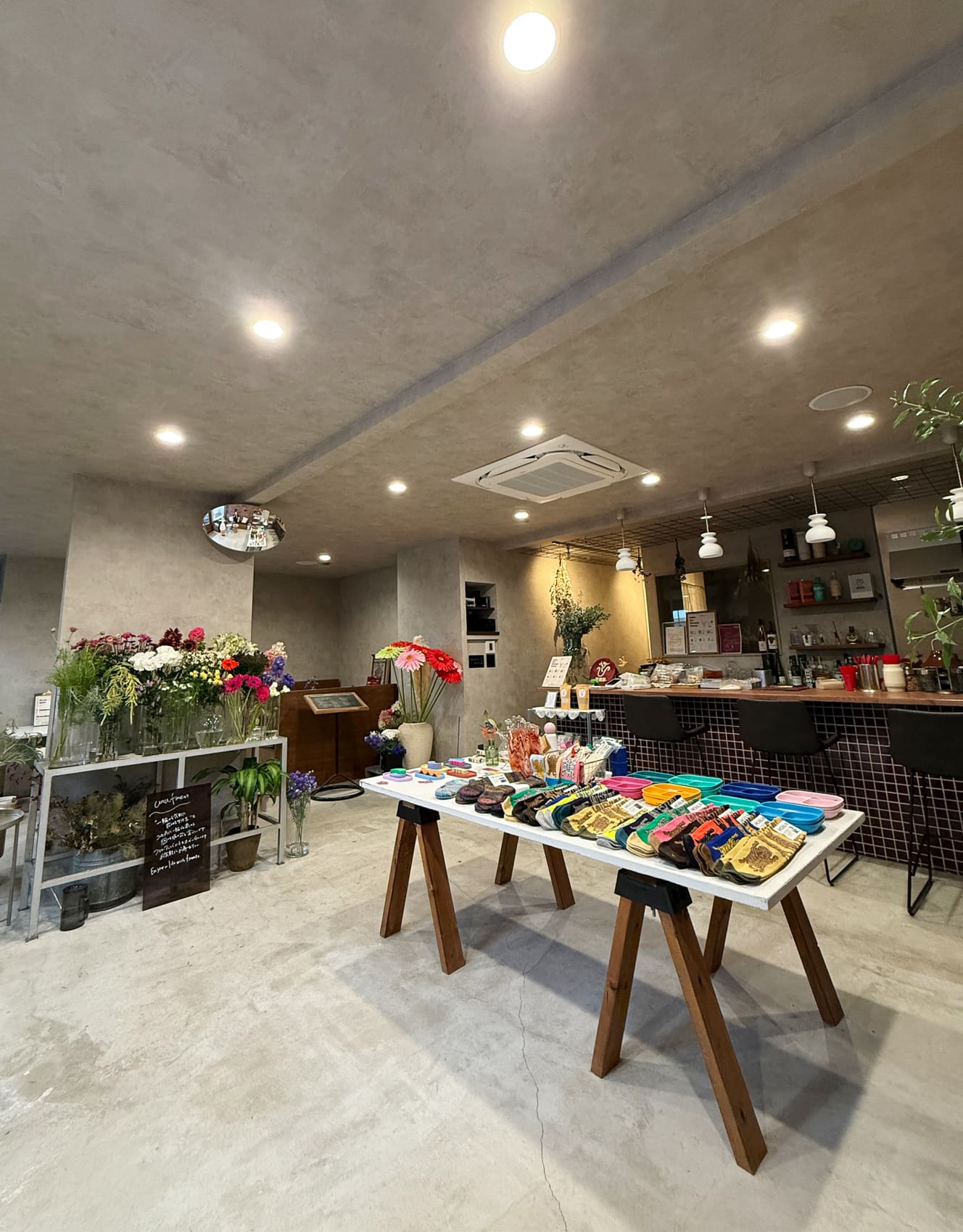
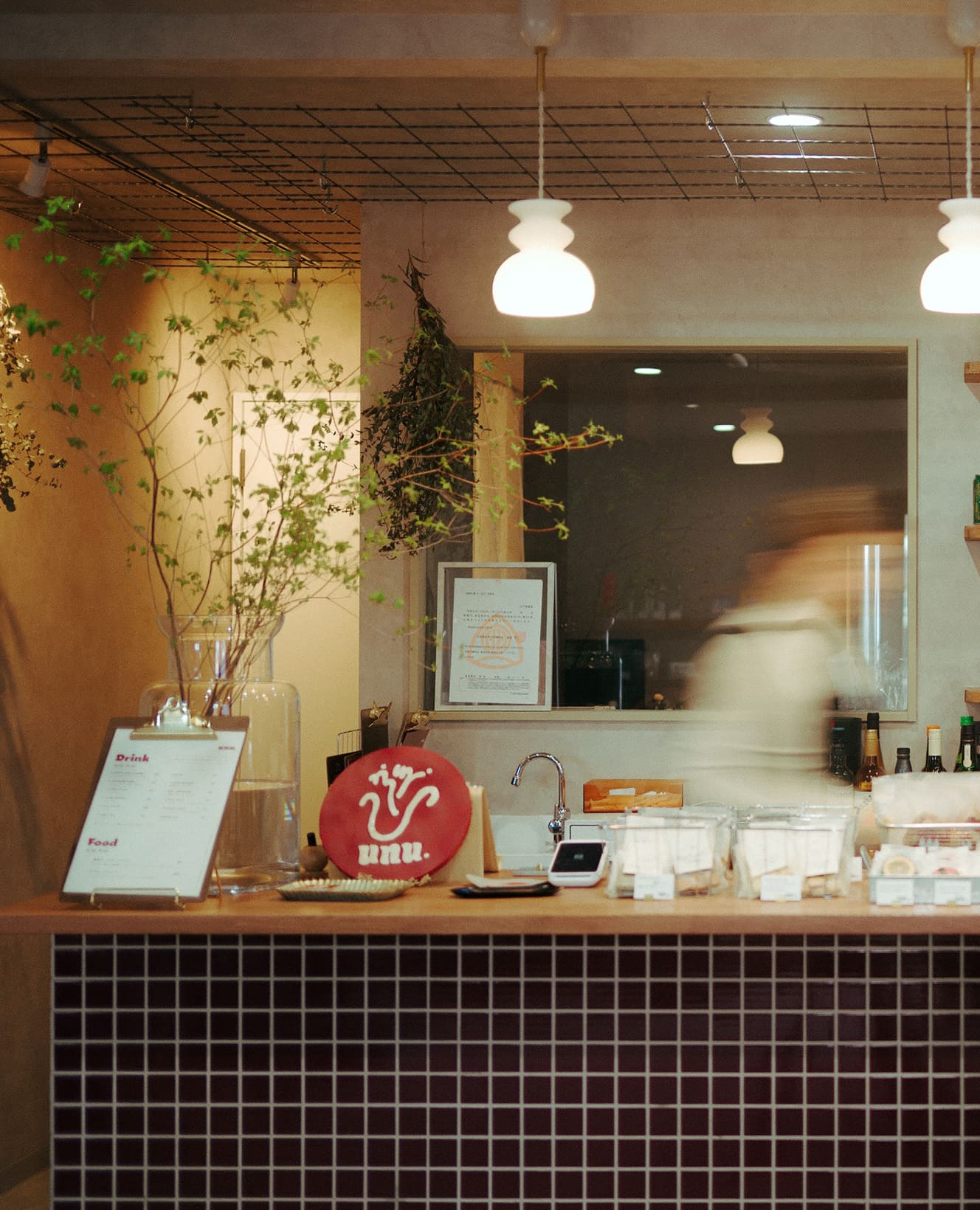
Here are more examples of how people are making the most of “zero-yen” properties!
Aiko Tanabe (pseudonym), a woman in her 50s living in Chiba Prefecture, is an investor who has been using this website to acquire properties. She owns a total of three single-family homes and three apartment buildings, both as an individual and through a corporation. She earns approximately 600,000 yen per month from rental income (including income from vacation rentals and shared housing).
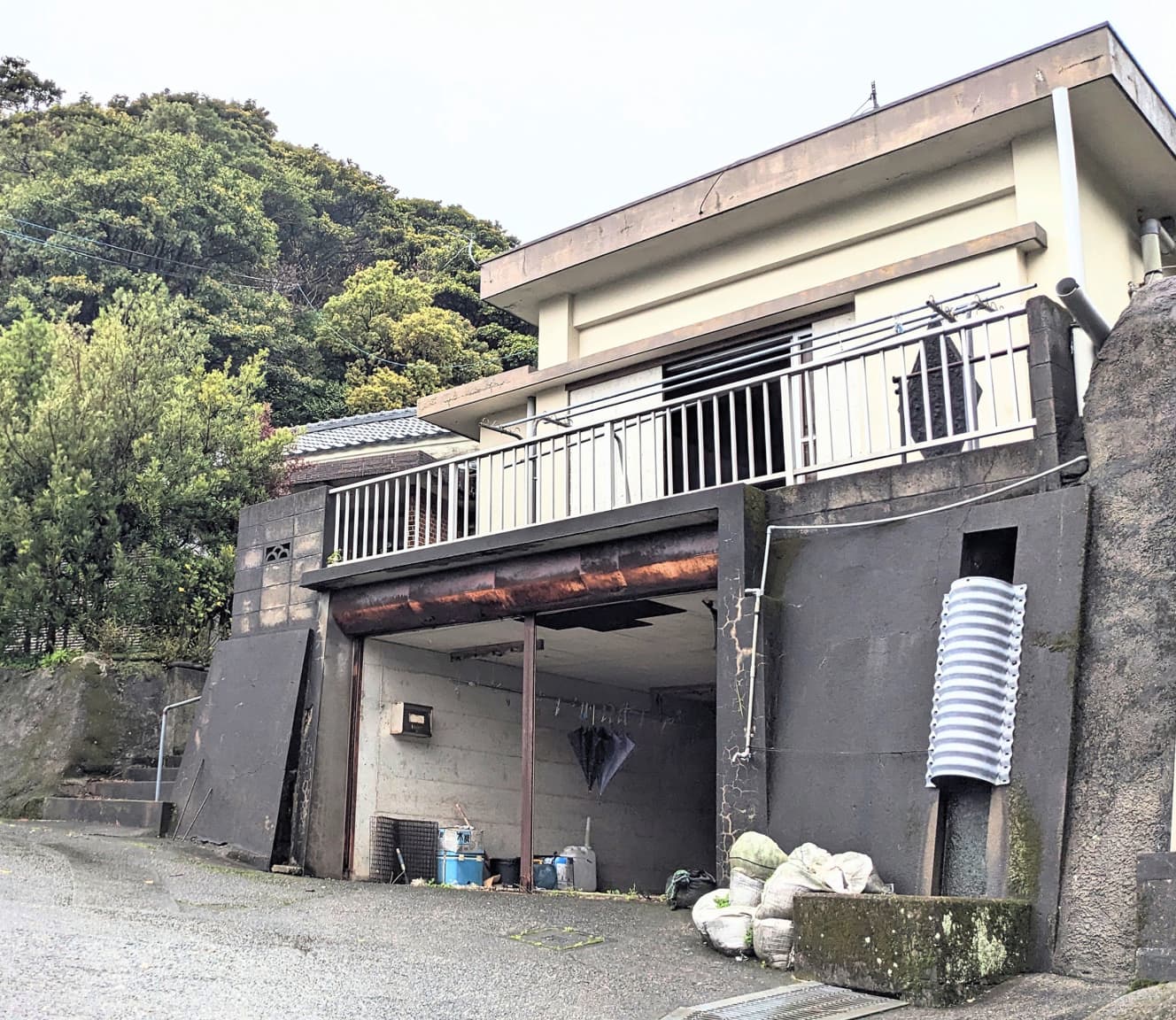
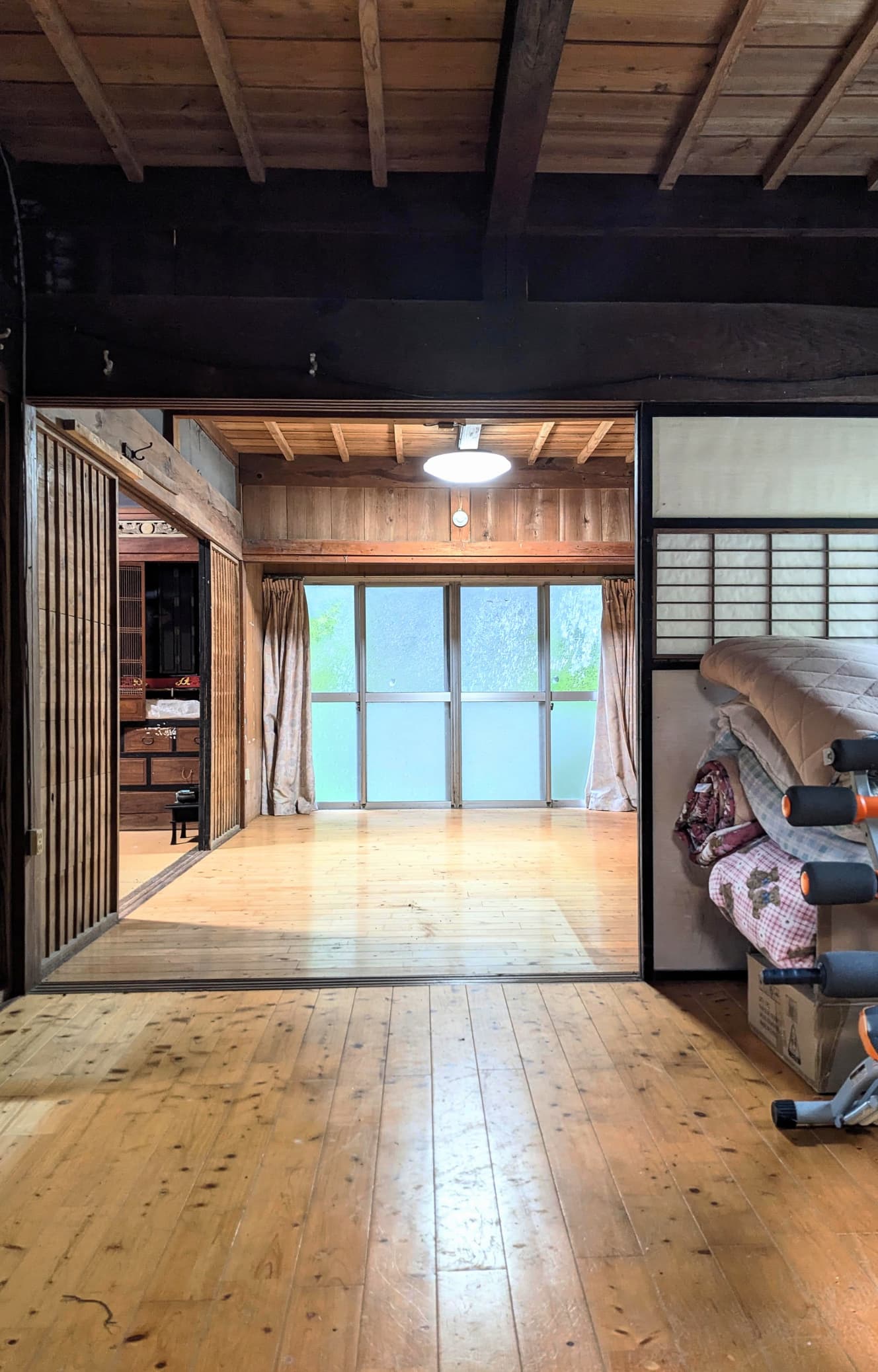
“For example, a magnificent traditional Japanese house in Saga Prefecture—over 100 years old but with no leaks—and a two-story single-family home in Kagoshima with an underground garage cost me only about 150,000 yen in registration fees. I haven’t made any repairs at all, yet I’ve found tenants willing to pay 30,000 yen a month.
I find tenants through free classifieds sites like ‘Jimoty.’ Instead of making them clear out the previous tenant’s belongings, I offer a few months of rent-free tenancy. Thanks to the low cost and the ease of not having to go through a strict screening process, I’m always able to find tenants.”
Kano Takahashi, a man in his 50s who owns and rents out about 400 homes nationwide, is also a user of “Everyone’s 0-Yen Properties.”
After visiting vacant homes one by one in Chiba Prefecture, she came across the site and has already acquired about 100 properties. Takahashi also notes, “I often don’t make any renovations to the properties at all.”
“Even so, if I rent them out for about 5,000 yen a month, I can find tenants. Since the acquisition cost is practically zero, even 60,000 yen a year is enough to break even. Besides, traditional houses that have been renovated too neatly can actually be avoided by tenants who want to put their own personal touch on them through DIY projects or run a business (like a guesthouse).”
He uses “Jimoty” and his company’s website to find tenants. It’s not uncommon for people with “issues”—those who might not pass a standard tenant screening—to express interest in renting, but Mr. Takahashi conducts interviews to assess their character before deciding to rent to them.
Even so, there are still occasional problems. In addition to rent delinquencies, of course, he says he receives a call from the police about once every two months.
There was even an instance where a male tenant brought in a woman who turned out to be a runaway minor, and the police informed him that there was “suspicion of kidnapping.”
Even so, Mr. Takahashi feels no anger.
“I make my living off the people who pay their rent,” he says.
Whether they’re people making money through investments or those opening their dream shops, they take over the house for free. Behind this, there are people who, after agonizing over it, decide to let go of their homes.
Even when a property is listed on the site and a buyer is successfully found, about 20 percent of cases fail to close because relatives object when attempting to register the inheritance, or because there are multiple heirs and unanimous consent cannot be obtained. Beyond the “zero yen” price tag lies the weight of vacant homes piled up across Japan.
From the November 6, 2026 issue of *FRIDAY*