The Current Status of Kentarō Yoshinaga, the “Former Koshien Championship Pitcher” Who Enjoys a “Dual Career” as a YouTuber and Company Employee
“Never giving up in baseball has become an asset in my next career.”


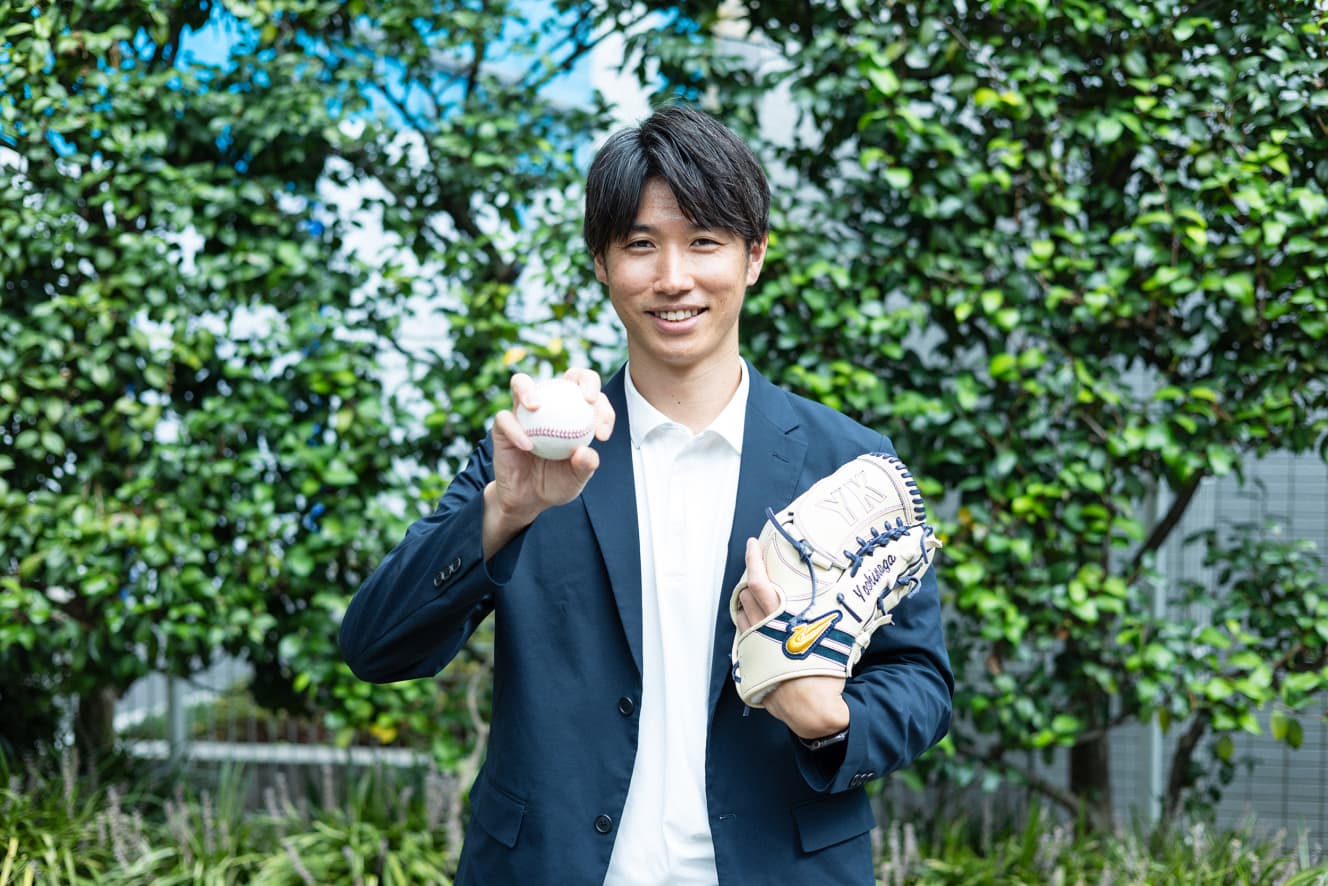
From Koshien Championship Pitcher to Office Worker
Once again this year, with the conclusion of the professional baseball draft, countless high school and amateur players faced their moment of destiny. However, behind the jubilation, there are also those shedding tears of regret for not being drafted, as well as those forced to make the decision to leave the professional ranks.Kentarō Yoshinaga (33), who won the Summer Koshien in 2011 as the ace pitcher for Nihon University Third High School and captured the attention of the entire nation as the “No. 1 high school pitcher of his generation,” is one of them.
Today, Yoshinaga works as a full-time employee at a major human resources firm (PERSOL Career). On weekdays, he handles desk work as a salaryman, while after work and on weekends, he carves out time to actively post videos on his YouTube channel, “[Official] Kentaro Yoshinaga’s Sinker Channel.”
Amid his busy life balancing his day job with his content creation, a major turning point came this past August. He received an offer to throw the ceremonial first pitch at a professional baseball game held at Escon Field. Even 15 years after his Koshien victory, his sinker is still going strong, and the stadium erupted with excitement.
“Nothing like that had ever happened to me before, but after throwing the ceremonial first pitch, so many people came to know me, and I started getting contacted much more often,”
Saying this, Yoshinaga smiled shyly. The response to that stellar pitch was immense, and he says it even led to offers to appear on television programs. Speaking with him now, he opened up about his past struggles.
The image of Yoshinaga etched in the memories of high school baseball fans is likely one of him basking in the spotlight. In 2010, Nihon University Third High School, having just formed a new team, won the fall Jingu Tournament. Riding that momentum, they advanced to the Final Four in the following spring’s Senbatsu Tournament.At the time, he was the ace of what was considered the strongest team—the “top favorite to win”—and entered the Summer West Tokyo Tournament treated as the “No. 1 pitcher of his generation.” However, behind his stellar performance, Yoshinaga’s inner turmoil was growing.
“I kept piling on the pressure to win—even though no one around me was actually telling me to—all on my own. I couldn’t get my fastball up to speed, and I couldn’t throw strikes. Even my sinker—which people used to say was my signature pitch—I couldn’t throw the way I wanted to during that period, and I was truly in despair.I was constantly anxious that I’d suddenly lose somewhere, and I was in a state where I just couldn’t pitch the way I wanted to.”
It was Zenyo Ogura (69), the legendary coach who led Nihon University Third High School, who saved the young ace—who had taken on an excessive burden of others’ expectations and was on the verge of self-destruction. Ahead of the summer tournament, the coach, worried about Yoshinaga’s severe slump, took him out to a nearby family restaurant in the middle of the night.
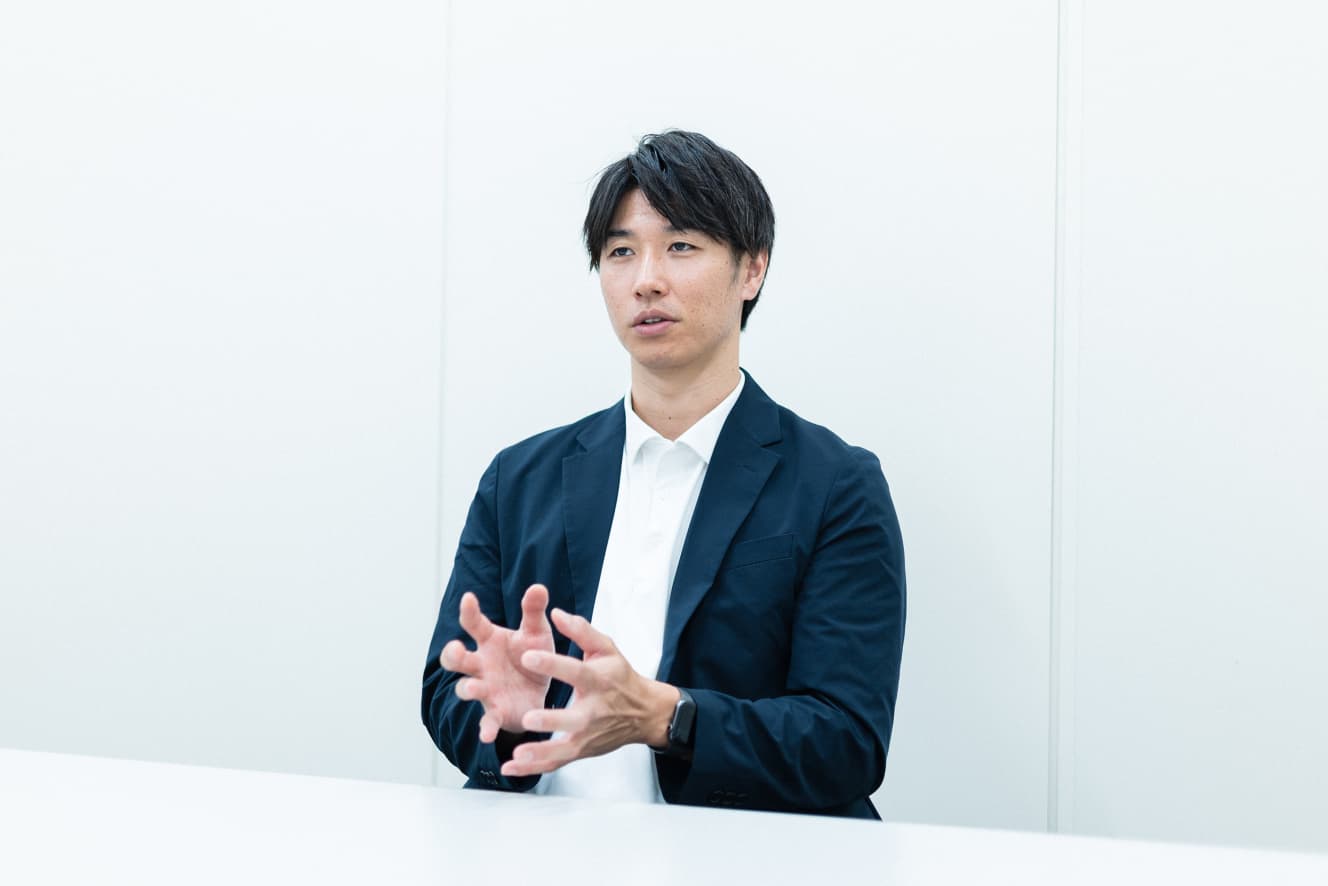
Why Did the “Genius Championship Pitcher” Suffer from the Yips?
“In the middle of the night, the coach took me to Denny’s, and we talked about all sorts of things there. As we kept talking, I gradually started to feel lighter inside. After that, I pitched well in the West Tokyo Tournament final and managed to secure a spot at Koshien.At that moment, I felt a sense of accomplishment—that I’d ‘met my minimum goal’—and my spirits soared all at once. From then on, I was able to pitch exactly as I wanted at Koshien.”
Having shed the mental shackles of pressure, this prodigy unleashed his talent on the Koshien stage and raced his way to becoming the best in Japan. At the time, the media made a huge fuss, reporting that “all 12 professional teams were watching,” and the public expected him to turn pro, but he himself was said to have calmly analyzed his situation.
“By June of my senior year of high school, I had already decided to go to college (Waseda University). Actually, I’d been plagued by repeated injuries throughout high school. So I knew that if I went pro straight out of high school with the skinny body I had back then, I’d never stand a chance. I figured that to hold down a spot in the pro rotation, I needed to grow more during my four years of college and build a solid physique before making the leap.
Of course, I wanted to turn pro. But since I felt I’d only really performed well during the summer of my senior year, I lacked confidence in myself. Actually, I never received a single scouting report from a pro team (wry smile). Back then, I was caught between a delicate lack of confidence and harsh reality.”
At Waseda University, where I enrolled with my sights set on the pros, I helped the team win the spring league championship as a freshman and was named MVP. Everyone was convinced that my choice had been the right one. However, during my sophomore year, I was struck by symptoms similar to the yips and lost my pitching form.Heartless rumors like “He was ruined at Waseda” circulated online, and he said many acquaintances expressed concern for him.
“It wasn’t the university environment’s fault. I simply couldn’t adapt to college baseball—that’s all. In college, compared to high school, the amount of pitching practice in the bullpen increased significantly. As a result, I faced fewer batters.
Because I was playing fewer actual games, I started obsessing over the balance of my form in my head, and when it came time to face a batter in a game, I didn’t know how to start my take-back. That disconnect in my sense of timing led to symptoms similar to the yips.”
Making the Roster Was More Exciting Than Winning the Koshien Championship
His words reflected a refreshing honesty in facing reality—acknowledging that the root cause lay entirely with himself. After that, he received no draft offers from professional teams even in his senior year, so he went on to play for the corporate team JR East.
“Even after joining JR East, I still faced injuries and setbacks time and time again. Still, from the day I gave up on turning pro until the very moment I retired as an active player, there wasn’t a single day when I ever thought about retiring from the game.At the end of my playing career, the moment that made me happiest wasn’t winning the Koshien championship, but making the bench for the Inter-City Tournament—my final tournament as a corporate player. Although I never got to take the mound, that spot on the bench—which I fought tooth and nail to secure—was the culmination of my playing career and my greatest source of pride.
If I had quit baseball back when I was struggling with the yips in college—as if to escape the stares of those around me—I definitely wouldn’t be who I am today. I wouldn’t even have thought to start creating content on YouTube. That’s how significant making the bench for that Intercity Tournament was.”
It was precisely because he played his active career to the fullest, without any regrets, right up until his corporate days, that a shift occurred in Yoshinaga’s mindset. After retiring, he worked in station operations at a railway company and now spends his days as an employee at a major human resources firm, focusing on “people’s careers.” Alongside that, his approach to his current YouTube activities—where he crafts his words—is surprisingly down-to-earth.
“I’m not really focused on increasing my subscriber count; I just want to reach the people who truly need to hear this. I want to create videos that really resonate with baseball players who, like me, are struggling through a slump or hitting a wall. I want to relearn baseball in a more pure way. I want to objectively hear how I appeared to others back then and use that as a starting point for self-analysis—to help me better coach the next generation of kids.”
He refuses to be swayed by numbers and continues to engage with baseball with unwavering dedication. Currently, while working as part of an organization, he continues to dedicate himself to baseball within the limited time available to him as a company employee. Precisely because he has navigated the “maze of form” that threw his instincts off balance and endured harsh setbacks, he now possesses unshakable conviction in the “method of communication” he envisions for the next generation.
“Don’t get hung up on your form—just raise your arm and throw. If I’d focused solely on that, I might not have suffered injuries and could have thrown many more great pitches. Throughout my baseball career, I’ve struggled more than most and hit more walls than anyone else.That’s exactly why, when it comes to kids who are currently struggling with mental issues, their environment, or the yips, I believe I can help them—not by preaching from on high or forcing a one-size-fits-all solution—but by standing on the same level as them and saying, ‘Here’s another option,’ in a way that only I can. I want to draw on my past experiences to truly be a source of strength for young players who are struggling.”
The man who once stood at the pinnacle of Koshien now stands on a “second mound”—dedicated to saving the future of these children.
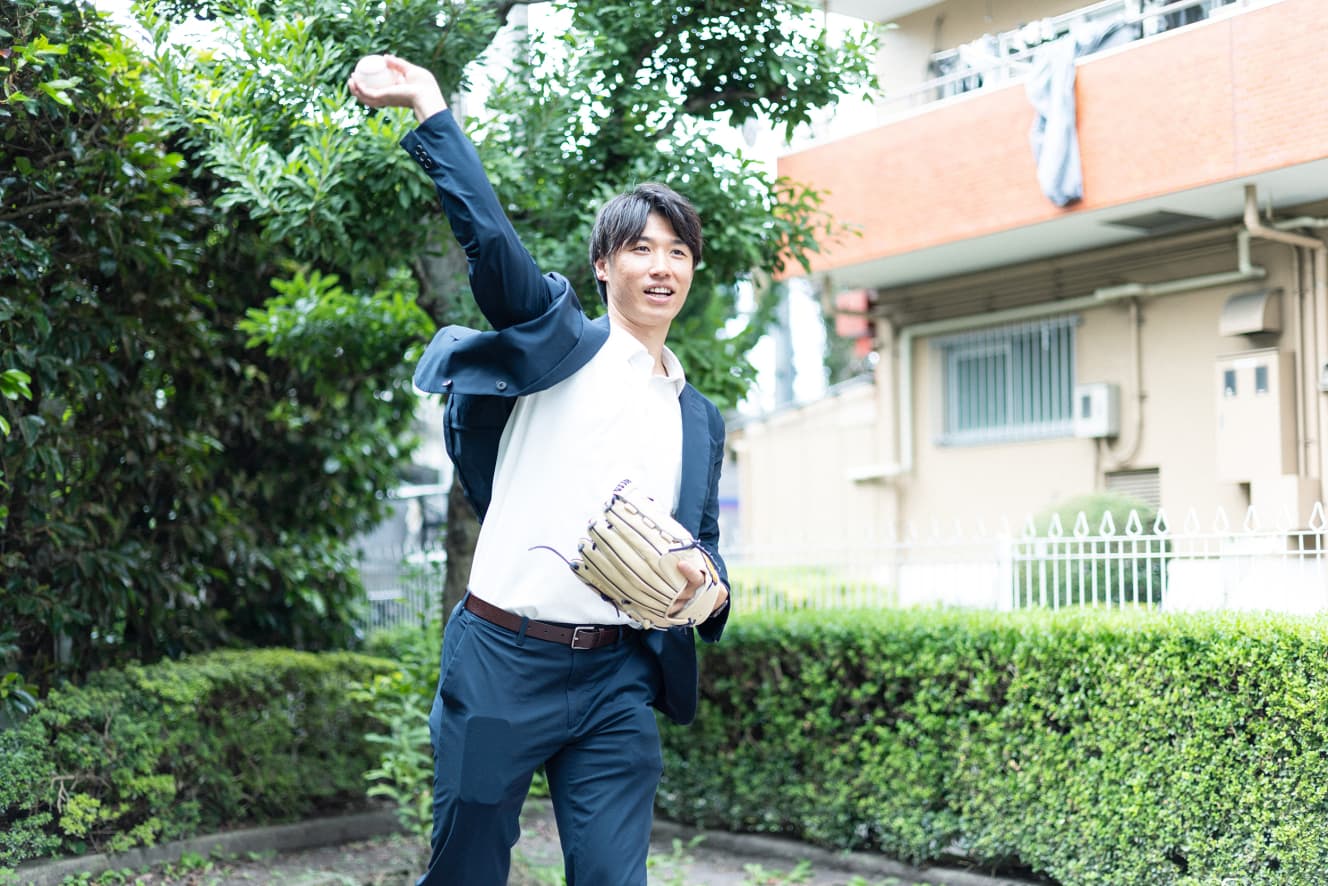
PHOTO: Hiroyuki Komatsu