Pharmacy Owner Arrested on Suspicion of Selling Manjaro and Other Products “Without a Prescription”… Illegal Sales Rampant Amid Huge Boom in China


Spread through word of mouth on social media
The illegal sale of “Manjaro” is rampant. Although it is primarily a medication for type 2 diabetes and requires a prescription, it is also being prescribed on an out-of-pocket basis to people seeking to lose weight. While a prescription is still required even for out-of-pocket treatment, there is no end to vendors selling it “without a prescription,” and just the other day, another arrest was made.
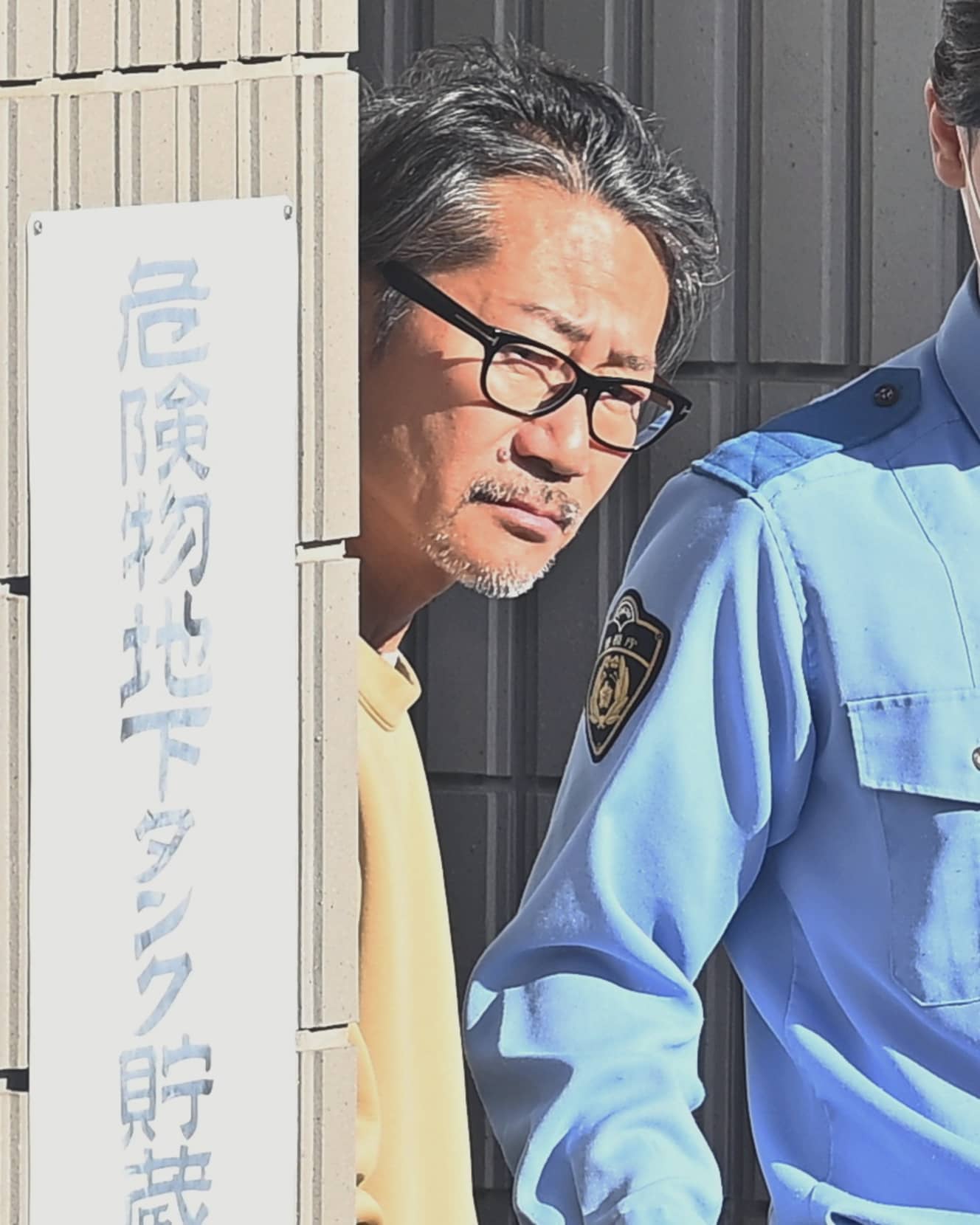
On October 22, the Tokyo Metropolitan Police Department’s Living Environment Division announced the arrest of Wang Pei (40), a Chinese national and de facto operator of the pharmaceutical sales company “Medix Japan” in Shinjuku Ward, Tokyo, and Satoshi Hatori (54), the company’s representative in Shinjuku Ward, on suspicion of violating the Pharmaceutical and Medical Devices Act(illegal sale of prescription drugs).
Suspect Hatori, who was transferred from the Tokyo Metropolitan Police Department’s Totsuka Police Station shortly after 8:00 a.m. on October 23, glanced briefly at the cameras but immediately turned away and got into a car.
“The charges allege that, between January and June of this year, the company sold prescription drugs—including Manjaro—without a prescription to four individuals aged 26 to 38 from Japan and China at the ‘First Beauty Pharmacy’ in Takadanobaba, Tokyo, which is operated by the company.
The company advertised on the Chinese social media platform ‘Xiaohongshu’ that products could be purchased ‘without a prescription.’ Reviews from actual customers also spread widely, attracting a large number of customers. It is estimated that the company generated approximately 65.5 million yen in sales over the 1 year and 9 months since its opening in October 2024.
Customers were primarily Chinese, and the company also sold to tourists visiting Japan.In addition to Manjaro, the company appears to have sold sleeping pills and asthma medications at prices higher than usual. It is said to have been popular among Chinese customers because it offered “access to Japanese prescription drugs without having to visit a doctor.” “There are also suspicions that the company forged prescriptions, and police are investigating additional charges,” said a reporter from the social affairs section of a national newspaper.
The use of Manjaro for weight loss began several years ago and has become a major trend in the past year or two. Recently, it became a hot topic when Yui-Pisu, an active hostess and influencer, said on the YouTube show “Last Call,” “Why not take Manjaro (if you want to lose weight)?”
She is scheduled to become an ambassador for an online Manjaro prescription service, a move that has drawn a wave of criticism. At the same time, this has raised Manjaro’s profile.
Japan’s “Manjaro” Is Popular in China
The main reason for Manjaro’s popularity is its convenience—users simply inject it into their abdomen once a week using a pen-style injector to control blood sugar levels and suppress appetite. However, it carries the risk of serious side effects such as nausea, fatigue, and acute pancreatitis, and there are concerns that it may lead to eating disorders.
In June of this year, the Japanese subsidiary of Eli Lilly, the major U.S. pharmaceutical company that markets Manjaro, issued a statement warning against the off-label use of the drug.
The buying and selling of the drug between individuals has also become a problem; in June, three people—two men and one woman—were referred to prosecutors on suspicion of violating the Pharmaceuticals and Medical Devices Act for their involvement in the unauthorized sale of Manjaro.
Regarding the background behind the rampant illegal trade, a crime reporter explains:
“In recent years, there has been an increase in pharmacy bankruptcies, and we are seeing occasional cases where Chinese nationals buy out struggling stores and become the owners. They acquire pharmacies and make a profit by reselling medications purchased at wholesale prices. It is illegal to take these medications out of the country for sale.
Manjaro is also hugely popular in China. Since the products available in China are either the Bangladeshi-made type that requires self-injection with a syringe or counterfeits, Japanese-made versions are said to be in high demand.
Some Chinese tourists even research which hospitals in Japan will prescribe Japanese-made Manjaro before visiting the country. Since this is private medical care, even foreigners can get a prescription after just a simple consultation. It’s said that if they buy large quantities and sell them in China, they can sell them for about double the price.”
We must break this cycle of people illegally selling drugs for profit and those attempting to obtain them for uses other than their intended purpose.


PHOTO: Shinji Hasuo