Local Supermarket Chains Take on Retail Giants in the Yokohama War


Customer line up before opening time
Valor, a supermarket chain originating in Gifu Prefecture, and Yaoko, which started in Saitama Prefecture, are going head-to-head in Yokohama. Why are these two regional supermarket chains clashing in the city? And how is the market changing as powerful regional retailers enter the area? We visited the stores to find out.
“It’s exactly one kilometer. That’s a short distance, isn’t it?”
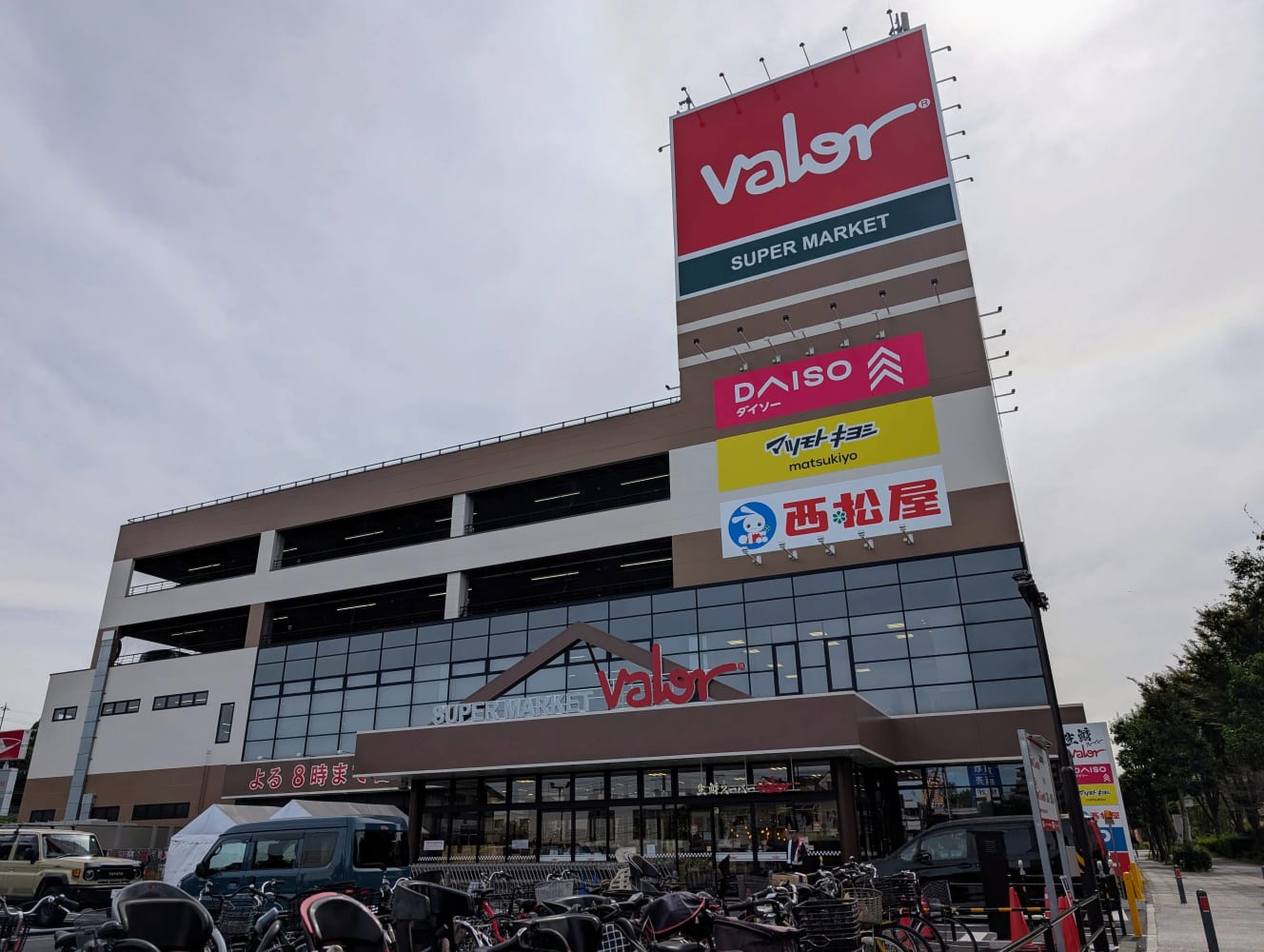
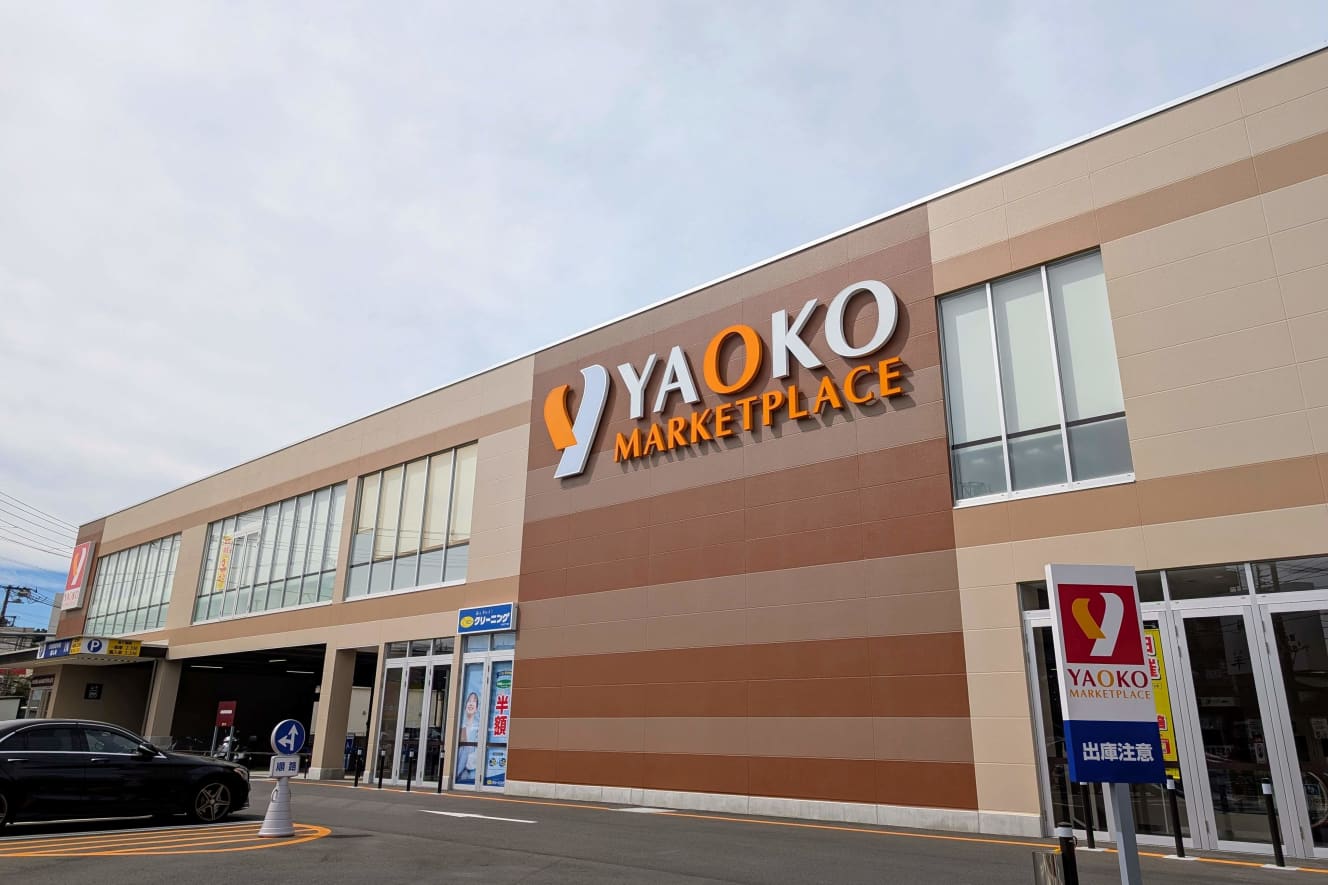
So says Minoru Shirota, a Yokohama resident and former buyer for Daiei, as he turns the steering wheel. Just two to three minutes apart by car are Valor Yokohama Shimonagaya and Yaoko Higashi-Totsuka. Valor opened in November 2025, followed four months later by Yaoko in March 2026. In an area where people typically get around by car, the two stores’ trading areas overlap.
On a weekday in early October 2026, around 10 customers were lined up outside Valor’s main entrance before opening time. A sign beside the parking lot prohibits vehicles from waiting on surrounding roads to enter the premises. Immediately after the store opened in November 2025, traffic congestion became so severe that it could have been dubbed the “Valor traffic jam,” with some customers giving up on entering.
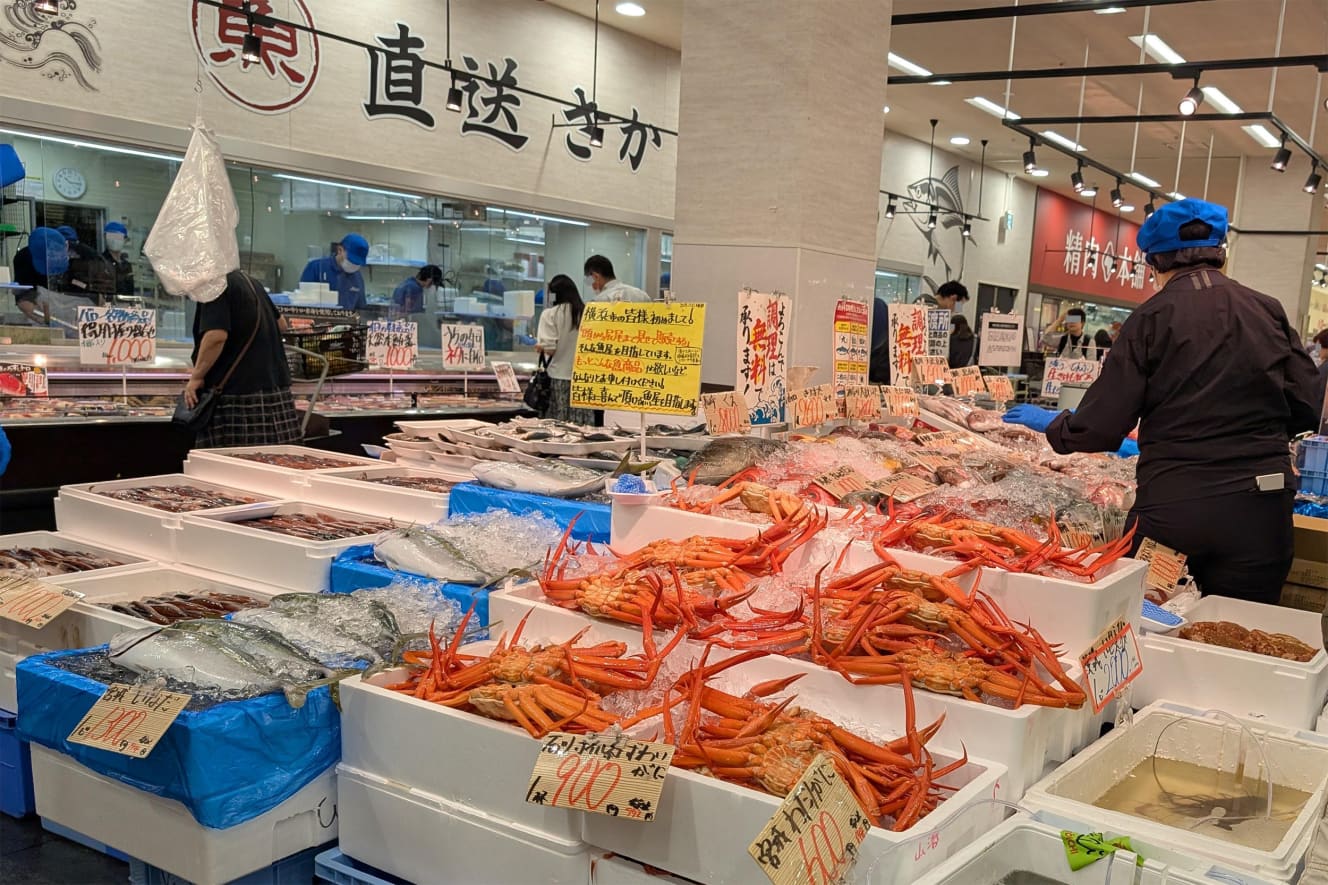
As soon as the doors opened, customers flocked to the fresh produce, seafood, and bakery sections. It was not unusual to see shoppers place two baskets, one above the other, on their carts and fill them with products one after another. Shirota explained:
“Popular items such as fresh seafood, cut fruit, Japanese beef, and bakery products attract customers from far away. The store also has remarkably more staff than an ordinary supermarket assigned to its key sections, such as the seafood and bakery counters.”
At Yaoko, which we visited next, there were fewer customers than at Valor. Many shoppers were in the prepared-food section, but others were browsing the shelves of processed foods and daily necessities. It gave the impression of a store well suited to everyday shopping.
“As its first store in the Kanto region, Valor is using a kind of fireworks business strategy, drawing customers with attention-grabbing sections and products. Yaoko, meanwhile, has already earned strong customer support in parts of the Kanto region. Its strengths are not yet fully recognized in Yokohama, so it hasn’t gained much initial momentum. However, its business model is one that gradually builds a loyal customer base.” (Shirota)
Both stores are located along major roads, but accessing them by car is not particularly easy. Shirota also remarked that the locations are by no means ideal. Valor is currently succeeding in attracting customers, but Shirota believes “Yaoko still has room to increase its customer base going forward.”
If they’re going to expand, it will be in Tama or Kanagawa
“From the perspective of both Valor and Yaoko, it’s probably a case of wondering, ‘Why are you here?’ and ‘We never wanted to run into each other, but somehow we have.’”
This is the analysis of Atsuo Shiobara, a former Yaoko buyer and head of Retail & Agri Support. He says the two companies pursued different strategies to expand across the greater Tokyo metropolitan area, ultimately bringing them face-to-face in Yokohama.
Yaoko was founded in Ogawa, Saitama Prefecture, a town known as the gateway to the Chichibu region. As of the end of March 2026, it operated 202 stores, but only 15 of them were in Kanagawa Prefecture. The company had traditionally divided its trading areas into the “north,” including northern Saitama, and the “south,” including Tokyo and Kanagawa, using National Route 16, which circles the greater Tokyo area, as a rough boundary. However, it is now stepping up expansion in the south, where there are more working-age residents and greater purchasing power.
Shiobara states firmly, “If Yaoko is going to push into new areas, it will be Tama and Kanagawa.”
“Land prices in central Tokyo are high, making it difficult to open stores there. Yaoko has around 100 stores in Saitama, but its strategy has shifted toward prioritizing expansion in Kanagawa. There is potential to open even more stores there than in Saitama.” (Shiobara)
Valor, meanwhile, has been expanding its store network in the Kansai region. Its goal is to first increase its presence in the Kanto region to around 10 stores and eventually reach ¥50 billion in sales. It chose the former large Yamada Denki store in Yokohama’s Shimonagaya district as a foothold for this expansion.
Keita Miura, a supermarket industry commentator, explains the background:
“As the population declines, supermarket chains have crossed regional boundaries and moved into urban areas with strong purchasing power and substantial demand in order to continue growing. As a result, competition has intensified, much like during the Warring States period.”
The Yaoko Group generates approximately ¥810 billion in annual sales, while Valor’s food supermarket business generates around ¥540 billion. These companies are no longer merely small regional supermarkets. They have developed distinctive strengths that allow them to compete even in major urban markets.
“I’ve heard that the best-selling store of a local supermarket chain is located along the same major road as Valor. When Valor first opened, that store’s sales reportedly fell by as much as 10%. Valor is using its appeal as a hot topic to draw customers from a wide area along the road.”
Shirota, quoted earlier, makes this observation. That local supermarket is approximately six kilometers from Valor, a drive of just under 20 minutes.
Kanagawa’s supermarkets were easy targets
Yaoko is also moving to take market share away from existing stores. In February 2024, it opened its Yokohama Tenjinbashi store. Just 300 meters away, Keikyu Store’s Isogo Maruyama branch closed in August 2025, a year and a half later.
In an interview with the Nikkei, Keikyu Store President Masahiko Koizumi described the circumstances behind the closure, saying the store had been completely wrecked by Yaoko’s entry (author’s note). Sotetsu Rosen, a railway-affiliated supermarket chain headquartered in Yokohama, and local chain Fuji (Fuji Cityio) have also come under pressure from the new competitors.
Shirota points out that the favorable market environment is one reason local Kanagawa supermarkets are struggling.
“For a long time, they were able to steadily grow sales relatively easily in an area with a large population and high incomes. Supermarket chains backed by companies from other prefectures spotted that opportunity.”
Saitama, Yaoko’s home base, is not as affluent as Kanagawa. There, Yaoko has had to compete fiercely with Belc and Mammy Mart, the other two companies in the group known as the “Big Three of Saitama.”
“They all pushed one another to improve and built up the strength to compete wherever they went. From the perspective of supermarkets in Saitama, Kanagawa was an attractive market, and local chains had been able to grow sales there without much difficulty. In other words, Kanagawa’s supermarkets were easy opponents to take on.” (Shirota)
Around JR Higashi-Totsuka Station, near both stores, supermarkets such as Aeon, OK, You Coop, and Tokyu Store are clustered together. Valor and Yaoko have opened stores as if to encircle this established retail area. The new competitors are advancing from along the main roads toward the concentration of shopping facilities around the station.
Shirota says, “Aeon, which has a store inside the large commercial complex in front of the station, has an overwhelming advantage in terms of location.” He believes the key question going forward is whether Yaoko and Valor can first establish a firm foothold in their immediate trading areas and then figure out how to draw customers away from the shopping district by the station.
A store with a good location does not necessarily have the products and merchandising that attract customers. As reports emerge of poor business performance at Aeon and its subsidiary U.S.M.H., the joint holding company that owns supermarket chains including Maruetsu, one industry insider criticizes the sector, saying, “Quite a few supermarkets have ended up running their businesses with an eye on senior management rather than their customers.”
Meanwhile, Tetsuji Sawada, president of Sawada Suisan, who previously worked as a buyer for Daiei and head of the seafood department at Maruetsu, says, “Yaoko thinks about what customers want and puts thought into not only how it selects its products but also how it sells them.” He adds, “It knows how to explain why it is selling a particular fish and how to prepare it so that it tastes good.”
In November, Valor will open its second Kanto-area store, the Motohaneida branch in Tokyo’s Ota Ward, on the former site of an Olympic supermarket. The surrounding area is already crowded with competitors, including OK, Maruetsu, My Basket, and Niku no Hanamasa.
Sawada praises Valor for pursuing products and sales methods that other stores do not offer. It sells unusual varieties of fish whole or in blocks for sashimi, offers to prepare customers’ purchases on the spot, and recommends products according to how customers plan to cook them. “Valor can certainly attract enough customers, and it could even drive nearby stores out of business,” he predicts.
Yaoko, too, frequently moves into former locations of major general merchandise supermarket chains such as Ito-Yokado, Daiei, and Aeon. Its Shin-Urayasu, Warabi Nishikicho, and Kazo stores, for example, were formerly Ito-Yokado locations; its Higashiyamato store was a former Daiei, and its Higashi-Washimiya store was previously an Aeon.
Supermarket chains that grew in regional areas are beginning to reshape a market once dominated by major corporations and established local businesses.
Reporting, Text, and Photos: Ryoko Yamaguchi (Journalist)