[Full Text Published] Iconic Show Draws to a Close After 6.5 Years: Behind-the-Scenes of the Final Episode of “Ariyoshi’s Wall”—“Popular Comedians Gather in Asakusa”
Staff Witnessed It! Behind the Scenes of Weekly TV—Series, Part 368


While maintaining their cheerful atmosphere
“Daahhh… Haaa~~!!”
The banquet hall of a city hotel in Nishi-Asakusa, Tokyo, was filled with roars of laughter. The scene was a location shoot for “Ariyoshi no Kabe” (Nippon TV), which aired its final regular episode on September 30.Originally launched as an irregular special, the show moved to the prime-time slot in April 2020 and was promoted to a regular series. Over the course of six and a half years, it has launched the careers of numerous popular comedians.
“A total of 65 regulars—known as the ‘Wall Comedians’—gathered for the final episode’s recording. After the taping, host Hiroyuki Ariyoshi (52) gave a speech about the show’s history and the challenges they’d faced, and there was even a moment when assistant host Shiori Sato (36) struggled to hold back her tears.“Still, since it has been decided that the show will continue as a special program, the event wrapped up in a lighthearted atmosphere, with comedians who had been teased by Ariyoshi even calling out playful jibes at him,” said a source from the production company.
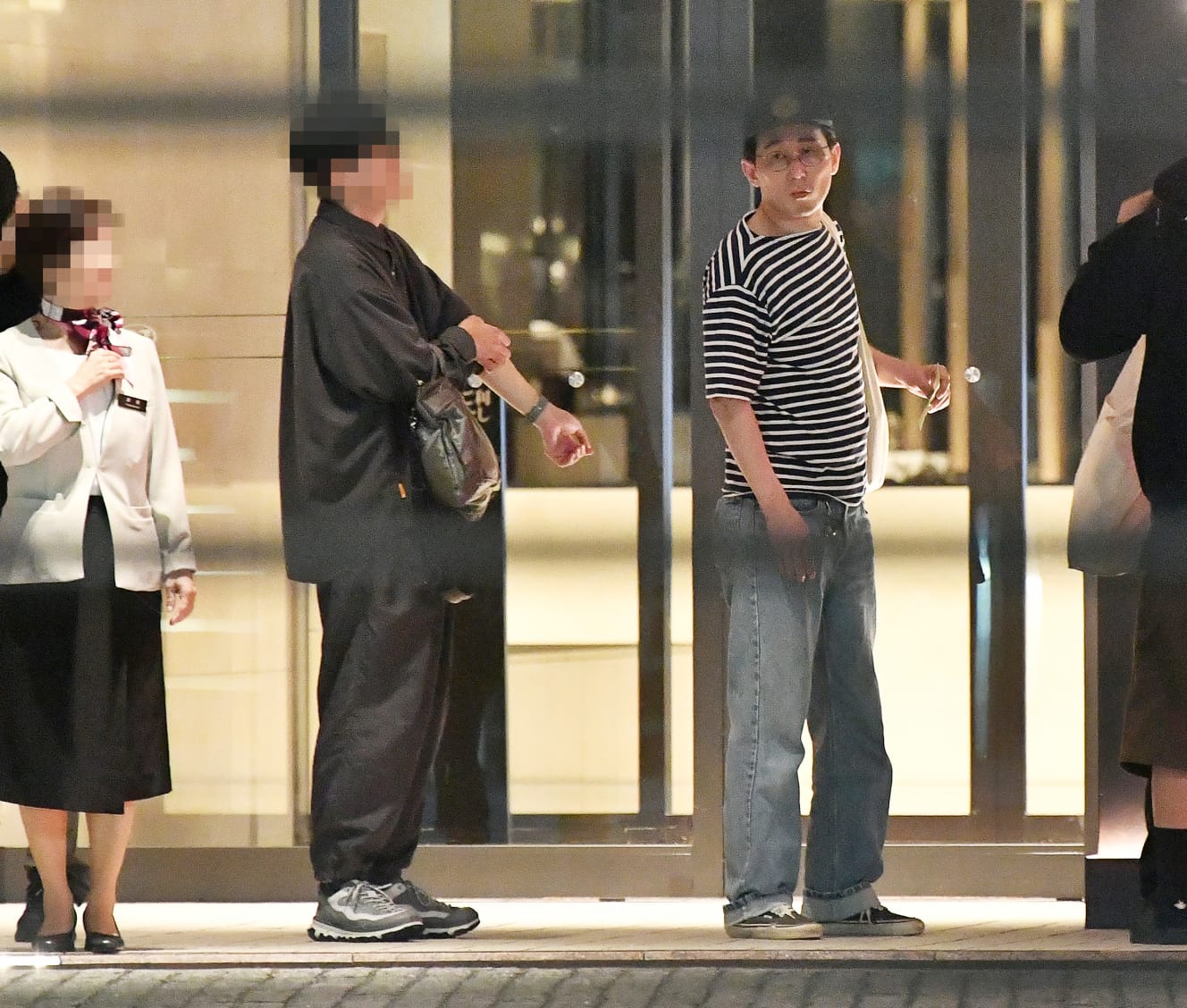
Shortly after 8:00 p.m., the comedians who had finished filming began emerging from the hotel one after another.Shohei Nagata (46) of “Chocolate Planet”—the group behind popular characters such as “TT Brothers” and “Mr. Parka Jr.”—left the venue with his close friend and ally, Kei Mukai (40) of “Panter,” with whom he shares a deep personal bond.Takeshi Yasumura (44), who has appeared on the show since its very first special episode and is known for his cheerful personality, was chatting with Takashi Watanabe (48) of “Nishikigoi” and Otake (43) of “Jungle Pocket” while waiting for a taxi.The popular comedians who had gathered in Asakusa exchanged words of encouragement, seemingly congratulating each other on their efforts right up until the very end, before boarding their respective shuttle vehicles—.
Production costs totaled 20 million yen
The average household viewership rating for *Ariyoshi no Kabe* had been hovering between 5 and 6 percent. A source from the production company mentioned earlier revealed, “Those numbers were by no means close to the cancellation threshold,” but what was really behind Nippon TV’s decision to end the show? The biggest factor was the issue of production costs.
“Between 10 and 30 comedy acts appear each week. Mid-level comedians command fees of around 100,000 to 300,000 yen, but top-tier stars command at least 500,000 yen. Ariyoshi’s fee is likely over 1 million yen, so appearance fees alone amount to 5 to 6 million yen.Since we had to rent out commercial facilities for every location shoot—on top of security costs, transportation expenses, and staff salaries—production costs sometimes exceeded 20 million yen. Amid efforts to cut costs, production expenses on par with those of a special program could no longer be overlooked.
“‘Ariyoshi’s Wall’ had a high core viewership rating in the high 3% range and maintained its popularity, particularly among young people. There was also a judgment that discontinuing the regular broadcast now would preserve its value as a special program,” said a Nippon TV staff member.
There are other factors as well. One is the proliferation of “comedy competitions” in recent years.
“When you have to air new material every week, it’s difficult to maintain the same level of humor. At the same time, comedy competitions have continued to increase; last year alone, there were six competitions whose finals were broadcast nationwide. Under those circumstances, the quality of the material is inevitably compared, and the rough edges of a regular TV show become glaringly obvious. The rise in comedy competitions is clearly detrimental to television comedy,” (ibid.)
The cancellation of these shows could be a matter of life and death for “struggling comedians.” This is because there is now only one regularly scheduled comedy sketch show remaining on national television: *Sukkiri Nichiyō Chaplin* (TV Tokyo network).During the heyday of the late 2000s, led by *Entame no Kamisama* (Nippon TV network), which boasted viewership ratings exceeding 20 percent, networks rushed to launch comedy sketch shows; however, the industry is now facing a “winter era.”
“When sketch comedy shows decrease, comedians tend to move into talk shows or location-based variety programs, but it’s questionable whether all ‘wall comedians’ can immediately break into those genres. There will likely be comedians who have to cut their teeth on late-night shows and the like for a while,” said the production company insider mentioned earlier.
The milestone reached by this popular show seemed to symbolize the very transformation of the television industry.


From the October 16, 2026 issue of “FRIDAY”