Shinobu Nakayama: “I Convinced Myself I Was Just Miho’s Little Sister, Not Someone Important” — The Story Behind Her Debut
Special Interview [Part 1]


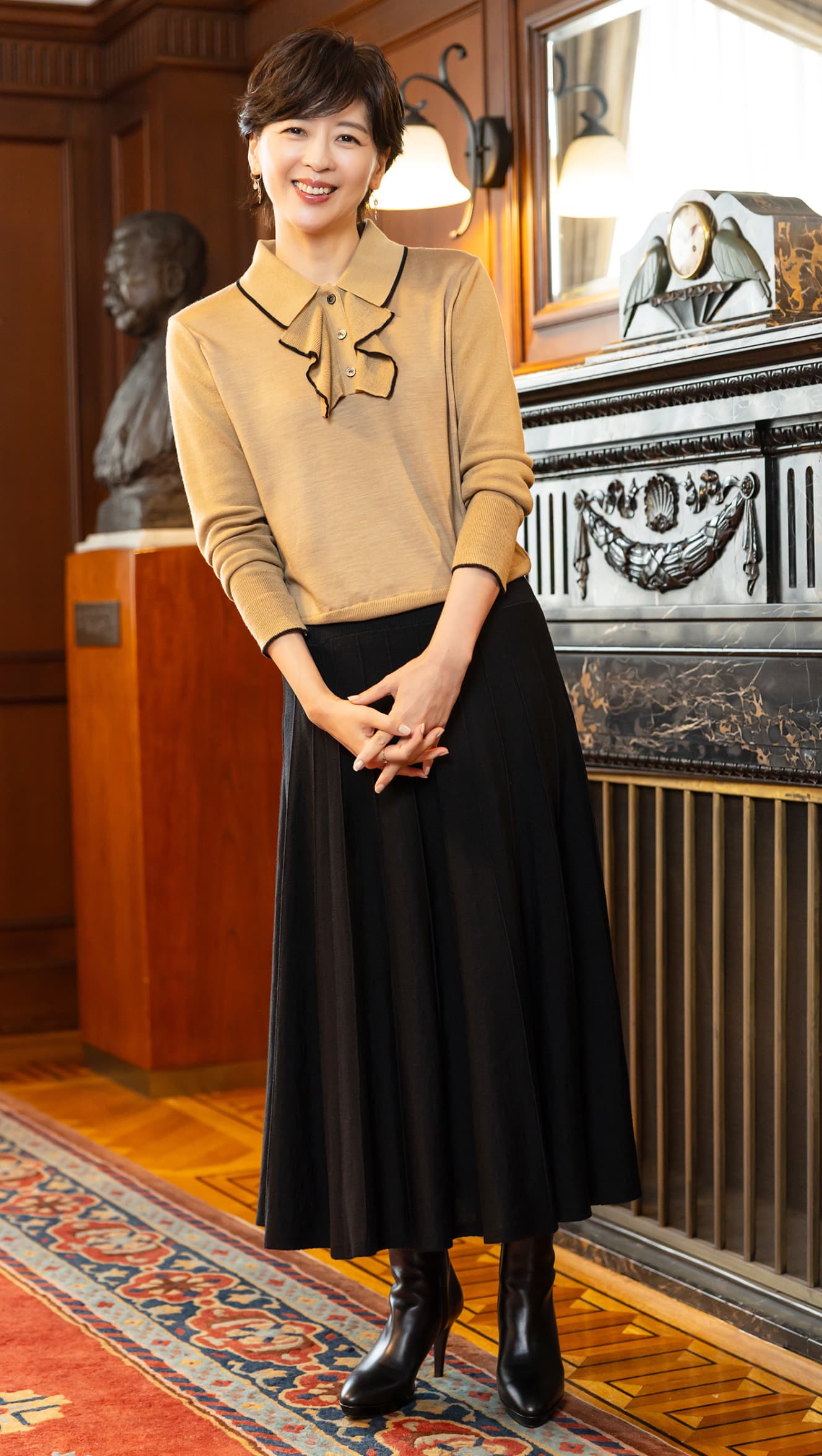
I was really rebellious in my teens
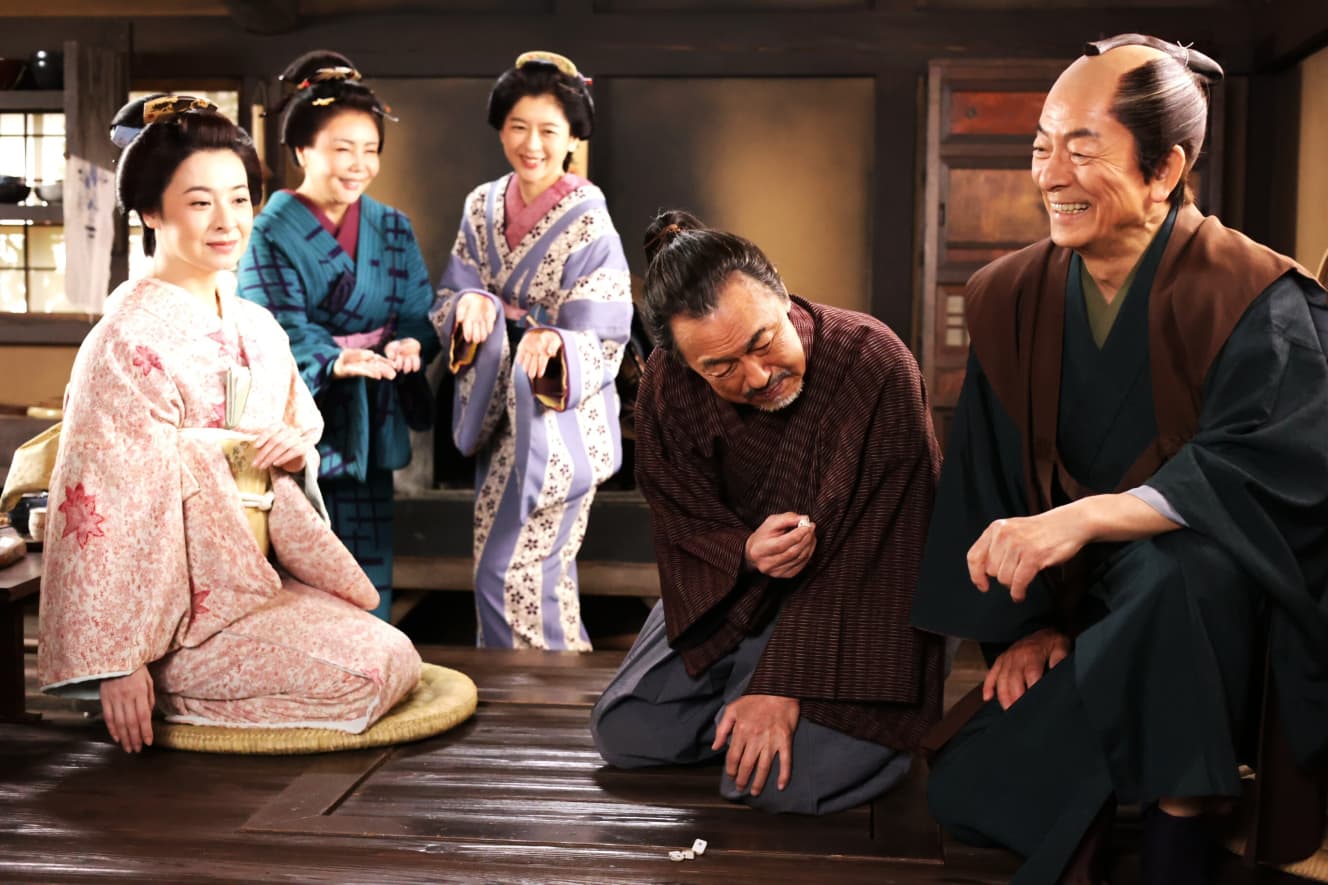
“It was just a scene where I had to carry out and serve some food, but the moment I took a step, he’d say, ‘No, that’s wrong!’ Director Kazuyoshi Yoshikawa, who is 91, gets incredibly angry with me every time. He’ll say things like, ‘Have you gotten stupid while I wasn’t looking?’ (laughs). But as you get older, you gradually get scolded less. I feel the affection behind the director’s reprimands, and I approach filming each year with a fresh mindset.”
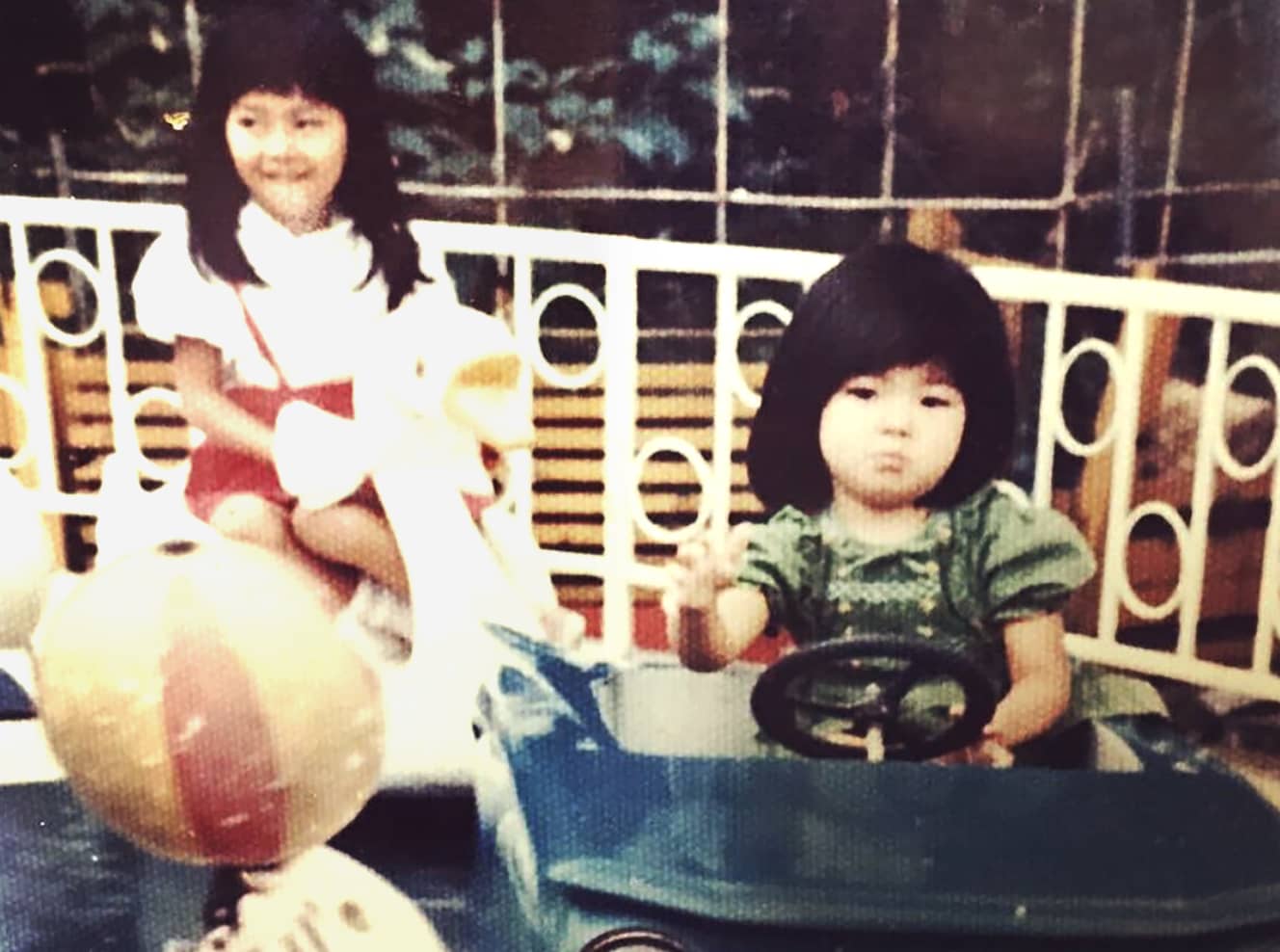
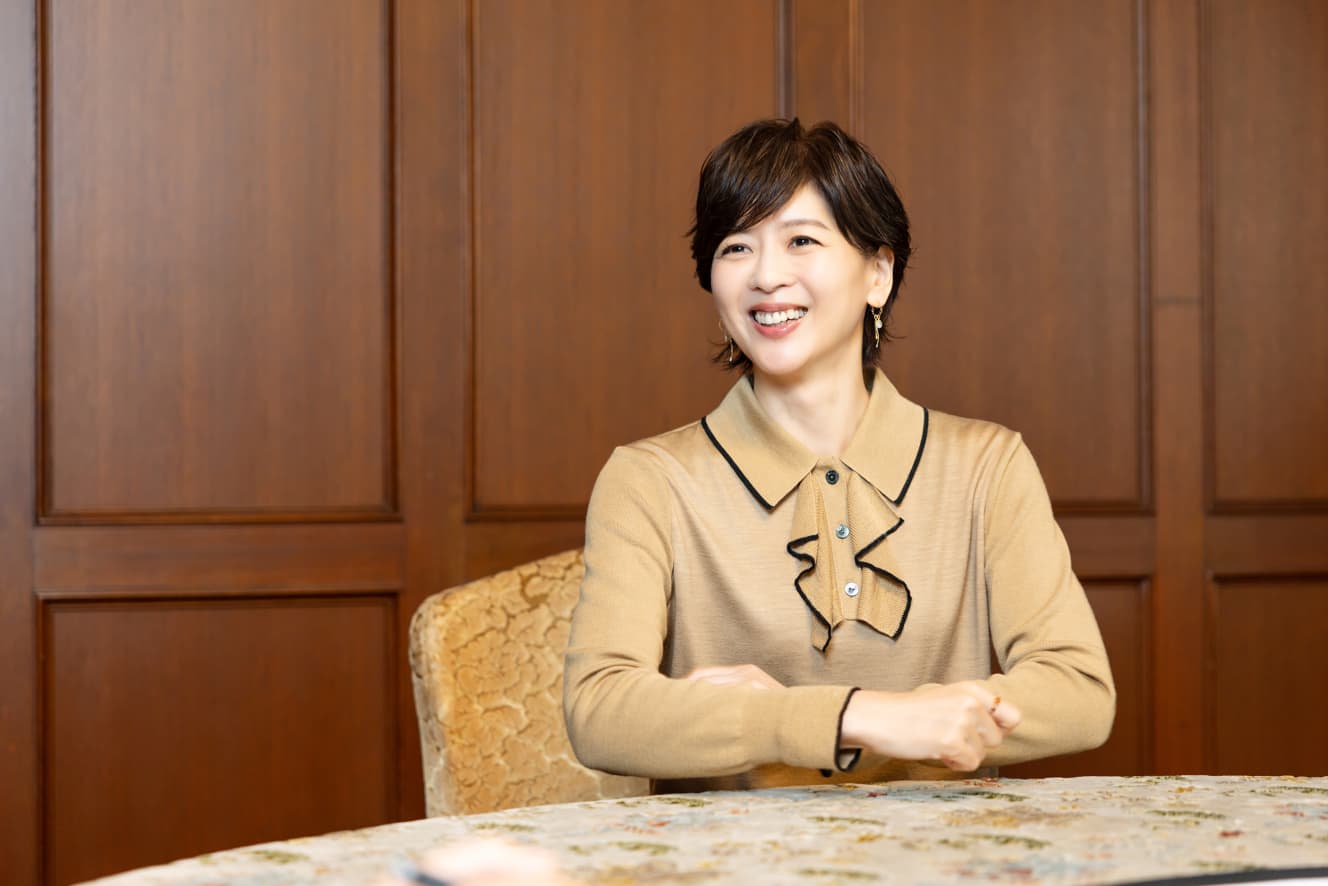
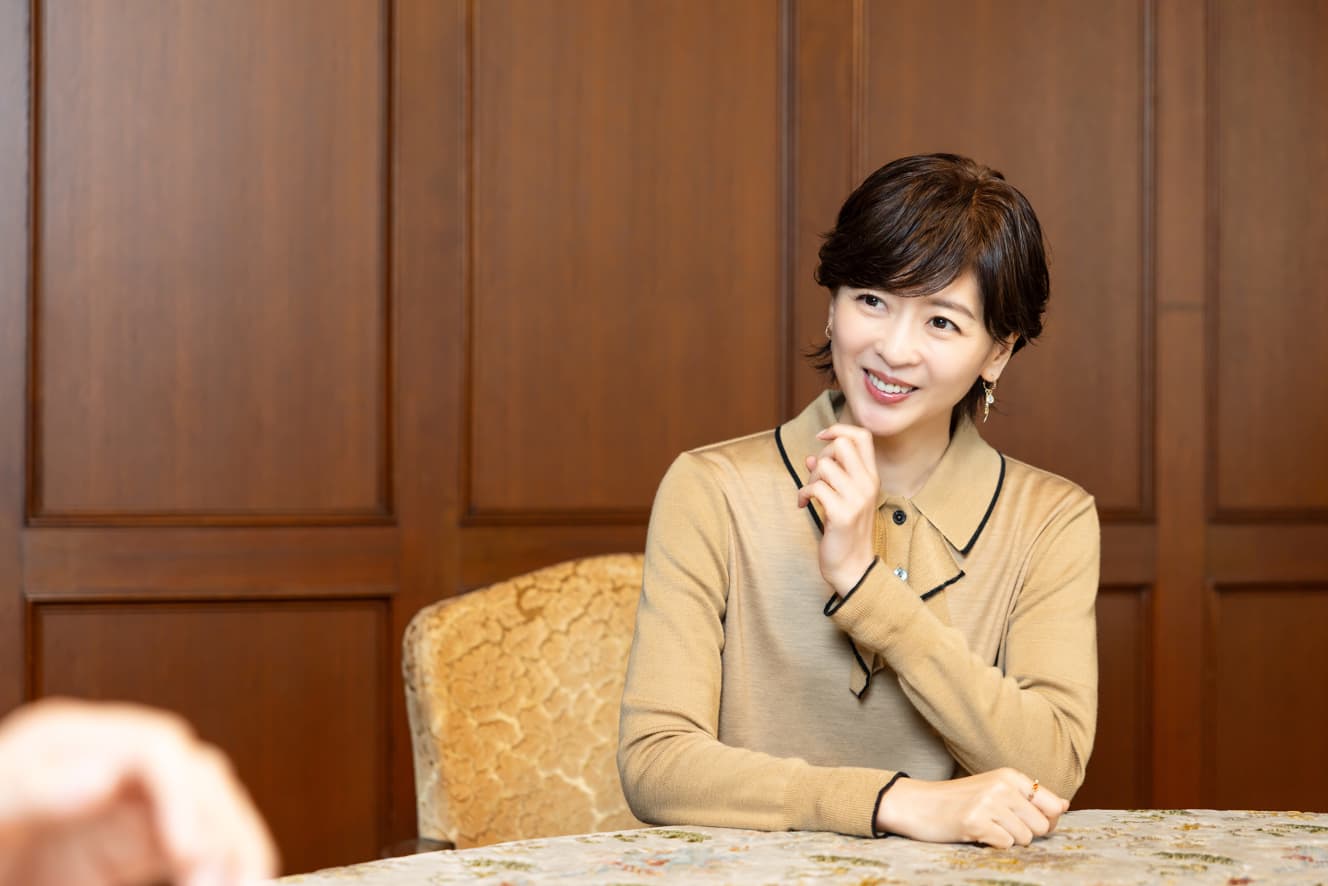
This year marks the 10th installment of the period-drama series “Muyōan Inkyo Shugyō” (BS Asahi, airing September 22), in which Shinobu Nakayama (53) plays Osaki, the proprietress of the restaurant frequented by the protagonist, Hanbei. Now a veteran actress, she was extremely shy as a child and had absolutely no interest in the entertainment industry. She says she was the complete opposite of her older sister, Miho Nakayama, who was three years older.
“My sister loved singing and wanted to become a singer. There used to be so many music shows on Sunday evenings, right? My sister wanted to watch music shows, but I wanted to watch anime. We fought over it, but I lost every time, so we ended up watching the music shows.”
Miho made her acting debut at 14 in “Maido Osawagase Shimasu” (TBS), and soon afterward debuted as a singer as well. Watching her older sister rapidly rise to become a top idol, one might assume that the entertainment industry became a familiar presence for Shinobu.
“It actually became something more distant. By the time I woke up in the morning, my sister had already left, and she wouldn’t come home until after I went to bed. I loved watching the programs she appeared on, but I felt like, ‘My sister has disappeared from home because she entered the entertainment industry.’”
Even Shinobu would eventually enter the entertainment industry, despite having no interest in it. At Narita Airport, where she had gone to see Miho off as her sister left the country for work, she was approached by director Keiichiro Yoshida (79), who was one of the staff members.
“I was eating ice cream at a café in the airport when he asked me, ‘How old are you? What club are you in?’ At the time, I didn’t even realize he was a director. I was thinking, ‘Who is this guy?’ All I could answer was, ‘I’m a junior high school student’ and ‘I’m on the volleyball team.’”
Shinobu’s shyness was on full display there as well, but afterward, word of “Miho’s younger sister” gradually made its way around the industry, and she received an offer to appear in a drama. She initially turned it down, saying, “Once I’m in high school,” but from there, she naturally ended up on the path toward entering show business.
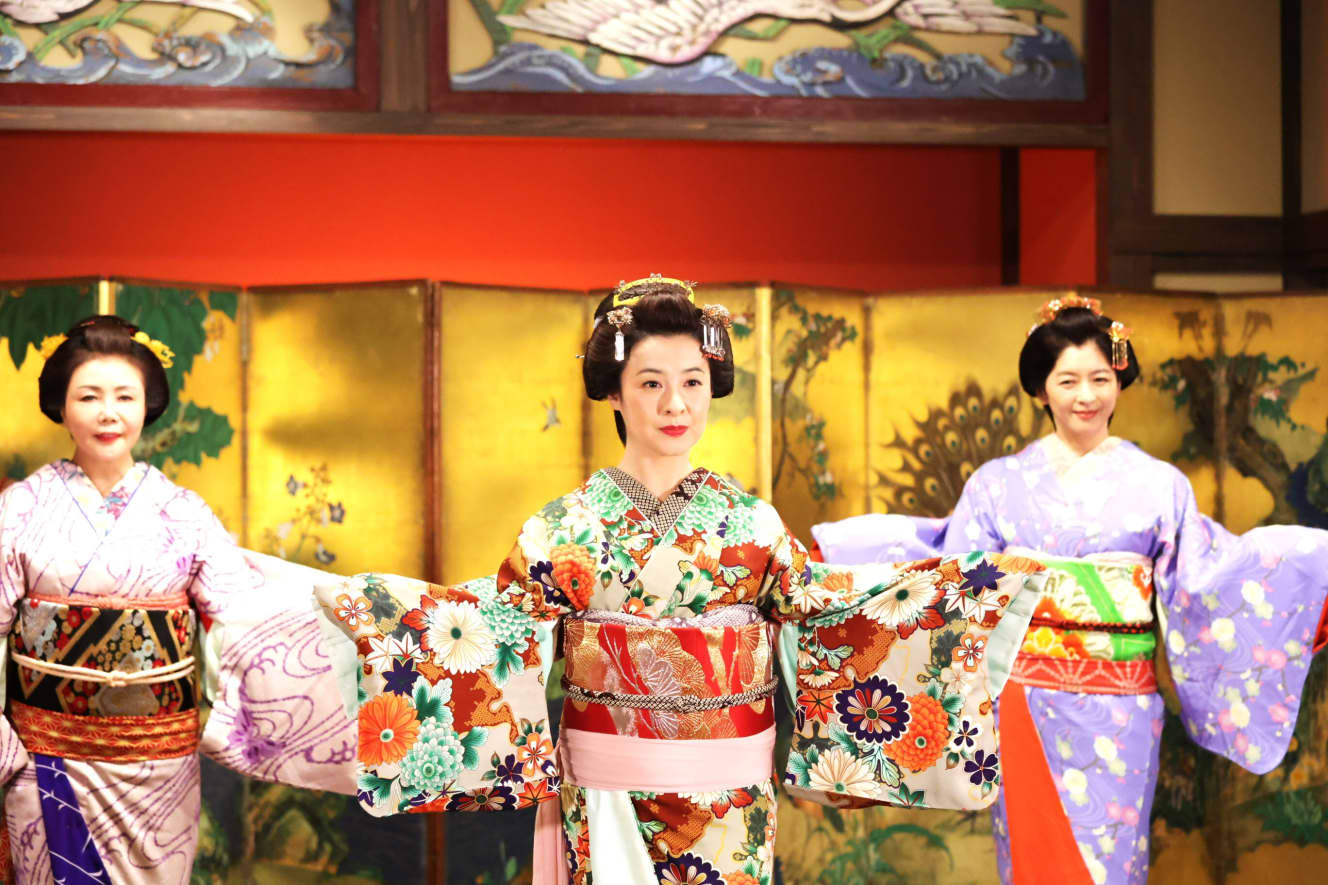
In 1988, when she was a first-year high school student, she made her acting debut in the drama “Otoko Darou!” (Fuji TV).
“Looking back, I was given a really good role, but I didn’t enjoy it at all. I couldn’t even manage the simple acting of riding up on a bicycle, coming to a quick stop, and calling out, ‘Big brother!’ When the media interviewed me and took photos, the more they told me, ‘Smile,’ the more I felt like crying and thinking, ‘I don’t want to.’”
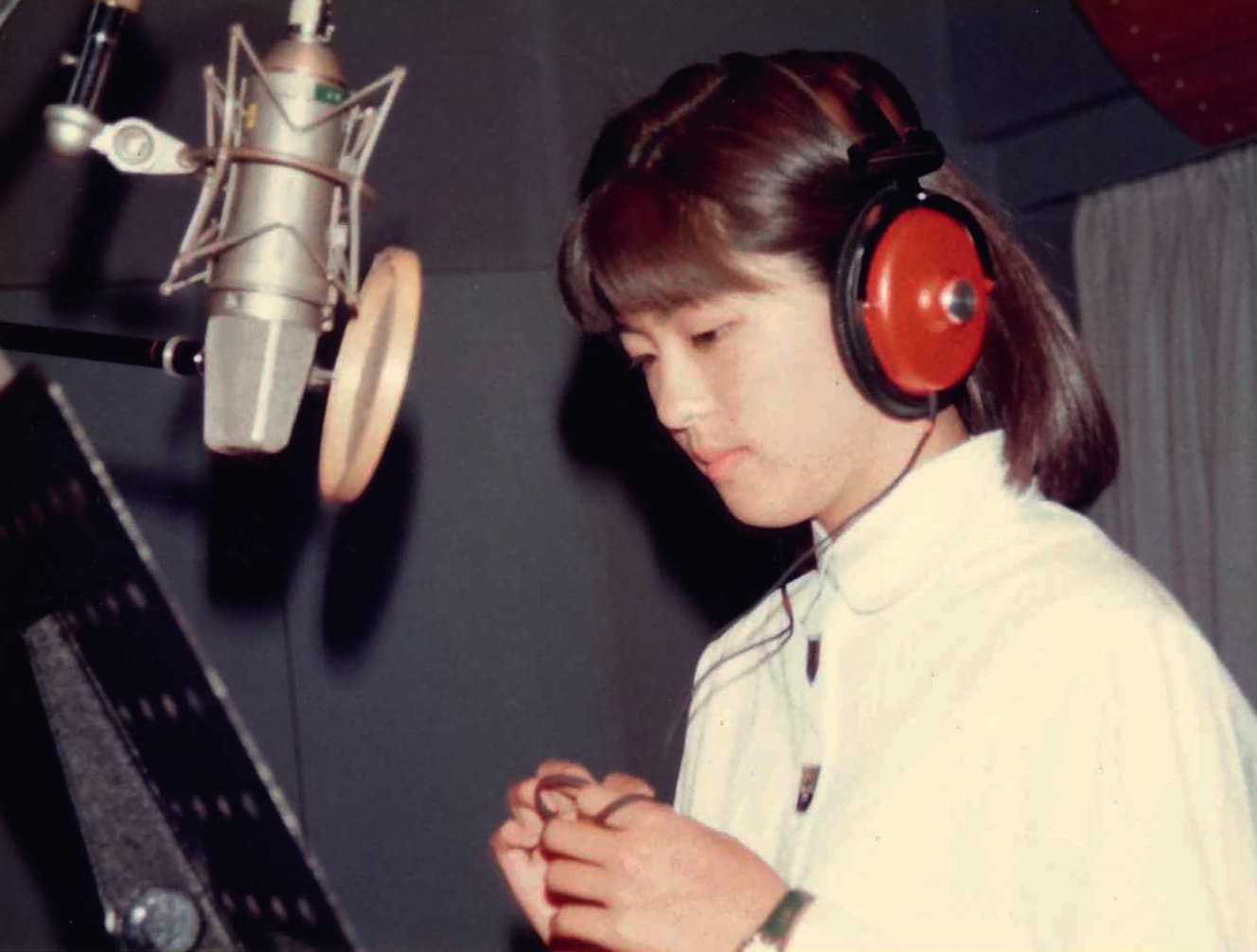
That same year, she made her singing debut with CBS/Sony. She also began her activities as an idol.
“I was just going along with everything, and they handed me the sheet music saying, ‘This is your debut song.’ I was incredibly fortunate, but at the time I didn’t appreciate it at all. The CD cover was photographed by Kishin Shinoyama, after all. I didn’t even understand how amazing that was.
“At events such as Hakata Dontaku, I would take turns singing with girls my age. Everyone else had entered show business with the dream of becoming an idol. I suppose I must have looked like I didn’t have much enthusiasm compared with them. I couldn’t even become friends with the other girls (laughs).
“I was happy when fans cheered for me at concerts, but I hated gravure shoots. I used to think, ‘Why do I have to lie down on rocks in a swimsuit? It hurts.’”
She describes herself as really rebellious during her teens.
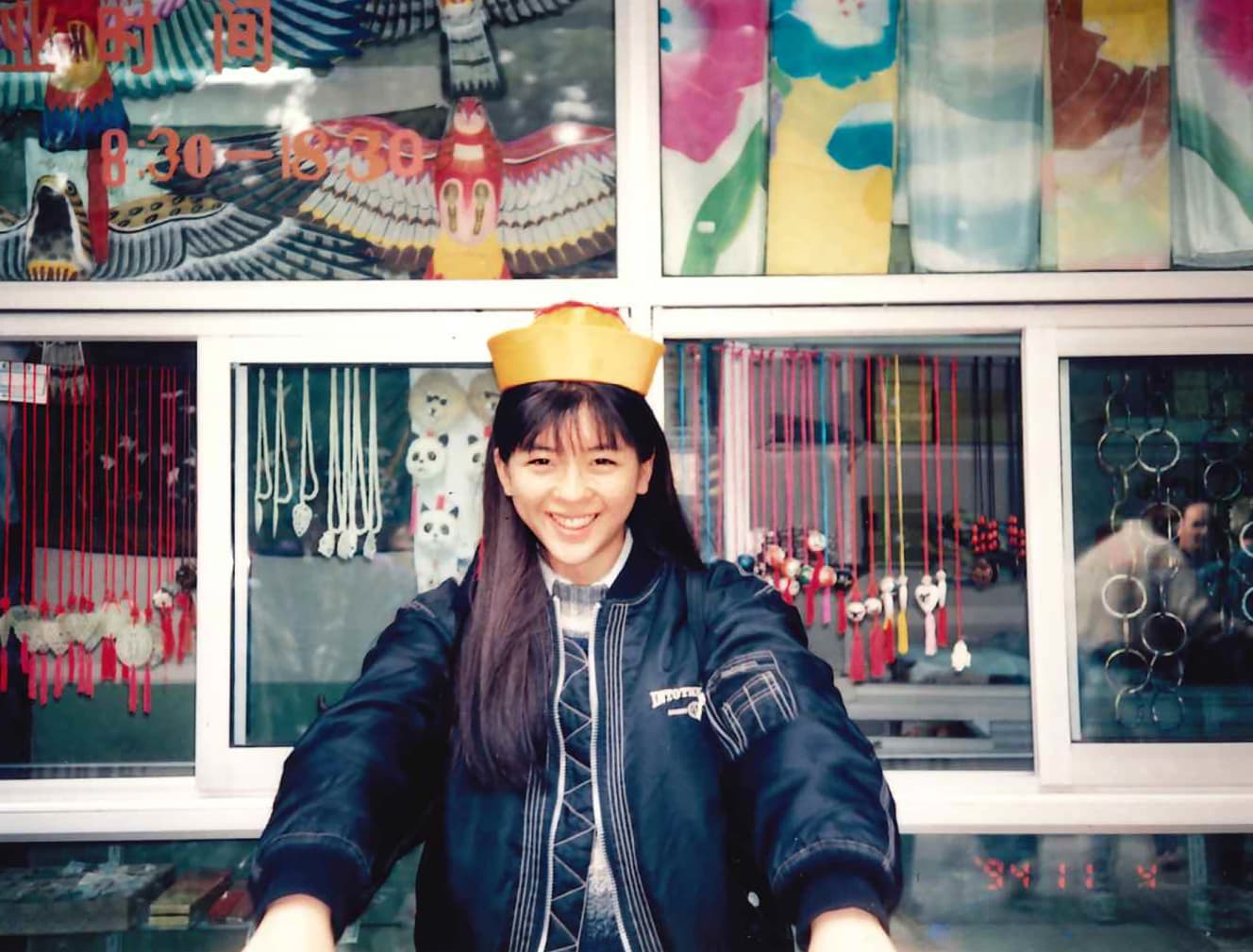
“I convinced myself that I was simply Miho Nakayama’s younger sister and not an important person in my own right. Whenever I was asked in interviews, ‘Who is your rival?’ I thought, ‘They definitely want me to say my sister,’ so I never mentioned her name even once. In that sense, I really wasn’t a very lovable kid.”
“I was the culprit 70% of the time (laughs)”
Looking back, Shinobu says she was an aimless teenager with little ambition who never saw anything through to the end. The turning point came when she was 19 and appeared in “Keiji Kizoku” 3 (Nippon TV), starring Yutaka Mizutani (74).
“In the shows I had appeared in up until then, I wasn’t scolded all that much even when I made mistakes. Maybe it was because people saw me as an idol actress. But that drama was filmed on film by the same staff who worked on ‘Taiyo ni Hoero!’ (Nippon TV), and whenever I made a mistake, I would get yelled at. Film was expensive, after all. They’d even shout, ‘I’ll deduct it from your pay!’
“The directors were all pretty intimidating too. They would tell me, ‘Keep doing it until you can,’ and looking back, they were actually spending a considerable amount of time on me for my sake. After struggling to do it, when I finally got it right and was told, ‘That was good,’ I experienced a sense of accomplishment for the first time—even though it had already been four years since my debut. I thought, ‘This is fun! This is what I want to keep doing!’ That was when I realized it.”
By the time the drama ended, she had turned 20. People around her advised her to continue singing and appearing on variety shows, but she decided to stake everything on acting. At that point, her female manager, who still works alongside Shinobu today, apparently transformed.
“She suddenly became really strict. Whenever I even looked like I was about to make a mistake, she’d come at me with such force that it was almost like she was going to flying-kick me (laughs).”
Shinobu is also known for appearing in countless two-hour TV dramas throughout her long career, with her total number of appearances reportedly approaching 200.
“The first time I played a murderer was in ‘Saotome Chiharu no Tenjo Hokokusho 2: Aomori Yukemuri Tour Satsujin Jiken’ (TBS), starring Yuko Natori (69). I played the fiancée of the heir to a prestigious family. People who knew about her past kept appearing and blackmailing her, eventually forcing her to commit murder. It was really interesting to spend 10 days to two weeks filming such a tightly condensed portrayal of a woman’s life. Ever since then. I’ve been the culprit about 70% of the time (laughs).”
She also struggled in her early 20s because she had yet to discover her own individuality.
“It was an era when someone like Kyoko Koizumi (60) could shave the sides of her hair despite being an idol, and being individualistic was celebrated. But I was just completely ordinary. People often told me, ‘You have no individuality’ and ‘You’re neither good nor bad,’ and I worried about that.
“But when I appeared in ‘Muta Keiji-kan Jiken File 22: Kanmon Kaikyo–Yokohama: Renzoku Satsujin ni Nazo no Onna!’ (TV Asahi), the manager, who was also Keiju Kobayashi’s younger sister, told me, ‘Being ordinary is the most difficult thing of all.’ Mr. Kobayashi was someone who succeeded playing ordinary people, right? I started thinking, ‘I see. I don’t have to force myself to stand out. I just need to take the role seriously and become that character.’”
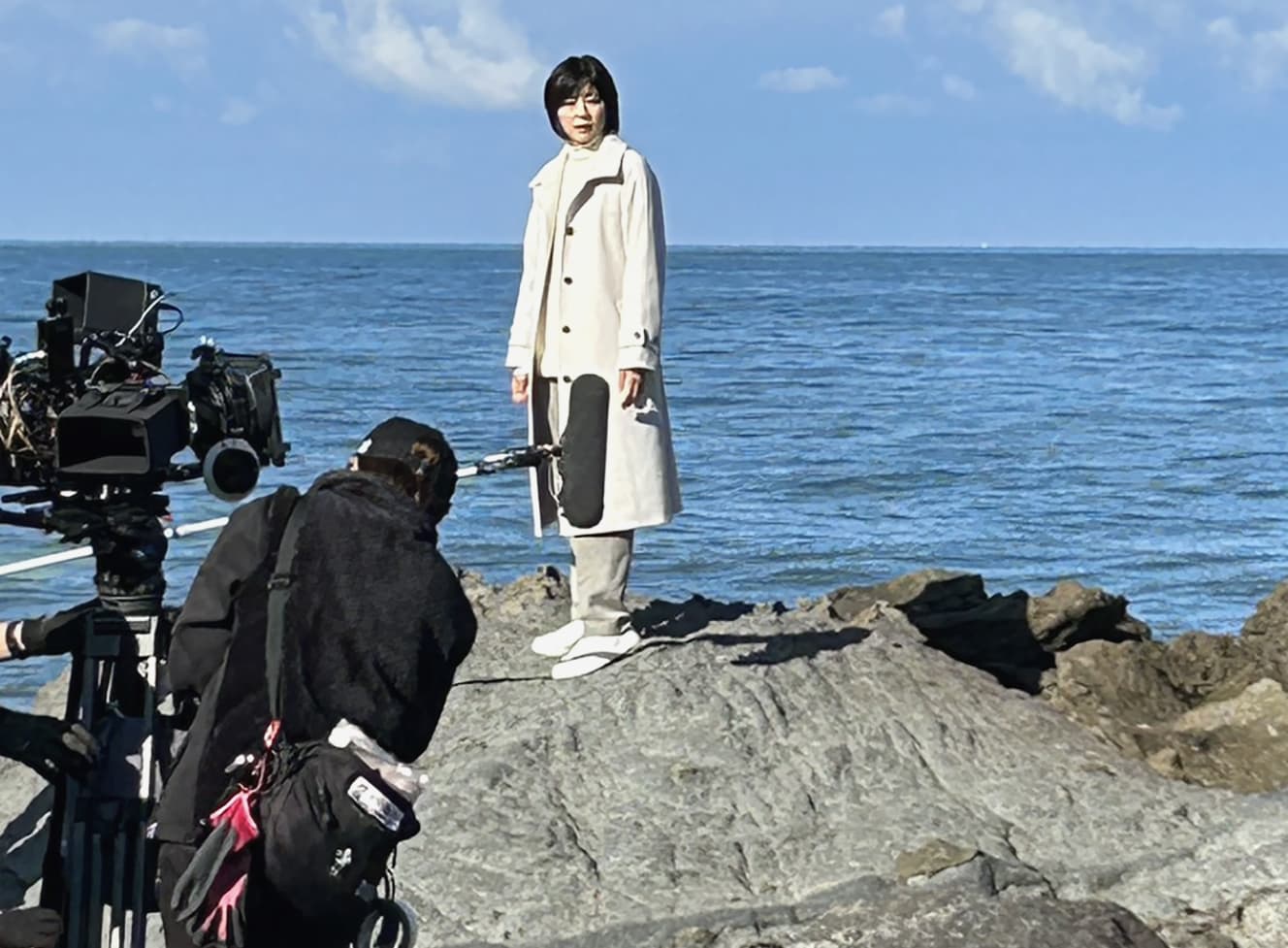
When it comes to two-hour TV dramas, a classic ending is the scene where the culprit is cornered on a sheer cliff overlooking the sea and confesses their crime. In industry jargon, this is known as the last stand.
“We start preparing at around 4 or 5 in the morning and film until sunset, but in summer, no matter how hot it is, there’s no shade. It’s a cliff, after all. In winter, on the other hand, it’s right by the sea, so the wind is strong and it’s incredibly cold. But that really conveys the feeling of being cornered, so we always end up saying, ‘The last stand has to be on a cliff’ (laughs).”
From the October 2 & 9, 2026, combined issue of “FRIDAY”
Interview and Text: Daisuke Takahashi PHOTO: Hiroyuki Komatsu, courtesy of Shinobu Nakayama