“It Was the Biggest Crisis of My Life”–Koki Kameda Opens Up About His Struggles as a Promoter and His Feelings for His Father


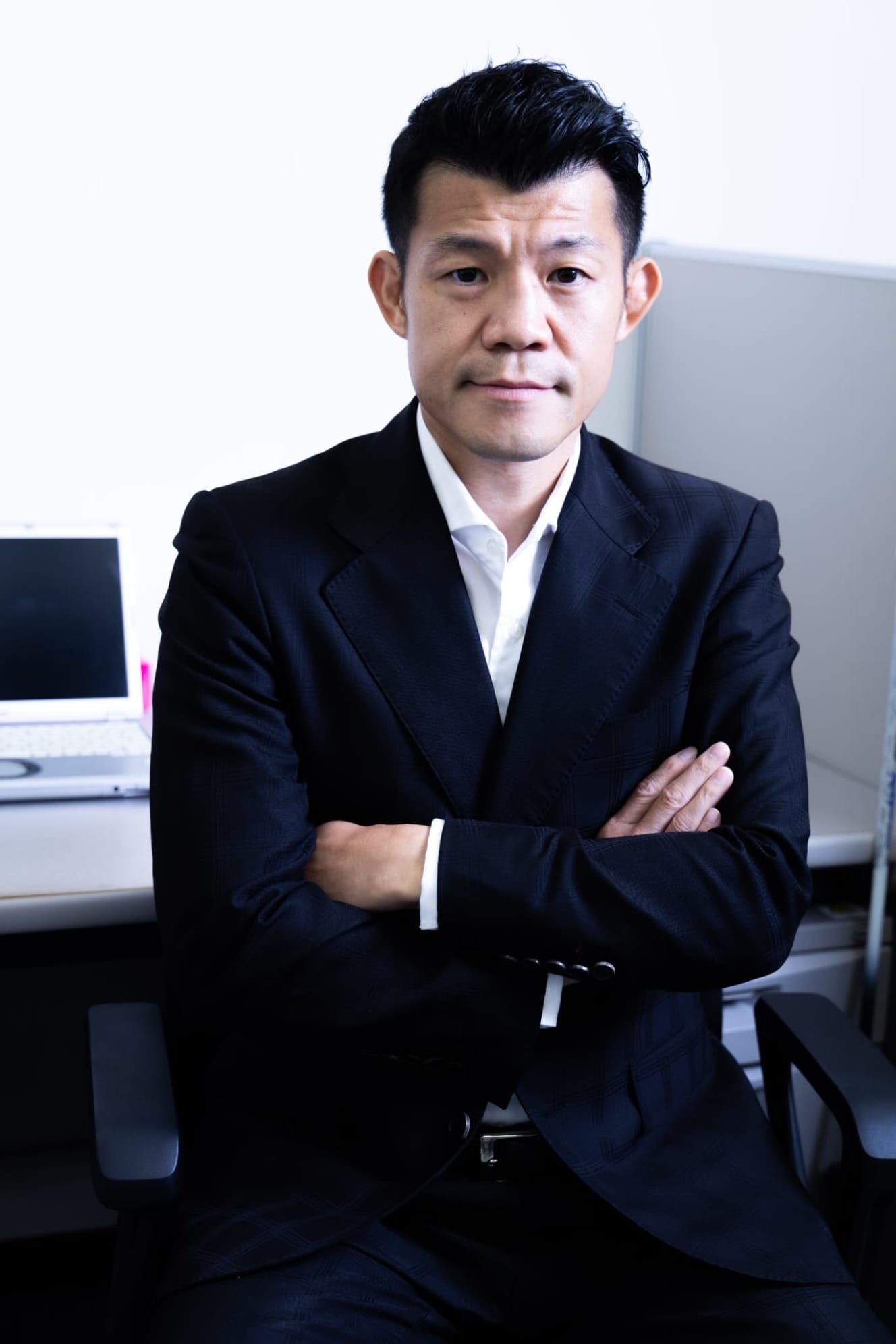
Struggling as a promoter
“I would like to sincerely apologize for causing everyone so much trouble and concern over this series of incidents.”
May 25 — Koki Kameda, 39, bowed deeply before the press. The former three-division world champion was clearly distraught.
It has been 11 years since his retirement. Since 2022, he has been working as a promoter and has staged 31 events.
However, in May this year, the Kyrgyzstan event of “SAIKOULUSH,” a boxing promotion Kameda was involved in promoting, was canceled due to financial difficulties. The reason was that LUSH, the company he had partnered with since 2024, suddenly terminated their business partnership.
An event scheduled to be held in Aichi in June also faced the threat of cancellation, but it ultimately went ahead thanks to an investment from CyberAgent, the parent company of ABEMA.
Kameda said he had “been running around trying to secure funding” and apologized to the press, as mentioned above. At times, he struggled to get his words out, and with tears in his eyes, he expressed his gratitude, saying, “Words cannot express it. I really cannot thank them enough.”
What is Kameda thinking now? We asked him about the series of incidents, his pride as a promoter, and the future he envisions for the boxing world.
— You serve as president of “Kameda Promotion” while also working as a promoter. What does your daily schedule look like?
“I split my time between Osaka and Tokyo. I come to the office around 9 a.m., read the newspapers and check stock movements before heading out to meetings and sales appointments. After being scammed and ending up with ¥700 million in debt, I’m done with investing, but I still find myself keeping an eye on the movements of Kioxia’s stock (laughs). At night, I have business dinners scheduled almost 100% of the time. I make a point of meeting people from a wide range of industries and backgrounds and incorporating the good things I learn from them. I work from morning until night. But I leave all the housework and childcare to my wife, so I really don’t do anything around the house (laughs).”
— This is your 21st year, and you are also the head of a company with multiple employees. How did you learn the skills needed to run a business?
“When I was a boxer, I left almost everything related to money to my tax accountant. After I retired, I started meeting more business owners, and they taught me the basics. I started by learning how to read financial statements, and as my knowledge grew, I became more interested in management. Once I get interested in something, I tend to focus on it and pursue it thoroughly. For example, when I play ‘Dragon Quest,’ I can’t rest until I’ve gotten all the way to level 99. I’m still studying every day.”
— You have been a promoter for about four years. In the boxing world, it is often said as though it were a given that boxing events don’t make money. What is the reality?
“A lot of money changes hands, and there are so many people involved that for world-title events, you can’t make them pay without relying on major video-streaming services like ABEMA, Amazon, and U-NEXT. That’s the reality. If I had to sum up a promoter’s job in one phrase, it would be, ‘How do you bring in the money?’
“Once I started putting on events, there were honestly all kinds of difficulties. We were in the red by several million yen from the very first event. There were also attendance restrictions during the COVID-19 pandemic, and we struggled with bringing in sponsors. We had to carefully take the time to explain that boxing is a sport divided into weight classes, with rules shared around the world, and that’s what makes it different from other combat sports. But that experience also taught me a lot about understanding how well-known boxing is and where it currently stands.”
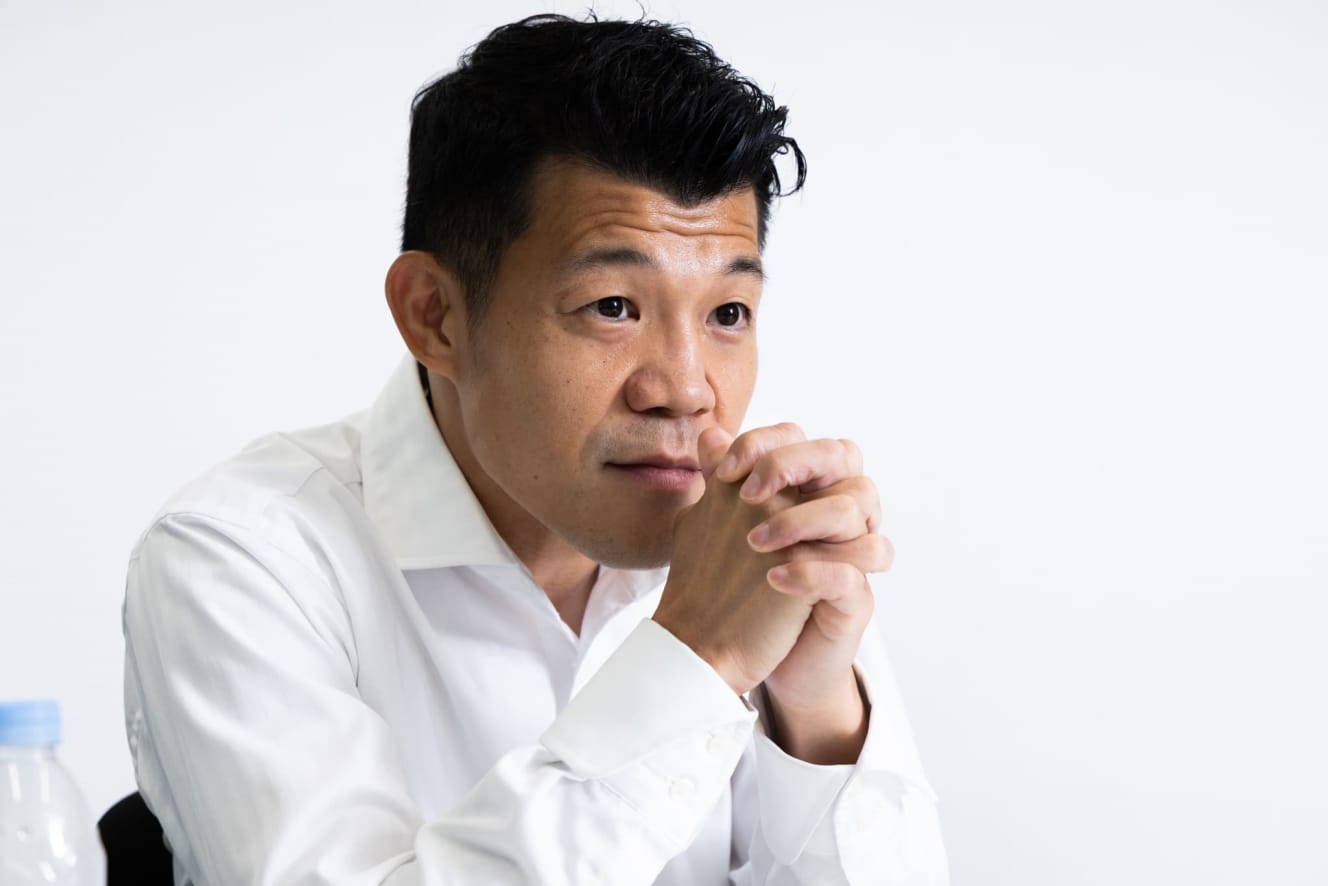
“I owe who I am today to my father”
— You faced considerable criticism over the cancellation of the “SAIKOULUSH” event in Kyrgyzstan and the series of incidents that followed. If the Aichi event had also been canceled, you could have faced a suspension of your promoter license.
“When I was an active boxer, not only was the license for Kameda Gym denied, but our boxer licenses were also refused for renewal, effectively making it impossible for all of us brothers to fight in Japan. There was also a lawsuit seeking damages from four people affiliated with Kameda Gym after false statements were made alleging that a JBC (Japan Boxing Commission) employee had been assaulted, confined, and threatened with violence and extortion. (Kameda Gym won the case.)
But this was the biggest crisis of my life. The stress caused my hair to thin, and I ended up with a head like Sagojo (laughs). I have nothing but gratitude for everyone who helped us, including CyberAgent.
These days, I don’t let criticism from outside shake my emotions. I just focus on what I need to do. It would be a waste of time to worry about it, so I’m simply looking ahead and thinking about the next event.”
— You said that the sudden termination of the partnership with LUSH made it difficult to secure funding.
“That was certainly one aspect of it, but it’s also true that our partnership with LUSH allowed us to stage many world-title fights. So I’m grateful for that as well. Holding world-title fights helped establish Koki Kameda’s name as a promoter and gave me an opportunity to accumulate experience. Going forward, I want to use what I’ve learned from this experience to stay grounded and nurture the ‘3150FIGHT’ brand.”
— Tell us how you came to return to the Japanese boxing world, which you had once parted ways with.
“The lawsuit with the JBC had come to an end. Around that time, I took over ‘KWORLD3,’ an amateur boxing gym my father had established, and launched a new professional boxing gym. That was the catalyst.
I had my father’s trainer’s license reinstated as a way of doing something for my father. After all, the Koki Kameda I am today is ultimately thanks to my father. The way I relate to my brothers has changed as we’ve gotten older, but the way I relate to my parents hasn’t.”
— In 2025, you also ran in the election for chairman of the West Japan Boxing Association.
“Right now, boxing gyms across Japan each put on their own events. When that happens, regional gyms without the financial resources or connections to the world sanctioning organizations (WBA, WBC, IBF, and WBO) cannot promote talented boxers they have developed themselves, and as a result, those fighters end up moving to major gyms.
I want it to become the norm for fighters to bloom where they were raised. That’s why I launched ‘3150FIGHT’ five years ago as a combat-sports platform where fighters can compete regardless of which gym they belong to. I also ran for chairman of the West Japan Boxing Association because I wanted to reform the boxing world. I lost the election, but it has been encouraging to see so many people support the manifesto I put forward for reforming the boxing world.”
— What is your vision for the future as a promoter?
“I want to break away from the current concentration of everything in the Kanto region. I want to put on more and more world-title fights and big matches in regions outside Kanto as well. That said, I don’t have the financial resources to do that yet, so I’ll start with events that are within my means.
I want to promote promising boxers from gyms in Kansai and other regions while supporting them together with their gyms. A lot happened during my active career, but Koki Kameda exists today because of boxing. I sincerely want to undertake initiatives that will allow me to give something back to the boxing world, even if only in a small way.”
PHOTO: Kazuhiko Nakamura