Experts Sound the Alarm Over a Surge in Urban Wildlife Across Tokyo’s 23 Wards—Why Vacant Homes Are Becoming New Breeding Grounds


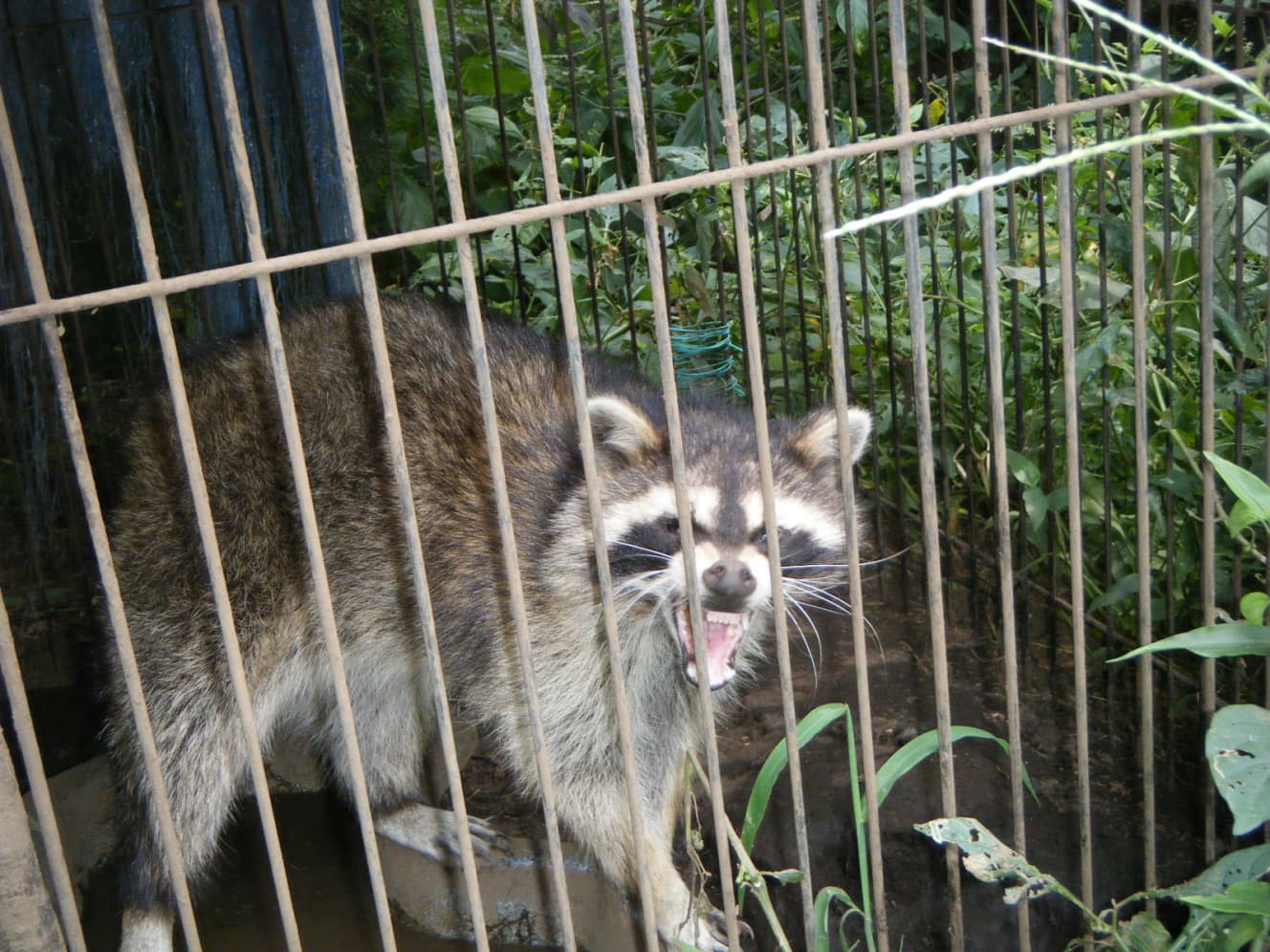
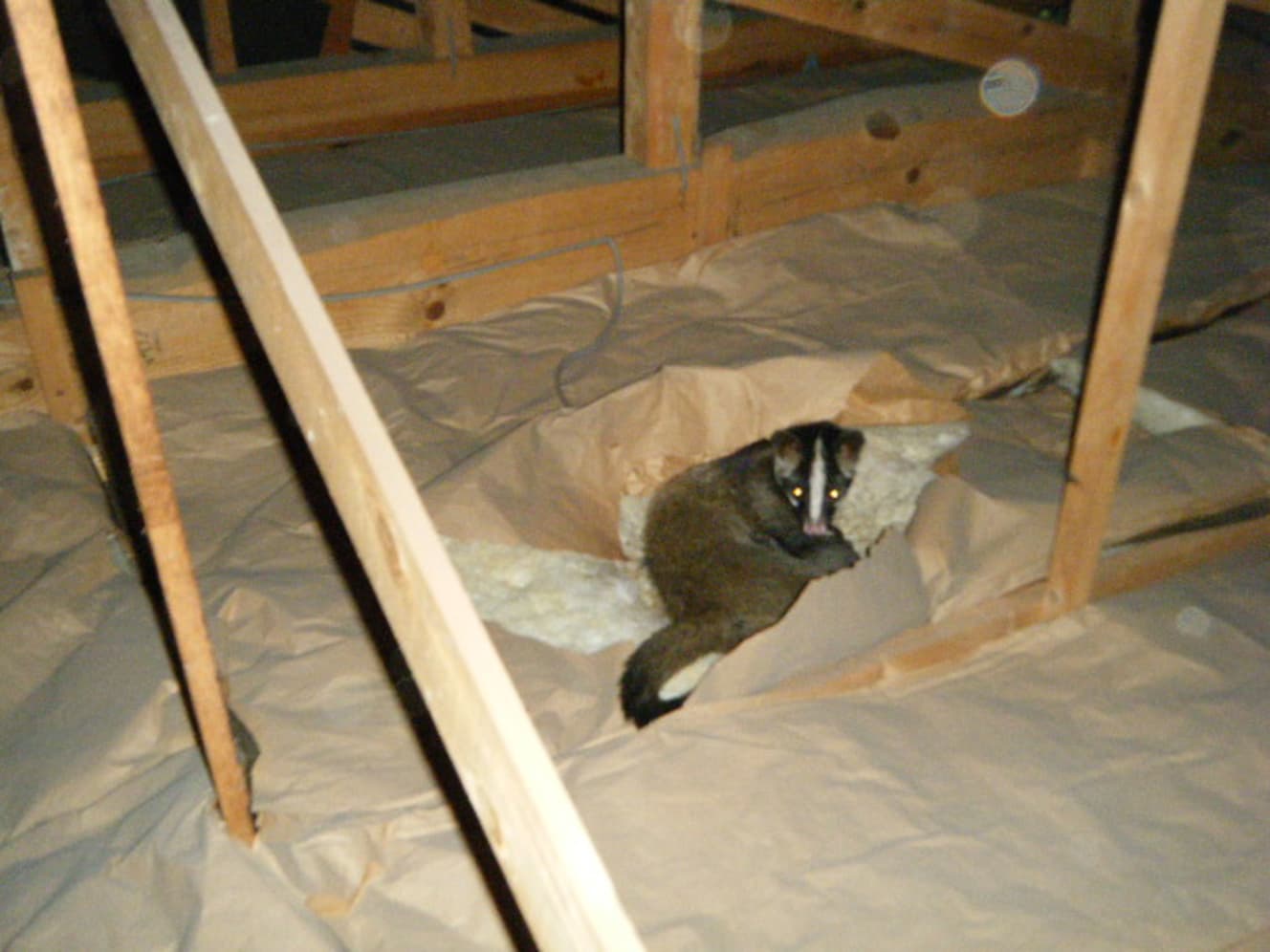
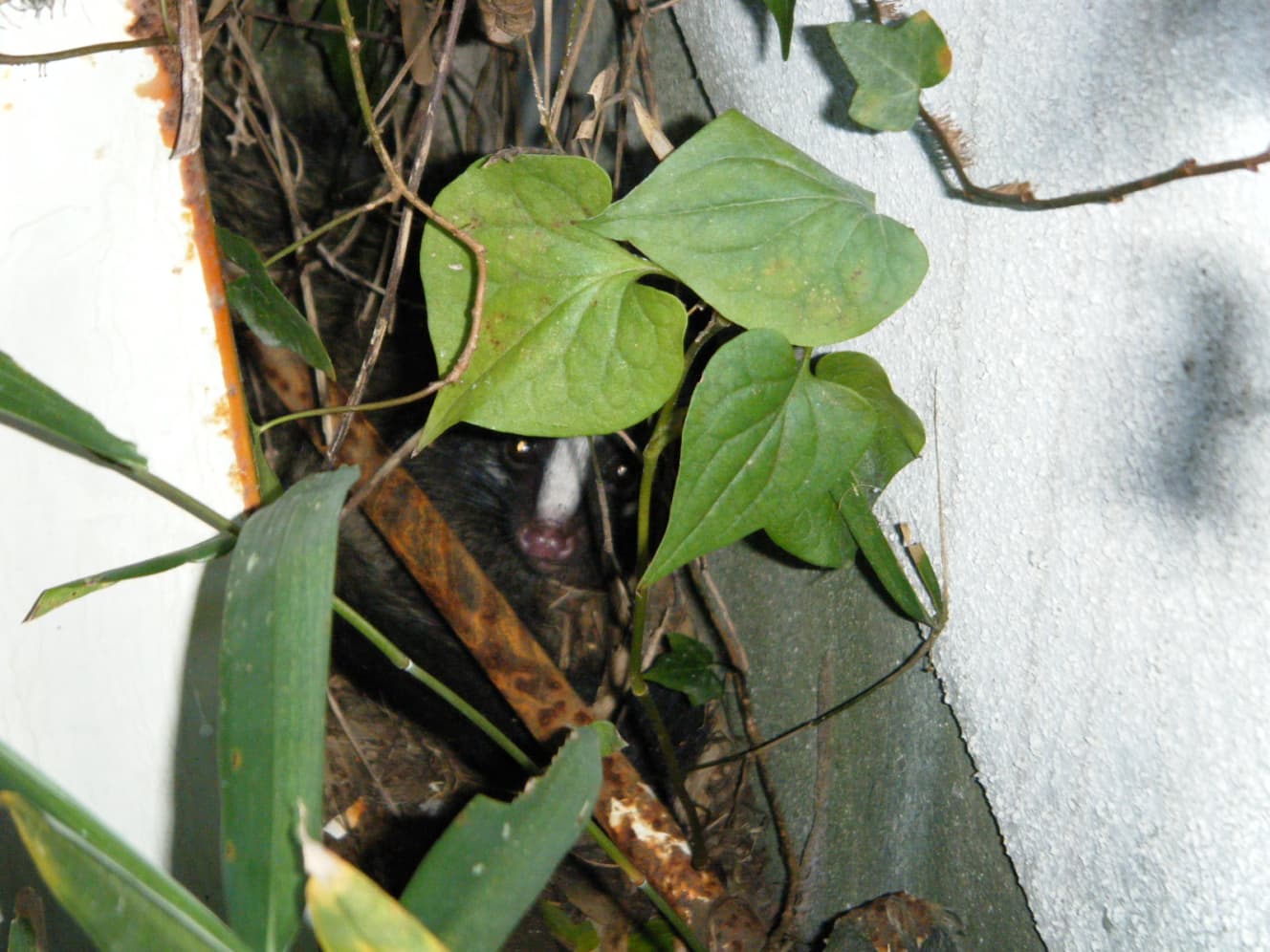
When people hear the term wild animals, many probably picture bears appearing in mountainous areas. However, wild animals such as raccoons and masked palm civets are now expanding their habitat into residential neighborhoods in Tokyo’s 23 wards.
According to the Tokyo Metropolitan Government’s Bureau of Environment, raccoons are expanding their distribution throughout the wards, while masked palm civets have already been confirmed across almost all of the 23 wards. Videos of wild animals filmed in residential neighborhoods and around train stations also frequently attract attention on social media, prompting many surprised reactions such as, “Why are they here in the middle of the city?”
While bear attacks on people continue to occur across Japan, an entirely different kind of wildlife is quietly becoming more prominent in urban areas. Why are raccoons and masked palm civets increasing in Tokyo’s 23 wards?
Why urban wildlife is increasing rapidly
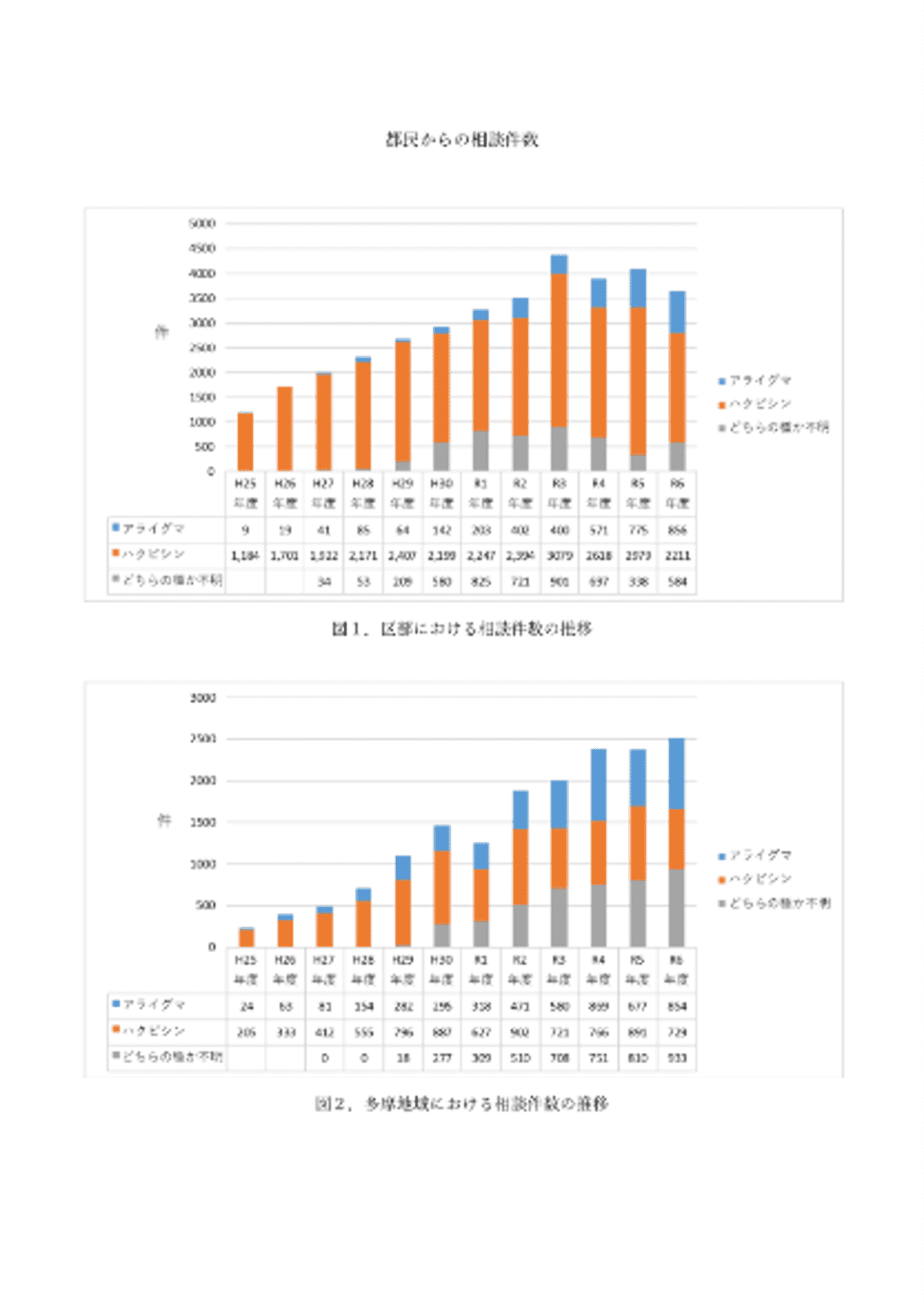
Associate Professor Kaoru Suzuki of Tokyo University of Agriculture and Technology explains, “It is not simply that they have become easier to spot. As can be seen from surveys conducted by the Tokyo Metropolitan Government’s Bureau of Environment, we believe that the actual number of animals has increased as well” (see graph). He analyzes that rather than the human environment undergoing major changes, the animals themselves have largely adapted to the urban environment.
“Crows are a typical example, but raccoons and masked palm civets can also be considered animals that have adapted to urban environments. For wild animals to settle and live somewhere, they need food, shelter, and places where they can reproduce and raise their young. The fact that animals are appearing means that there is an environment nearby that provides all of these conditions.
In a major urban area such as Tokyo’s 23 wards, they can feed on leftover food discarded by people, settle in attics and ceiling spaces where they can escape the rain and wind, and use rivers, irrigation channels, and roadside drains as routes for moving around. For nocturnal animals such as raccoons and masked palm civets, residential neighborhoods can be considered a comfortable environment to live in.”
The ceiling collapsed and a raccoon fell through
Pest-control companies are experiencing these changes firsthand. Sho Uchida, general manager of pest-control company “Kujo Saurus,” says, “We’ve seen a particularly sharp increase in inquiries about raccoons this year.”
“In the past, most cases were in the Tama area, Kanagawa, Chiba, and Saitama, but recently they have also been confirmed in Tokyo’s 23 wards, including Setagaya and Sumida. Their numbers have increased, and they may have been spreading toward central Tokyo while moving along rivers near prefectural borders, such as the Tama and Sumida rivers.”
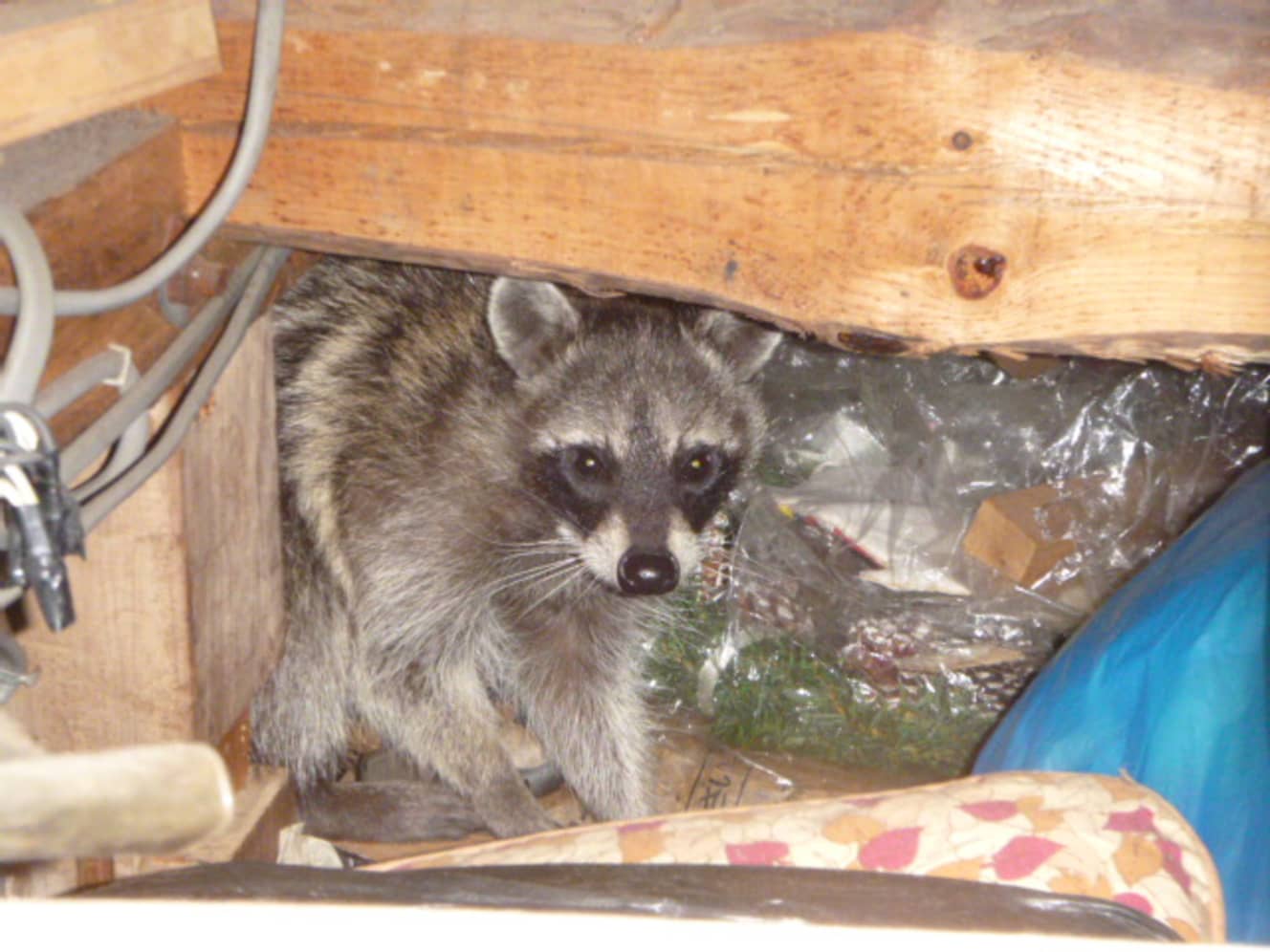
Much of the damage occurs in the attics of wooden houses. There is the noise of them running around at night, droppings in the attic, the emergence of ticks and fleas, and the risk of infectious diseases――.
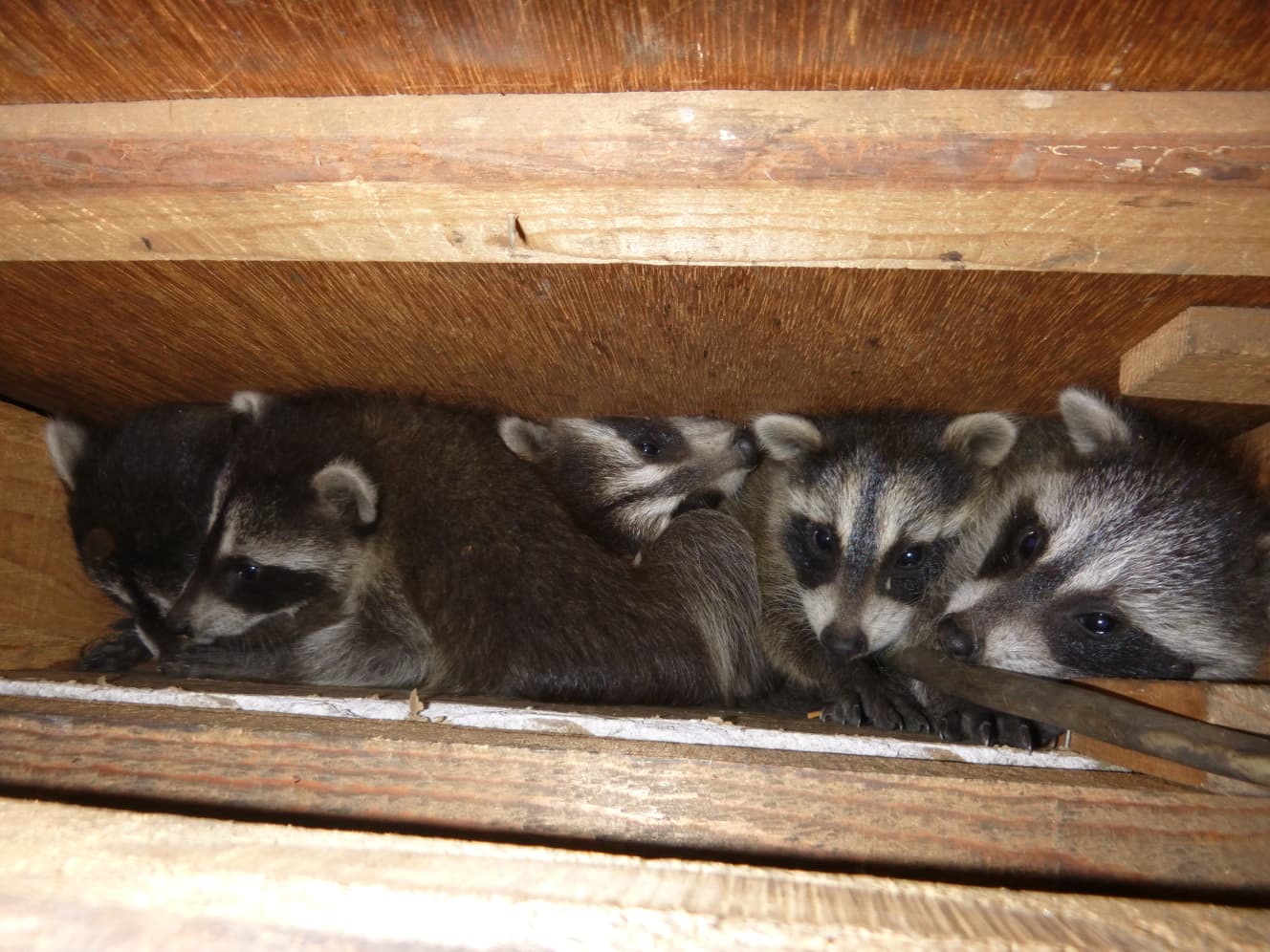
“I once rushed to a property after receiving a report that repeated defecation in the attic had caused the ceiling boards to rot, and the ceiling eventually collapsed under the raccoon’s weight, causing it to fall directly into the room. In Setagaya Ward, we also encountered a case where a raccoon had given birth to six babies in an attic.
People tend to associate raccoons with eating things like nuts, but they are actually omnivores. We also receive reports of koi and goldfish kept in garden ponds being eaten.” (Uchida, quoted above)
Because of their adorable appearance, many people who spot a raccoon may feel like getting closer to it. However, Uchida warns, “They have sharp claws and teeth. It is extremely dangerous to feed them or approach them simply because they look cute.”
What wild animals in Tokyo should people be most cautious of right now? Uchida continues:
“If I were to rank them, I would put bats at No. 1, as they become most active during the summer; raccoons at No. 2, as their population is increasing; and hornets at No. 3, whose nests tend to grow larger due to the effects of extreme heat.
Raccoons and masked palm civets give birth in spring and fall, so I get the impression that many households only realize they have taken up residence during the summer. The number of extermination requests is also on the rise, and I expect the population of these animals in the 23 wards to continue increasing without question.”
Associate Professor Suzuki, mentioned earlier, says:
“Unnecessary contact between people and animals can be considered the greatest risk. There are not only adverse effects on the ecosystem, but also public-health concerns involving infectious diseases and parasites. People also need to be cautious about severe fever with thrombocytopenia syndrome (SFTS), which can be transmitted by ticks. It is important not to approach wild animals recklessly and to avoid being bitten or contracting diseases from them.
Without any countermeasures, it is unlikely that their numbers will naturally decline. One concern is the issue of vacant houses—buildings that have been left unmanaged for long periods. Going forward, greater caution will also be necessary as large wild animals may travel along riverbanks and appear in urban areas.”
It is not just bears in mountainous regions. People living in cities have also entered an era in which they must learn to coexist with wild animals.