[Chiba’s Killer Downpour] Mountains of Disaster Waste Left on Streets Raise Fears of Foul Odors & Infectious Diseases
Walking Through Disaster-Prone Japan—Residents Lament: “Almost all our furniture is destroyed. We made countless trips to the temporary storage site in a rental car,” and “The tatami mats are so heavy with water that we can’t even lift them.”


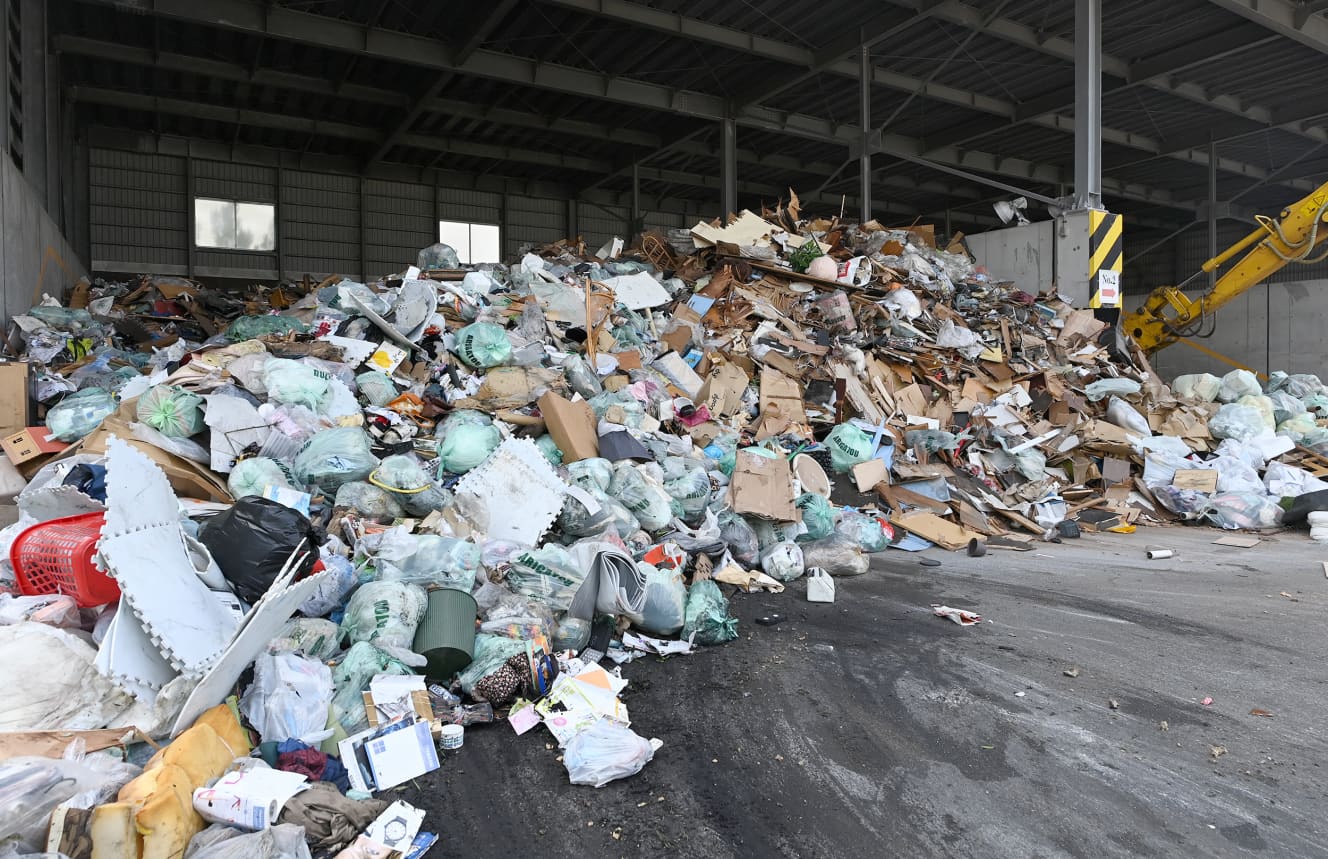
Garbage disposal proving difficult
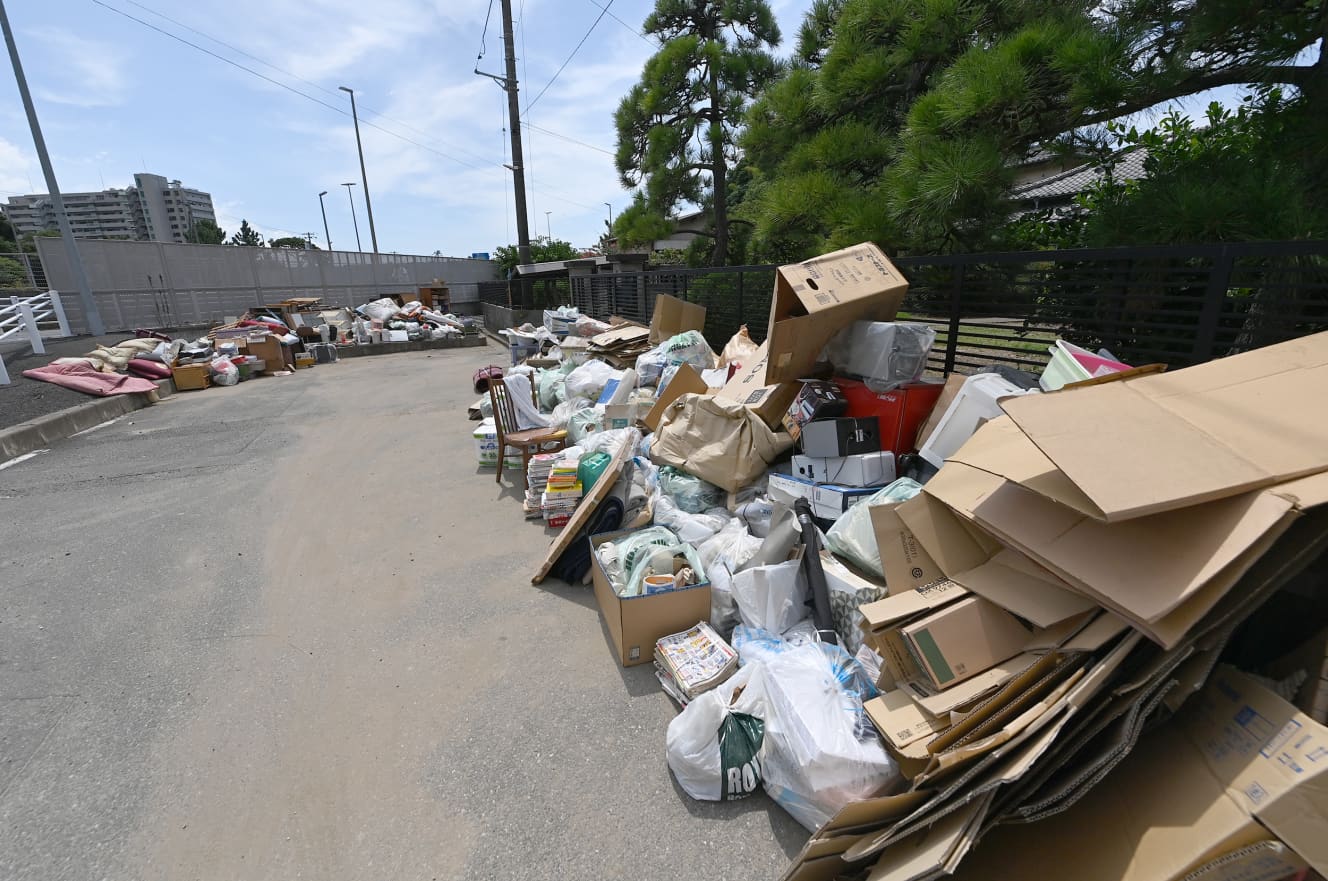
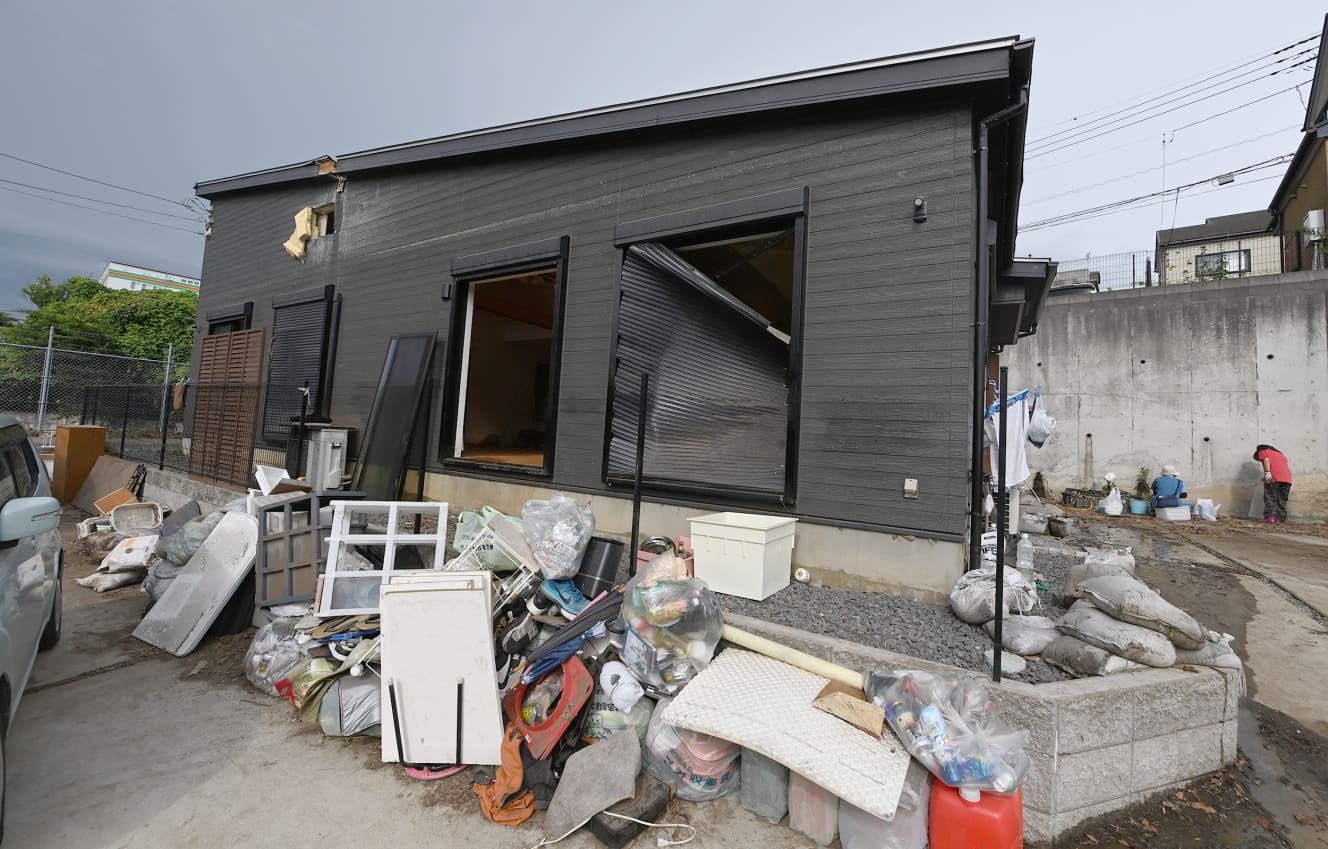
“Just when I thought water was starting to collect on the roads, the house was flooded above floor level in no time. We struggled to carry the water-damaged furniture and other garbage out of the house, but it is still sitting in front of our home.”
So says a man in his 60s who lives in Inage Ward, Chiba City.
From August 13 into the early hours of August 14, Chiba Prefecture was hit by the “August 2026 Chiba Torrential Rains.” Level 5 “Heavy Rain Special Warnings” warning of imminent danger to life were issued in 22 municipalities, while Chiba City recorded 367 mm of rainfall over 24 hours, the highest amount ever observed there. Across the prefecture, 13 people died and one remains missing, while more than 4,100 buildings suffered flooding above or below floor level (as of August 25).
Two weeks have passed since the torrential rains――. Although the floodwaters have receded, disaster waste, including household belongings rendered unusable by flooding, has become a major problem. Municipal governments are collecting furniture and other items made unusable by the torrential rains free of charge. However, the sheer volume of waste has made smooth collection difficult. The man from Inage Ward, Chiba City, mentioned above, explains:
“Tatami mats that have absorbed a lot of water are too heavy for one person to carry. After somehow sorting everything, I finally managed to line it up along the road in front of my house, but apparently the municipality has been receiving a flood of collection requests. I have no idea when they will come to pick it up.”
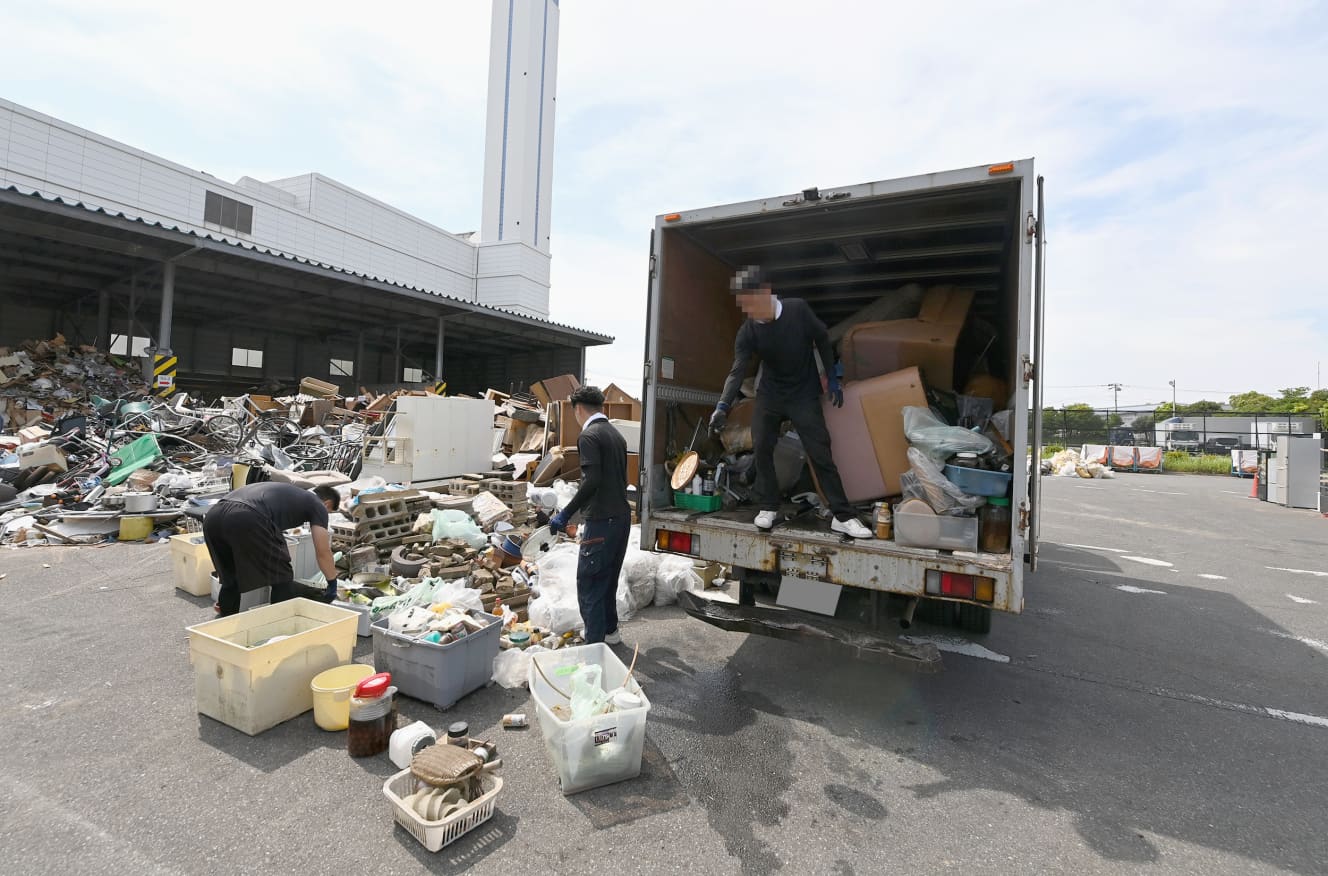
Chiba City has established two temporary garbage collection sites. When this reporter visited one of them, a huge amount of garbage stretched out before their eyes. Large household appliances such as refrigerators, televisions, and washing machines, as well as computers, electric fans, sofas, futons, and virtually every kind of item used in everyday life could be seen.
One man who rented a van and transported his garbage himself rather than relying on the city said:
“I rented a car and came to the temporary storage site with some acquaintances to dispose of furniture that was almost completely destroyed by the flooding. This is our second trip, but we’ll need to make at least one more before we’re finished.”
According to Chiba City, disaster waste brought to the temporary storage sites is immediately sorted using heavy machinery before being transported to disposal facilities. However, more and more waste continues to arrive, and the volume keeps growing. Garbage from elderly residents and others who cannot transport it themselves is piling up along the streets, while the temporary storage sites are also nearing capacity—a vicious cycle.
Moreover, the garbage problem could cause secondary damage in the disaster-hit areas. Associate Professor Nobuhisa Hirayama of Nagoya University’s Disaster Mitigation Research Center points out:
“Flood disaster waste is prone to microbial growth because of the nutrients contained in the mud, sharply increasing health risks such as foul odors and waterborne infectious diseases. To prevent delays in collection, rather than waiting for individual requests from disaster victims, measures such as designating collection days for each district and carrying out mass collections are necessary. Cooperation from disaster victims in sorting the waste is also essential in order to keep disposal costs down and reduce the burden on taxpayers.”
Disaster waste continues to accumulate faster than it can be collected. There is still no clear timeline for when the waste will finally disappear from the disaster-hit areas of Chiba.
From the September 11–18, 2026, combined issue of “FRIDAY”
Reporting, Text, and Photography: Masayuki Katayama (Journalist)