“What Happened to the Fun?” A Meitoku Gijuku Veteran on the Changing Face of High School Baseball
Legendary Koshien Managers Discuss “What Is Happening in High School Baseball Right Now?” Part 1… A Prodigy Scouted by Over 30 Schools Was Drawn to “Pitch Count Management” and Chose a Prestigious School in Gunma


Warning about the intensifying scouting
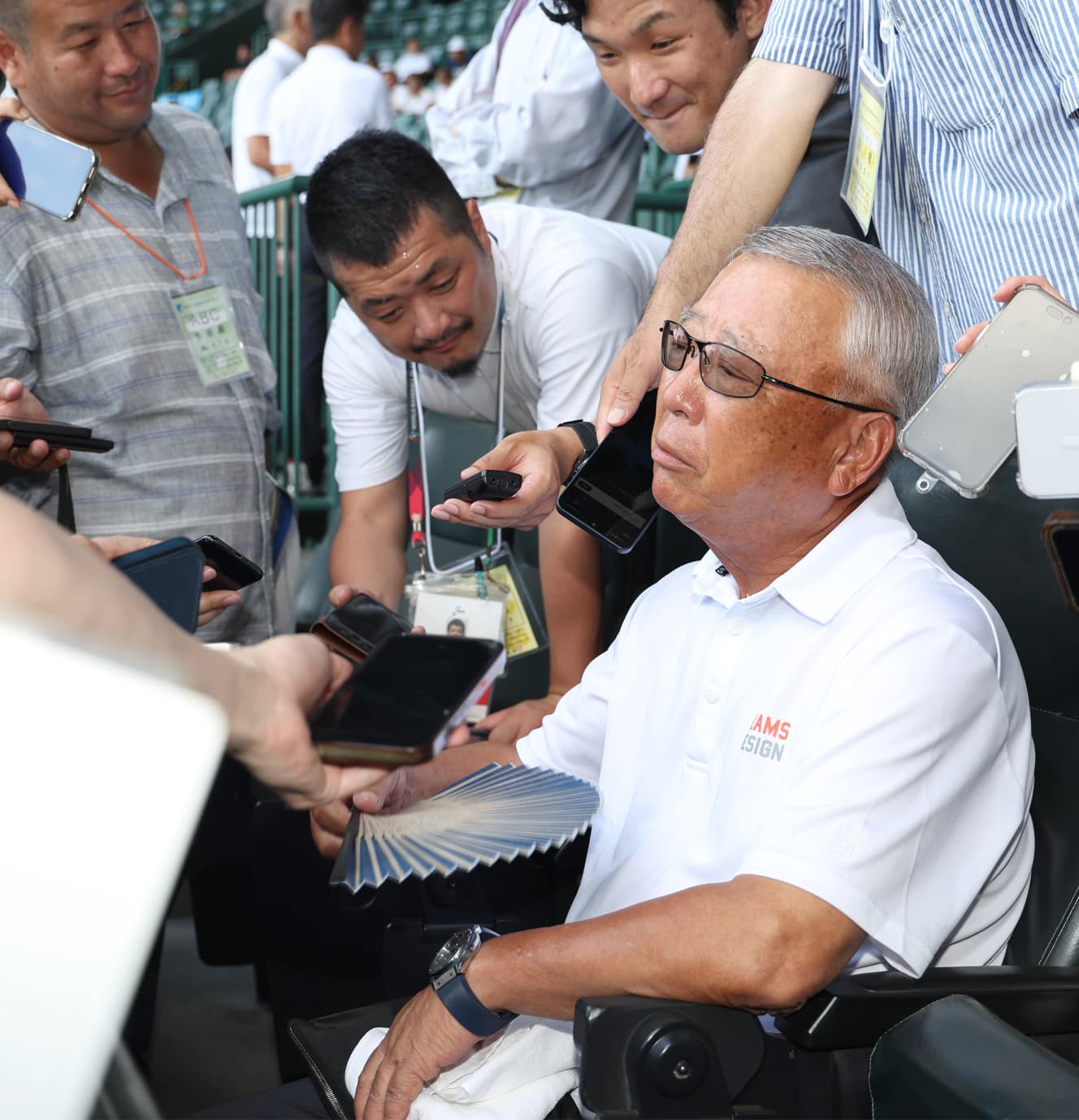
The words Shiro Mabuchi (70), manager of Kochi’s Meitoku Gijuku, delivers after games always resemble a Buddhist monk’s sermon.
Especially when leaving Koshien, rather than adhering to the saying “A defeated general should not speak of his troops,” he talks at length about his players, explains the turning points that determined the outcome, and looks at the high school players with a stern yet warm eye. He then leaves them with the words, “We’ll go home and practice,” and returns to Kochi, whenever possible, on the very day. This summer, after the veteran manager’s team lost to Nichinan Gakuen (Miyazaki) in a walk-off defeat in the ninth inning of its opening game, he was even more outspoken than usual.
“It’s frustrating, but there was a period when I thought this team just wasn’t going to make it to Koshien, and I was about ready to give up. We didn’t have a pitcher who could throw 150 km/h, nor did we have much power for extra-base hits. Even so, by mixing in bunts and playing ‘The High School Baseball’ style, I think we proved that you can still make it to Koshien.”
Meitoku Gijuku is located in a valley in Susaki City, an area known for its thriving bonito fishing industry, where the players live in dormitories in a place so remote that even running away is difficult. Cell phones are still prohibited, and visiting the field, where a sign reading “Meitoku Baseball Dojo” stands, feels like stepping back in time to the Showa era. Mabuchi himself began working as a coach at Meitoku in 1987 and became manager shortly after entering the Heisei era. In the summer of 2002, he led the team to the national championship, and his 55 career wins at Koshien rank fourth all time.
The writer once managed to anger this renowned coach, who has made his way through three imperial eras. It was in the spring of 2019. At the time, a number of promising players from Meitoku’s affiliated junior high school were choosing to attend powerhouse high schools in other prefectures rather than advancing directly to Meitoku’s high school.
The writer asked whether modern high school players were avoiding the prospect of living in a remote area, spending their days in group accommodation and immersed in baseball—in other words, whether Mabuchi’s approach to baseball was out of step with the times. Mabuchi rejected the suggestion with visible irritation, saying, “I don’t think so,” and, while emphasizing Meitoku’s track record of producing professional baseball players, warned about the increasingly intense scouting of high school baseball players.
“The teams that gather the most talented players are the ones that win at Koshien. High school baseball is becoming less and less interesting.”
Mabuchi’s words seemed almost prophetic of the state of high school baseball today. Three years ago in the summer, the writer visited Tokai Chuo Boys, which was widely regarded as the best youth hardball baseball team in Japan. Two of its key players, Shunsuke Ono and Yoshifumi Esaka, went on to attend Yokohama High School (Kanagawa) and, despite being underclassmen, helped the school win last spring’s Senbatsu championship. Catcher Ritora Yamada, who went to Chiben Wakayama, also reached the Senbatsu final that spring and has developed into one of the leading players of his generation.
In other words, the destinations chosen by promising junior-high players determine the balance of power several years down the road, and the winners of the scouting battle go on to conquer Koshien—that is high school baseball in the Reiwa era. Once again, here is Mabuchi’s sermon after the Nichinan Gakuen game.
“If things continue like this, high school baseball will decline. I always say that even if a player is small or slow, if you teach them carefully from the basics of playing catch and teach them to use their head, they can play high school baseball. It’s the manager’s job to make something work with the players who choose to enroll. But I’m already 70. I’ll retire in two years [at the 110th anniversary tournament].”
Mabuchi delivered those parting words, but some 15 years ago he had publicly announced that he would retire at 60, and 10 years ago he had said he would retire at 65. The veteran manager doesn’t seem ready to die out; for the foreseeable future, his skin will probably remain deeply tanned from the sun.
Two-person rooms over four-person rooms
people in baseball now question the practice of building arm strength through excessive throwing or strengthening the lower body through relentless running.
Yet coaches who rely on such old-school notions of toughness still exist. For example, during the semifinal of the Spring Kanagawa Tournament against Toko Gakuen, Yokohama manager Hiroaki Murata (40) did not take ace Shoki Oda off the mound until he had thrown a complete game with 186 pitches. Although the score was close at 8–6, making a pitcher throw nearly 200 pitches could be considered overuse. Even so, aspiring players continue to be drawn to the Yokohama High School brand, and promising players from across Japan continue to knock on its doors.
Junior high school students in the Reiwa era choose where to attend high school based not only on how easy it is to reach Koshien, but also on whether the school provides an environment in which they can develop the most. In addition to the size of the field, whether there is an indoor practice facility, and the quality of the training equipment, the number of students per dorm room is also an important factor. One school that has become particularly popular with junior high school players for its facilities is Takasaki Kenko Fukushi University High School in Gunma.
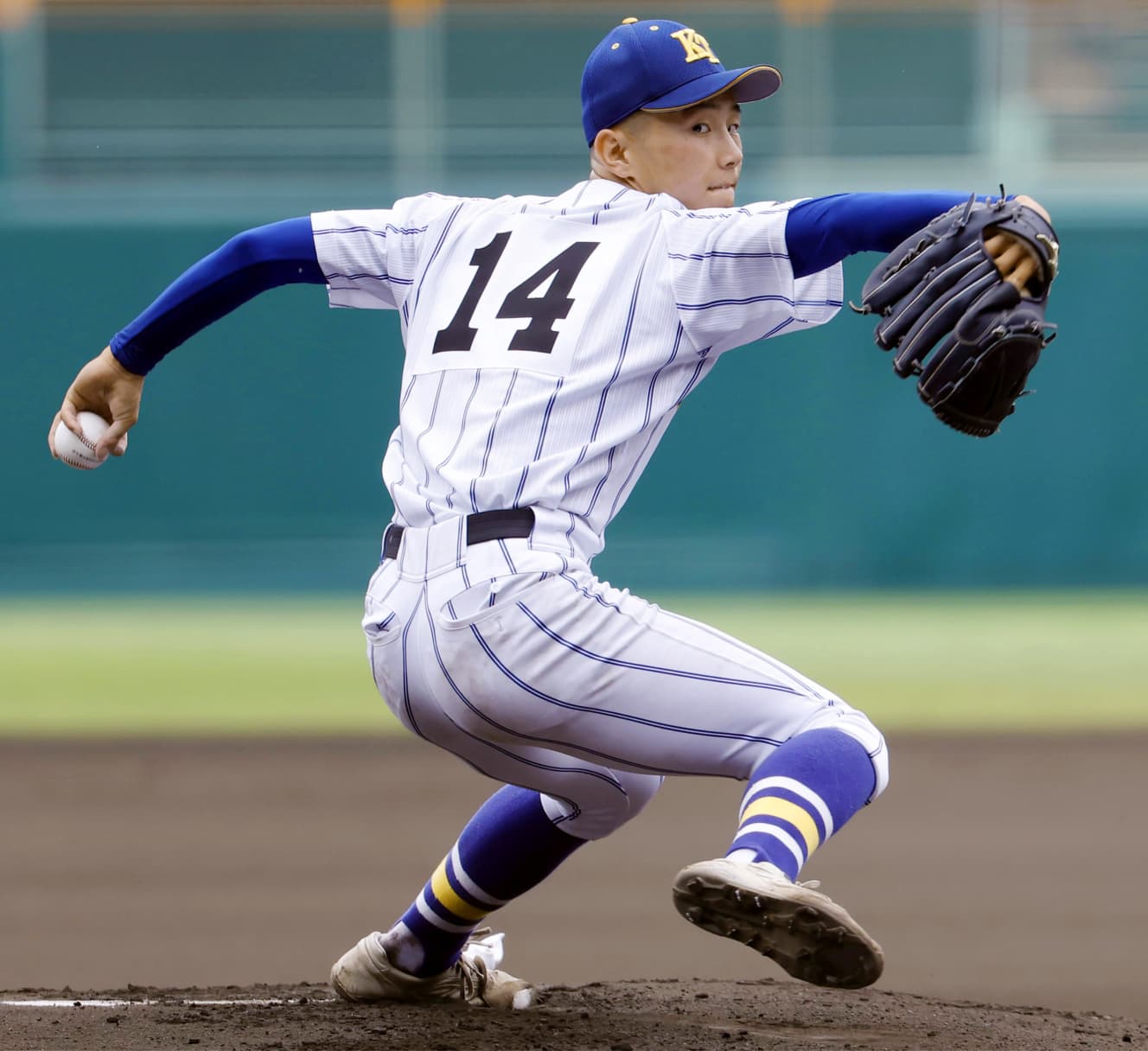
At this summer’s Koshien tournament, it was first-year student Eita Ohashi who started on the mound in the third-round game against Sano Nihon University (Tochigi). He is a “Mirai Monster” who reportedly received offers from more than 30 schools while attending Sundai Gakuen Junior High School in Tokyo, where he played in the rubber-ball baseball club.
“I heard that members of the Japan national team would also be enrolling, and I wanted to develop my skills in a high-level environment. The training facilities were important, but so was the fact that the bath was spacious and the dorm rooms were for two people. The school I was considering was beautiful and had a nice dorm, but the rooms were for four people. I was also attracted to the fact that there was a lot of time for individual practice.”
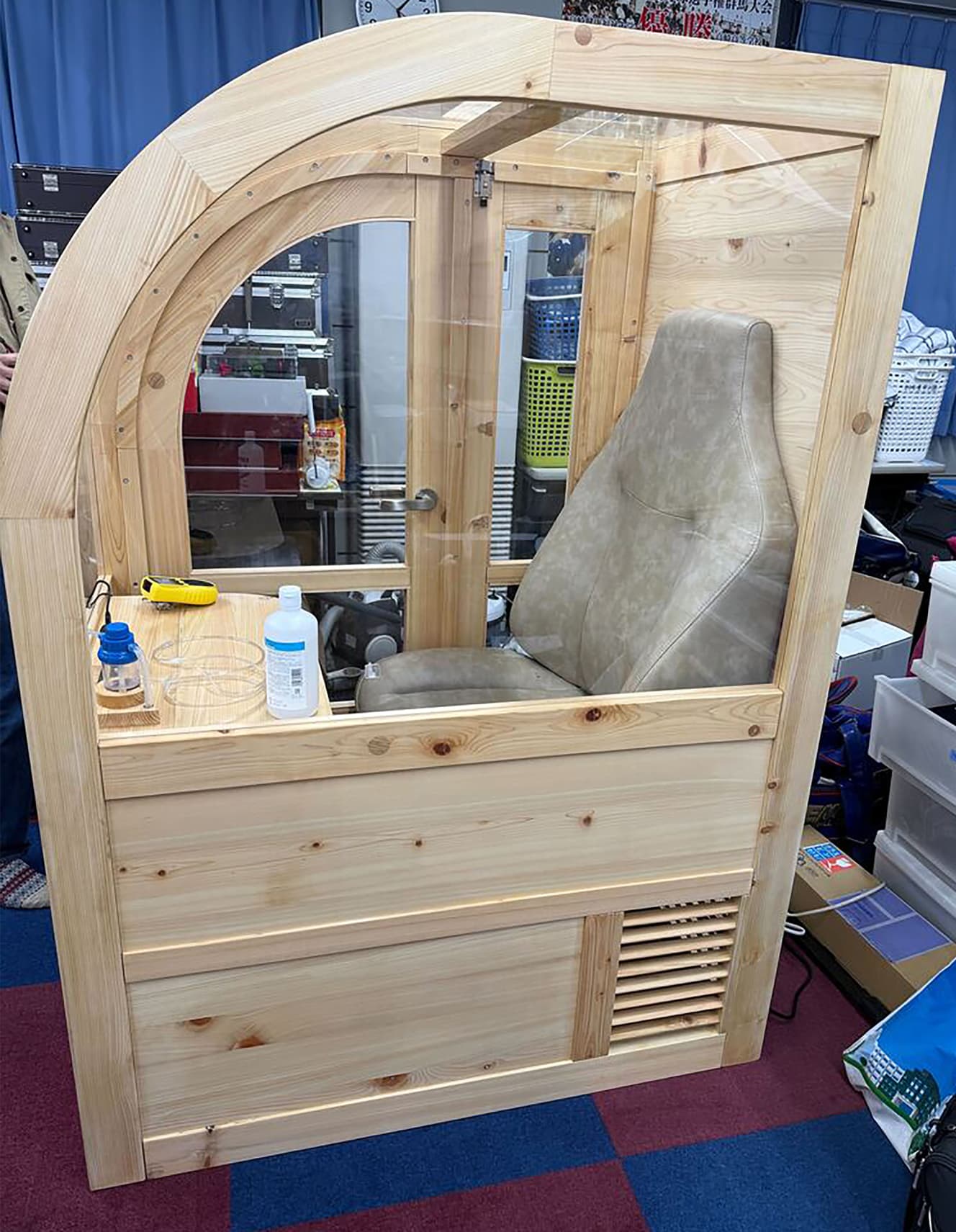
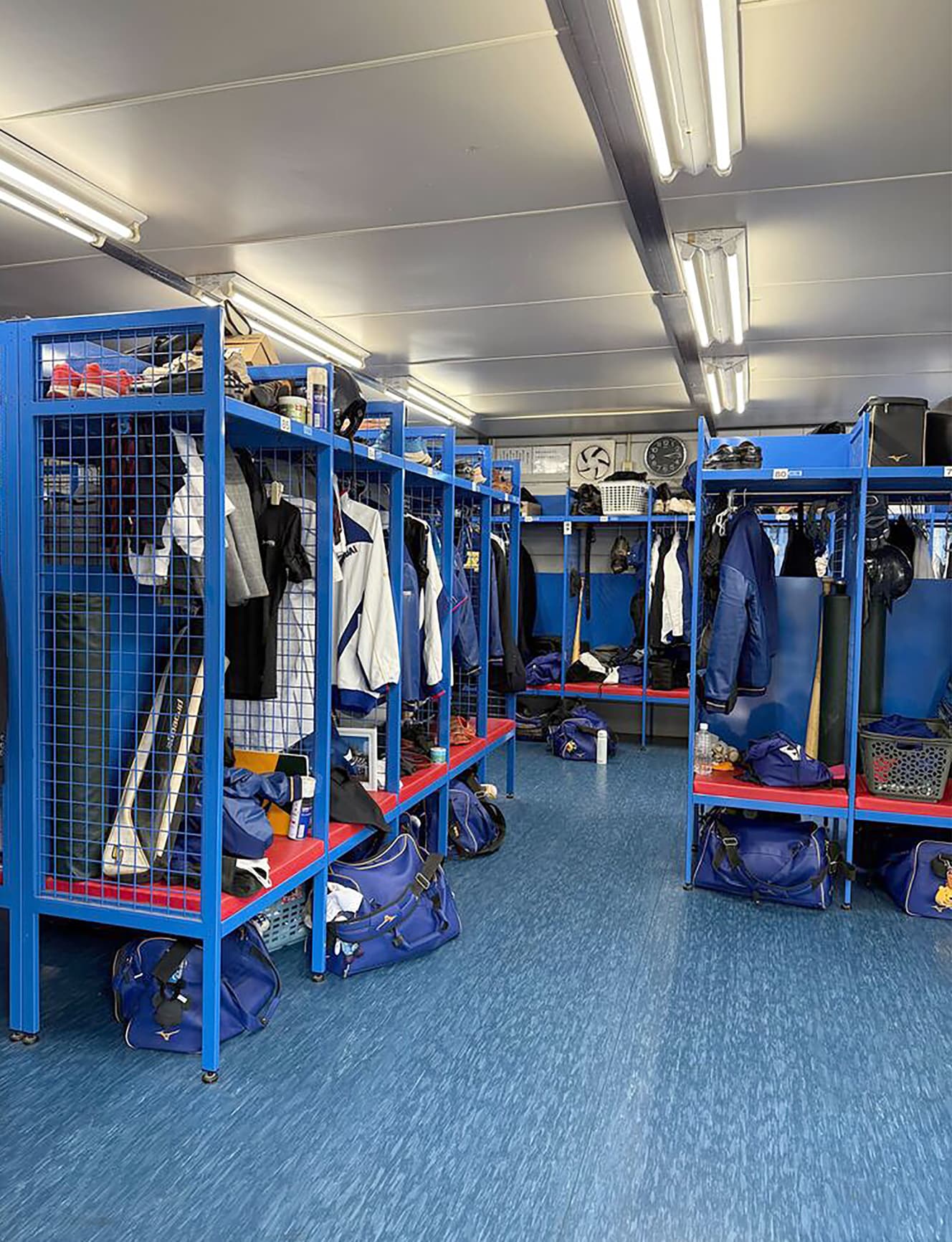
Indeed, when you visit Kenta Takasaki’s grounds, you get a strong impression of players spread out across the premises, including the bullpen and secondary field, working hard on individual practice. In addition to well-organized locker rooms, the school is equipped with a sauna, oxygen capsules, hydrogen capsules, and other facilities. For Ohashi, a pitcher, another deciding factor was the thorough way coaches, including manager Hirofumi Aoyanagi (54) and head coach Keisuke Ubukata (45), manage the pitchers’ pitch counts.
“They tell us which days we should pitch and which days we shouldn’t, while leaving the actual adjustments up to us. Rather than running long distances endlessly, our running program mainly consists of repeating middle-distance runs.”
Ryuuga Sato, who joined the Orix Buffaloes as the school’s third-round pick in last year’s draft, underwent Tommy John surgery after suffering a left elbow injury during his second-year summer. Head coach Ubukata explains:
“Based on Sato’s experience, we have been very careful about preventing injuries. Every Monday, we establish a pitching rotation for the weekend’s games, and the pitchers adjust their training accordingly. During games, the manager creates a chart and manages the pitch counts. If a pitcher feels tightness in the shoulder or elbow, we may stop them from pitching for a week. We also deliberately set aside days for extensive throwing or days devoted to thoroughly refining their form.”
From the September 4, 2026 issue of “FRIDAY”
Reporting and Text: Yuji Yanagawa (Nonfiction Writer) PHOTO: Kyodo News, AFLO, Yuji Yanagawa (2nd and 3rd photos)