They Decided on the Spot After Just One Viewing! The “5.2 Million Yen Pre-Owned House” That a Couple in Their 50s Found After Escaping Tokyo’s 250,000 Yen Rent
Escaping Tokyo… The Story of a Couple in Their 50s and Their “5.2 Million Yen Home” [Part 1]


Housing prices in the Tokyo metropolitan area continue to rise, and “buying a home = spending tens of millions of yen” has become the norm. On the other hand, in Tokyo’s suburbs—such as Chiba, Saitama, Ibaraki, and Tochigi—used single-family homes are on the market for prices in the 5 million yen range.
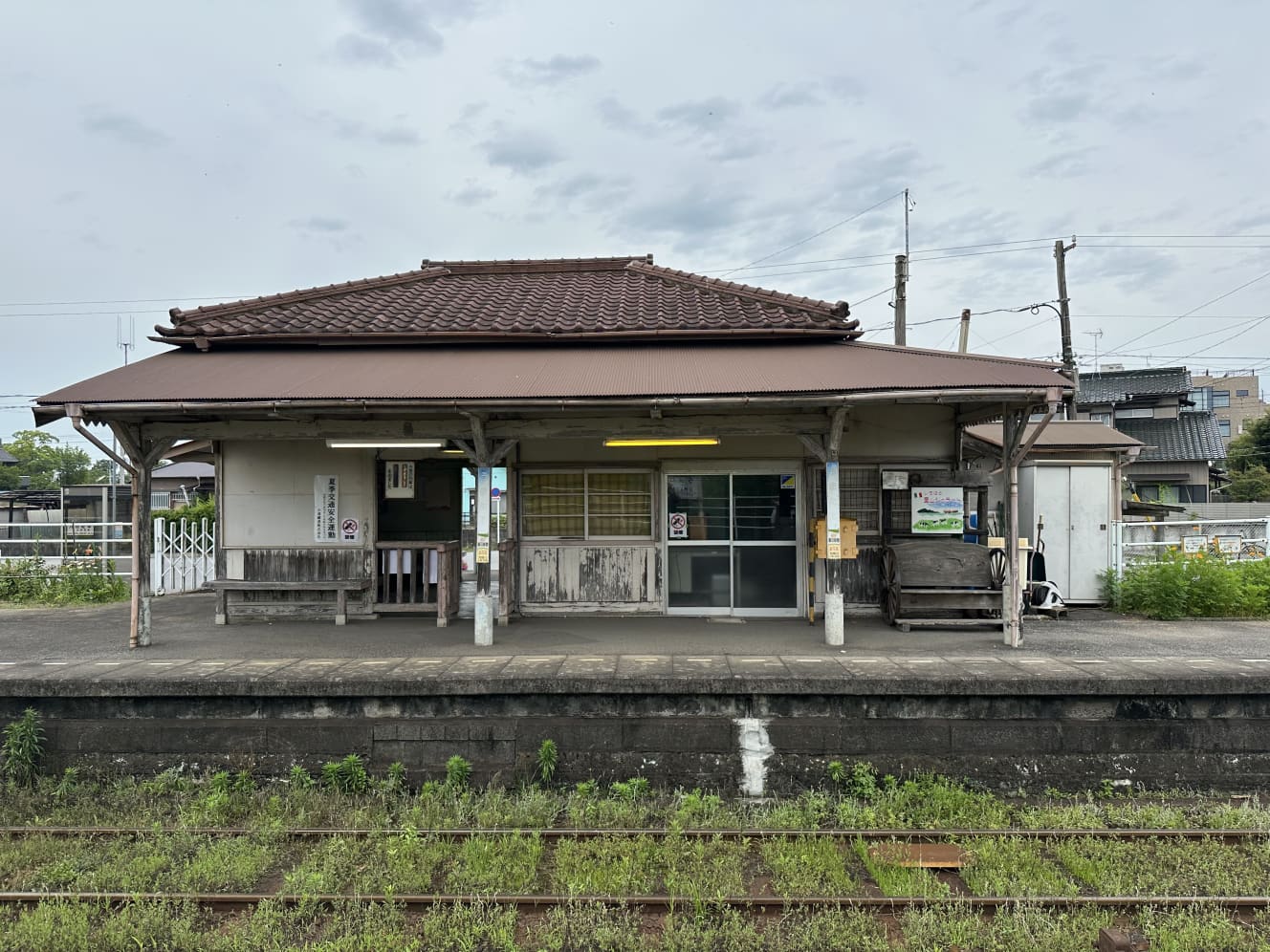
There is a couple who bought a 50-year-old house for 5.2 million yen in a residential area less than a 10-minute walk from the nearest station along the Kominato Railway line in Ichihara City, Chiba Prefecture. They are Tomoyuki (57) and his wife, Hisako (54).
On the day of our interview, they picked some cherry tomatoes they’d grown in their garden and let us taste them right there. As we were leaving, they gave us some freshly picked shiso leaves and a cucumber they’d received from a neighbor. In the evening, a neighborhood cat comes by. It stays the night and leaves in the morning, they say.
Why did they buy this house? As we discussed the financial details, a comment emerged that went beyond the typical debate over whether to own or rent.
“I always thought a house was something you were given,” said Tomoyuki (hereinafter the same).
250,000 yen in rent! Tokyo’s cruel reality
It all started with Tokyo’s rent.
Tomoyuki moved into an apartment in Tokyo in 2011. It was a 3LDK within walking distance of the station, with a total rent of about 195,000 yen. He moved in thanks to his company’s generous rent subsidy, but the subsidy had an expiration date. The company would cover a significant portion of the cost for 10 years, but after that, his personal burden would increase substantially.
“I guess the message is, ‘After 10 years, it’s about time you stopped relying on the company and bought your own place,’”
The reason the subsidy was so generous was that his company’s headquarters was located in a regional area, and salary levels were based on regional standards. The system was designed to offset the cost-of-living difference with the Tokyo metropolitan area through housing expenses.
Then, 10 years later, the subsidy rate dropped significantly. On top of that, real estate prices in Tokyo had continued to rise during that time, and my rent had been increasing slightly every year.
“Eventually, the rent went up to 250,000 yen. My share of the cost became 165,000 yen.”
165,000 yen a month for a room that wasn’t even mine.
“I just thought, ‘I can’t keep this up anymore. I can’t handle this.’”
The Divide Between Landowners and Those Without Land
The owner of the apartment building, who had raised the rent repeatedly, reportedly owned multiple units for speculative purposes.
“Just because they happened to own property that rode the wave of the current real estate bubble and saw its value rise, they keep raising the rent over and over. I thought, ‘They’re just lucky.’ I’ve heard that in postwar Tokyo, quite a few people acquired land by taking advantage of the chaos. It’s so unfair, isn’t it?” (Hisako; same below)
For people like that, land rent and rent keep coming in without them having to do a thing. Those who don’t own property just keep paying it every month. It’s not about whether you rent or own a home—it’s about whether you’re on the side that owns the land or not. I felt that difference was huge.
The Sharp Rise in Vacant Homes: “A House Is Something You’re Given”
Tomoyuki, on the other hand, had a completely different perspective from the start.
“I was convinced there would definitely be a surplus of houses in rural areas. So, I figured it would be nice if we could just get a house for free,” said Tomoyuki (all subsequent quotes are from him).
For over 10 years, he had been keeping an eye on listings for vacant homes here and there.
“I was just looking to see if I might be able to get one for free before long,” he said.
There are actually websites that list properties being transferred for free, and since their launch in 2019, many of the listed properties have reportedly found new owners.
According to the Ministry of Internal Affairs and Communications’ Housing and Land Survey (2023), there are 9 million vacant homes nationwide. The vacancy rate stands at 13.8%, with both figures marking all-time highs. Tomoyuki’s “personal experience” aligns with these statistics.
“When I went back to my hometown, the area around my parents’ house was full of vacant homes. I thought, ‘There really aren’t that many people here.’”
However, the best “zero-yen” properties are snapped up first.
“The good properties get snapped up in a flash. Everyone moves really fast.”
In the end, they weren’t able to find a property for 0 yen.

Just One Viewing! The Reason They Decided Immediately for 5.2 Million Yen
They began their search in earnest about three years ago. Initially, they looked at areas relatively close to Tokyo, but the prices didn’t work out. As they followed the listings shared by real estate sites on social media, their search naturally narrowed down to this area. They had two absolute requirements: a 10- to 15-minute walk to the station, and a commute to Tokyo of two hours or less.
“It’s all about the distance from the station. That’s absolutely the key.”
The property Toshiko set her sights on was an older 9-room house in Chiba Prefecture. It wasn’t meant to be a home to live in. She was considering whether she could use it as a workspace to start her own business.
“It’s an unnecessarily spacious and unusual property. But I thought it would be nice to do something there for people who have a hard time getting to school,” said Toshiko.
However, she was third in line to purchase it. A family who had viewed it before her decided to buy it, so it was taken off her list of candidates.
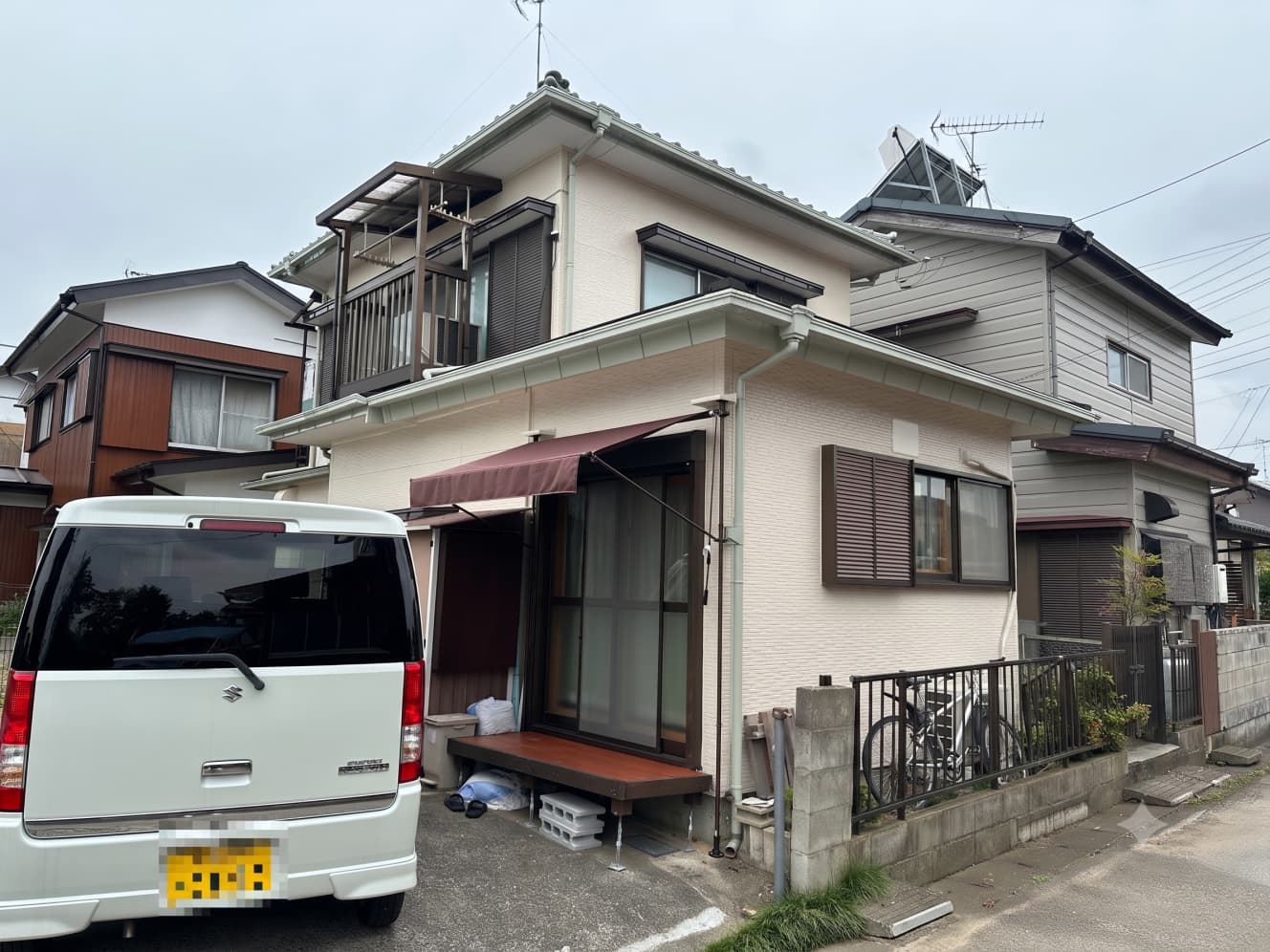
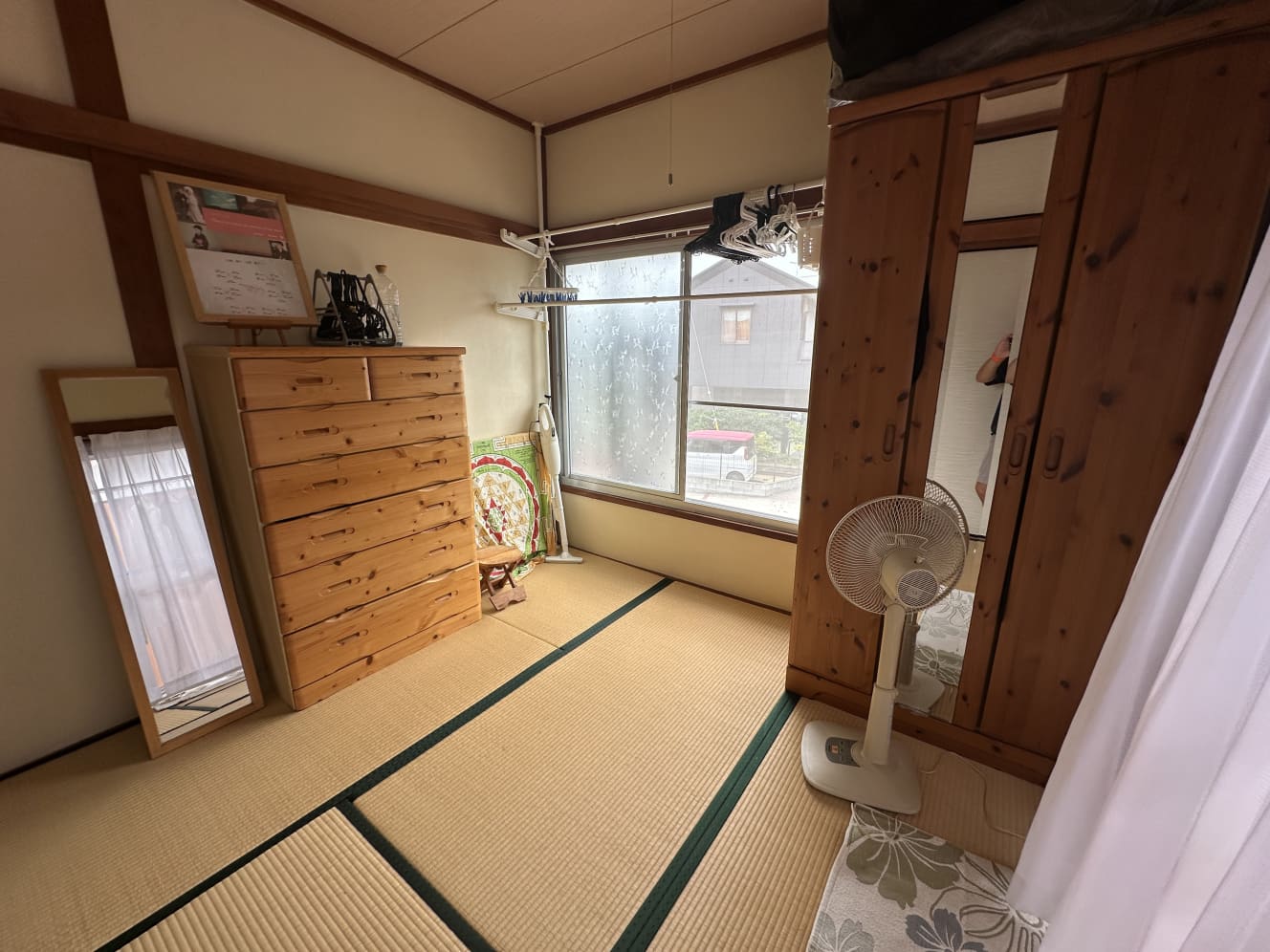
The property she ultimately chose was a 50-year-old, two-story wooden house in Ichihara City, Chiba Prefecture.The lot was 90 square meters, and the building was 70 square meters (of which the second floor was just under 30 square meters). It had the same floor area as the apartment in Tokyo where she had been living. The property was listed for 5.5 million yen, but her asking price was 5 million yen. After negotiations, they settled on 5.2 million yen.
It took three months from the time we started looking. We only viewed the property once.
“I hate looking back and thinking, ‘I should have chosen that one instead.’ I think buying a pre-owned home is probably a matter of fate,” said Tomoyuki )
A couple who finally secured their long-awaited home for the bargain price of 5.2 million yen. However, “unexpected expenses” and “surprising interactions with neighbors”—common to a 50-year-old home—awaited them. In Part 2, we’ll delve into the behind-the-scenes of the renovation, their real-life living expenses, and the true meaning behind their ultimate choice: “A home is something you’re given.”
Reporting and Text: Wakako Taka