Put These into Practice Right Away! “Midsummer Money-Saving Tips” to Get Through the Heat Wave “On a Budget” by Reevaluating How You Use Your Appliances
[Part 1] Just Adjust Your Air Conditioner Settings and Move Your Refrigerator!


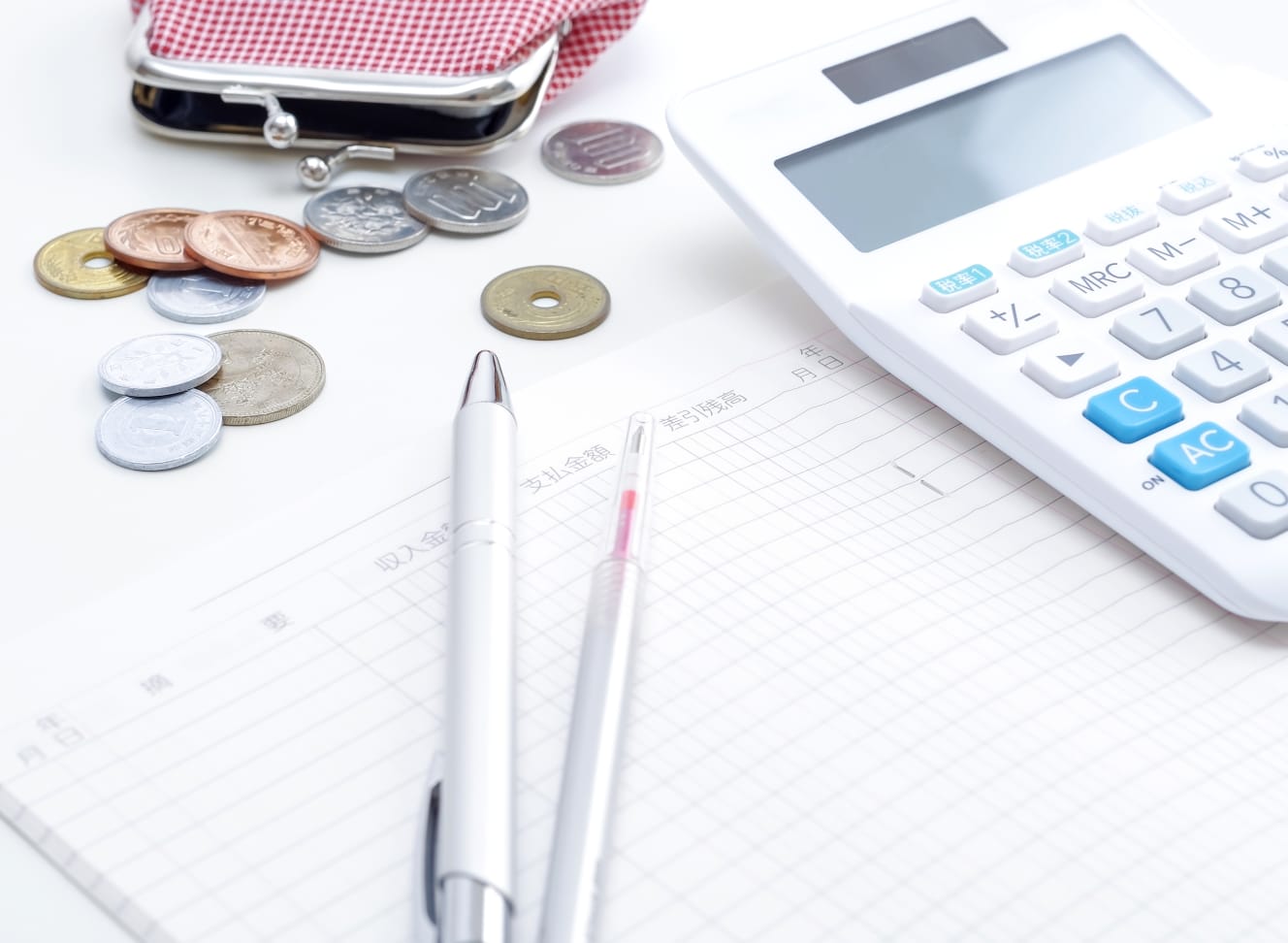
About 30 percent of electricity bills
“According to the Agency for Natural Resources and Energy, air conditioners account for the largest share of household appliance electricity consumption during the summer at 34 percent, followed by refrigerators at 18 percent, and lighting at 10 percent. These three account for 60 percent of the total.Extreme heat is expected again this year, so let’s make an effort to save energy without straining ourselves by reviewing how we use these appliances,” says Haru Kuramoto, a home appliance writer.
In April of this year, the Japan Meteorological Agency decided to designate days with maximum temperatures of 40°C or higher as “extreme heat days.” Temperatures exceeding 40°C are becoming the norm in Japan, and as the heat intensifies, utility bills continue to rise.
So, what steps can we take to get through this year’s extreme heat safely and affordably? Below, we’ll introduce “midsummer money-saving tips” you can put into practice right away.
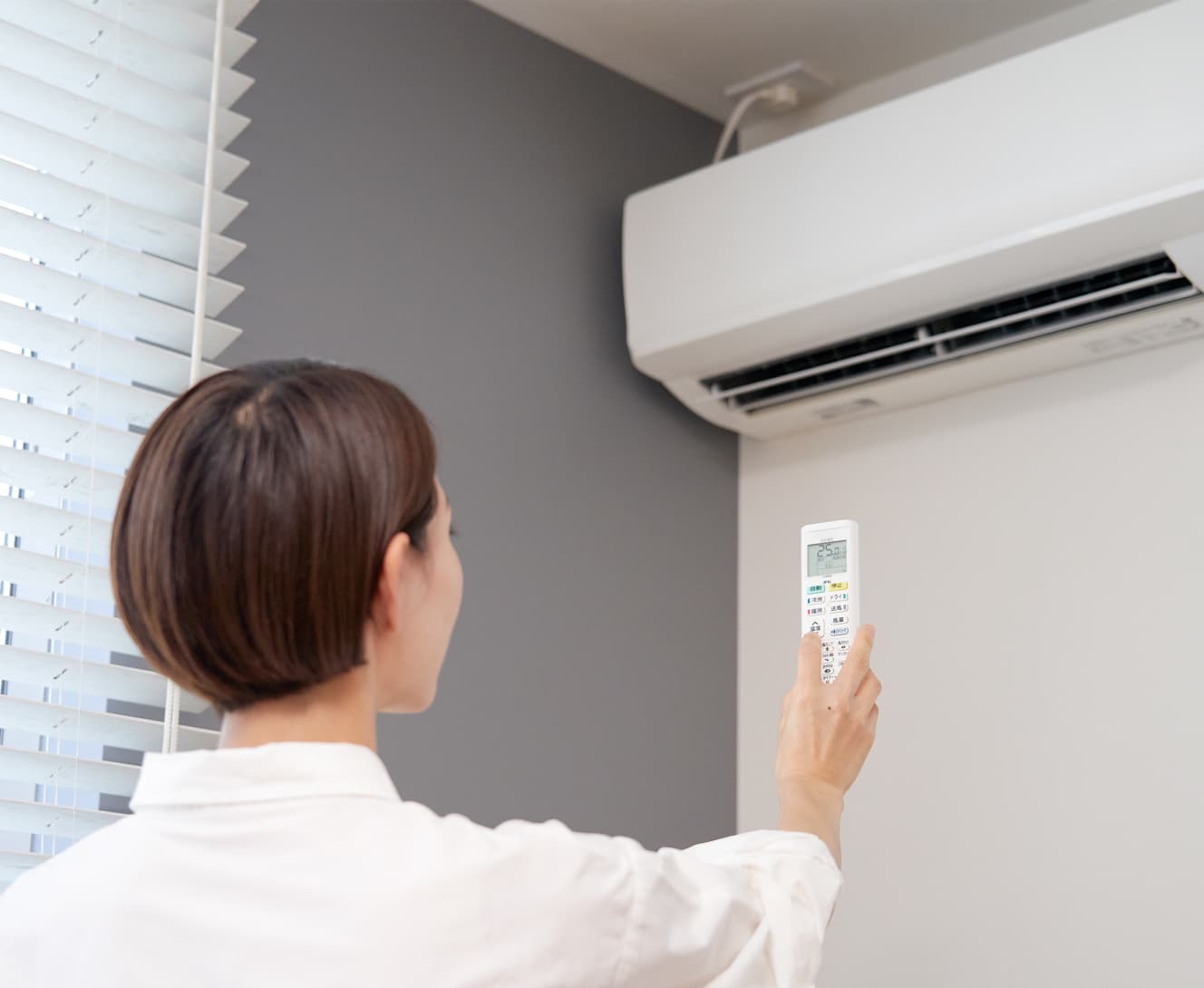
First, let’s look at how to use air conditioners, which account for about 30% of summer electricity bills.
“① Start by using your air conditioner and a circulator fan together. Circulating the air indoors with a fan or circulator is more cost-effective than lowering the air conditioner’s set temperature by 1°C. In fact, it’s not uncommon for this combination to actually feel cooler than lowering the temperature by 1°C alone. A 1°C difference in the set temperature makes a big difference; depending on the model, you can reduce your electricity bill by nearly 10%.
② Cleaning the filters is also important, though it’s often overlooked. Many of the latest air conditioner models come equipped with automatic cleaning functions, so you don’t need to check them frequently, but dust can still accumulate over the course of several months or years. Simply removing that dust can dramatically improve the unit’s efficiency. If your air conditioner is older, be sure to clean it once every two weeks.
But it’s not just the indoor unit you should focus on.③ Simply tidying up the area around the outdoor unit can improve the air conditioner’s efficiency. You should avoid placing objects over the outdoor unit’s air outlet. Since the outdoor unit releases heat from inside the room to the outside, anything that obstructs heat dissipation will increase your electricity bill. “Make it a rule to keep the area around the outdoor unit completely clear,” (ibid.)
There are also ways to optimize how you use your air conditioner. Financial planner Mie Ido explains:
“④ If you’re going out for about 30 minutes to an hour, leave the air conditioner on when you leave the house. Air conditioners consume a lot of power when they first start cooling hot air, but they use very little power to maintain the temperature. Turning it off frequently causes the unit to repeatedly go through this high-power startup cycle.
⑤ It’s said that the ‘Auto’ mode is the most efficient setting for air conditioners. If you’re unsure, use Auto mode. If you still feel hot, ⑥ increase the fan speed before lowering the set temperature. That will actually reduce electricity consumption.”
It’s said that just these small tips for using your air conditioner can save you 1,000 to 2,000 yen during the summer alone.
Keep Your Freezer Packed Tight
“Once you’ve mastered how to use your air conditioner, let’s turn our attention to the refrigerator. The first thing to keep in mind is ⑦ to minimize the number of times you open and close the door. Every time you open the door, the internal temperature rises, causing the refrigerator to cycle on and off more frequently, which increases power consumption. ⑧ It’s also important to keep the refrigerator away from the wall.If it’s too close to the wall, heat can’t escape easily, which reduces cooling efficiency.
⑨ Don’t overpack the refrigerator with food, and ⑩ just by packing the freezer to the brim, you can save about 1,000 yen a year. For direct-cooling models, ⑪ don’t forget to defrost the freezer. Frost acts as insulation, reducing efficiency,” (Mr. Kuramoto, mentioned earlier)
Summer, when daylight hours are longer, is the best opportunity to cut down on electricity costs for lighting.
“It’s said that turning off lights promptly can save about 200 to 300 yen per year. However, it’s more effective to ⑫ review your lighting fixtures—such as replacing incandescent bulbs with LEDs.“Although it requires an initial investment, simply replacing all the light bulbs in your home with LEDs can save you several thousand to 10,000 yen a year,” he added.
It’s not just electricity bills that can be reduced. Gas bills, which tend to rise quickly if you’re not careful, can also be cut.
“⑭ Instead of running tap water over the stove burner, use hot water from an electric kettle. If you do use the stove, ⑮ it’s recommended to boil a large batch of water at once and store it in a well-insulated container. Also, using the microwave for ⑯ cooking steps—such as parboiling vegetables—is a good way to keep gas bills down” (Mr. Ido, cited above).
Once you’ve cut down on your electricity and gas bills, turn your attention to your water bill.
“Using a ⑰dishwasher for post-meal cleanup can save you over 6,000 yen a year. If you wash dishes by hand, it’s a good idea to ⑱turn off the water frequently and ⑲make sure to soak them thoroughly” (Mr. Ido, mentioned earlier).
You can also save on water bills for laundry—which tends to increase during the summer—with a few simple adjustments.
“Instead of just throwing everything into the washing machine, ≑ wash small items like hand towels by hand. Depending on your washing machine’s performance and how dirty the laundry is, ≓ using a single-rinse cycle is also a good strategy,” says Mr. Ido.
[Click here for Part 2] Utility bills rise along with the temperature… Save on medical expenses by preventing heatstroke! Get through the scorching heat “on a budget” with “Midsummer Money-Saving Tips”


From the August 7 & 14, 2026, combined issue of *FRIDAY*
PHOTO: Kyodo News / AFLO