A Magnitude 6+ Earthquake Strikes Tokyo, Nagoya or Osaka—What Would Happen?
[Part 2] A Series of Eerie and Intense Shakes in Aomori, Iwate, and Yamanashi


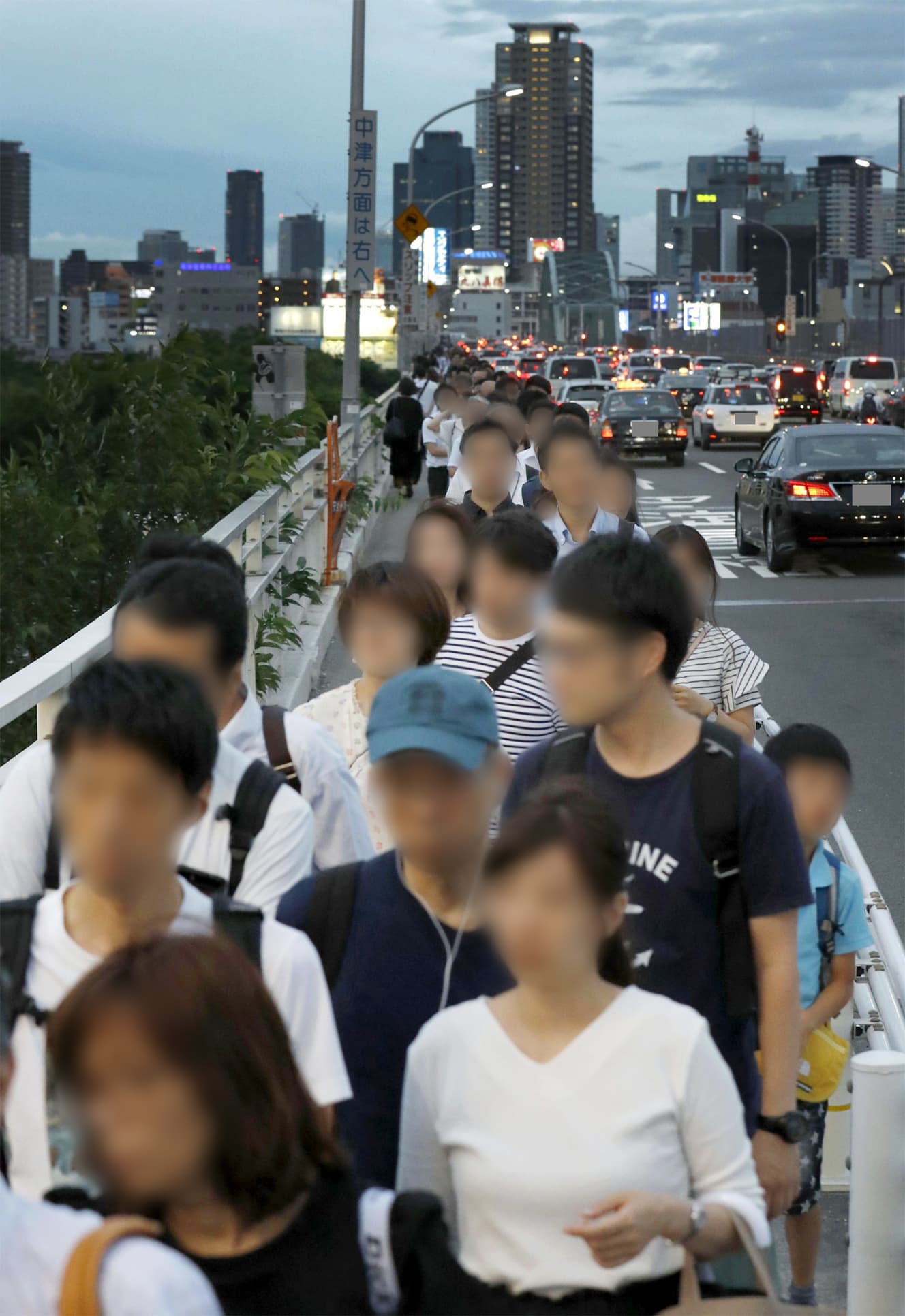
Large earthquakes measuring seismic intensity 6 or higher and around magnitude 7 have been occurring frequently. However, the earthquakes in Aomori and Yamanashi caused damage to around 800 buildings and injured nearly 40 people, but there were no fatalities.
The epicenter of the Aomori earthquake was off the coast of Iwate, while the Yamanashi earthquake occurred in the eastern part of the prefecture, around the Fuji Five Lakes. What would happen if a major earthquake of seismic intensity 6 or higher and around magnitude 7 struck a major metropolitan area such as Tokyo, Nagoya, or Osaka? As with the earthquakes that occurred in June, if the epicenter were located away from people’s living areas, the damage might be limited.
Underground shopping districts could be flooded in as little as 15 minutes
Let us look at the damage estimates for a hypothetical earthquake directly beneath the southern part of Tokyo’s 23 wards, released by the Central Disaster Management Council last December. The greatest damage would occur on a winter evening, when cooking and other activities involving open flames are common. With winds of 8 m/s, the estimated death toll would be approximately 18,000, including around 5,300 deaths from building collapses and approximately 12,000 from fires. The number of injured could reach approximately 98,000.
“In older downtown areas with narrow streets, debris from collapsed buildings can block the roads, preventing fire engines and ambulances from getting through even when fires break out, causing the damage to spread. Liquefaction is also a serious concern in reclaimed land. The ground can become unstable, and in the worst cases, entire buildings could collapse.
Low-lying areas also need to be alert to levee failures. During periods when water levels have risen because of typhoons or other factors, rivers can overflow, causing huge volumes of water to suddenly flow into urban areas. Research has found that underground shopping districts could be flooded in as little as 15 minutes. After a major earthquake, get out of underground areas immediately.”
There are also hazards unique to major urban areas.
“Because roads can be cut off and bridges damaged, transportation systems running through central Tokyo will largely come to a halt. Huge numbers of people unable to return home will flood onto the streets. In confined spaces, population density could become extremely high, potentially leading to stampedes and numerous deaths from crushing. Residents of high-rise condominiums will be forced to use the stairs when elevators stop operating.
Communications networks may also be disrupted, making smartphones and computers unusable. With limited access to information, people may be unable to determine the extent of the damage or whether their families are safe, potentially causing anxious crowds to panic. Hospitals should be able to continue operating for roughly three days after a major earthquake using emergency power supplies. However, if the power outage continues, critically ill patients could face life-threatening danger.”
What preparations should people living in urban areas make to minimize the damage as much as possible?
“It is important to understand the characteristics of the area where you live, such as whether it is near reclaimed land or a river, and to know your evacuation routes. You should also have a hand-crank radio with a charging function in case your smartphone becomes unusable.”
According to the Headquarters for Earthquake Research Promotion, there is an estimated 70% chance that a magnitude 7-class earthquake directly beneath the Tokyo metropolitan area will occur within the next 30 years. Major earthquakes do not happen only in rural areas. Urban areas are also facing a growing threat.
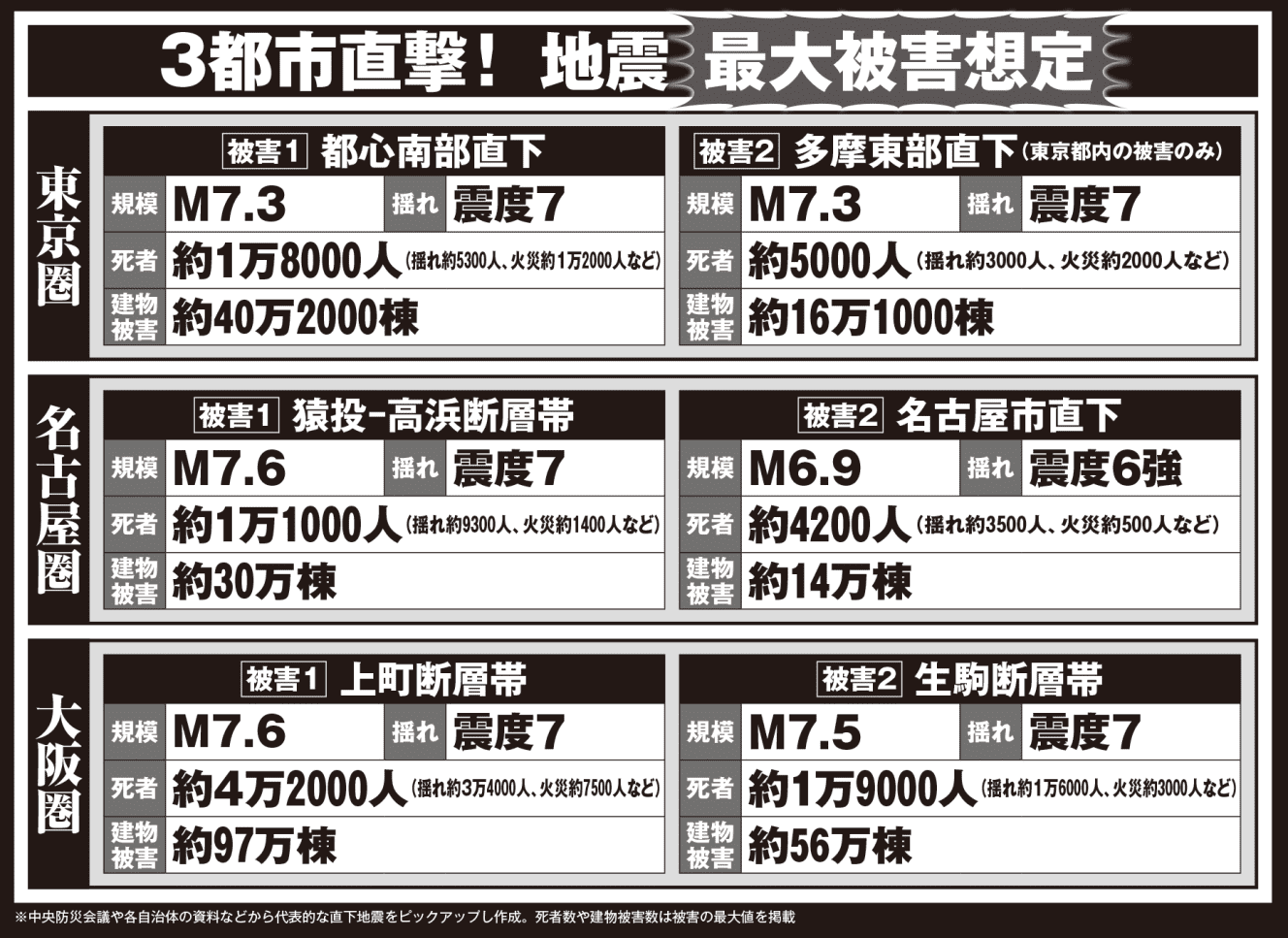
From the July 31, 2026 issue of “FRIDAY”
PHOTO: Kyodo News