Earthquakes Are Striking Across Japan—What Would Happen If a Major Quake Hit Tokyo?
[Part 1] Earthquakes with a seismic intensity of 5- or higher are occurring at a rate exceeding last year’s


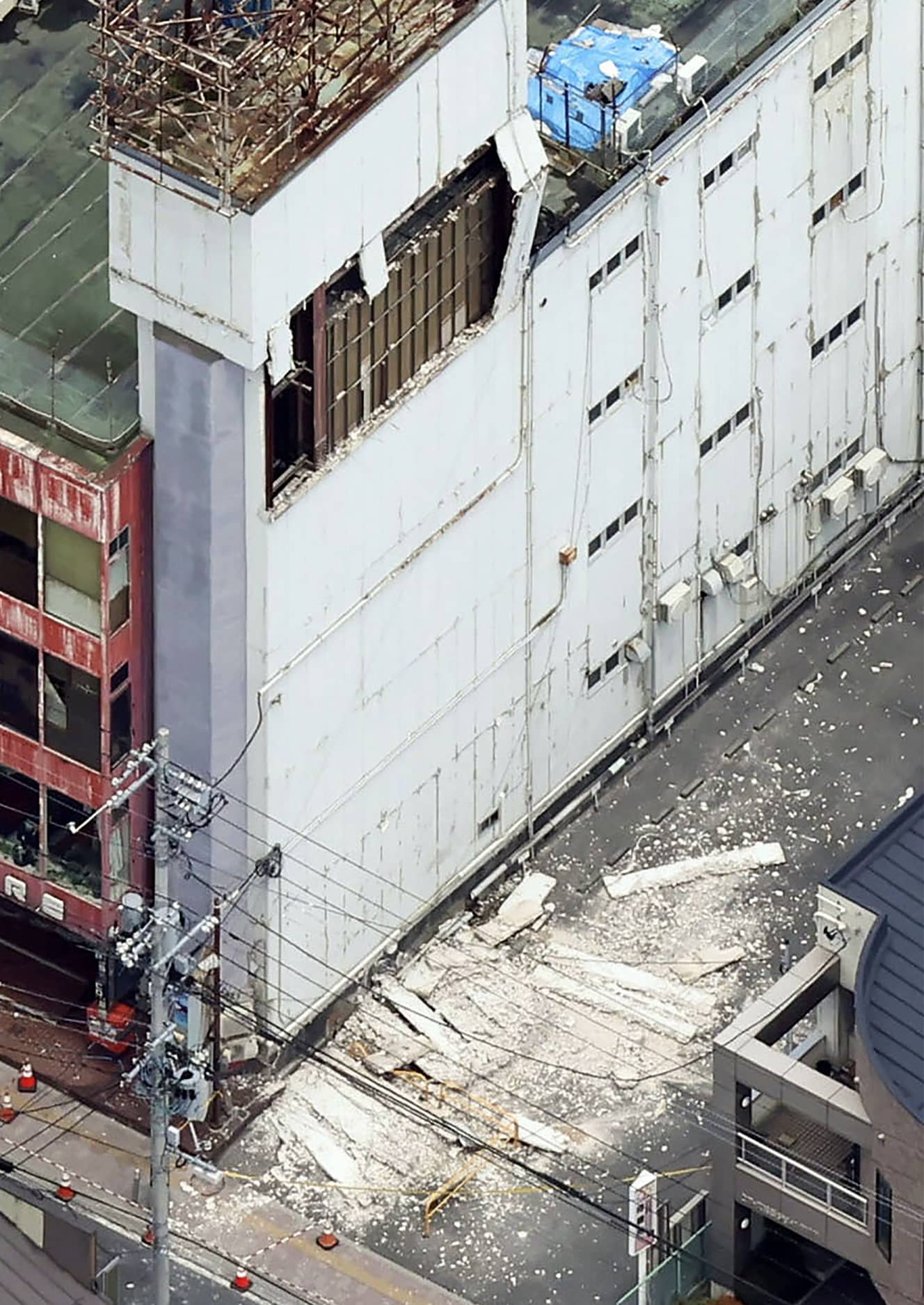
Signs of a major earthquake
A magnitude-6+ earthquake struck Aomori Prefecture on June 25, followed by a magnitude-6-lower earthquake in Yamanashi Prefecture on June 26.
Large earthquakes are now occurring frequently across Japan. There were 15 earthquakes of seismic intensity 5-lower or greater last year. As of July 12, there had already been 13 this year, putting Japan on pace to surpass last year’s total. Koji Kamata, a leading expert in earth sciences and professor emeritus at Kyoto University, explains:
“The crust around Japan has been unstable since the Great East Japan Earthquake in March 2011. In addition, the influence of the anticipated Nankai Trough megathrust earthquake, which is expected to occur around 2035, is becoming increasingly significant. In past Nankai Trough megathrust earthquakes, large inland earthquakes occurred frequently beginning about 40 years before the main event. In recent years, the Great Hanshin-Awaji Earthquake of January 1995 and the Kumamoto Earthquake of April 2016 are thought to be examples of this.”
As mentioned above, large earthquakes with seismic intensity of 6 or greater and magnitudes in the M7 range have been occurring frequently. However, although around 800 buildings were damaged and nearly 40 people were injured in the earthquakes in Aomori and Yamanashi, there were no fatalities. Why? Kamata explains:
“The main reason is the location of the epicenters. They were far from densely populated areas.”
The epicenter of the Aomori earthquake was off the coast of Iwate, while the Yamanashi earthquake occurred around the Fuji Five Lakes area in eastern Yamanashi. What would happen if a large earthquake with seismic intensity of 6 or greater and a magnitude in the M7 range struck a major metropolitan area such as Tokyo, Nagoya, or Osaka? If, as with the earthquakes that occurred in June, the epicenter were far from where people live, the damage might be limited.
“A different story applies if it is an earthquake directly beneath an urban area. The government’s Central Disaster Management Council and individual local authorities have each issued damage estimates for direct-hit earthquakes in their respective cities, and the losses would be enormous. Depending on the season and time of day when the earthquake occurs, as well as wind strength and other factors, estimates suggest that anywhere from several thousand to more than 40,000 people could die in a maximum-intensity 7 earthquake. Building collapses and fires are considered the main causes of death.”
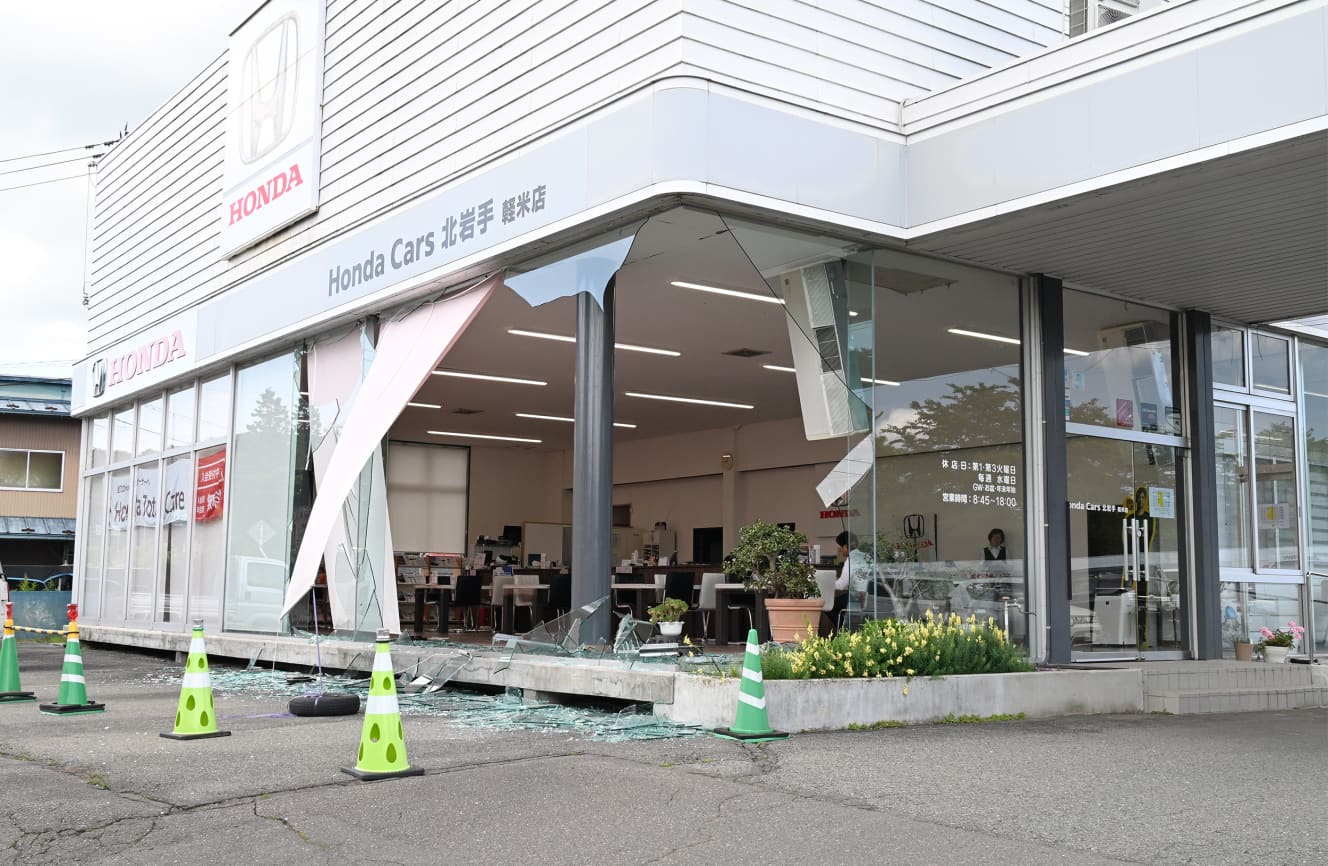
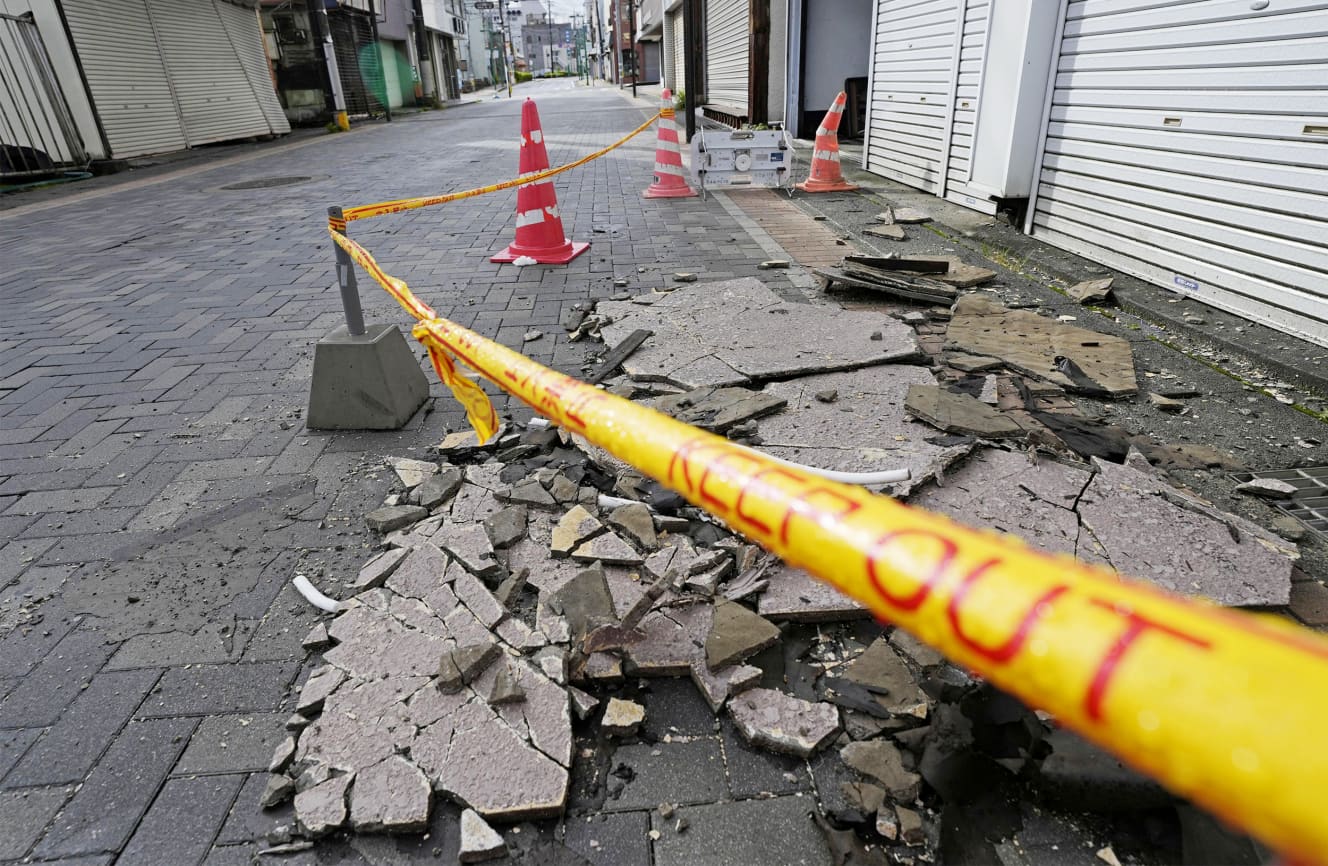
From the July 31, 2026 issue of “FRIDAY”
PHOTO: Kyodo News