Why Is a Japanese Entrepreneur Fighting for Russia? He Explains Why He Went to the Front Lines


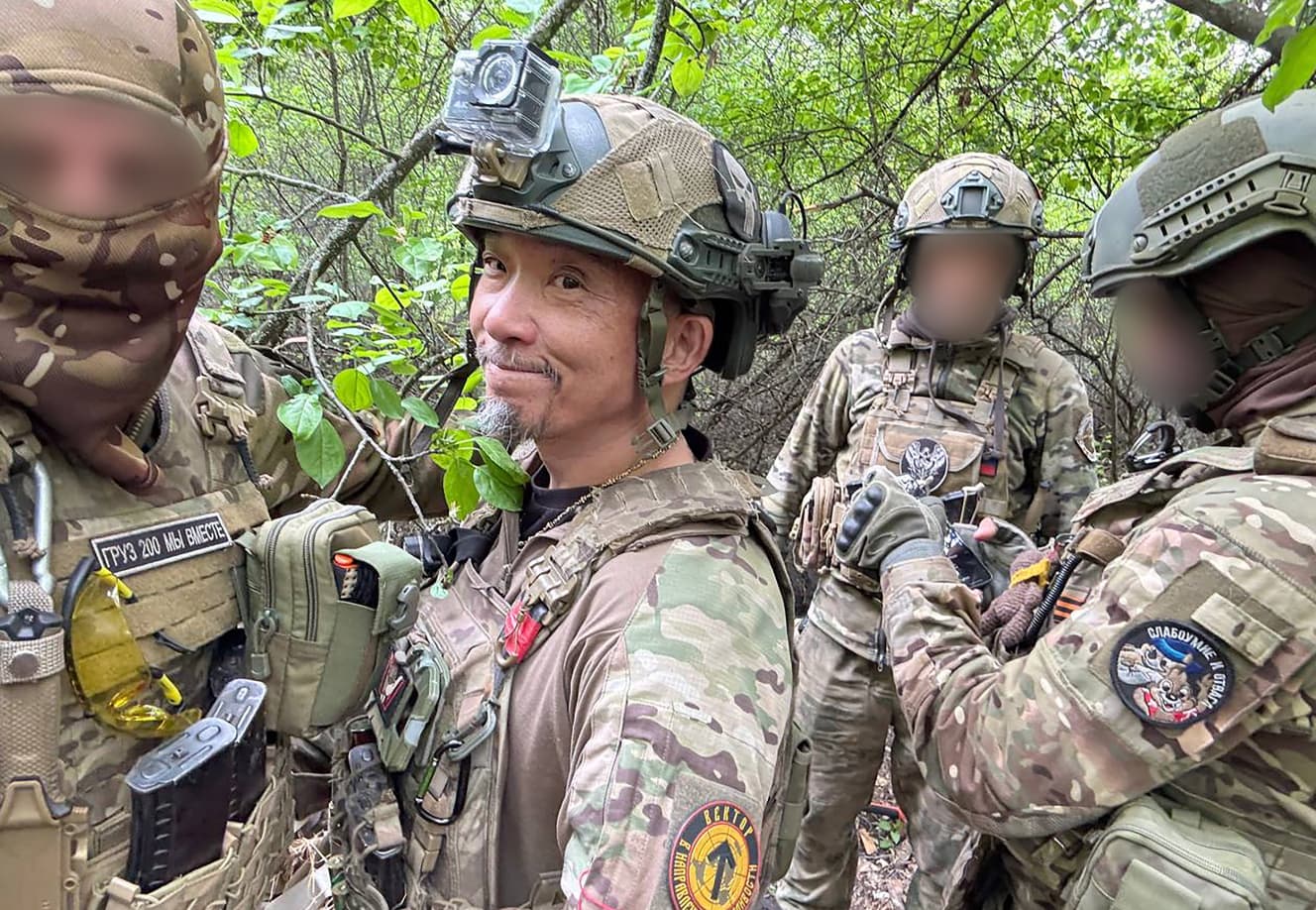
“I decided to close my company and go to war”
“Drones, the main weapon used by the Ukrainian military, fly over the battlefield 24 hours a day, and there were days when I spent the entire night carrying out missions to shoot down drones. The sound of reconnaissance drones is remarkably similar to the buzzing of a mosquito. If you lose concentration, you may notice one too late and have a bomb dropped on you, which can be fatal. Some aircraft carry bombs powerful enough to blow up a tank with a single hit. Once you go to the front line, you’re lucky if you can get two or three hours of sleep a day. I honestly can’t remember ever getting proper sleep.
Water is chronically scarce at the front, so the only time you can take a shower is about once a month. During naps, huge rats and insects crawl over your filthy body. Even under such circumstances, when an enemy attack begins, you have no choice but to pick up your weapon and fight back. There is simply no other way to survive in a war zone.”
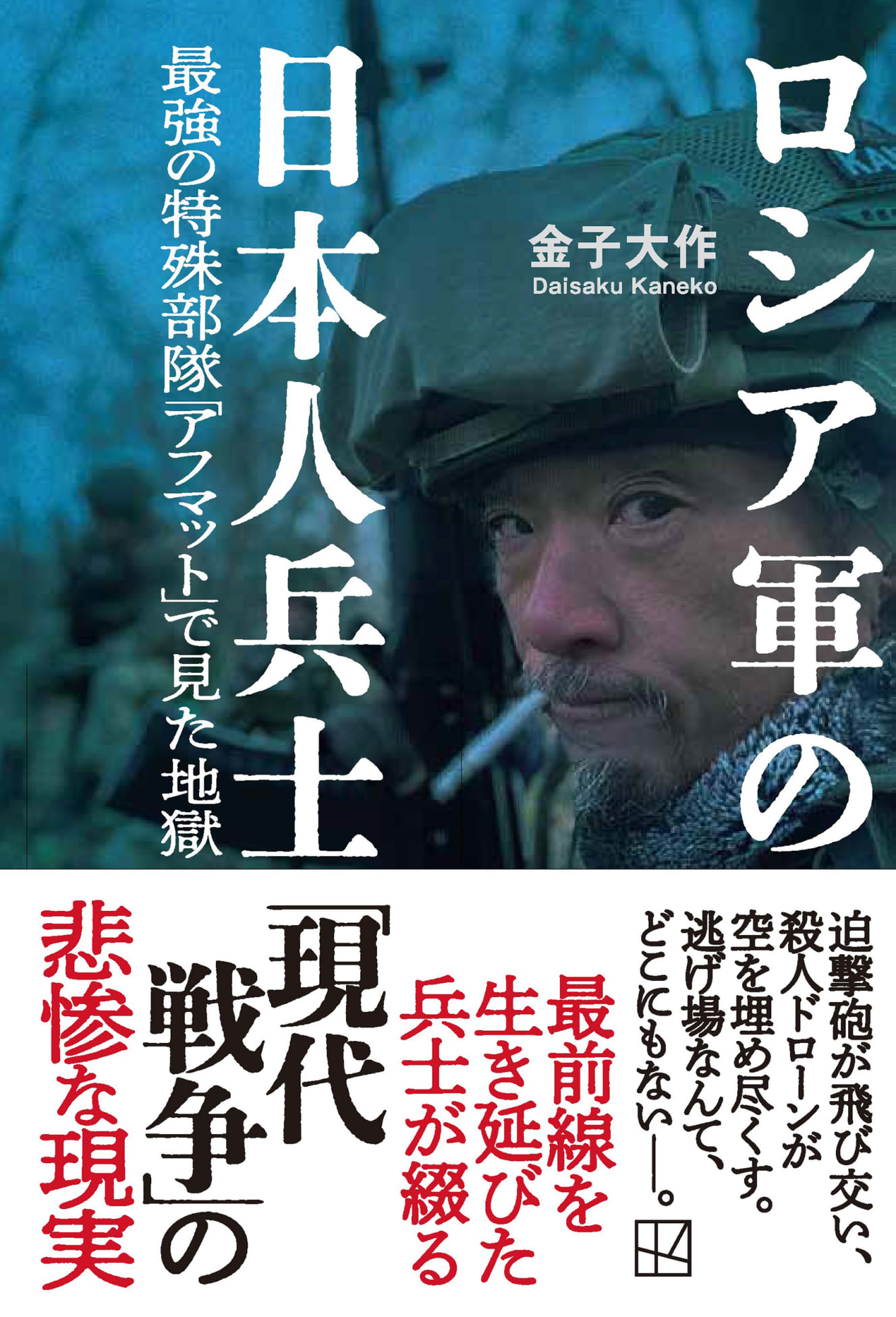
Russia’s invasion of Ukraine began in February 2022. On the front lines of that war, a Japanese man is fighting as a volunteer soldier in the Russian military. Daisaku Kaneko (51) has published a book, “The Japanese Soldier in the Russian Army: The Hell I Saw in Akhmat, the Most Powerful Special Forces Unit” (Kodansha), recounting his life and experiences in the war zone. Why did he go to the battlefield?
At the age of 28, Kaneko founded a sheet-metal and auto-painting company in his hometown of Osaka. By the time he was 35, his savings had exceeded 100 million yen. But three years later, at the age of 38, Kaneko decided, “In five years, I’m going to close the company and go to war.”
“Even after becoming successful in business and indulging in an extravagant lifestyle, I couldn’t find any sense of fulfillment. I began wondering, ‘What am I living for?’ I wanted to go somewhere I could feel most intensely that I was alive. After thinking it over carefully, I arrived at the conclusion that I should go to a war zone.”
However, five years later, in 2018, Kaneko still had not found a battlefield to go to. Then, as the COVID-19 pandemic began and overseas travel became restricted, Kaneko learned about a certain company: Tamura Equipment Development in Saitama Prefecture.
“Tamura Equipment Development is Japan’s only private military company where you can undergo realistic, combat-style training. I was drilled in practical knowledge and skills, including physical training under the scorching sun, firearms training, and first-aid instruction for when you are injured.”
After completing Tamura Equipment’s training curriculum in the summer of 2020, Kaneko traveled to Thailand, which was accessible at the time. While honing his skills as a shooting instructor after the owner of a local shooting range recognized his abilities, Russia launched its invasion of Ukraine.
“The invasion of Ukraine was reported on the news every day in Thailand, but they didn’t simply declare ‘Putin = evil.’ Officers in the Thai military said, ‘We don’t know which side is in the right.’
The main cause of Russia’s invasion of Ukraine was the 2014 ‘Maidan Revolution.’ It was a coup that forced Ukrainian President Viktor Yanukovych, who was considered pro-Russian, to step down, but behind it was the United States, which sought to bring about a change of government in Ukraine.
I gathered information on my own and came to believe that this war is about portraying Russia as evil, while the United States, which is pulling the strings behind the scenes, is the real culprit. I wanted to fight for the Russian military, which was being portrayed as unambiguously evil.”
Hit by a grenade
He was also prepared for the fact that his decision could draw criticism, particularly in Japan. On August 15, 2023, Kaneko traveled to Russia. Relying on a former Russian Defense Ministry official whom he had met through social media, he met with an officer of the Pyatnashka Brigade, a militia unit made up of foreign volunteer fighters.
After being physically exhausted by tasks such as transporting mortar shells and monitoring drones overnight, Kaneko was suddenly given a shooting test. After passing it, he was told by the supreme commander that he would enlist as a sniper. In November of that year, Kaneko took part in an assault operation in Avdiivka, eastern Ukraine.
“The plan was to break through the enemy’s fortified position head-on and engage in close-quarters combat. However you looked at it, it was a reckless operation. Even when the commander called out, ‘Are there any volunteers?!’ the soldiers remained silent. I had decided that I would be the first to go to battlefields that everyone else wanted to avoid, so I volunteered without hesitation.
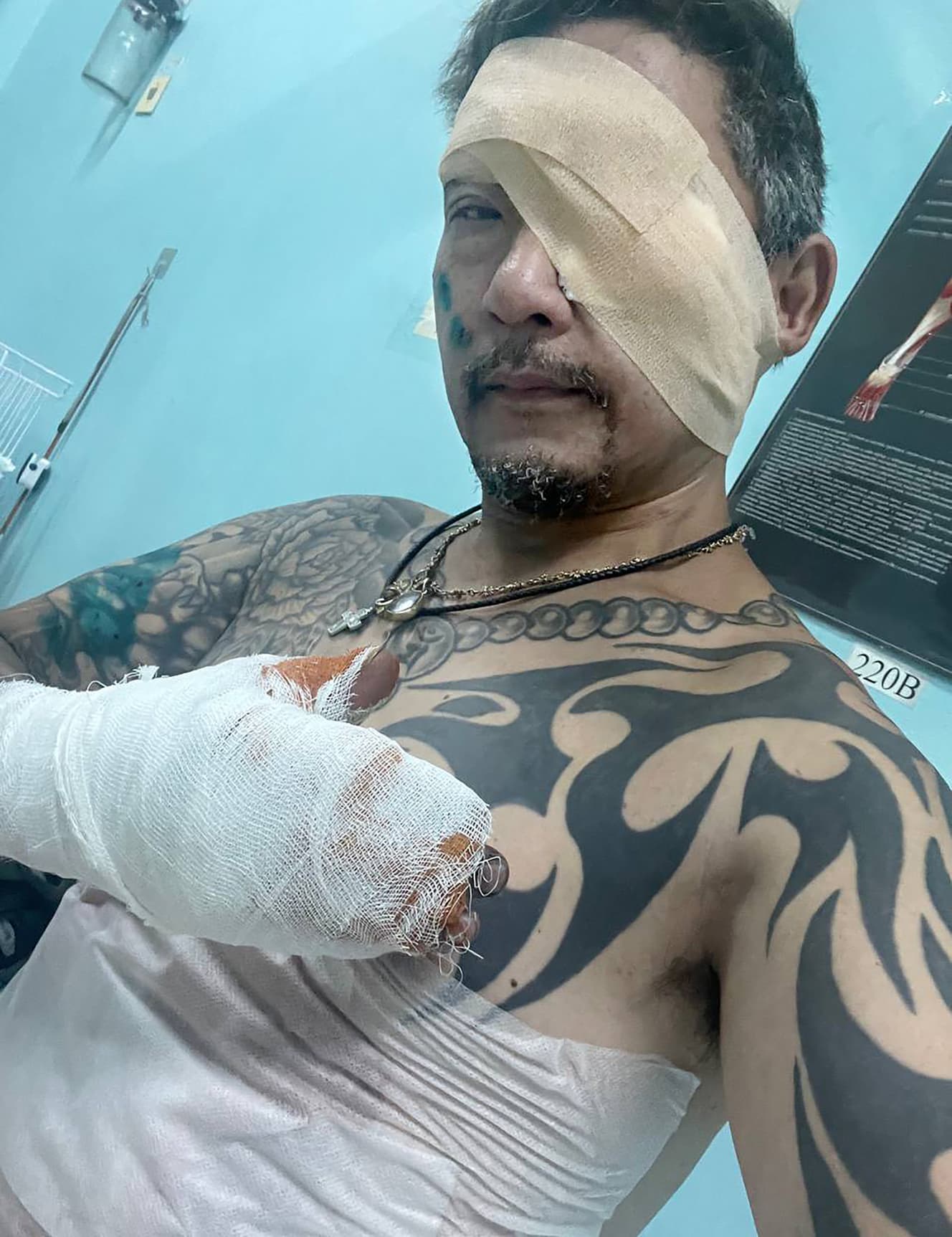
Only 10 people, including me, took part in the assault. As I crawled toward the enemy position head-on, bullets and artillery shells were flying everywhere. During the battle, I was hit by a grenade attack. Shrapnel pierced through my cheekbone and deformed my kidney.”
During this assault operation, Kaneko gathered information about the Ukrainian military’s deployment, helping lay the groundwork for the subsequent capture of Avdiivka. In recognition of this and other achievements, he was recruited in April 2024 as a sniper for “Akhmat Spetsnaz,” described as Russia’s most powerful special forces unit.
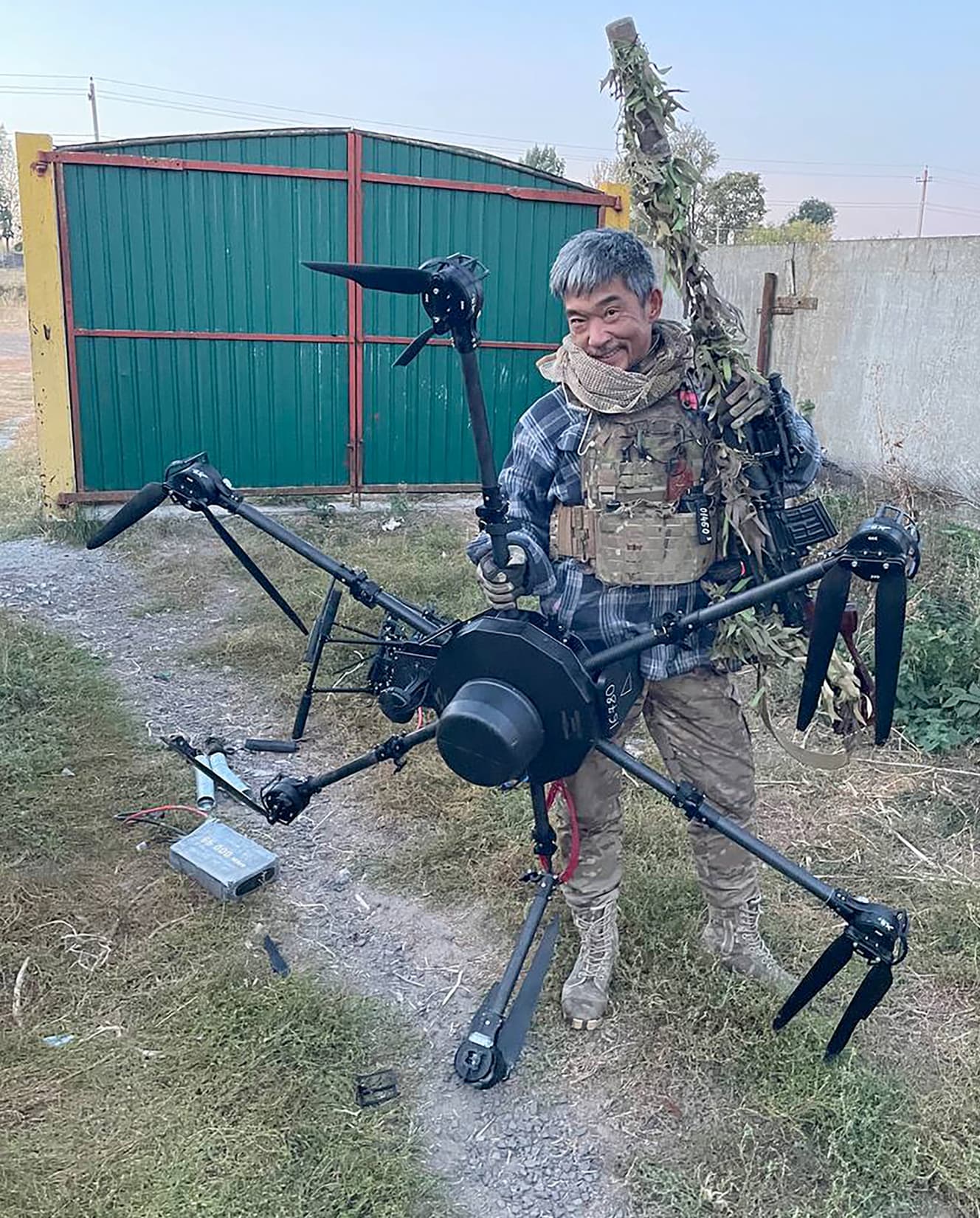
“One of our missions in ‘Akhmat’ was shooting down drones. Our targets were large drones called ‘Baba Yaga,’ equipped with night-vision cameras. They carry powerful bombs capable of burning an area 150 meters in diameter, so if one manages to take position directly overhead, it’s all over.
After keeping watch from night until morning for two weeks, one Baba Yaga suddenly appeared, making a deep, thudding ‘ba-ba-ba’ sound that reverberated through my body (third photo). If I failed to shoot it down, we would face relentless retaliation. Suppressing my fear, I rushed out into an exposed position and fired four rounds at the drone’s battery. The Baba Yaga caught fire and crashed.”
Kaneko continues to fight with the Russian military to this day. Having placed himself on the side condemned by the international community, he came to understand the realities of war once again.
“Many of the comrades who fought alongside me on the front lines said, ‘There is nothing to be gained from war.’ At a time when the risk of military conflicts is increasing around the world, I think those words convey the meaninglessness of war better than anything else.”
Four years after the war began, with no sign of an end in sight, precious lives continue to be lost in large numbers on the battlefield.
From the August 7 & 14, 2026, combined issue of “FRIDAY”
PHOTO: Courtesy of Mr. Kaneko