Zen Tōshin’s Collapse Leaves Victims in Despair as ¥115 Billion Bankruptcy Triggers a Financial Nightmare


“The unpaid amount is over 1 million yen” — “We can’t pay rent or staff wages”
“Because of the bankruptcy, there is no prospect of receiving the sales proceeds that were scheduled to be transferred on July 15. The unpaid amount is for sales made after June 15, and it exceeds 1 million yen. At this rate, I won’t be able to pay the rent or the wages of the female cast members.” (A woman who runs a snack bar in Tokyo)
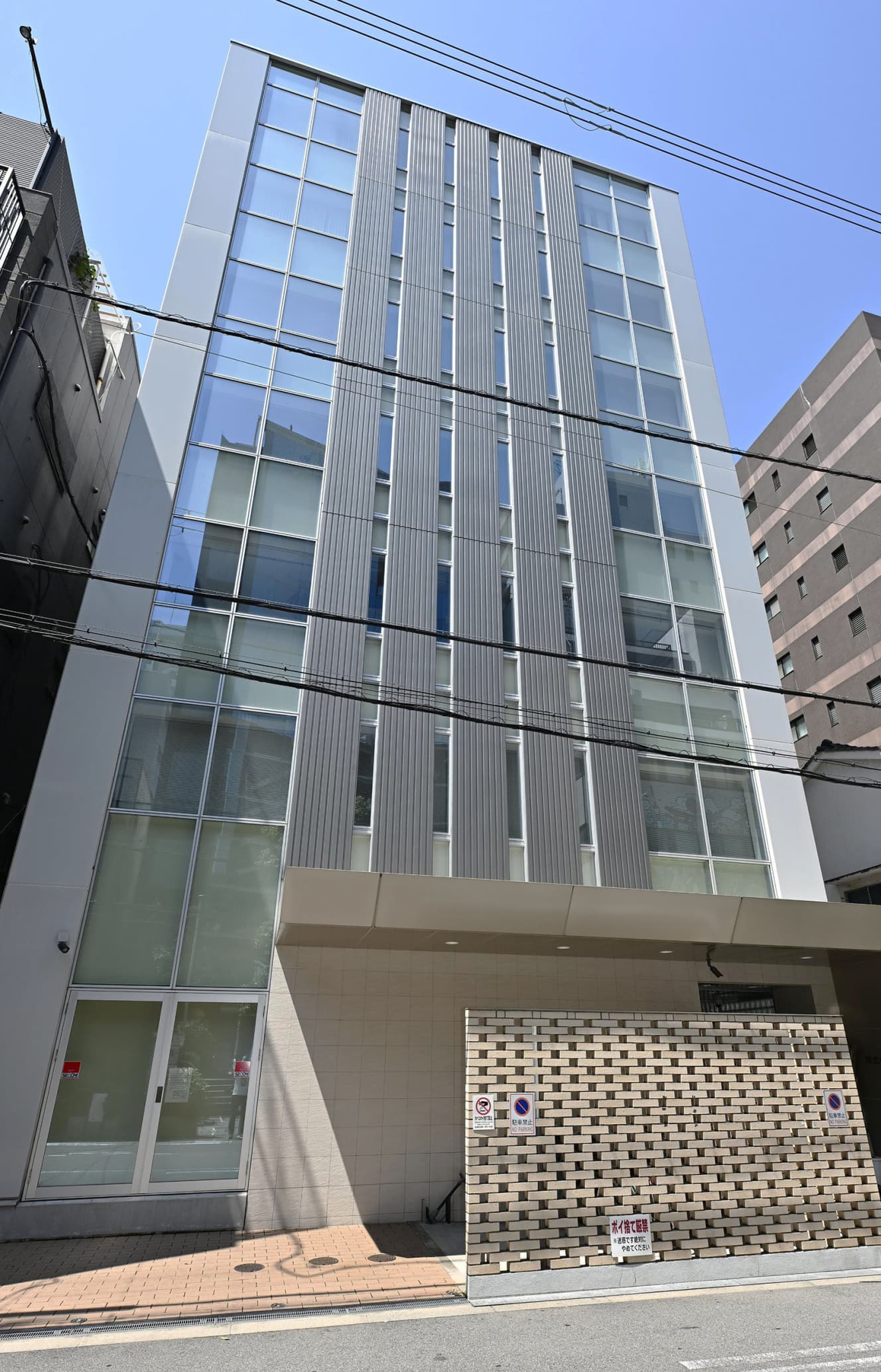
On July 6, Zentoshin, a company that provides early settlement services for credit card payments, filed for a quasi-bankruptcy. The company operated a service in which it advanced payments for member stores’ sales before the credit card companies paid them. It had transactions with more than 200,000 stores, mainly restaurants and nightlife establishments. However, its finances deteriorated due to the COVID-19 pandemic and the rise of cashless payment services that do not use cards, such as PayPay.
In 2024, an incident occurred in which an employee was arrested for entering into merchant agreements under another person’s name for restaurants that would normally fail the screening process. As concerns over the company’s credibility grew, it collapsed with liabilities totaling 115 billion yen.
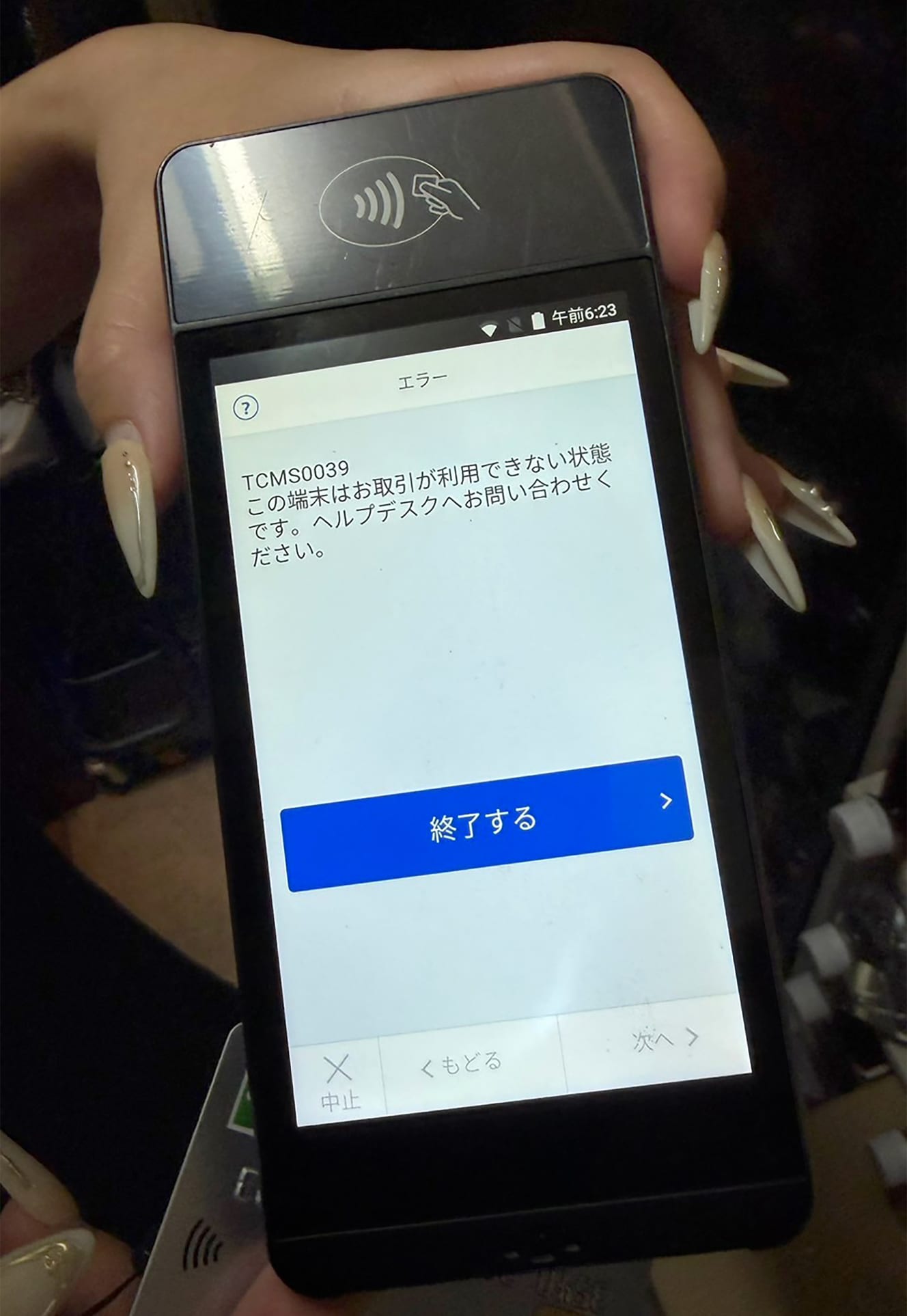
Currently, member stores are facing an emergency situation in which the sales revenue that Zentoshin was supposed to advance has not been paid. A man who runs a members-only bar in Tokyo’s Minato Ward revealed the difficulties he is facing.
“Our unpaid amount is around 900,000 yen. In early July, we received a document from Zentoshin titled ‘Notice Regarding Bankruptcy Filing,’ but it contained no specific information about compensation or anything similar.”
The total amount of unpaid funds since July 1 is said to exceed 5 billion yen, but tax accountant and startup consultant Hirotetsu Nakano believes that the possibility of recovery is extremely close to zero.
“Zentoshin’s excess liabilities exceed 60 billion yen. The fact that the company has such a massive amount of debt means that there is almost no remaining property or assets to distribute. Tax payments and employee wages have higher priority than creditor claims, so even if some assets remain, creditors would likely recover only a few percent of their claims. Furthermore, procedures such as submitting proofs of claims often take nearly a year. Many member stores will have no choice but to give up on recovering their money.”
The immediate concern is a chain reaction of bankruptcies among member stores and business partners.
“If member stores’ finances deteriorate, suppliers such as food and equipment providers, as well as landlords of commercial properties, will also be affected. There is a possibility of a wave of related bankruptcies.” (Nakano)
A massive bankruptcy has struck a financial lifeline considered essential to restaurants. A nightmarish scene of devastation involving not only member stores but also business partners is beginning to spread across entertainment districts nationwide.
Kabukicho in Tokyo, where there are many cabaret clubs and host clubs that were Zentoshin members. It is one of the areas expected to be heavily affected by the bankruptcy.

From the July 31, 2026 issue of “FRIDAY”
PHOTO: Kyodo News (1st photo) Kazuhiko Nakamura