Tesla’s Surprise Car Deliveries Sparked Outrage in Yokohama—The Inside Story Behind the Port Trouble


〈Amid surging sales of Tesla vehicles, delivery-related troubles have been increasing. At the end of June, it came to light that a large-scale delivery event had been held while occupying a parking lot managed by Yokohama City. Automotive lifestyle journalist Kumiko Kato takes a closer look at what happened.〉
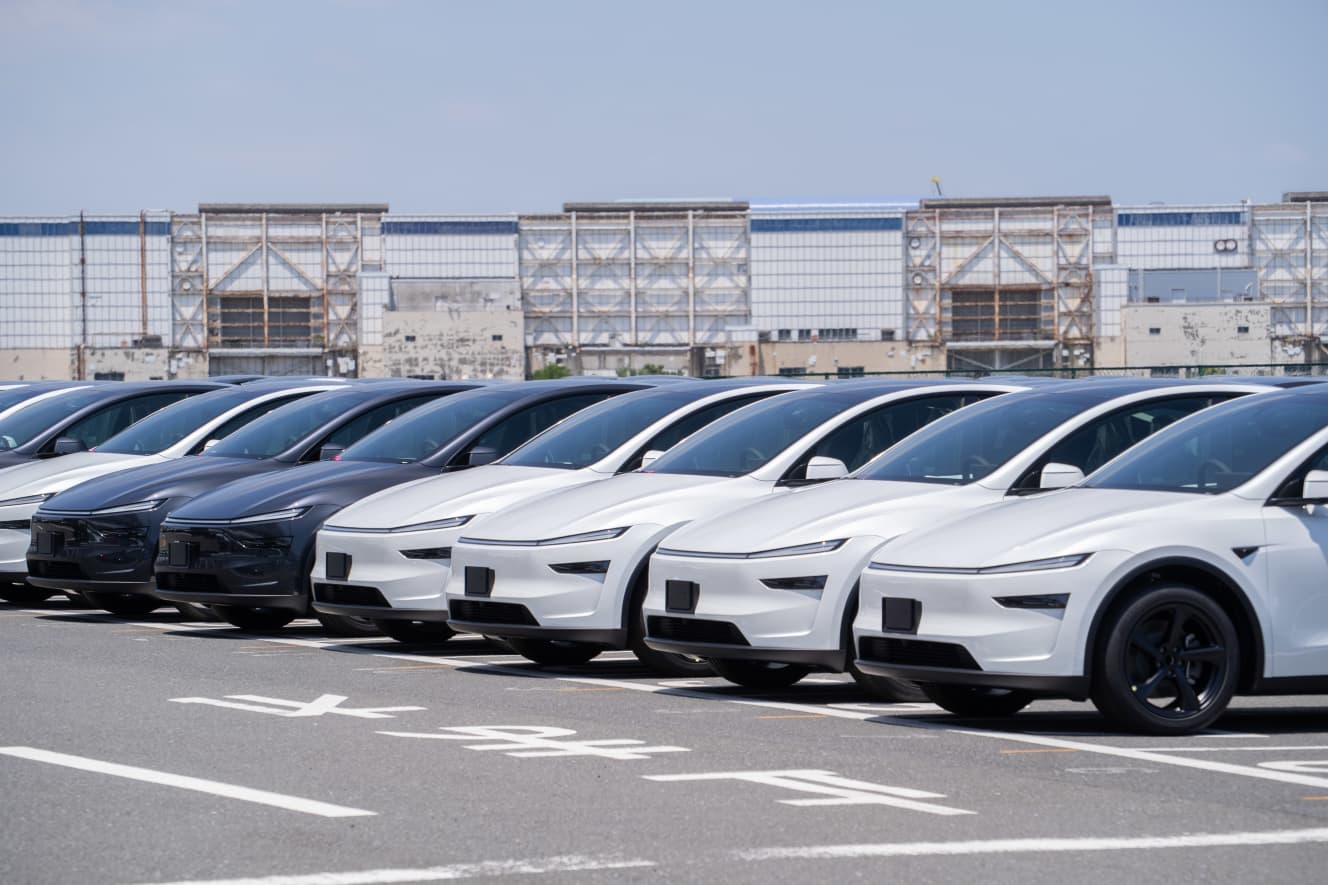
“New Teslas kept being brought into the parking lot one after another. After a while, people who appeared to be customers began arriving in taxis and shuttle vehicles operated by Tesla employees. It seemed that the rest area inside the parking lot was also being used as a place for paperwork. When the delivery process began, I was extremely surprised. Nothing like this had ever happened before.”
This is what a staff member at the Daikoku Sea Fishing Facility parking lot at Daikoku Wharf said.
Tesla’s guerrilla deliveries have sparked controversy. The method involved gathering a large number of vehicles scheduled for delivery at large parking lots around the Tokyo metropolitan area and then calling customers there to complete multiple deliveries at once. During the guerrilla delivery held at the Daikoku Sea Fishing Facility parking lot on June 28, it is believed that dozens of new vehicles were handed over in a single day.
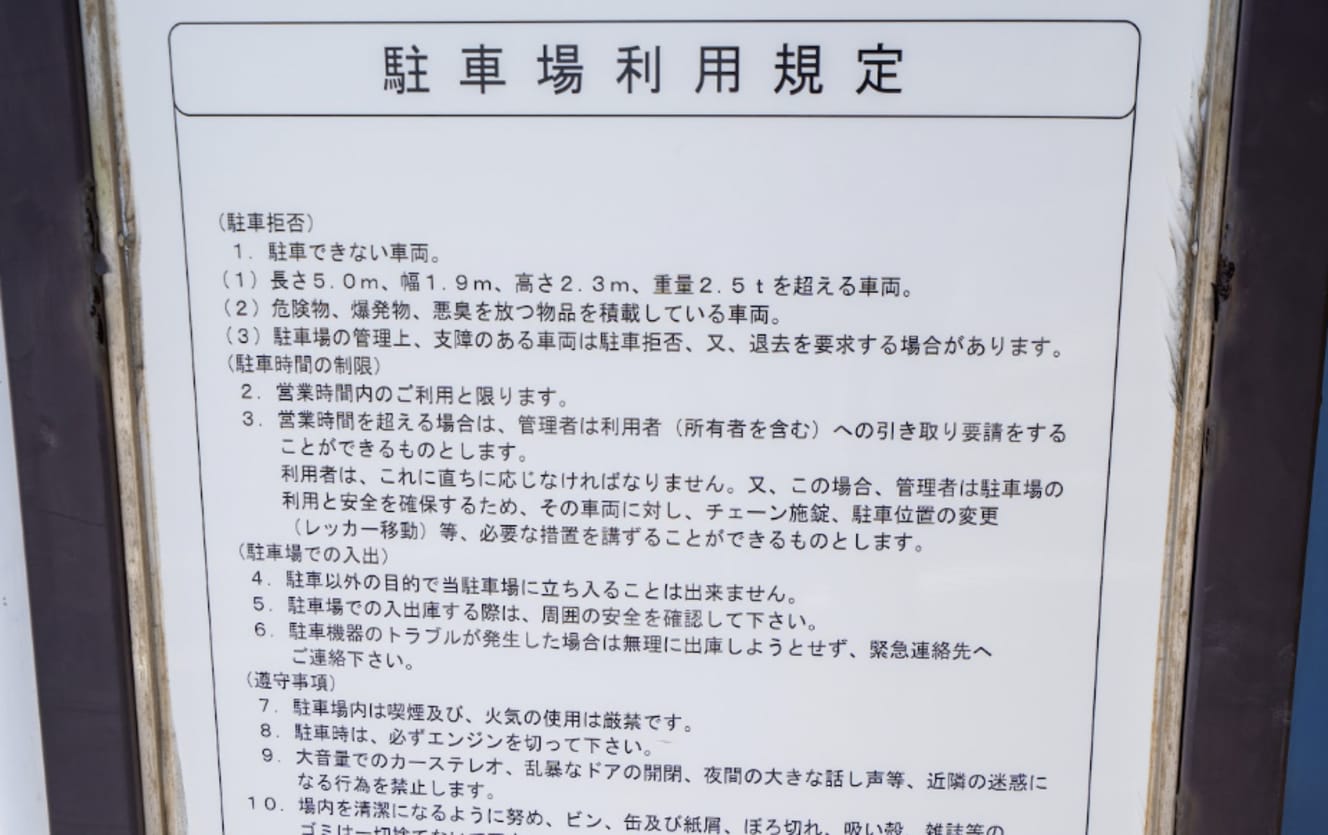
Using dozens of parking spaces for purposes other than their intended use is, of course, prohibited. Moreover, the parking lot’s usage rules state that vehicles allowed to park must be within 1.9 meters in width. However, most Tesla vehicles sold in Japan exceed 1.9 meters in overall width, meaning that parking them there would normally be prohibited in the first place. On the day of the event, common areas were occupied for an extended period of time for contract-signing procedures, potentially causing significant inconvenience to regular users.
The reality of the unauthorized guerrilla delivery
The most serious issue is that all of these activities were carried out without permission. A representative from the Yokohama City Port and Harbor Bureau, which oversees the facility, told the writer the following:
“There was no prior consultation with Yokohama City, nor was any application for permission submitted. We discovered that the sea fishing facility had been used as a delivery venue after receiving inquiries from users. After investigating the facts, we confirmed that vehicle deliveries had indeed taken place. We also spoke with Tesla Japan and requested that they absolutely refrain from ever using the sea fishing facility parking lot as a delivery venue again.”
According to the official, Tesla Japan apologized to Yokohama City, saying, “We will never do something like this again.” However, no apology statement or similar notice has been posted on the company’s official website.

So why did this kind of guerrilla delivery happen in the first place?
Tesla does not operate dedicated sales dealerships. Everything from ordering a new vehicle and making payments to scheduling inspections and vehicle servicing, as well as purchasing optional accessories, is handled through its dedicated app. Vehicle deliveries are carried out either by customers traveling to one of seven delivery locations nationwide (Okinawa, Fukuoka, Osaka, Nagoya, Tokyo, Chiba, and Sendai) to pick up their vehicles, or through paid home delivery. In Tokyo, deliveries had previously been handled at the Tesla Delivery Center Ariake (inside Ariake Garden).
So why were a large number of Teslas delivered at Daikoku Wharf this time? The biggest reason was that Ariake had exceeded its delivery capacity.
Since Tesla began selling vehicles in Japan in 2014, the company had sold around 5,000 to 6,000 units annually in recent years. However, last year that figure nearly doubled, reaching 10,600 units. This year, sales have already exceeded 12,500 units in just the first half of the year. If this pace continues, annual sales will be more than four times higher than in previous years.
Tokyo: “The city where you can buy a Tesla cheaper than anywhere else in the world”
The biggest factor behind Tesla’s rapid sales growth is the significant increase in subsidies provided when purchasing electric vehicles. Tesla’s Clean Energy Vehicle (CEV) subsidy was increased from the original 300,000–500,000 yen range to 850,000 yen between 2024 and 2025, and from 2026 it was raised further to 1.27 million yen—almost the same level as subsidies available for domestic EVs from manufacturers such as Toyota and Nissan.
Local governments also provide additional subsidies. Tokyo’s ZEV (EV/PHEV/FCV) subsidy can provide up to approximately 1.1 million yen depending on eligibility, bringing the combined total of national and Tokyo subsidies to as much as 2.37 million yen. Tesla itself promotes Tokyo on its official website as the city where Teslas can be purchased at the lowest price in the world.
In addition to these massive subsidies, the Ariake facility had been handling as many as 200 deliveries per day, meaning it had become completely overwhelmed. The guerrilla delivery approach using a large parking lot was conceived as a last resort. Daikoku Wharf was likely considered convenient because Tesla has a PDI facility there (a facility where vehicles undergo inspections and preparations before delivery).
However, since it takes at least several weeks from placing an order to receiving a vehicle, it should have been possible to anticipate the capacity problem in advance. Using a parking lot as a delivery venue without obtaining permission from Yokohama City and simply taking over the space was nothing more than a nuisance.

Sudden delivery cancellations and vehicle recalls
The rapid increase in sales within a short period has led to a sharp rise in other inappropriate incidents as well. Below are some of the complaints from buyers that have been received by the writer.
・There was no contact even on the scheduled delivery date. When I went to the delivery location, I was simply turned away with no explanation, being told only, “We cannot deliver the vehicle today.”
・At the time of delivery, the compulsory automobile liability insurance certificate was not included in the vehicle.
A Tesla insider also revealed the following situation:
“More than 400 complaint emails are being sent to customer support every day. The support channels are overwhelmed, and they are unable to properly respond to inquiries.”
More recently, from around July 11, reports have emerged that some vehicle models already handed over to customers have been subject to recalls or that deliveries have been canceled. There have also reportedly been many cases where deliveries originally scheduled for early July have been postponed until August or later.
Moreover, even employees on the front lines have not been given detailed explanations about the delivery cancellations or vehicle recalls. They have reportedly only been told that it is a problem related to type designation.
Owners have been left in a situation where their vehicles are taken back without even knowing what the issue is, while they also have no idea when their deliveries will actually be completed.
The Tesla chaos surrounding vehicle deliveries does not appear likely to end anytime soon.
PHOTO: Hiroto Kato, NoriFoodTrip (3rd photo)