Forget Seoul and Okinawa—Travel Experts Share Their Favorite Budget-Friendly Alternatives


Beating the weak yen and inflation: the secrets of professional travelers
This summer vacation season, many people have probably given up on traveling because of the weak yen and rising prices. According to data released by major travel agencies, this was the first summer since the end of the COVID-19 pandemic in which not only overseas travel but domestic travel also declined.
While more people say they simply cannot afford to travel, wealthy travelers continue to fly business class to Europe and the United States and enjoy stays at luxury hotels. Some observers argue that travel is becoming increasingly polarized and is gradually turning into a privilege reserved for the affluent.
Even so, travel enthusiasts continue to devise ways to stretch their budgets, searching for destinations and routes that offer the best value for money, both in Japan and abroad.
A veteran travel journalist who pays for and takes numerous trips every year explains the secrets of traveling like a pro.
The avoid-the-capital strategy for reducing travel costs
Viewed head-on, the current situation surrounding overseas travel is a difficult one. Fuel surcharges for flights have reached record highs, driving up airfares, while the weak yen has caused hotel and dining costs to soar not only in Europe, North America, and Australia but even in major Asian cities.
Although passport application fees were reduced on July 1, 2026, the international tourist departure tax was tripled at the same time. Frequent overseas travelers have even described the increase as an unfair burden.
The most straightforward way to reduce the cost of traveling abroad is to choose countries or regions with a lower cost of living, but deliberately avoiding the capital city is another effective strategy. In South Korea, for example, travelers can choose Busan or Daegu instead of Seoul; in Thailand, Chiang Mai instead of Bangkok; and in Vietnam, Ho Chi Minh City or Da Nang instead of Hanoi. Direct flights from Japan to regional cities may be less frequent and slightly more expensive, but the difference can often be offset by making good use of local transportation.
Take Daegu, South Korea, as an example. Several direct express buses run daily from Busan’s Gimhae International Airport, taking about 70 minutes each way and costing 11,100 won (approximately ¥1,200). Since the buses arrive at Dongdaegu Bus Terminal, the city’s largest transportation hub, getting around afterward is convenient. Gimhae Airport also provides guidance in Japanese, making it easy even for first-time visitors.
During the author’s stay in Daegu, the accommodation of choice was the familiar Toyoko Inn hotel chain. A single room with breakfast included cost just over ¥6,000 per night. The equivalent hotel in Seoul would have cost around ¥7,500, but an even greater advantage than the lower price is the ease of securing a reservation. Because Toyoko Inn locations in Seoul are highly competitive and often fully booked, the benefits of staying in a regional city—where rooms are both cheaper and easier to reserve—are considerable. Another option is to take one of the many express buses that depart directly from Incheon International Airport for destinations throughout South Korea.

The ultra-cheap trick of departing from Seoul
Among experienced travelers, an alternative route for reducing transportation costs is becoming increasingly popular. The idea is to take a late-night flight from Tokyo (Haneda) or Osaka (Kansai) to Seoul (Incheon), arrive early the following morning, and then continue on to a third country.
By now, it is almost common knowledge that international tickets issued from Seoul are often considerably cheaper than those purchased for departures from Japan. Incheon International Airport also offers flights to many destinations that are not served directly from Japan, greatly expanding travelers’ options.
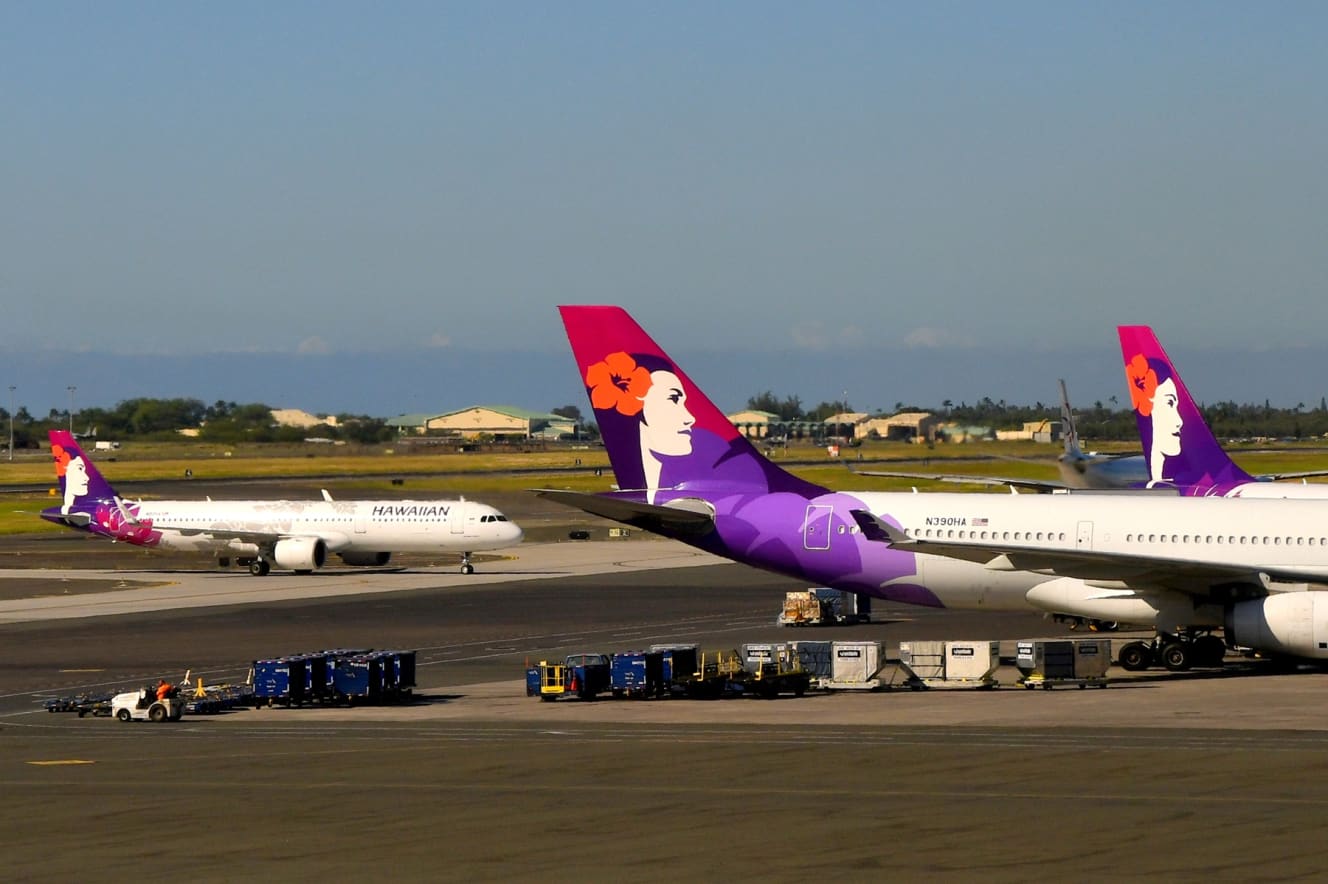
For trips to the continental United States, another possibility is to fly via Honolulu. Hawaiian Airlines has merged with Alaska Airlines, which serves more than 100 cities across the United States, and has joined the Oneworld airline alliance alongside Japan Airlines (JAL). As a result, its route network has expanded dramatically.
Flights between Honolulu and cities on the U.S. mainland are treated as domestic services, meaning that economy-class passengers receive only beverages as complimentary service. However, paid in-flight meals can be reserved in advance. Travelers can also take advantage of transfers and stopovers to spend time in Hawaii along the way.
Another benefit worth noting is that when award tickets on airlines within the Alaska Airlines group are booked using JAL mileage points, fuel surcharges generally do not apply, leaving passengers responsible only for taxes and other fees.
Finding hidden lodging options by avoiding inbound-tourist hotspots
The sharp rise in accommodation costs for domestic travel in Japan is largely the result of the rapid increase in the number of foreign visitors. In major cities such as Tokyo, Osaka, Fukuoka, and Sapporo, it is no longer unusual for even a single room at a business hotel to cost more than ¥15,000 per night on weekends or during peak travel seasons.
That said, prices are not high everywhere in the country. Places that can only be reached by car or by local bus routes—areas that are relatively difficult for foreign tourists to access—can still be quite affordable.
Conversely, extra caution is advisable when looking for accommodations near airports that receive daily international flights, since such areas are especially convenient for inbound visitors. Okinawa (Naha), for example, receives many flights from elsewhere in Asia, and most foreign tourists tend to concentrate in Naha City, Tomigusuku City, and resort areas such as Onna Village, which are easily accessible from the airport. By avoiding these locations, travelers may be able to find much cheaper places to stay.
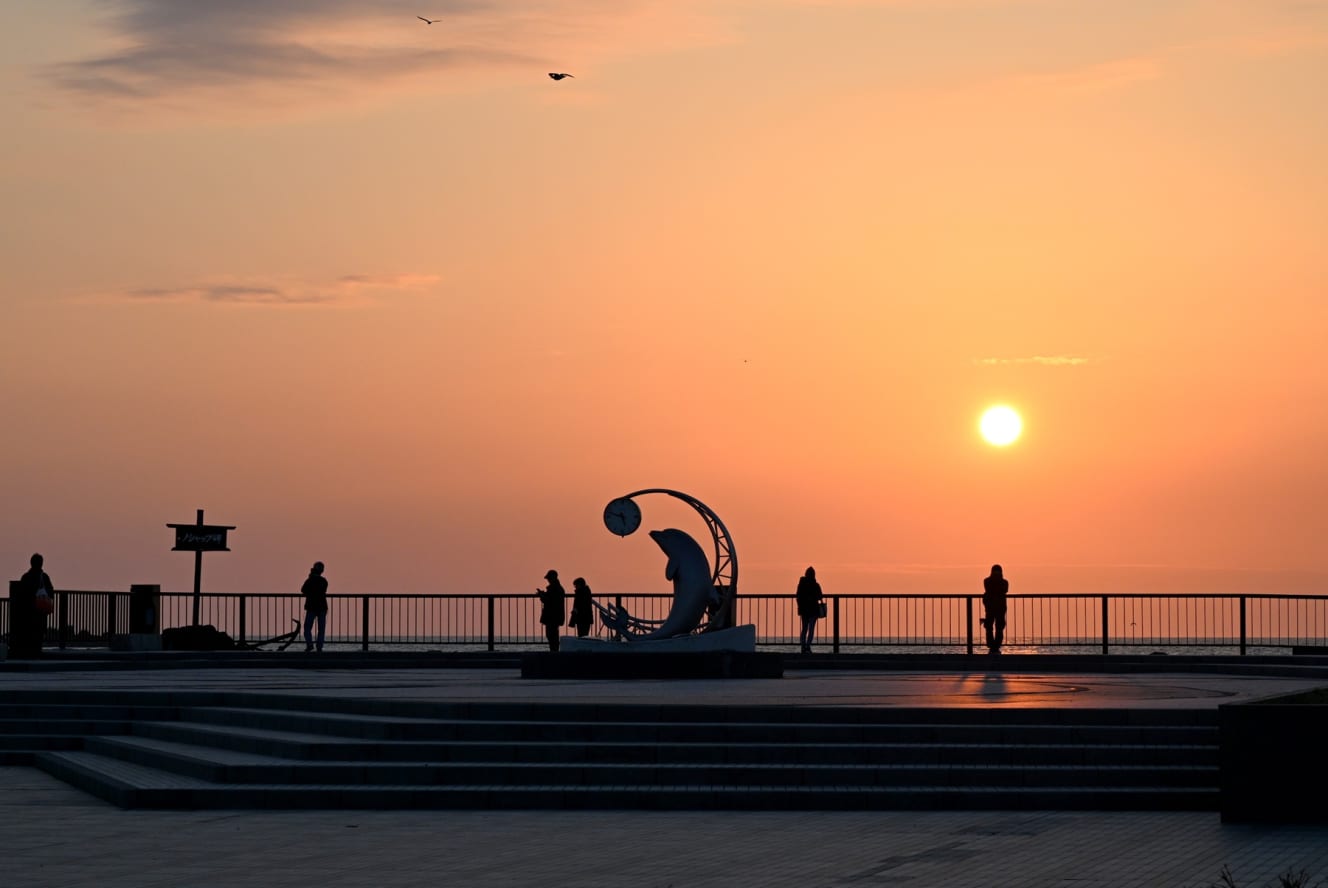
Another option is to deliberately seek out traditional family-run inns in rural areas. When the author visited Wakkanai in Hokkaido, the area around Wakkanai Station was crowded with foreign tourists. However, a guesthouse located beyond Cape Noshappu and reached by rental car was frequented only by businesspeople who traveled around the region by car.
The price was remarkably inexpensive—around ¥7,000 per night, including two meals and access to a hot spring bath. Although there was a nearby bus stop, the location was somewhat difficult to reach from the station. Staying there also evoked fond memories of the simple inns many people visited during childhood, adding a sense of nostalgia to the trip.

Aiming for the lowest fares: making the most of low-cost carriers and AI
Its main hub, Changi Airport, features a massive shopping and entertainment complex and offers convenient access to Singapore’s major tourist attractions, making even lengthy layovers enjoyable. Among the many low-cost carriers currently in operation, Scoot is regarded as particularly reliable because it belongs to the Singapore Airlines Group. Choosing the right budget airline is just as important as choosing a destination.
As these examples show, considerable savings can often be achieved simply by deliberately avoiding the most popular destinations and conventional travel styles. At the same time, however, travelers should thoroughly research local security conditions and the safety of available transportation.
The widely used global travel app Skyscanner has introduced a number of helpful tools, including “Explore with AI,” which recommends destinations through conversational searches; “Flight Tracker,” which provides real-time information on delays and flight status; and “DROPS,” which identifies heavily discounted tickets available for a limited time.
Even when traveling within Japan, where language barriers and safety concerns are generally minimal, it can be enjoyable to turn the influx of foreign tourists to your advantage by deliberately exploring places that are less accessible to them.
Reporting, Text, and Photos: Aki Shikama