Bail, Big Money, and the Cambodia Connection: Inside a Growing Scandal


Earned 45 million yen even while out on bail
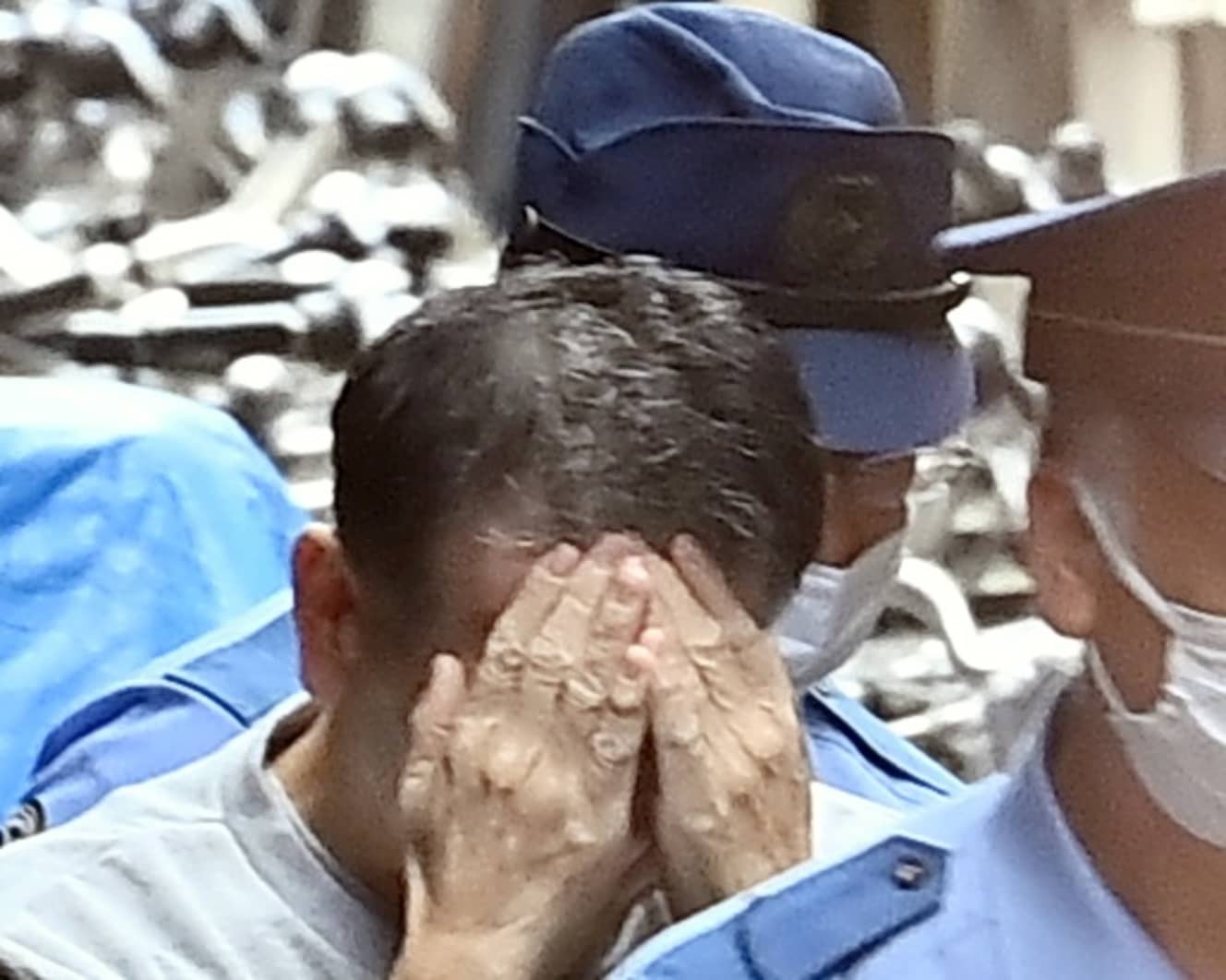
Shortly before 9 a.m. on July 9, a man emerged from the Metropolitan Police Department’s Arakawa Police Station, covering his face with both hands. Peeking through the gaps between his fingers to check the gathered reporters, he then completely hid his face as he walked. Perhaps this was a lesson he had learned from being arrested three years earlier.
On July 7, a joint investigation headquarters composed of the Metropolitan Police Department and the prefectural police of Aichi and Hyogo arrested three individuals on suspicion of violating the Organ Transplant Law (arranging transplants for payment): Hiromichi Kikuchi (66), former director of the nonprofit organization “Association for the Support of Patients with Intractable Diseases” (now dissolved); Takaki Ando (66), representative director of the “International Medical Consultation Office;” and Mitsuru Kikuchi (42), Kikuchi’s eldest son and a company employee. Investigators believe that the “International Medical Consultation Office” was effectively run by Kikuchi.
The suspects are accused of illegally arranging a transplant operation in Cambodia for a man in his seventies suffering from kidney disease and receiving 12.36 million yen in compensation.
“The man reportedly contacted the organization after seeing the consultation office’s website in August 2025. The suspects allegedly told him that what they were providing was support rather than brokerage services and therefore was not illegal, and the man requested the transplant procedure.
In January 2026, the man traveled to Cambodia. Mitsuru Kikuchi reportedly accompanied him. About 25 million yen was paid to a Chinese coordinator, and a kidney transplant using a donor kidney from a woman in her twenties was performed at a hospital in Phnom Penh. Kikuchi received a total of 12.36 million yen in compensation for arranging the transplant, consisting of a 3 million yen administrative fee and a 9.36 million yen honorarium. Although the man’s condition after the surgery is said to be stable, it was reportedly difficult to find a hospital in Japan willing to provide follow-up care.
Through the consultation office, the suspects are believed to have been involved in overseas transplants for at least four patients between March of last year and January of this year, receiving a total of 45 million yen. Most of the money was allegedly used to repay Kikuchi’s debts,” said a reporter from the social affairs desk of a national newspaper.
Kikuchi had also been indicted in 2023 for arranging organ transplants without authorization. He was later released on bail and, during the period before beginning to serve an eight-year prison sentence that became final in January of this year, established the consultation office and continued arranging transplant procedures.
The waiting list takes 15 years
“Under the Organ Transplant Law, which came into effect in 1997, it is prohibited to arrange organ donors for transplant recipients without authorization from the Ministry of Health, Labour and Welfare or to provide such arrangements in exchange for payment.
Furthermore, to prevent organ trafficking, the international standard is that organ donation and transplantation should be completed within the same country. The ‘Declaration of Istanbul,’ adopted by the International Society for Organ Transplantation in 2008, called for the prohibition of both organ trafficking and transplant tourism, in which transplant procedures are performed overseas. In this case, if money was paid to the Cambodian female donor, it could potentially constitute organ trafficking,” said a medical writer.
Although there are some exceptions, such as heart transplants performed in the United States, organ transplants in Japan are generally limited to those involving organs from donors who have been declared brain-dead or whose hearts have stopped, as well as living donations from healthy relatives and other family members. In the former case, organizations that arrange transplants must obtain government authorization. However, a chronic shortage of donors remains a serious problem.
“According to the Ministry of Health, Labour and Welfare, Japan had only 1.13 organ donors per million people in 2024. Spain and the United States are far ahead, with 53.93 and 49.70 donors per million people respectively, but even South Korea’s figure of 7.75 is considerably higher than Japan’s.
The Japan Organ Transplant Network points to several reasons for Japan’s comparatively low number of organ donations, including the country’s policy of recognizing brain death as legal death only in cases involving organ donation, strict transplant guidelines, the limited number of facilities capable of carrying out organ donations, and the fact that medical institutions have not yet developed adequate systems to support organ donation.
In addition, even if a person has indicated a willingness to donate organs, the family’s consent is still required before the donation can proceed. Because there are many cases in which family members object, the network stresses the importance of individuals clearly expressing their wishes and discussing them with their families in advance,” the source added.
According to the Japan Organ Transplant Network, there were 158 organ donations in 2025. Each year, only 4 percent of those hoping to receive transplants are actually able to undergo the procedure, leaving the vast majority on waiting lists.
The average waiting period is about three and a half years for a heart transplant and about one year for a liver transplant. For kidney transplants, which have by far the largest number of applicants, the wait is said to be approximately 15 years.
Businesses that take advantage of vulnerable patients in such a sophisticated manner clearly deserve to be investigated and prosecuted. At the same time, Japan’s organ transplantation system itself would also benefit from further improvements.
“FRIDAY Digital” welcomes information and tips from readers. Please submit information through the form below or via the publication’s official X (formerly Twitter) account.
Tip Submission Form: https://friday.kodansha.co.jp/tips
Official X: https://x.com/FRIDAY_twit
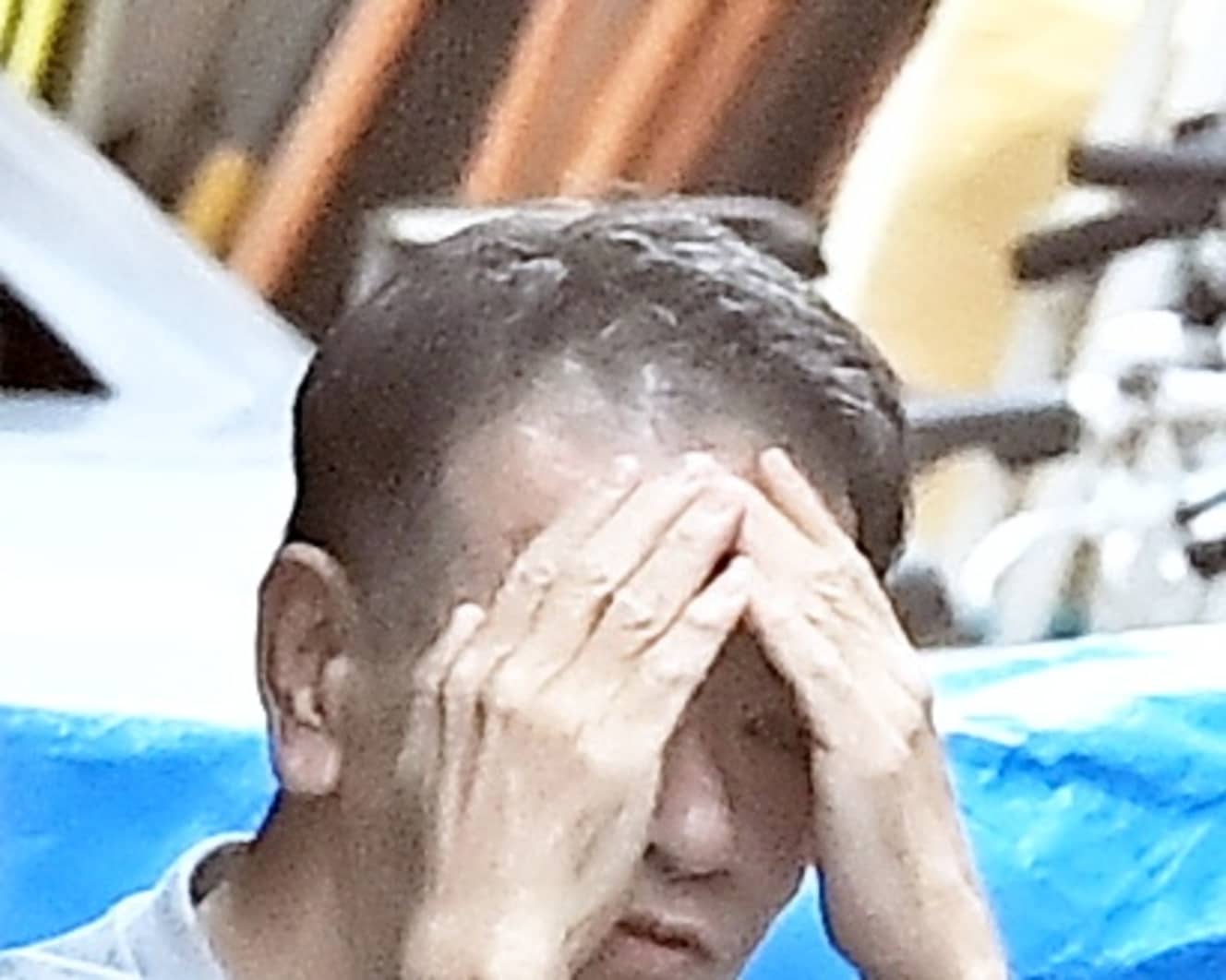

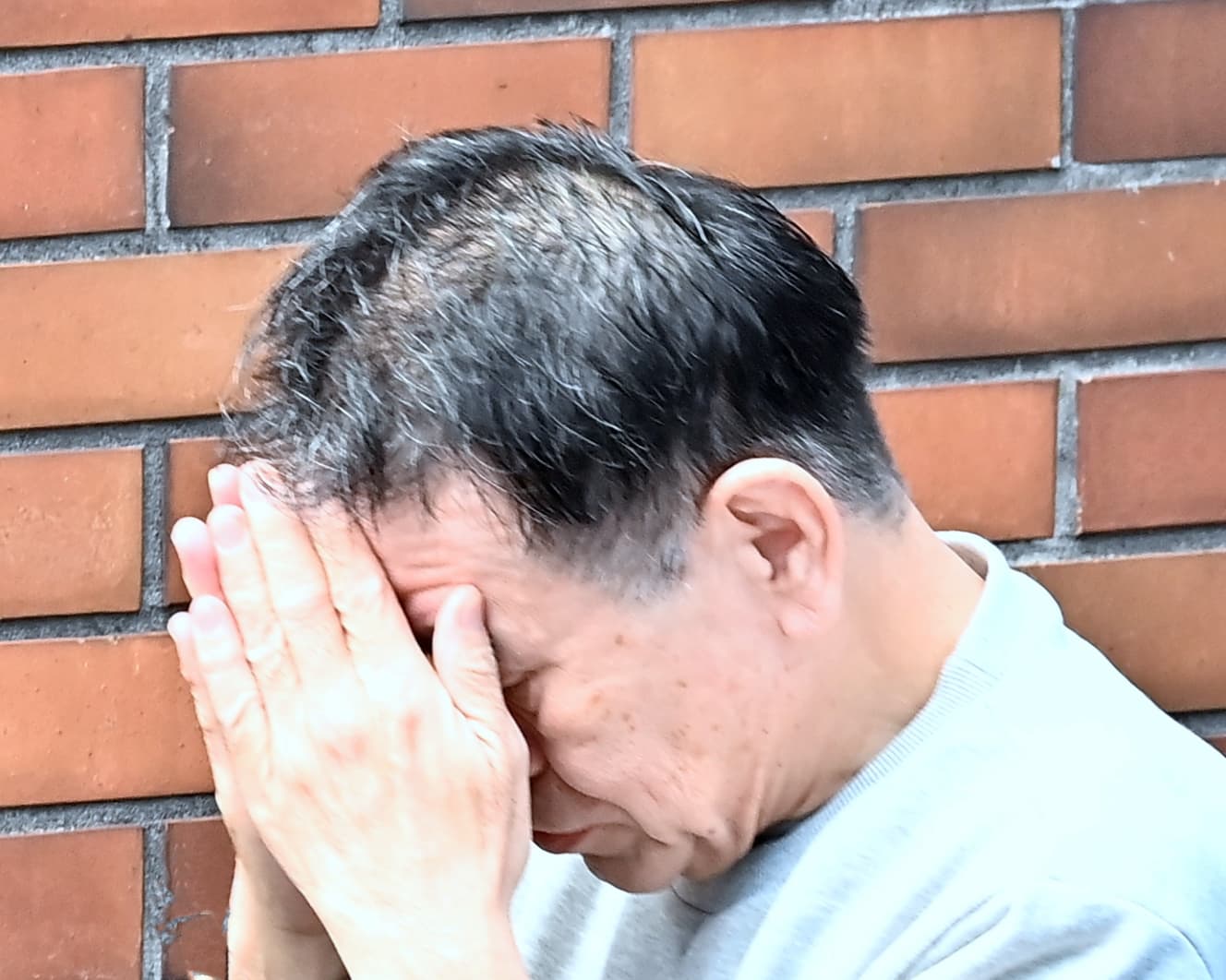
PHOTO: Shinji Hasuo