A Vietnamese Man Accused of Burglarizing One of Japan’s Most Notorious Crime Scenes


Life on a monthly salary of ¥130,000
The first hearing for Luong Van Hai (32), a Vietnamese national charged with unlawful entry into a residence and attempted theft after allegedly breaking into the house where the “Setagaya Family Murders” took place and attempting to steal valuables, was held at the Tokyo District Court on July 3.
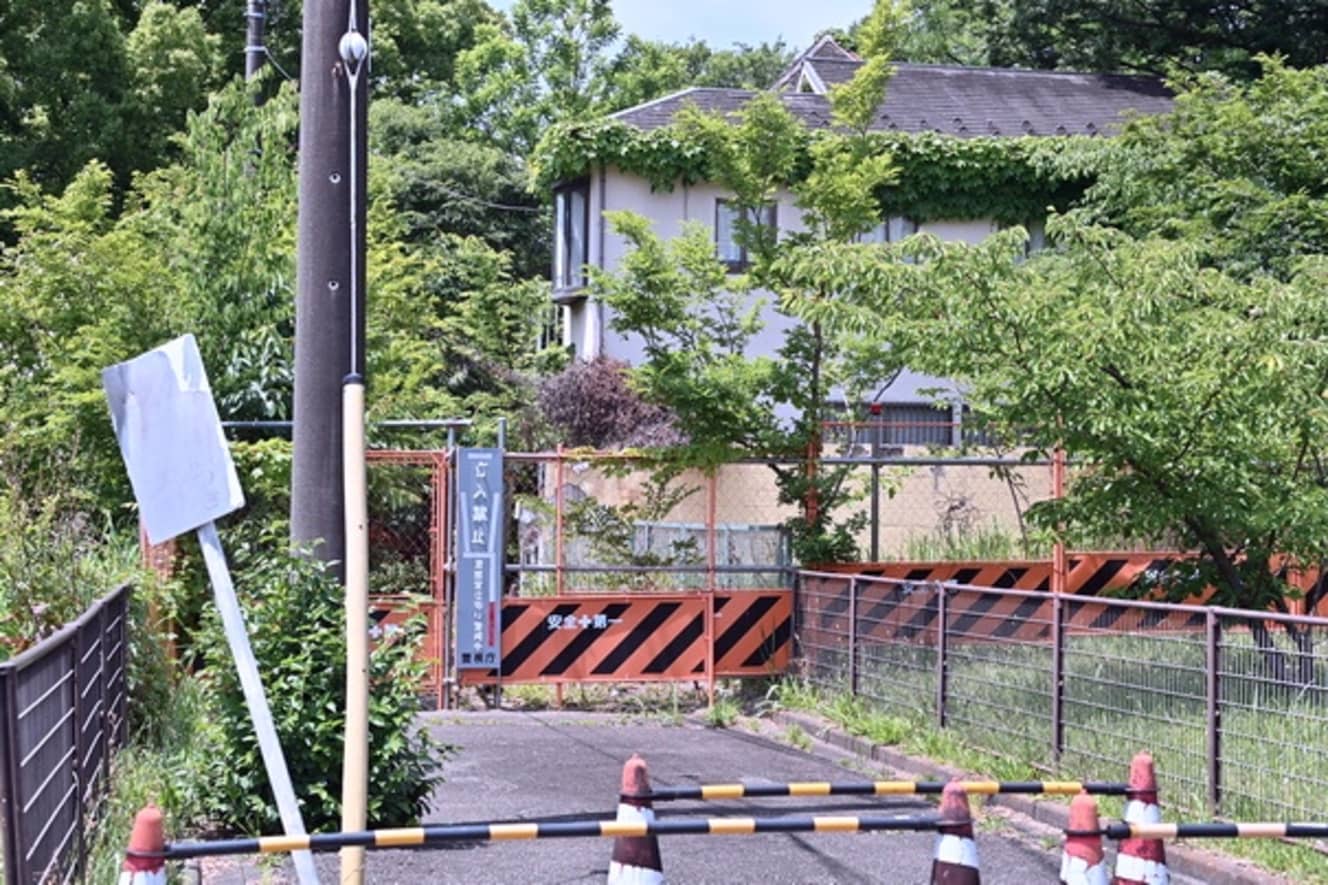
“The incident came to light on December 13 of last year, when investigators visiting the home of Mikio Miyazawa (44 at the time of his death) discovered that a window had been broken. Since the murders of the four members of the Miyazawa family occurred on December 30, 2000, the police had likely intensified patrols around that time of year. In March, officers questioned Luong in Nerima Ward and discovered that his residency status had expired, leading to his arrest on suspicion of violating the Immigration Control Act (illegal overstaying).
During questioning, he suggested that he had entered the property together with Nguyen Minh Hung (28), a fellow Vietnamese day laborer. Nguyen was arrested in Chofu in April on suspicion of violating the Immigration Control Act. At the time of his arrest, Luong reportedly stated that he did not know it was the scene of the murders. The house has been preserved by the victims’ family in the hope that the case will eventually be solved. Claiming ignorance cannot excuse an act that tramples upon the feelings of the bereaved family.”
According to the indictment and other sources, between September and December 2025, Luong allegedly told Nguyen that there are valuable things in vacant houses and planned a burglary. The pair allegedly climbed over the fence surrounding the Miyazawa residence in Setagaya Ward, Tokyo, smashed a window with a stone found nearby, and entered the house. They reportedly searched through cardboard boxes on both the first and second floors but found no valuables.
The prosecution points to a social problem
During the questioning of the defendant that day, Luong spoke about the hardship he had experienced in Japan, which he said had motivated the crime. Appearing in court wearing a gray tracksuit, Luong looked exhausted and expressionless, perhaps as a result of having spent more than three months in detention. When his identity was confirmed through an interpreter, he replied, “I have no fixed residence in Japan. I am a construction worker.” Regarding the charges against him, he straightforwardly admitted, “There is no mistake.”
According to his testimony, Luong borrowed money from an acquaintance and came to Japan in 2023 to work. His monthly salary was about 130,000 yen. More than half of that amount was sent to his family in Vietnam, but he said that he was bullied at work and eventually quit. When his lawyer asked, “Didn’t you think about returning home?”, he replied, “At the very least, I wanted to keep working in Japan until I repaid my debts.” He tried to find another job in Japan, but his work visa expired, making him an undocumented resident. As a result, he was unable to find stable employment.
He then survived by taking day-labor jobs, where he met his alleged accomplice, Nguyen Minh Hung. According to the testimony, it was Luong who proposed the burglary to Nguyen, ultimately leading to the crime. Asked once again about his motive, Luong said:
“I was working, but my wages disappeared into everyday living expenses. If there had been anything valuable, I wanted to sell it for money. I know what I did was wrong. I am sorry.”
The prosecutor then asked, “How much debt did you still have to repay?” Luong answered, “About half of it remained,” but did not disclose a specific amount. He also stated that, after paying off the debt, “I intended to report to immigration authorities and return home.” However, how much of his testimony is true remains unclear.
Luong has also been indicted on charges of violating the Immigration Control and Refugee Recognition Act. After the hearings concluded, prosecutors emphasized that the crime had been committed “at a time when illegal overstaying has become a social problem” and argued that “a severe punishment is warranted,” requesting a prison sentence of two years.
As the prosecution pointed out, cases in which undocumented immigrants become involved with organized criminal groups have been increasing, raising concerns about worsening public safety.
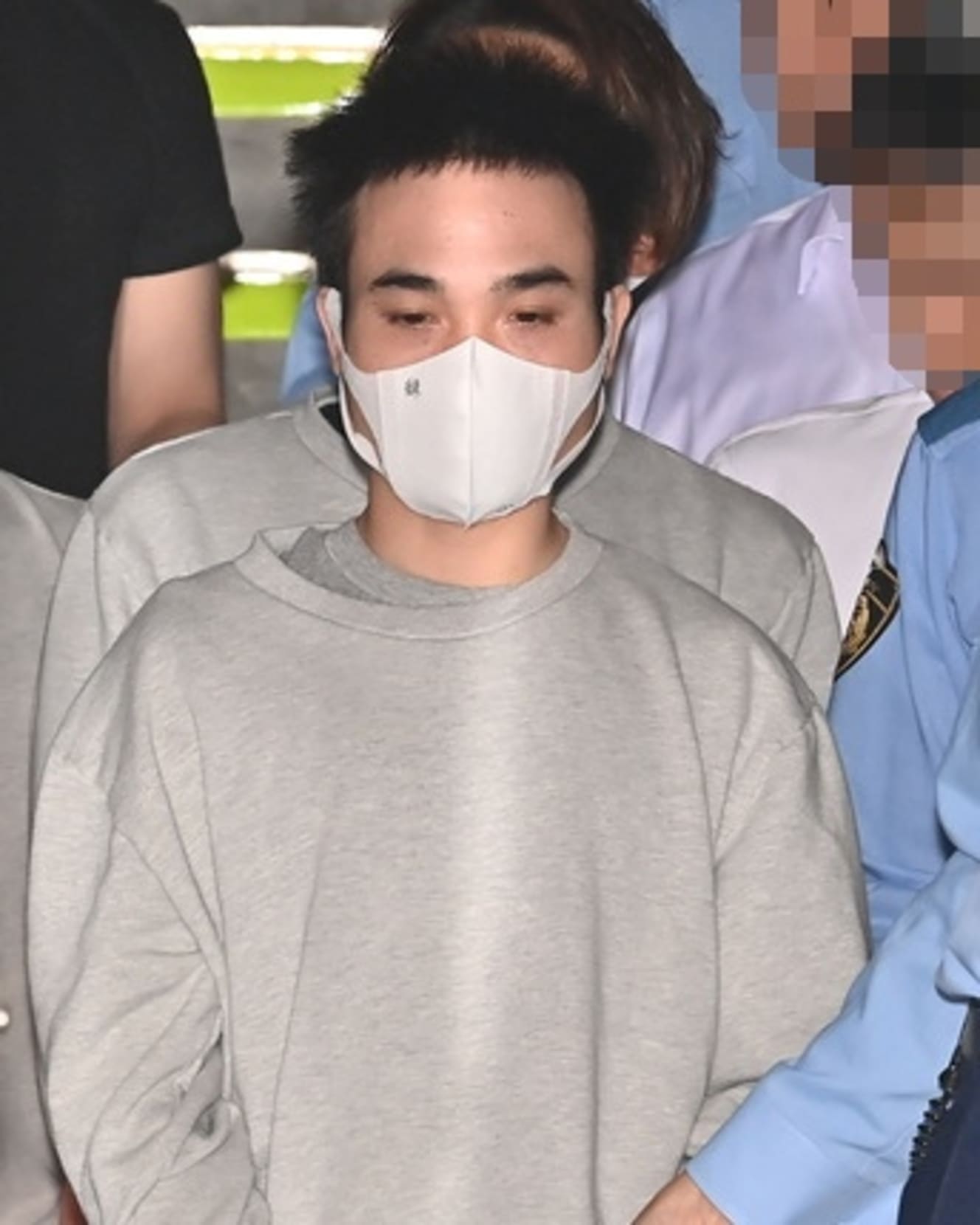
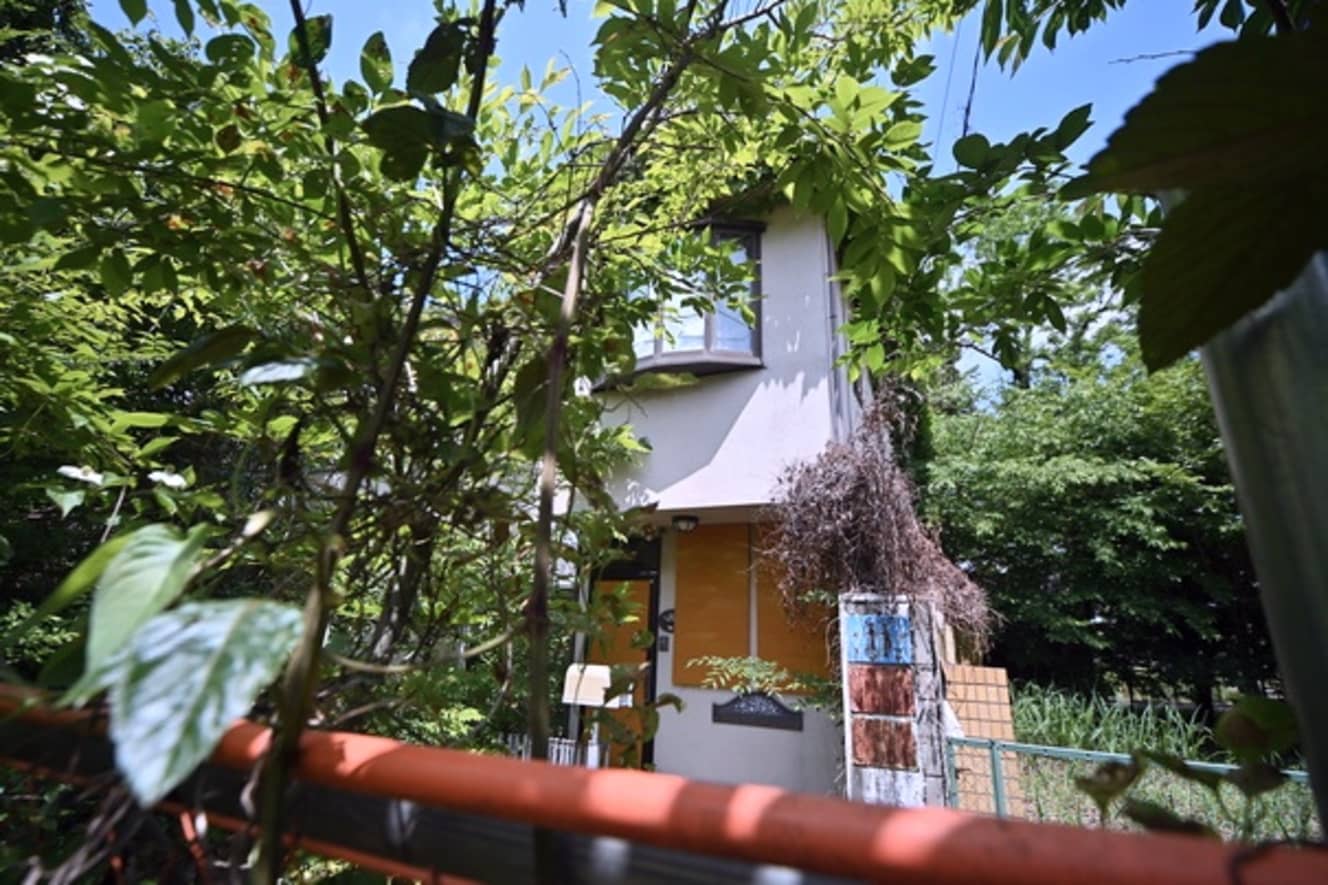
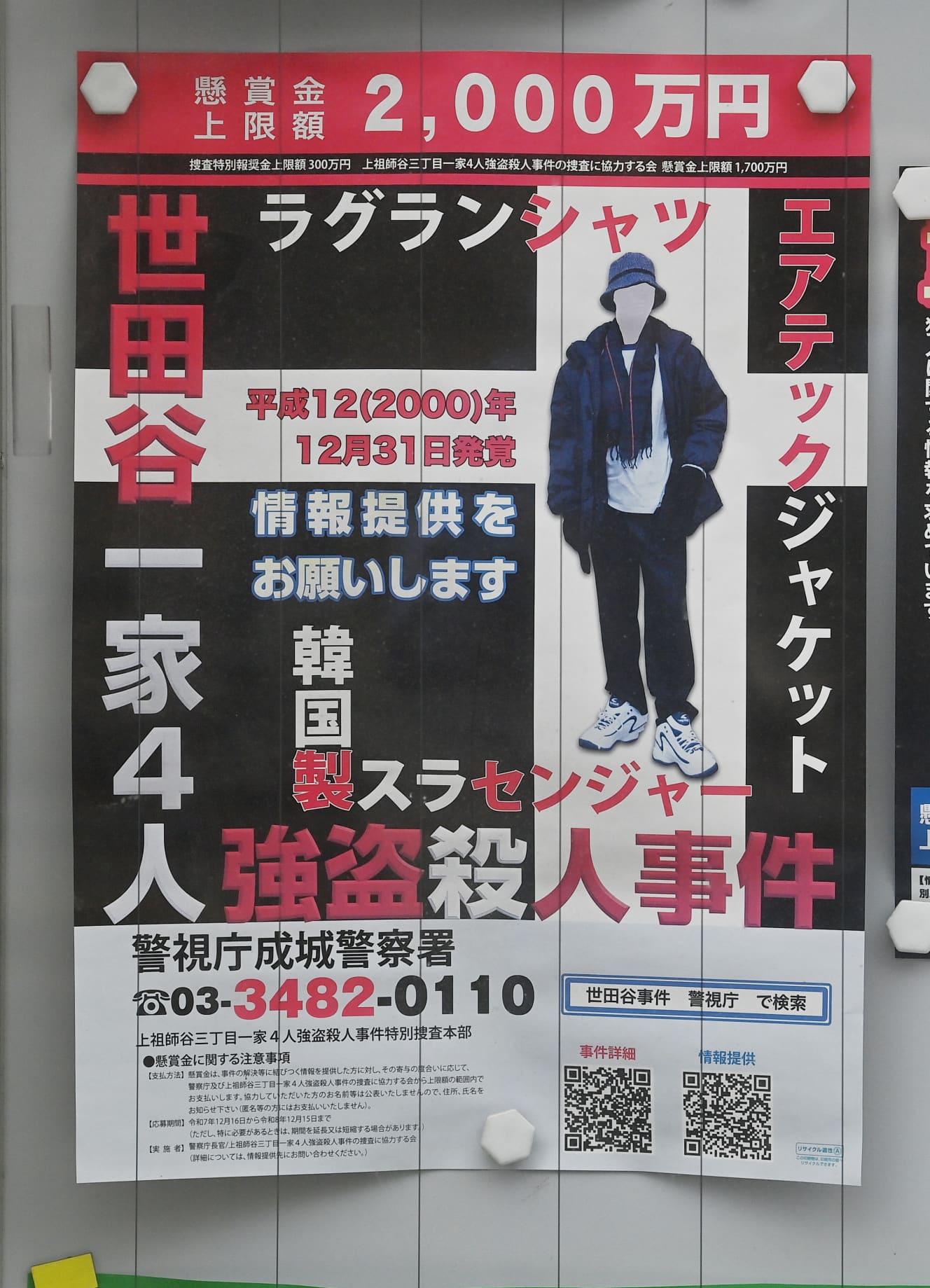
PHOTO: Shinji Hasuo