A Matter of Life and Death… Active Physicians & Healthcare Workers Issue a Warning! The “Naphtha Shock” Is Triggering a Collapse of the Healthcare System
[Emergency Roundtable] “Shortages” of medical equipment, missing ointment tubes, and increased infection risks from “disinfecting and reusing”!


IV bags and tubing are in short supply
“We’re managing to hold on for now, but Japan’s healthcare system is on the verge of collapse.”
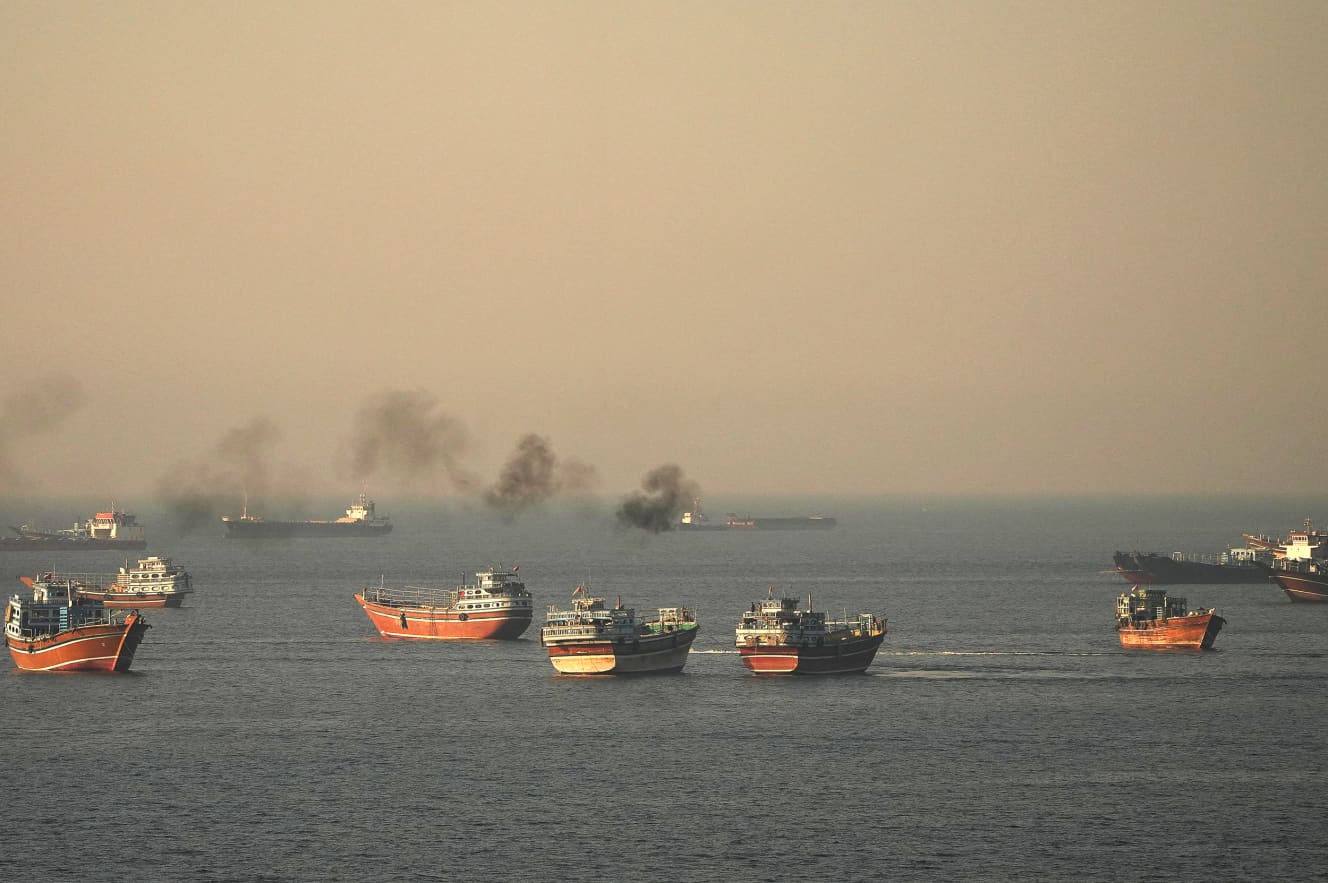
News that medical gloves are in short supply due to the escalating tensions in the Middle East and the blockade of the Strait of Hormuz has drawn significant attention. The government explained, “We can secure the necessary amount of crude oil for the time being by releasing government reserves and increasing the number of suppliers,” and called for a calm response. However, the naphtha shortage is a serious issue.
While the fact that packaging for some food products has already been switched to black-and-white for shipment has become a talking point, the situation is particularly dire in the medical field.Naphtha is not only used in plastic products but also serves as a raw material for many medical supplies and treatment devices, such as medical gloves, IV bags, dialysis circuits, and catheters (soft, tubular devices several millimeters in diameter); it is also indispensable for the manufacture of pharmaceuticals. The words quoted at the beginning reflect the candid, unvarnished feelings of medical professionals.
We recently held an emergency roundtable discussion with Dr. A, an internist; Dr. B, a specialist in dermatology and urology; Nurse C, who works at an internal medicine clinic; and Pharmacist D, who runs a community pharmacy. We asked them to speak candidly about “what is happening right now” on the front lines of healthcare.
A: The government has stated that “the total national supply of naphtha is sufficient,” but we’re already seeing the impact on the front lines of healthcare.
B: It was hard to get medical gloves, wasn’t it? We were able to catch our breath a bit when the government released its stockpiles, but…
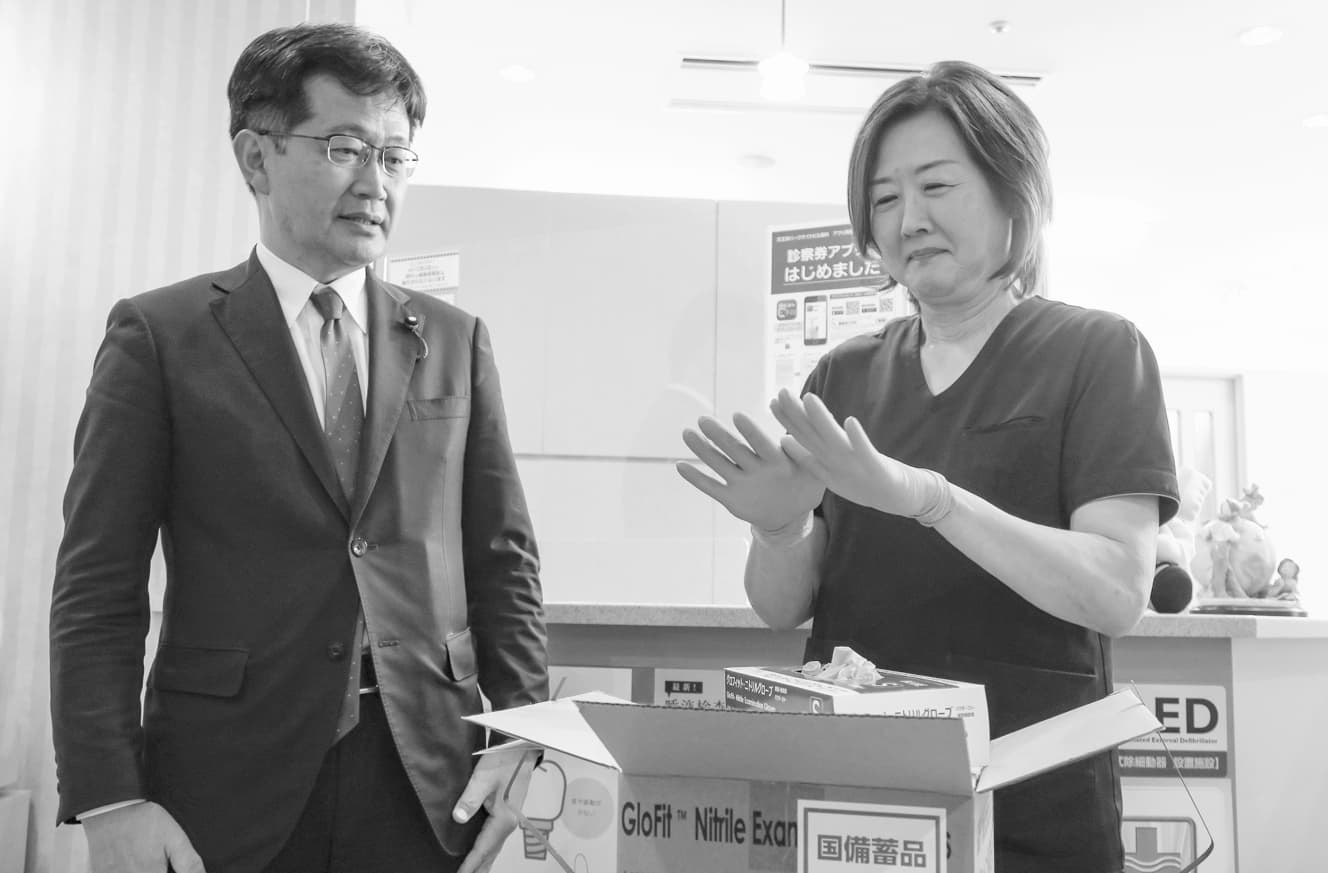
C: We used to change gloves frequently. In fact, we used to change them for every patient, but now, for procedures or tasks with a low risk of infection, we disinfect them with alcohol and reuse them.We’re trying to make them last as long as possible. Even though the government has released its stockpiles, if the turmoil in the Middle East continues, those supplies will eventually run out, so we no longer have the same sense of ease about using them as disposables as we did before.
A: It’s a real headache, isn’t it? If there’s a shortage of medical gloves, it becomes difficult to protect healthcare workers and patients from infectious diseases.
B: It’s not just gloves. Items like IV tubing and IV bags—things we used to be able to order without any trouble—are becoming harder to obtain.
C: If there’s a shortage of IV bags and tubing, it will have a major impact on routine medical care—such as correcting dehydration, managing nutrition, and administering antibiotics. People tend to focus on surgeries and surgical procedures, but the number of patients who need routine medical care is incomparably higher…
B: It’s not exactly hoarding, but some medical institutions are starting to place larger orders in anticipation of future supply shortages.
A: Since gloves have become harder to get, there’s a growing concern that “other medical supplies might run out too.” You can never have too many catheters or tubes. However, the increase in orders is creating a vicious cycle where stockouts are becoming even more frequent.
C: We can no longer purchase IV tubing the way we used to. Ideally, we’d have a steady supply of products from the same manufacturer through a single supplier, but right now we have to contact multiple suppliers, and the situation is such that we can only secure supplies if we’re flexible about the manufacturer. We’re managing to hold on that way, but future shortages are entirely possible.
D: In our dispensing department, we’re facing container issues even before we get to the actual medications. Ever since the naphtha shortage started making headlines, ointments that used to come in jar-shaped containers are now only arriving in tubes. It’s also become difficult to source eye drops.We’ve even received notifications from manufacturers stating, “Due to the naphtha shortage, we can’t produce containers for ointments”… So we’re asking patients to bring in the containers they used before, or switching them to single-ingredient prescriptions and explaining to them, “Please apply them separately.”


“We have no choice but to go back to ‘old-fashioned medicine'”
B. In dermatology, doctors sometimes mix several types of ointments in specific proportions to achieve the best results. If there are no ointment containers available to mix them, and patients have to apply them separately, there is a risk that the treatment’s effectiveness will be reduced.
D: There are also delays in the delivery of containers for cold medicine and syrup-based medications prescribed in pediatrics. Plastic liquid medicine bottles are in short supply, so instead of dispensing the medication in a single 100-milliliter container as we normally would, we are dividing it into two 50-milliliter containers.We also have no supply of droppers for infants and toddlers to take their medicine, so we cannot provide them to patients. If our supply of containers runs out, we’ll have no choice but to switch to powdered medication. This makes it difficult for infants and toddlers to take their medicine… and could lead to missed treatment opportunities. It may seem like a small issue, but it’s actually a serious problem.
C: Earlier, we talked about medical gloves, but modern medicine is supported by disposable products. If supply shortages become the norm, what will happen…?
A: Since we operate on the assumption that these are disposable. But if supplies really do dry up, we’ll have no choice but to revert to “old-fashioned medicine.”
B: In the past, there weren’t as many disposable products in medical settings as there are now. In the urology department where I used to work, we used reusable metal instruments for procedures like bladder irrigation. If the shortage of supplies becomes severe, won’t we have no choice but to switch back to reusable instruments for some procedures?
C: Would we end up reusing catheters and tubes as well?
B: It’s not normally recommended. But if supplies run out, we’ll have no other choice. If the supply chain breaks down, I imagine the approach would be to continue using items—at least those used by the same patient—while ensuring they’re properly disinfected and sterilized.
A: As for plastic containers used for medications or ointments, I think we could consider reusing them after thorough cleaning and disinfection.
However, when it comes to medical gloves, catheters, balloon catheters (catheters secured in place using a balloon-shaped device),cannulas (tubes inserted directly into affected areas such as the trachea after an incision), and gastrostomy tubes—reusing these disposable products that come into direct contact with internal tissues or mucous membranes after simply disinfecting them would increase the risk of infection. Developing sepsis would be a major crisis. I don’t think this is realistic.
B. First, we should examine whether there are any items whose service life can be extended through cleaning or disinfection.
And as Mr. A mentioned, I believe that for medical supplies directly related to patient safety—such as catheters and cannulas—we have no choice but to prioritize securing new ones whenever possible.
D: Young healthcare workers have only known an era where “disposables are the norm.” If we revert to the Showa-era approach of “cleaning, disinfecting, and reusing,” we won’t be able to maintain current standards for infection control and patient safety.
B: After all, the balloon catheters, cannulas, and gastrostomy tubes mentioned earlier are all petroleum-derived products…
The impact on dialysis care is particularly significant. There are approximately 337,000 dialysis patients in Japan. If treatment is disrupted due to the naphtha shock, it could be life-threatening.
A: The majority of dialysis patients in Japan undergo hemodialysis. Hemodialysis requires a large number of consumables, such as dialysis circuits and tubing.
B. The supplies and materials used in hemodialysis are bulky, and since dialysis clinics typically lack the space to store them, most cannot increase their order volumes. Larger hospitals might be able to manage, but if supply disruptions persist, I believe we’ll need to consider switching new patients to peritoneal dialysis and providing care at home.
Life-threatening within a few days to two weeks
C: Peritoneal dialysis is a dialysis therapy that uses the peritoneum inside your abdomen as a filter to remove waste products and excess fluid from the body.
A: Peritoneal dialysis has several advantages, including the ability to perform dialysis at home, fewer clinic visits (about once or twice a month), relatively fewer blood pressure fluctuations and less physical strain on the body, easier maintenance of remaining kidney function, and relatively lenient dietary and fluid restrictions.
B: However, daily dialysis is required, and there is a risk of infections such as peritonitis. A catheter must be left in place in the abdomen, and prolonged use can sometimes lead to a decline in peritoneal function.
C: It’s great to have a high degree of freedom in daily life, but patients have to manage both the dialysis and infection prevention on their own.
D: That’s quite a hurdle, isn’t it…?
A: If dialysis is discontinued, toxins and fluid will accumulate in the body. Although there are individual differences depending on the patient’s condition and remaining kidney function, generally, patients often face a life-threatening situation within a few days to about two weeks. If they develop heart failure or hyperkalemia, they can reach a life-threatening condition in an even shorter period.
B: If the supply of items such as feeding tubes, urinary balloon catheters, and tracheal cannulas is disrupted, even patients who aren’t on dialysis will be at risk of death.This is because these medical supplies are directly linked to the survival of patients receiving home healthcare or living in long-term care facilities. Medical supplies are not merely “consumables”; they are critical infrastructure that sustains patients’ lives, and any disruption to their stable supply will have a severe impact on the entire healthcare system.
D. At present, frontline facilities are managing to hold on. However, if this situation continues for another half a year or a year, cracks are bound to appear somewhere.Patients assume that if they go to a hospital, they will receive the necessary medical care. But that care is supported by a single pair of gloves, a single tube, a single container, and the raw materials for medications. If even one of these is missing, the impact will be far greater than anyone can imagine.
The impact of the naphtha crisis may be difficult for the general public to see.
However, on the front lines of healthcare—where we face life and death every day—fear is definitely beginning to spread.


From the July 17 & 24, 2026, combined issue of *FRIDAY*
Reporting and Editing: Eri Yoshizawa (Medical Journalist, Pharmacist) PHOTOS: Kyodo News, Jiji Press (2nd photo), Afro (6th–7th photos)