A ¥190 Million Mix-Up With a Suitcase? The Hidden Link Between the Haneda Airport Theft Attempt and the Ueno Case


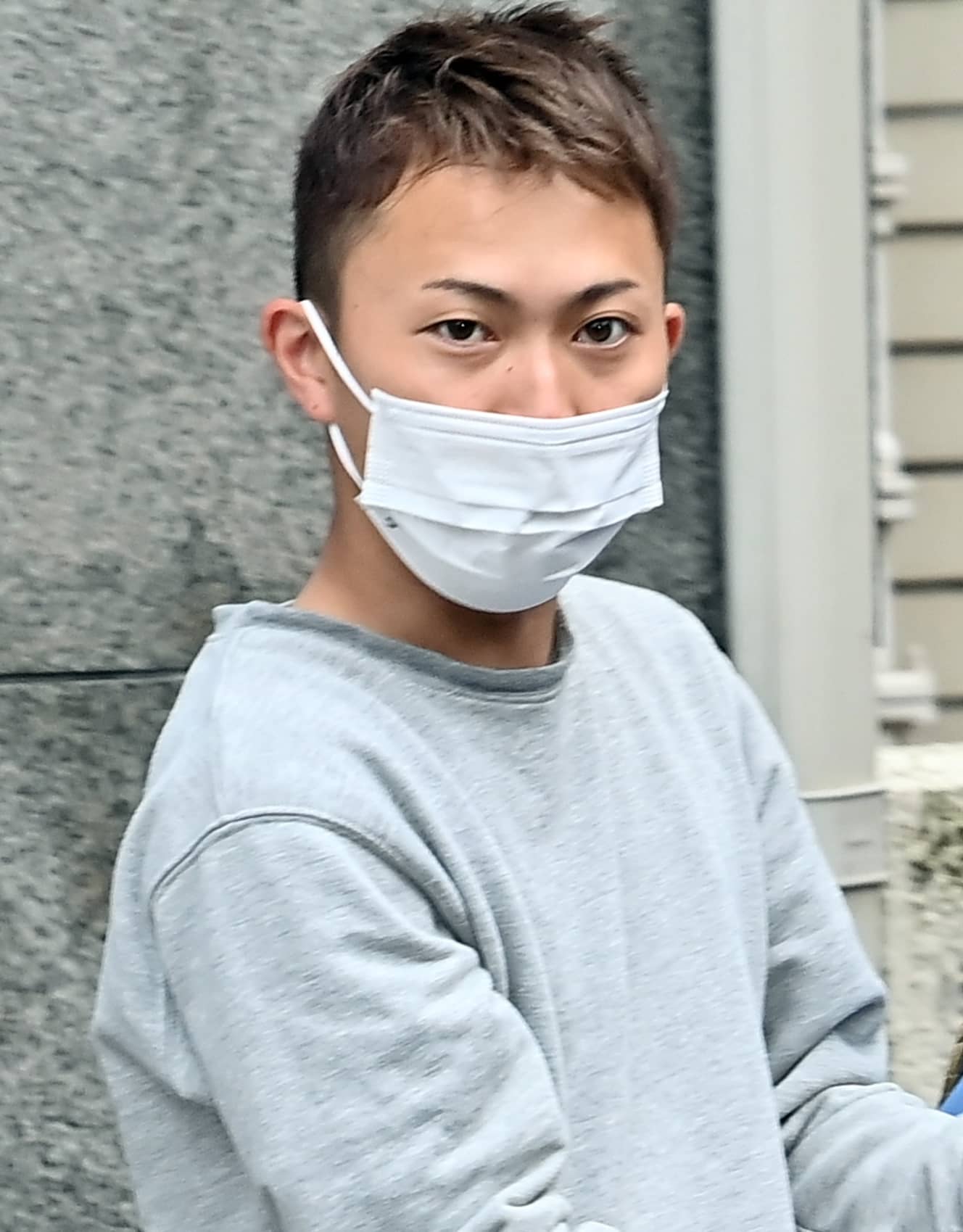
Two minutes before the ¥190 million attempted robbery
On January 30, an attempted robbery took place in the parking lot of Haneda Airport, where ¥190 million in cash was targeted. Just two minutes before that incident, men who attempted to steal a Boston bag from another man at the same parking lot were arrested.
On July 2, the Metropolitan Police Department announced the arrests of four suspects on suspicion of attempted theft: Yoshito Koyama (20), whose address and occupation are unknown; Haruhi Sugamori (22), Daiga Kurihara (20), both listed as having unknown occupations and from Machida, Tokyo; and a 16-year-old male minor.
“According to police, at around 12:10 a.m. on January 30, the four suspects allegedly attempted to take two Boston bags that a man in his 20s had placed on the floor while waiting for someone at the parking lot of Terminal 3 at Haneda Airport.
One of the suspects managed to take one bag away, but when the man chased after him, the bag was abandoned. The other three suspects then fled in a white vehicle. The man who owned the bags had just returned from a trip, and the contents included clothing, souvenirs, and a laptop.
Two minutes later, on the same floor, a group transporting ¥190 million in cash was attacked. One man suffered minor injuries after being sprayed with tear gas, but the attackers fled in a white vehicle without taking the money.”
(According to a national newspaper crime reporter)
The group transporting the ¥190 million narrowly escaped becoming victims of the robbery. However, two members of the group later traveled to Hong Kong, where they themselves became victims of a robbery involving ¥51 million. One of them was arrested by local police along with the perpetrators after allegedly being involved as an inside informant.
“The four suspects arrested this time were acquaintances from the same area, and police appear to have identified them through security camera footage. In the ¥190 million case, a white Prius believed to have been used as the getaway vehicle was found, and it closely resembled the white vehicle used by the four suspects in this theft attempt. Police believe the four suspects had prior information that the ¥190 million was being transported and mistakenly targeted the wrong bags.”
(the same source)
Furthermore, around 9:30 p.m. on January 29 — about two and a half hours before the Haneda incident — another incident occurred in Ueno, Taito Ward, Tokyo, in which a suitcase containing ¥420 million in cash that was scheduled to be transported to Hong Kong was stolen.
In that case, seven people, including men believed to be senior members of organized crime groups such as the Yamaguchi-gumi, Sumiyoshi-kai, and Kyokuto-kai, were arrested on March 14.
Not a dark part-time job — a professional operation
The two incidents are suspected to be connected because both involved cash obtained through financial transactions and because the methods were similar, with the perpetrators specifically targeting money that was being transported to Hong Kong. On the surface, the two cases do not appear to be linked.
Underground society journalist Yukio Ishihara explains:
“The key point is that both cases are being handled by the Organized Crime Division. In the Ueno case, the suspect identified as the person giving instructions, Jinryu Kano (21), a senior member of a fourth-tier Yamaguchi-gumi affiliated organization, is actually the biological son of the group’s boss. That boss is also an executive of an upper-level organization.
Through that connection, the operation may have grown into a major project involving the Yamaguchi-gumi, Sumiyoshi-kai, and Kyokuto-kai. It is possible that Kano was ordered to act as the on-site coordinator, or that information was passed to him and he planned it independently as his own source of income.
The connection between Koyama, who has been reported as the leader figure in this latest case, and Kano is still unknown. However, even if Koyama was not a gang member, it is highly likely that he had connections to the underworld. It is possible that he received instructions, gathered local acquaintances, and carried out the crime.”
The Ueno, Haneda, and Hong Kong incidents also share a professional quality in their methods.
“Unlike so-called ‘dark part-time job’ crimes, these were clearly professional techniques. I personally covered the Ueno incident, and the perpetrators quickly surrounded the scene where money was being carried out from a building and sprayed the victims with tear gas without hesitation. Things like that are not easy to carry out smoothly unless you have experience.
Also, the attack was limited to actions such as spraying people in the face; there was no beating or excessive violence. The fact that they appeared to calculate that their charges would be lighter if arrested shows a very professional level of planning.”
(continued from the same source)
As the investigation progresses, the connections among these three incidents targeting enormous amounts of underground money are likely to become clearer.
※“FRIDAY Digital” welcomes information and tips from readers. Please send any information through the provided tip submission form or the official X account.
Tip Submission Form: https://friday.kodansha.co.jp/tips
Official X: https://x.com/FRIDAY_twit
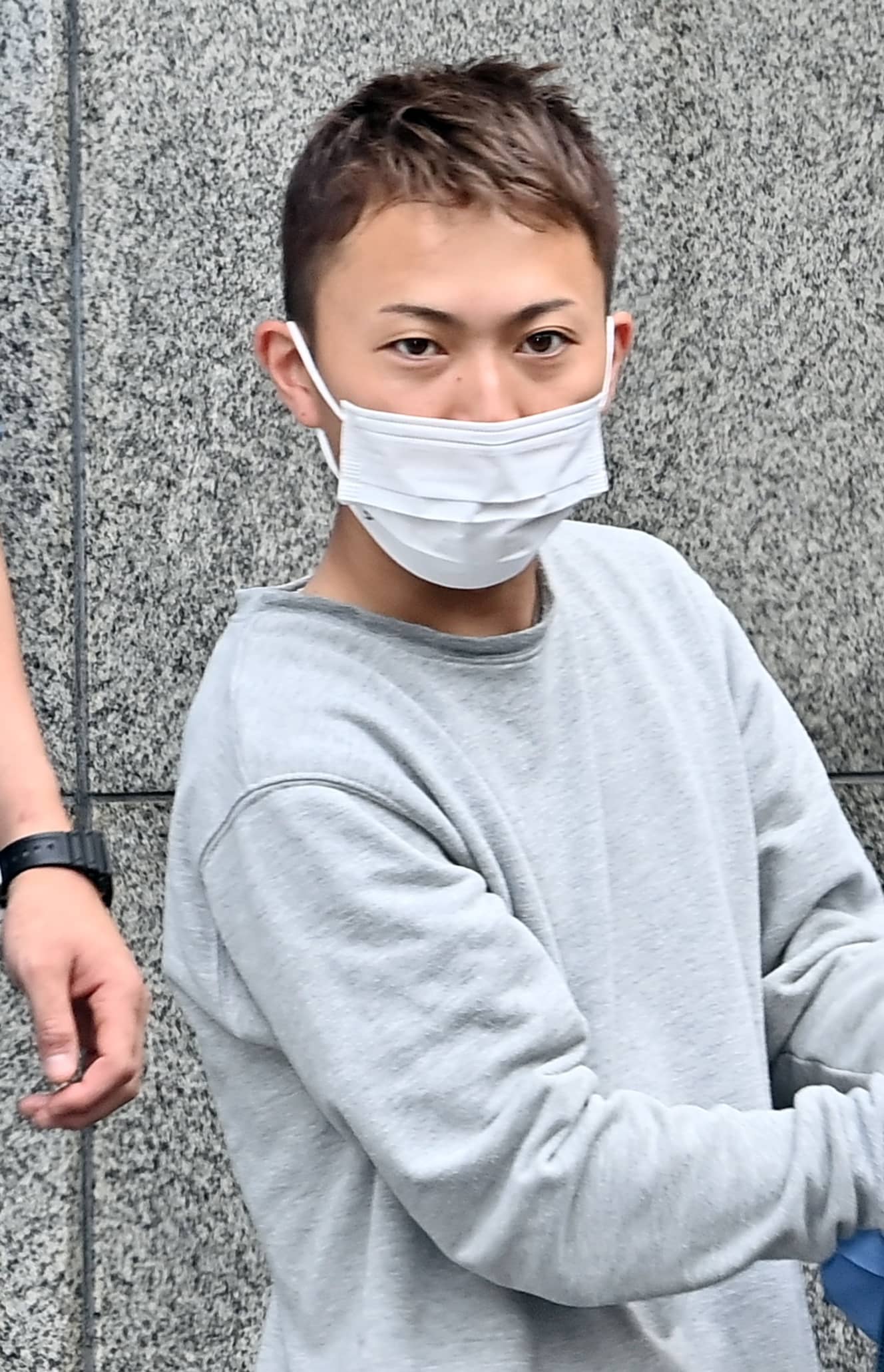
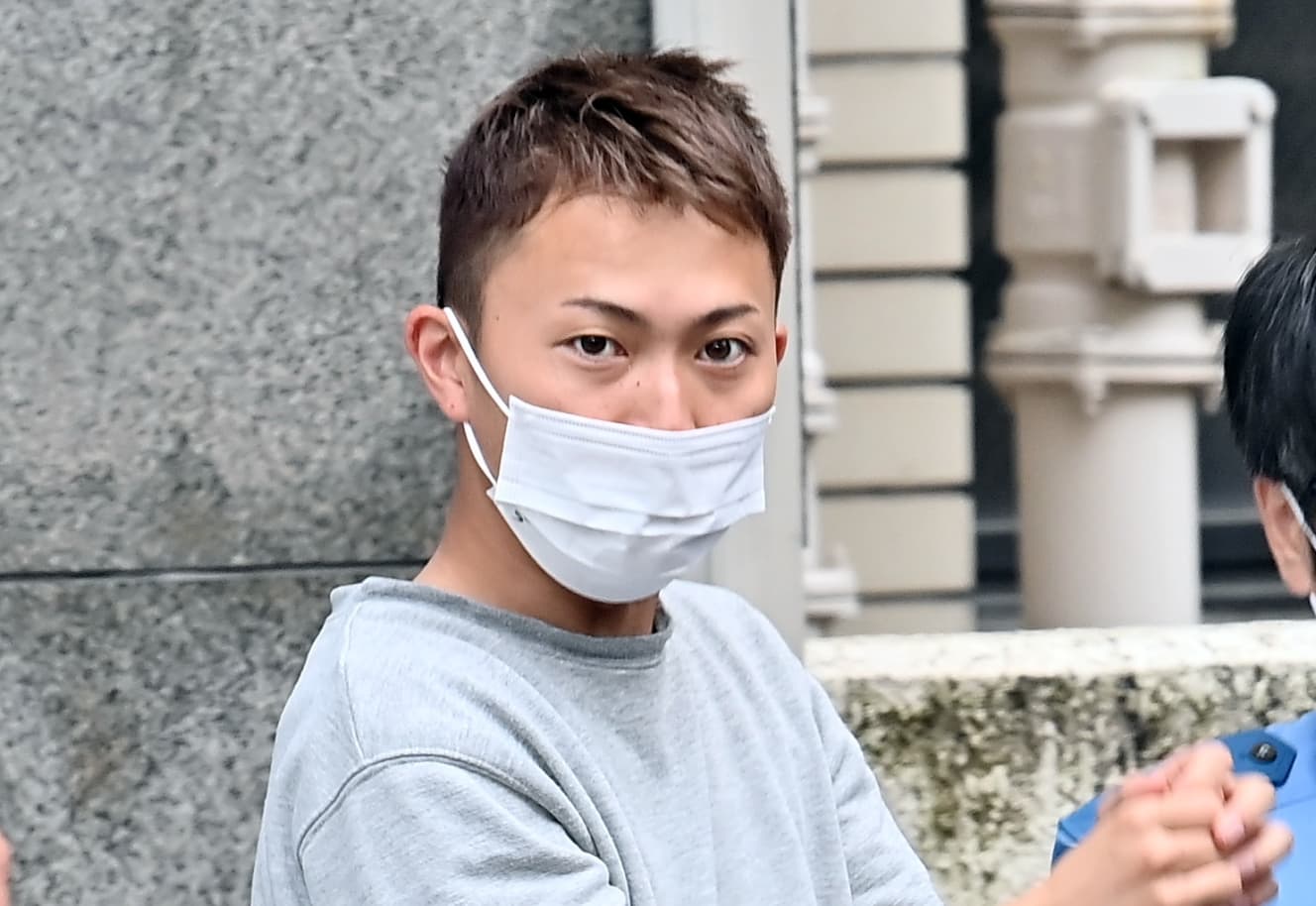

PHOTO: Shinji Hasuo