Criminals, Not Victims? The Policy Contradictions Behind a Thriving Sex Industry
Sex Work Around the World and the State, Part 4: Part 1


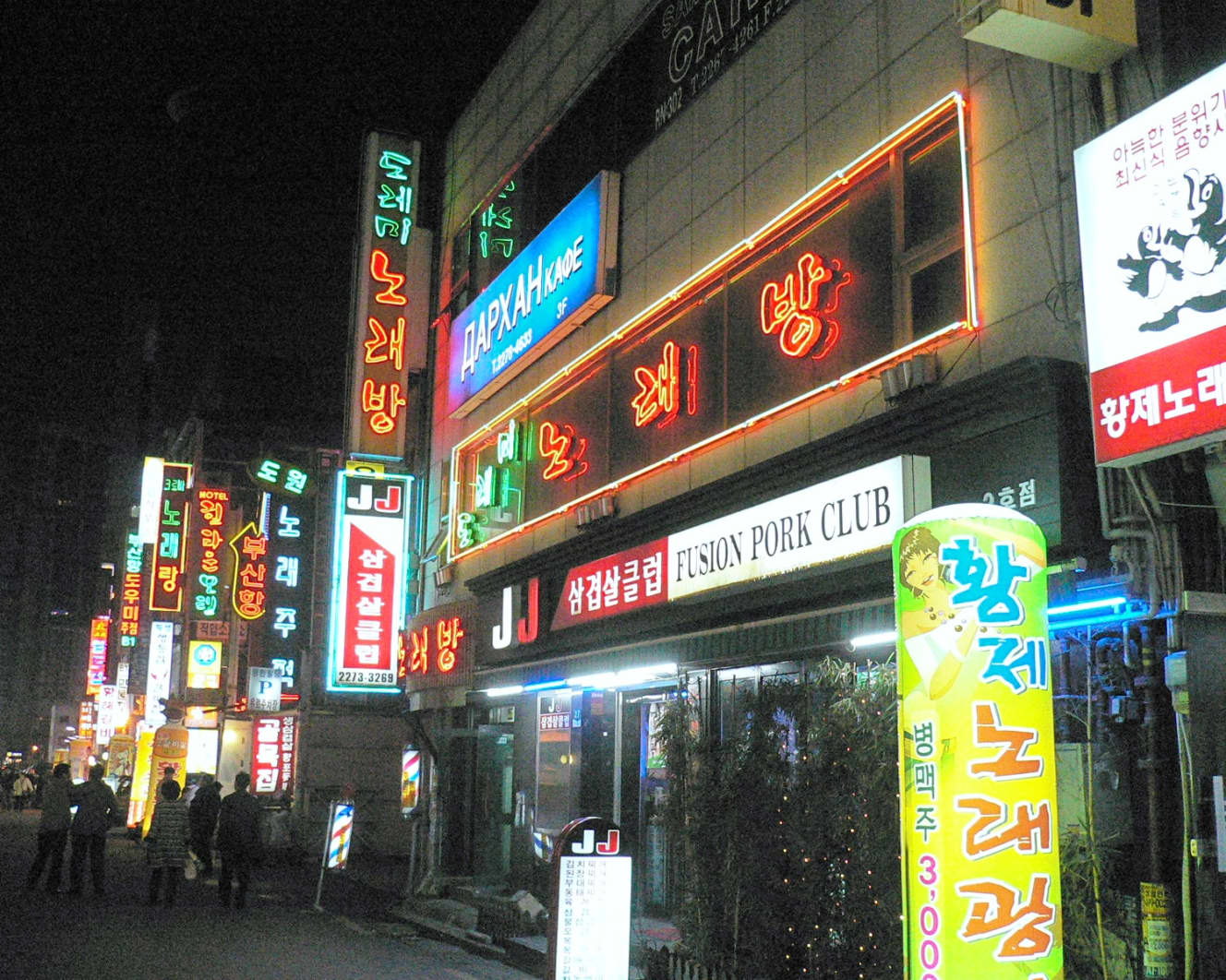
In this series, journalist Akira Ikoma, who has examined how countries around the world regulate prostitution, has previously introduced the Nordic model, the legalization model, and the decriminalization model. In the first half of this fourth and final installment, he turns to the prohibition model, which is adopted primarily in parts of Asia.
What is the Prohibition Model?
The prohibition model makes prostitution completely illegal and punishes everyone involved. Also referred to as the criminalization model, it prohibits selling sex, buying sex, brokering or soliciting prostitution, and providing premises for such activities. Exactly what constitutes a crime and the penalties imposed vary from country to country.
The model is rooted in a moral and public-order perspective that views prostitution itself as inherently wrong. It holds that prostitution is an act contrary to public morals and decency—a form of sexual degradation that should be eradicated. In principle, those who sell sex (most often women) are treated not as victims but as offenders. By criminalizing prostitution, the aim is to eliminate the various social harms associated with it.
This approach was common in many countries until the mid-20th century, and it remains in place in nations such as China and the Philippines. Most of the United States (with the exception of certain counties in Nevada, where licensed brothels are legal) also generally follows this model.
South Korea is one of the countries that has adopted the prohibition model. For many years, it comprehensively prohibited prostitution under the Act on the Prevention of Degrading Acts (enacted in 1961 and abolished in 2004).
In 2004, South Korea enacted the Special Act on the Punishment of Acts of Arranging Sexual Traffic, which significantly strengthened penalties for those who facilitate prostitution. The law generally punishes both buyers and sellers of sexual services. However, incorporating an element of the Nordic model, it also provides that women arrested for prostitution will not be punished if they were coerced into selling sex, recognizing them as victims rather than offenders in such cases.
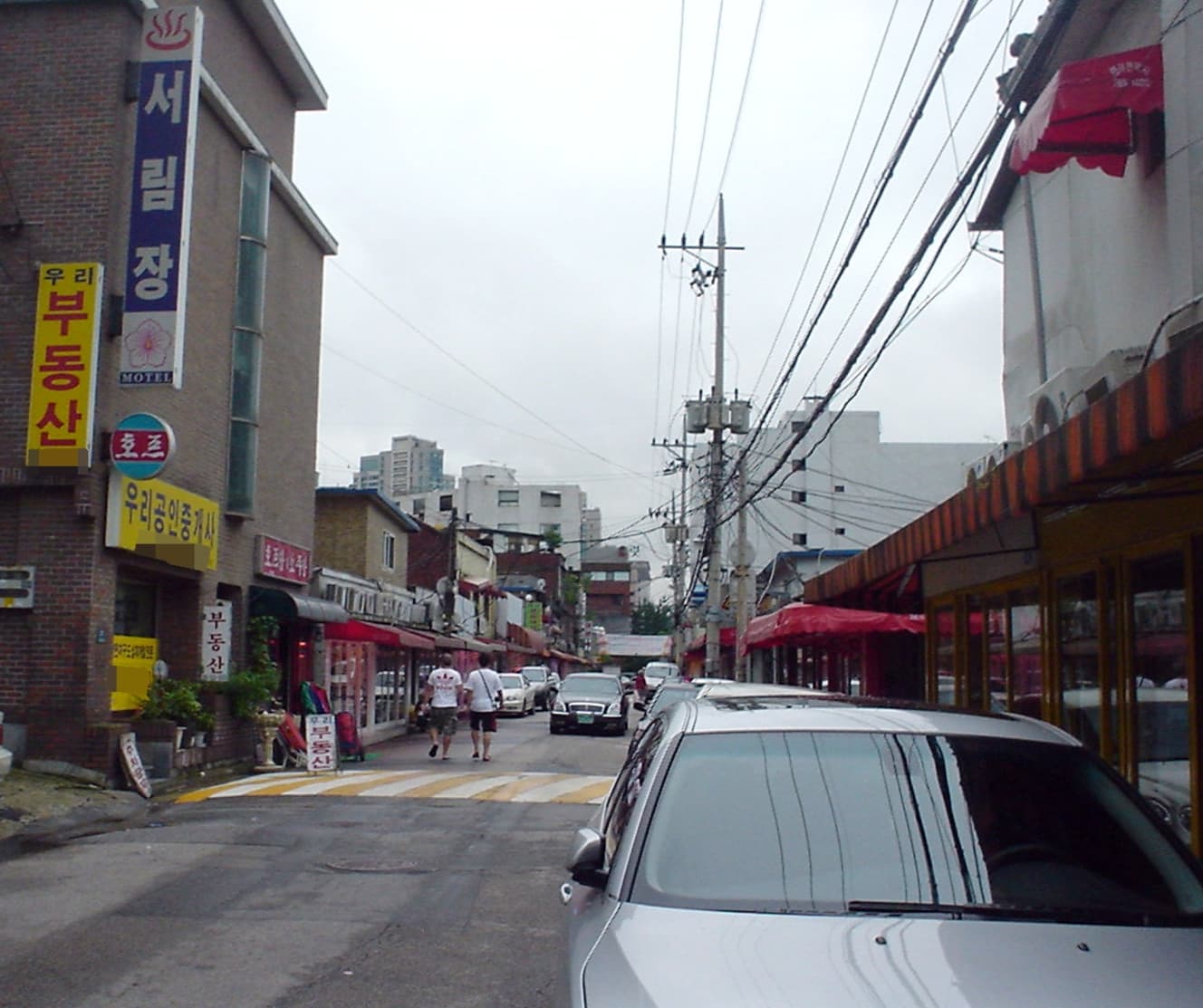
“It would be better to legalize it,” some argue
However, for a woman to obtain legal protection, she must prove that she was a victim of coercion. Demonstrating that prostitution was forced is extremely difficult. As a result, many women continue to be punished, while others who were coerced remain unwilling to come forward for fear of criminal penalties.
Another reason women are still punished appears to be prejudice and opposition from some men, who argue that these women chose prostitution voluntarily or that punishing only male buyers amounts to reverse discrimination.
Although prostitution has long been illegal in South Korea, it remains widespread in practice. Visiting sex establishments has not uncommonly been regarded as part of doing business, and some companies reportedly even claimed expenses for purchasing sexual services as business costs. Karaoke venues that dispatch young female companions have remained so popular that new locations continued to open even during economic downturns. In effect, critics argue that the law has become largely unenforceable.
The government has continued to crack down on the sex industry, but many establishments remain in operation. The sheer size of the industry is one reason enforcement has struggled to keep pace. Police face manpower shortages, and corruption involving individuals connected to the sex industry has reportedly made large-scale crackdowns difficult. Another factor is that, even after accounting for arrests and penalties, the business remains highly profitable. Some therefore argue that, because prostitution is already deeply entrenched, it would be better to legalize and regulate it to ensure safer working conditions rather than continue pursuing its elimination through criminalization.
For these reasons, there have been growing calls for the immediate repeal of the Special Act. Since its enactment, women engaged in the sex trade have repeatedly organized demonstrations and rallies demanding revisions to the law, opposing the closure of sex establishments without adequate support for affected women, and calling for the protection of their right to earn a living.
It has also been reported that, after the law took effect, increasing numbers of South Korean women traveled overseas—to countries including Japan, the United States, China, and Australia—to engage in prostitution. The number has been estimated at more than 100,000, and overseas arrests are said to have doubled. These developments have fueled ongoing debate over whether strict legal enforcement is truly an effective way to regulate the sex industry while protecting those involved.
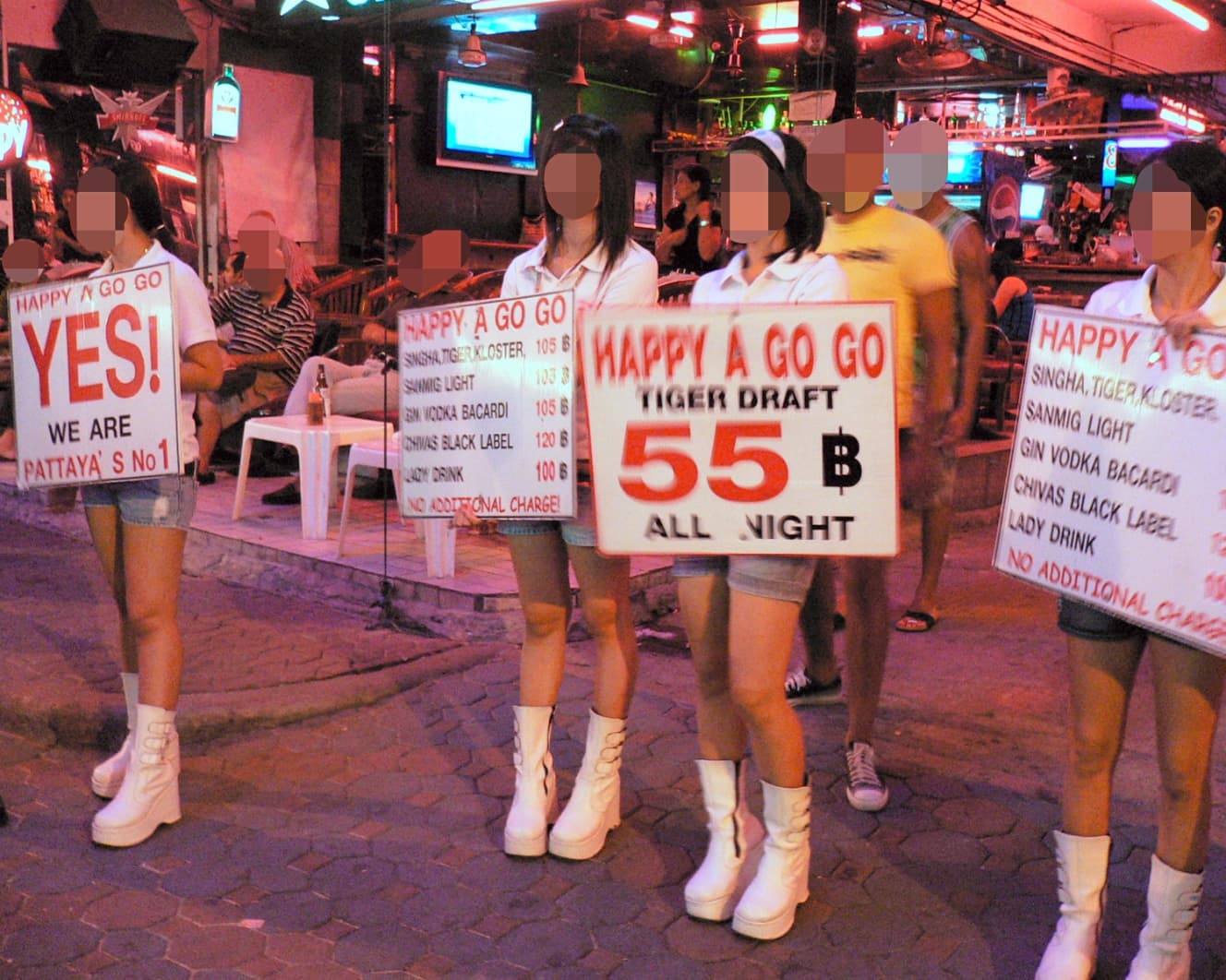
In reality, one of the world’s largest sex industry hubs
Thailand also officially follows the prohibitionist model, but like South Korea, it has developed an enormous sex industry in practice. It is one of the world’s leading destinations for sex tourism, with cities such as Bangkok, Pattaya, and Phuket filled with go-go bars and massage parlors that attract tourists from around the globe.
The sex industry represents a major part of the economy, generating vast revenues for the country. It also sustains the underground economy and serves as a livelihood for women from a wide range of backgrounds, from university graduates to those from impoverished farming families.
Thailand enacted the Prostitution Suppression Act in 1960 and the Prevention and Suppression of Prostitution Act in 1996, making the sex industry illegal in principle. However, operators of adult entertainment establishments argue that what occurs is simply consensual activity between adults and therefore not illegal. Police and local authorities likewise maintain that organized illegal prostitution is not taking place.
As a predominantly Buddhist nation, Thailand traditionally regards sex work as impure and immoral, with many people condemning it as a national disgrace. Many Thais resent the country’s reputation as one of the world’s foremost centers of commercial sex.
At the same time, others argue that: “Making prostitution illegal does not make the industry disappear,” criminalization strips sex workers of basic labor rights and protections while increasing health risks,” “legal recognition would reduce violence against sex workers and allow them to receive legal protections and welfare services.”
These views have fueled growing calls for legalization or decriminalization, and in recent years lawmakers have debated new legislation that would legalize prostitution.
However, critics point to significant concerns: Under legalization, large businesses may have the resources to comply with regulations, while independent workers may not, leaving them without legal protection. Under decriminalization, exploitative operators who profit from the exploitation of women may be left unchecked.
For now, opposition to recognizing the sex industry remains strong, and many believe that no regulatory model can easily improve the legal status of sex workers.
The prohibitionist model can shrink the market quickly through strict enforcement, but it also has serious drawbacks. The greatest concern is the neglect of the human rights of those who sell sex. Women who suffer violence from clients or brokers may hesitate to report crimes to the police for fear of being prosecuted themselves, making it more difficult to protect them. Striking the right balance between punishment and human rights remains a major challenge.
Moreover, if police crackdowns become too severe, the industry may simply move underground, beyond the reach of government oversight. Conversely, if enforcement is lax, the sex industry can expand dramatically to satisfy persistent demand. The examples of South Korea and Thailand illustrate both possibilities. Simply declaring commercial sex illegal by law is not enough to resolve the complex issues surrounding it.
In the second half of this series, the author examines Japan’s Prostitution Prevention Law, which is based on the abolitionist model, and discusses the future direction of Japan’s approach to regulating commercial sex.
References
“The Black Hole of the Sex Trade” — Shin Park Jinyoung (Korokara, 2022)
“Women’s Bodies and Human Rights” — Noriko Wakao (Gakuyo Shobo, 2005)
“Sex Work Studies” — Edited by SWASH (Nihon Hyoronsha, 2018)
“On the Principle of Sexual Self-Determination” — Shinji Miyadai, Yukiko Hayami, Naohide Yamamoto, Yoshiko Miya, Seiji Fujii, Hiroaki Hirano, Noriko Kanesumi, Yuji Hirano (Kinokuniya, 1998)
In addition, numerous other books and online sources were consulted.

 Taiwan: Linsen North Road (林森北路, Linsen Beilu), Taipei’s Japanese entertainment district. In Taiwan, prostitution is legal only within designated Special Sex Trade Zones. In reality, however, adult entertainment businesses—including saunas and delivery health (escort) services—also operate outside these officially designated areas. (2003)

Reporting, Text, and Photography: Akira Ikoma