Elementary School Fire Reveals Why Some Evacuation Drills Fail When They Matter Most


Was evacuating onto the ledge the right decision?
The fire at Takinogawa Dai-san Elementary School in Tokyo’s Kita Ward injured a total of 11 people, including students and teachers. About two weeks after the incident, authorities revealed that the fire had been caused by a female teacher who had brought a personal space heater to school and was using it to dry laundry. Setting aside the inexcusable cause of the fire, the incident exposed another serious problem.
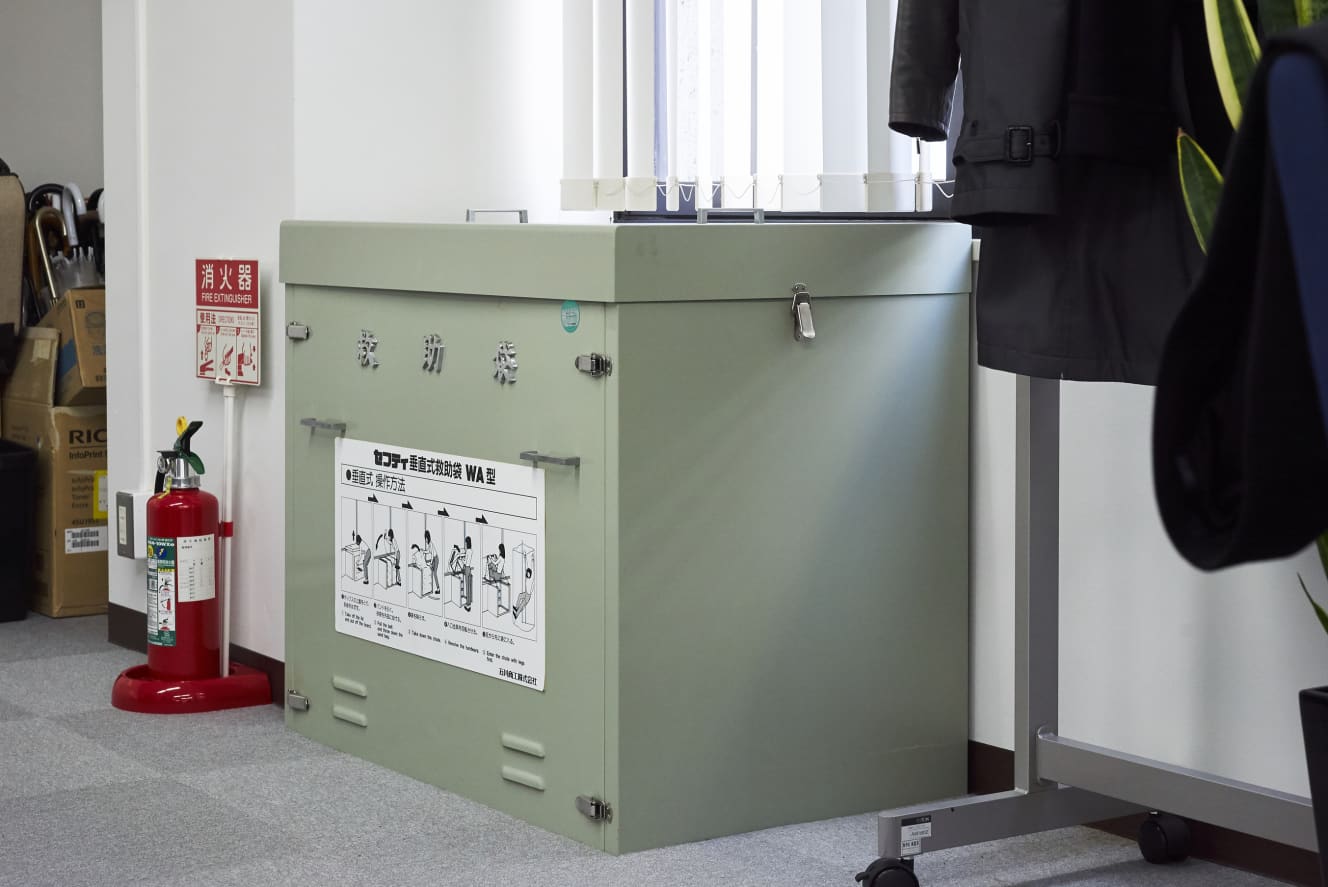
When teachers tried to evacuate the children, the hallways were already filled with smoke, and the fire shutter blocking the staircase to the first floor had closed. They attempted to use an emergency evacuation chute—a fabric escape device that allows people to slide safely to the ground—but were unable to deploy it successfully. As a result, they were forced to carry the children one by one out the windows onto a narrow exterior ledge only a few dozen centimeters wide.
Was there any other way to evacuate?
“Even if the fire shutter has closed, there is an emergency door beside it that should allow people to escape. However, if the hallway was so filled with smoke that visibility was completely lost, evacuating onto the ledge was probably an unavoidable decision.”
That assessment comes from Koichi Kato, a former Tokyo Fire Department official who now works as a disaster-preparedness advisor.
According to Kato, the best course of action would have been to first try extinguishing the fire with a portable fire extinguisher. If that failed, they should have switched to the building’s indoor fire hydrant while evacuating through the emergency door next to the fire shutter.
Why didn’t that happen?
“A teacher reportedly entered the music preparation room where the fire started and tried to extinguish it with a fire extinguisher. However, opening the door wide would have allowed fresh air to rush in, possibly causing the fire to grow more intense. Ideally, the door should be opened only slightly, but that’s difficult unless you’ve been trained.”
If firefighters give up trying to extinguish the blaze, closing the music preparation room door deprives the fire of oxygen and slows its spread. Leaving the door open, however, continuously supplies fresh air, allowing the flames to keep growing.
Are schools’ evacuation chutes and indoor fire hydrants actually usable?
In Tokyo, elementary schools are required to conduct at least 11 evacuation drills each year—essentially once a month, excluding summer vacation. The specific contents of those drills are left up to each school.
“Most schools simply practice evacuating while covering the nose and mouth with a handkerchief. Some also teach students how to use a fire extinguisher, but that’s about it.”
Because lowering a fire shutter requires a specialist contractor to be present, many schools never conduct drills with the shutters actually lowered. As a result, Kato believes some teachers may not even know where the emergency doors are located or how to open them.
“Indoor fire hydrants are usually installed next to fire extinguishers, but very few schools actually conduct hands-on training using them.”
Teachers at Takinogawa Dai-san Elementary reportedly attempted to use the evacuation chute during the fire.
“A sloped evacuation chute requires two people at the top and two at the bottom—a total of four people—to operate safely. It also takes at least five or six minutes to set up. When a fire is already spreading, you have to wonder whether there’s enough time.”
There are two main types of evacuation chutes: sloped and vertical. Many junior high and high schools use vertical models because they don’t require anchoring at ground level and take up less space. Elementary schools, however, generally use the sloped type.
Both indoor fire hydrants and evacuation chutes undergo regular inspections by certified contractors.
“It’s a good idea for school staff to observe those inspections and learn how to use the equipment. Even if the equipment is available, it’s useless if no one knows how to operate it. Fire extinguishers, indoor fire hydrants, evacuation chutes, and fire shutters all require repeated practice before people can use them effectively.”
It is also important to know where each piece of emergency equipment is located. Kato recommends that teachers regularly conduct on-campus orientation walks to familiarize themselves with the locations and operation of fire shutters, fire doors, fire extinguishers, indoor fire hydrants, and evacuation chutes.
Indoor fire hydrants are installed on every floor.
“You have to press the activation button before opening the cabinet, but in an emergency people often forget that step. Using the hydrant properly also requires training.”
Inside each indoor fire hydrant cabinet is a fire hose. To use it, one person opens the water valve while another operates the nozzle aimed at the fire. Although newer systems can be operated by a single person, older indoor fire hydrants require two people to operate.


The pitfalls of the handkerchief evacuation drill
Simply practicing evacuation by covering your nose and mouth with a handkerchief is apparently not enough.
“Your posture is also important. During a fire, smoke is heated and accumulates from the ceiling downward. Even if a hallway is filled with smoke, if you lower yourself and look ahead from just above floor level, there may still be fresh air remaining about 60 to 70 centimeters (24 to 28 inches) above the floor.
During evacuation drills, I recommend placing tape at the 60- to 70-centimeter level and practicing moving in a crouched position, making sure your head stays below the tape while keeping one hand on the wall as you proceed.”
Since fire smoke is extremely hot, it would seem important to experience this during evacuation drills as well.
“It’s difficult for schools to generate smoke for training. In Tokyo, there are disaster prevention centers in Honjo, Ikebukuro, and Tachikawa where people can experience simulated smoke. Some municipalities also operate their own disaster training facilities, such as the Shinagawa Disaster Prevention Experience Center and the Kita City Disaster Prevention Center, so I recommend making use of them.”
The areas in schools generally considered most likely to catch fire are places where flames are used, such as the cafeteria kitchen, science laboratory, and home economics room. However, at Takinogawa Dai-san Elementary School, the fire started in the music preparation room—a place where there normally should have been no fire hazard.
“One lesson from this fire is that fires can break out even in places where there is normally no source of ignition. Also, evacuation drills usually assume that teachers are present. But a fire could just as easily occur during recess or another time when teachers are absent. Schools also need to train students on how they should respond when only children are present, with drills tailored to their age and developmental stage.”
Routine, one-size-fits-all drills are of little use in an actual fire. The Takinogawa Dai-san Elementary School fire may have demonstrated that lesson.
Koichi Kato is a disaster prevention advisor, fire and disaster management researcher, and disaster essayist. During his career with the Tokyo Fire Department, he served as deputy fire station chief, fire suppression division chief, and fire prevention division chief, overseeing multiple departments. He specialized in fire prevention and disaster preparedness while also serving as a firefighter, team leader, and fire investigator. While working, he conducted graduate research at the University of Tsukuba on disaster psychology and critical incident stress. In 1996, he became the first Japanese firefighter invited to attend a critical incident stress workshop in the United States. His publications include “Topics in Firefighting Psychology and Disaster Essays: Observations of a Firefighter” (both published by Kindai Shobo).

Reporting and Text: Izumi Nakagawa PHOTOS: Aflo (Photos 2–4), Kyodo News (Photo 5)