Suspected Voyeur Hunter at Senso-ji Didn’t Want His Own Face Recorded—Then Was Arrested for Voyeurism a Month Later


Arrested for voyeurism the month after acting as a voyeur hunter
The man posing as a voyeur hunter was, in fact, a voyeur himself.
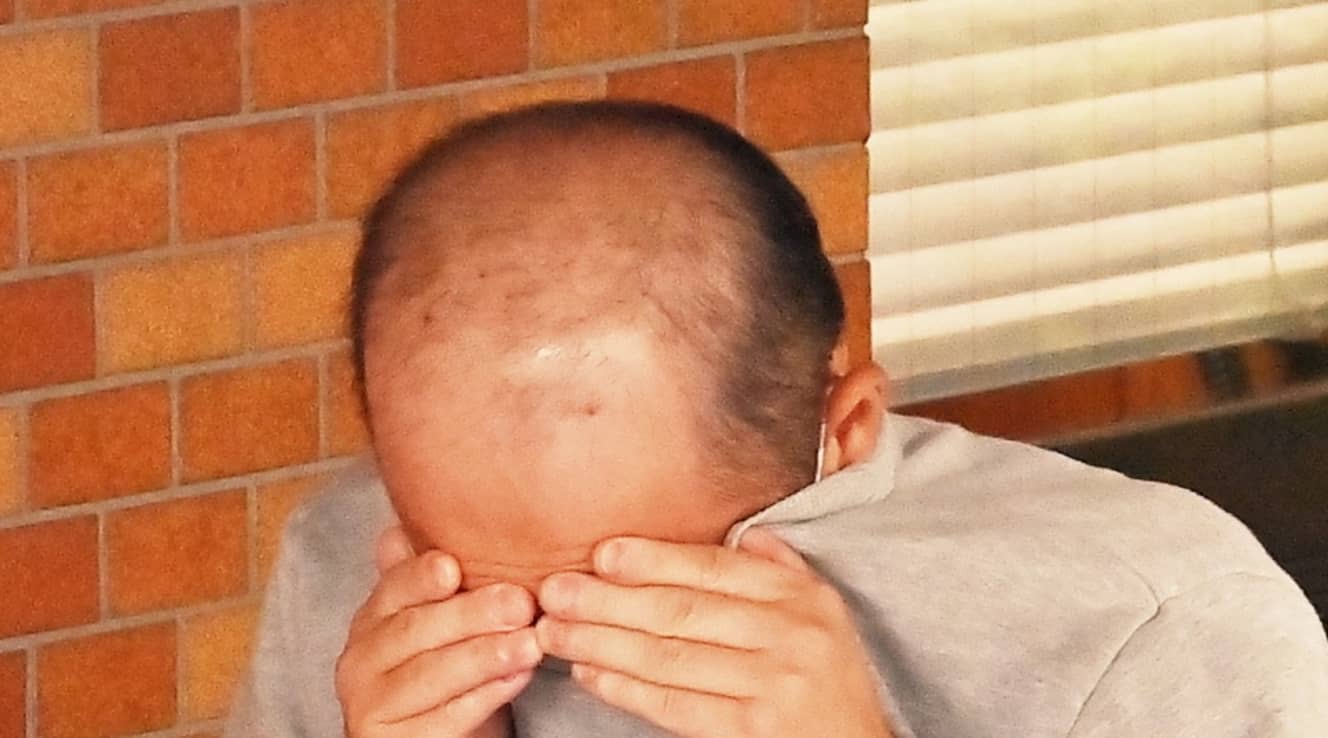
On June 25, the man appeared at the escort exit of the Tokyo Metropolitan Police’s Asakusa Police Station. It seemed he was determined not to have his face photographed. He buried his face completely inside the collar of his shirt, covered it with both hands, and, unable to see in front of him, walked to and boarded the police transport vehicle.
“The man arrested on June 24 was company employee Hiroaki Nomura (53). He is suspected of attempting to extort a man in his 50s whom he believed had secretly photographed a woman at Senso-ji Temple in Tokyo’s Taito Ward, a popular tourist destination, in May of last year. He allegedly confronted the man, saying, ‘You were taking voyeur photos, weren’t you?’ before demanding, ‘Give me money. One million yen.’ It’s the classic tactic used by so-called ‘voyeur hunters.’
In fact, the following month, June of last year, Nomura himself was arrested for allegedly secretly photographing a female student who was visiting Senso-ji on a school trip. When police examined the smartphone they seized from him, they uncovered the attempted extortion case that led to this latest arrest,” a reporter from a national newspaper’s crime desk said.
The term voyeur hunter has been used since the late 2010s to describe criminals who stake out locations where voyeurism frequently occurs—such as train stations, bookstores, and tourist attractions—and target suspected voyeurs in order to extort money from them.
“In the past, these cases were common around places like Shinjuku Station and Shibuya Station, where voyeurism was rampant. However, because many plainclothes police officers now patrol those areas, they don’t appear there as often anymore. Instead, they’re increasingly active at stations and tourist sites a little farther away.
Once they identify someone they believe is a voyeur, they wait until the person moves to a secluded location before confronting them with accusations like, ‘You were secretly filming someone earlier, weren’t you?’
They might say things like, ‘Let’s go to the police,’ or ‘I’ll take you to the victim,’ but they have no intention of doing either. Their goal from the outset is to extort money. They’ll often tell the person that voyeurism violates local ordinances or that the maximum fine is one million yen. To avoid being charged with extortion, they sometimes manipulate the situation so that the alleged voyeur is the one who suggests how much to pay. In Nomura’s case, however, he directly demanded one million yen, which suggests he may have done this repeatedly,” the reporter added.
In a separate case that occurred in Tenjin, Fukuoka City, in September 2024, two men posing as a security guard and the father of a voyeurism victim threatened a man who had been recording video with his smartphone. They told him that if he paid 3 million yen as a settlement for the alleged voyeurism, they would not report him to police. They ultimately defrauded him of 1 million yen and were arrested on fraud charges.
The Fukuoka District Court ruled that the amount of money involved was substantial and the crime was highly malicious, sentencing both men to three years in prison, suspended for four years.
Nomura is also expected to face a significant sentence if convicted. However, during police questioning, he reportedly denied the allegations, saying:
“I caught someone who had committed voyeurism, but I never demanded any money.”


PHOTO: Shinji Hasuo