Doctor Warns of Rising Ear Fungus Infections During the Rainy Season Caused by Prolonged Earbud Use


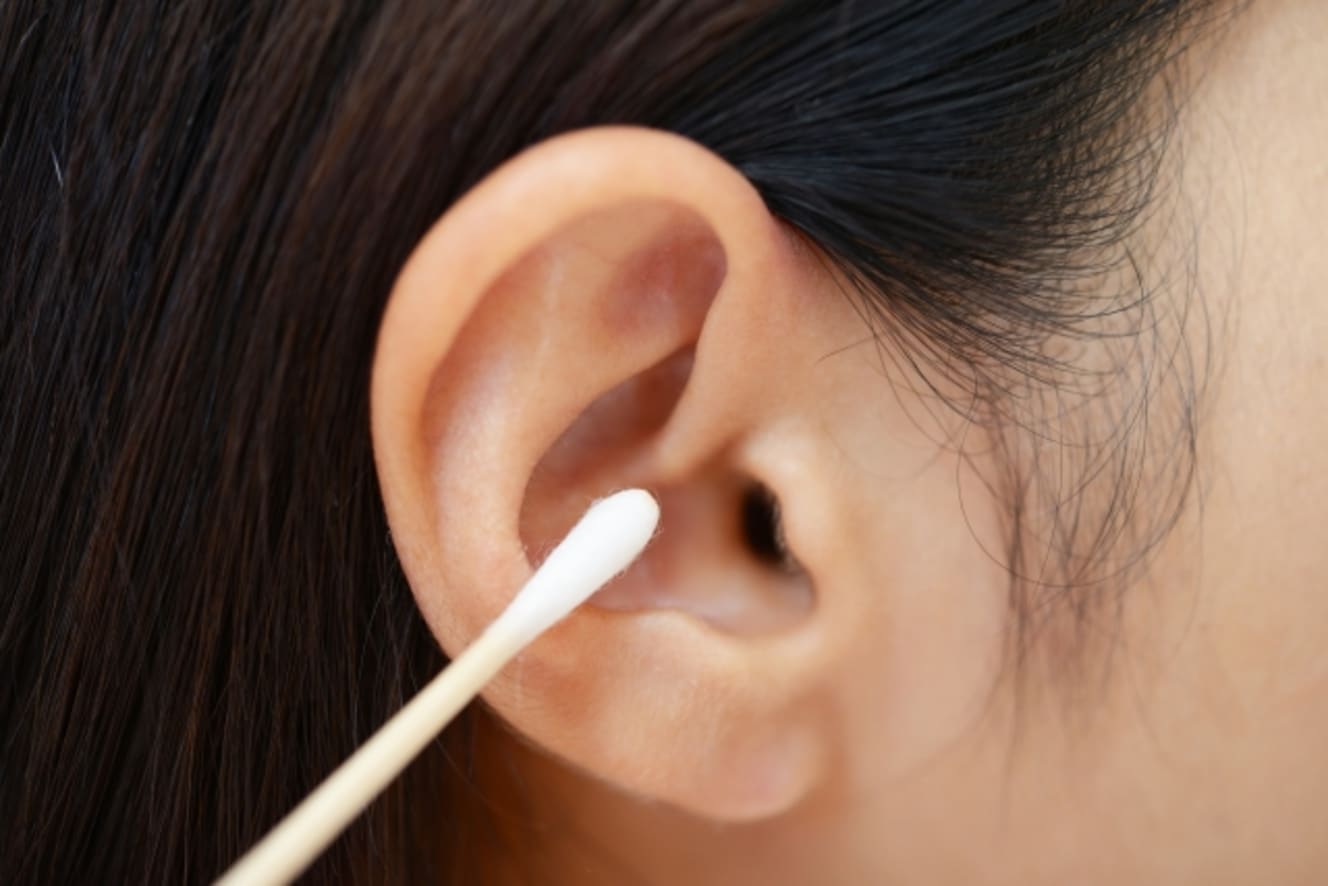
Overusing cotton swabs is what makes the problem worse
“I wear earphones for hours every day while listening to music.”
“Cleaning my ears with a cotton swab after every bath is part of my daily routine.”
These seemingly harmless daily habits may actually be turning your ears into a breeding ground for fungus. During Japan’s humid rainy season, cases of otomycosis, commonly known as ear fungus, surge. When fungi grow inside the ear canal, they can cause intense itching and pain—and in the worst cases, even lead to hearing loss.
One of the main reasons behind this increase is a modern lifestyle habit: prolonged earphone use. While you enjoy music during remote work, a dangerous process may be quietly unfolding inside your ears, creating the perfect environment for fungal growth.
Ear fungus typically begins with mild itching caused by the warm, humid conditions inside the ear. Dr. Toshihiko Oba (62), director of Keiyu Ginza Clinic in Chuo Ward, Tokyo, explains how it develops (all quotations below are from Dr. Oba):
“During the rainy season, the weather becomes hot and humid, and the inside of the ears also becomes sweaty. Near the entrance of the ear canal are apocrine glands, which produce sweat. When sweat accumulates, it can make the ears itchy.”
Many people instinctively reach for a cotton swab to relieve the itch. However, excessive use of cotton swabs actually makes the condition worse. The friction from the swab can damage the delicate skin inside the ear canal, causing inflammation. Once the skin is injured, it releases fluid that serves as nutrients for the fungus, allowing it to multiply.
In recent years, however, the biggest contributor to the rapid rise in ear fungus cases has been earphones. According to a June 2023 survey by NTT Sonority Inc. on prolonged earphone and headphone use and earphone humidity, about 31.2% of respondents said they had been using earphones more since the COVID-19 pandemic, largely due to the spread of remote work.
The increase is especially notable among working adults in their 20s to 40s, with more than 40% reporting longer periods of earphone use. More than 13.2% said they wear earphones for over three hours a day on average, highlighting the growing number of young people and professionals who keep their earphones in for extended periods.
In particular, in-ear (canal-type) earphones, which have become the dominant style in recent years, provide excellent noise isolation but also seal off the ear canal completely, trapping heat and moisture inside.
A Major don’t: Bad self-care and the danger of microbial replacement
“Whether it’s on the train or while working from home with music playing, people are wearing earphones for much longer than they used to. The same is true during the summer. Earphones designed for better sound quality are often in-ear (canal-type) models that fit deep inside the ear.
Inserting earphones deep into the ear increases the seal, but it also makes the ear canal more susceptible to injury. On top of that, many ear tips are made of soft foam materials like polyurethane, which easily trap moisture inside the ear. The tighter the seal, the better the sound quality—but it also creates a hotter, more humid environment. That becomes the perfect breeding ground for bacteria and fungi that have entered the ear.”
With moisture, warmth, and the lid created by tightly sealed earphones, the ear canal can quickly become an incubator for fungus. For people who use earphones every day, ear fungus has become a true modern-day lifestyle disease.
When your ears itch, it’s tempting to reach for a cotton swab. Many people even make ear cleaning part of their post-bath routine. But according to Dr. Oba, this is the worst thing you can do.
“The human ear is naturally designed so that it doesn’t require routine cleaning. Earwax itself serves as a protective coating that shields the ear canal.
Even if you leave it alone, the ear has a built-in conveyor belt-like mechanism that gradually moves earwax from the inside to the outside. However, if you remove too much earwax with cotton swabs, you damage the ear canal and strip away this protective coating, making inflammation much more likely. In many countries, inserting cotton swabs deep into the ear to remove wax is generally considered unsafe.
When the tiny injuries caused by cotton swabs combine with the nutrients released from damaged tissue, along with seasonal sweating and the sealed environment created by earphones, bacteria and fungi that normally live harmlessly in the ear can suddenly begin multiplying rapidly. That’s why the number of ear fungus patients increases by about 20% to 50% during the rainy season. The best way to prevent it is simply not to clean your ears.”
Even more alarming is a condition known as microbial replacement, in which the careless use of antibiotics actually worsens the problem. Taking antibiotics prescribed just in case, or continuing to use leftover medication without medical advice, can upset the natural balance of microorganisms in the ear and make symptoms even more severe.
“It usually starts with nothing more than eczema or itching in the ear canal. Then people use cotton swabs, causing inflammation that develops into otitis externa. Because it’s painful, they may casually use antibiotics. But antibiotics kill both the good and the bad bacteria in the ear, disrupting the natural microbial balance. This is what’s known as microbial replacement.”
According to Dr. Oba, the ear naturally contains antibiotic-resistant bacteria as well as fungi. Under normal circumstances, these organisms are kept in check by other microorganisms and do not cause disease.
“What happens if you use antibiotics unnecessarily? The stronger bacteria that survive the medication can suddenly take over, causing inflammation that becomes difficult to control. While antibiotics can kill bacteria, they have no effect whatsoever on fungi. As a result, the fluid produced by the inflammation becomes a rich source of nutrients for fungi, creating the perfect environment for them to multiply.”
In other words, using antibiotics with good intentions can end up triggering an overgrowth of harmful bacteria while also fueling explosive fungal growth. Dr. Oba says he regularly treats patients whose condition has progressed to severe stages because of this cycle.
Protect your ears: Simple steps you can take starting today
“If the condition becomes severe, you’ll experience intense itching and pain. Black or gray, sludge-like clumps of fungus can come out of the ear almost every day, clogging the ear canal. If left untreated, the eardrum may eventually develop a hole, potentially leading to hearing loss.
Cases where both bacteria and fungus are present are particularly difficult to treat. If you use medication to suppress the fungus, the bacteria may become more active and cause inflammation. On the other hand, if you focus on eliminating the bacteria, the fungus can flourish.
Rather than relying solely on medication, the key is to avoid injuring the ear canal, carefully remove the sludge-like debris, and repeatedly clean the ear while allowing it to heal naturally. Full recovery usually takes two to three weeks, and some patients have to visit the clinic every day during that period to have their ears cleaned. It’s truly a difficult condition.”
So how can we protect ourselves from this troublesome ear fungus? Dr. Oba shared several practical measures that anyone can start following today.
“The most important rule is never scratch or dig deep inside your ears with cotton swabs or other objects. If you feel you must clean your ears, limit it to once or twice a month, and only gently wipe the inner wall about one centimeter from the entrance of the ear canal.
As for earphones, make it a habit to remove them for 10 minutes after every hour of use.
For work meetings and long listening sessions, consider switching to headphones, open-ear earphones that don’t block the ear canal, or bone-conduction headphones. During the humid months from the rainy season through summer, I especially recommend using headphones instead of earphones.”
Keeping earphones clean is just as important.
“Never share your earphones with someone else. Also, don’t accidentally switch the right and left earbuds, as bacteria and fungi can spread that way. Follow the manufacturer’s instructions to regularly clean and disinfect the ear tips or other removable parts, and keep them sanitary.”
Dr. Oba also offered a warning about what to do if you begin experiencing discomfort or pain in your ears.
“It’s actually quite risky to have your ears examined by a general internal medicine doctor while you’re being treated for something like a cold. Properly examining the ear canal requires a specialized microscope and the skills needed to remove earwax safely—procedures that most internists are not trained to perform.We’ve seen countless cases where antibiotics prescribed by internal medicine clinics triggered microbial replacement, causing fungus to multiply explosively. Never try to diagnose or treat ear problems on your own. Always see an ear, nose, and throat (ENT) specialist.”
Today’s digital devices and high-quality earphones have become an everyday part of modern life. But inside the ears sealed by those earphones, invisible bacteria and fungi may be quietly waiting for the right conditions to multiply.
During the hot, humid rainy season—when mold and fungi thrive—it’s especially important to take precautions. By keeping your ears well ventilated and following proper ear-care practices, you can greatly reduce your risk of developing ear fungus.
Reporting and Text: Shinsuke Sakai