The Love and Anti-War Spirit That Shaped Akihiro Miwa’s Legendary Album Hakuju


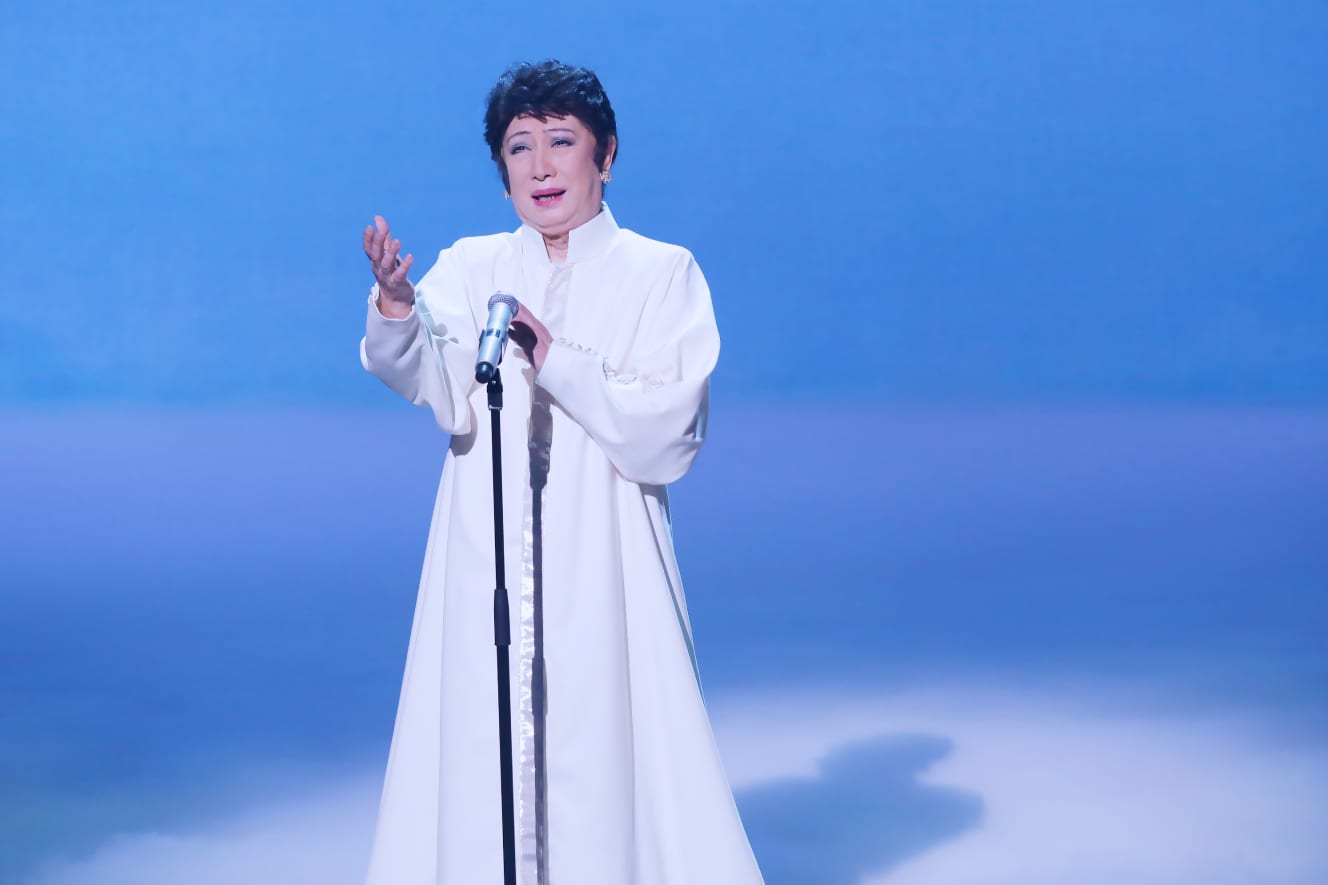
“The Beauty of the Heavenly Realm” as Described by Yukio Mishima
Akihiro Miwa, the singer-songwriter behind hit songs such as “Yoitomake no Uta,” who also enjoyed a successful career as a singer and actor in films, theater, and television dramas, passed away on June 20 due to complications of old age. He was 91.
According to a statement released on the official website of his talent agency announcing his death, Miwa had reduced his professional activities over the past year due to his advanced age and had been focusing on regaining his strength. However, after falling ill about three months ago, he had been recuperating at home.
Before his death, Miwa entrusted a handwritten message to people at his agency:
“The only weapon with which to survive in a world like this is the words of love. The key to solving every problem in this world is love. If there is love, wars would never happen.”
The agency explained the meaning behind the message as follows:
“Miwa’s wish was to eliminate all forms of discrimination and prejudice from this world and to realize an inclusive society where everyone can live peacefully, brightly, and happily together. This message carries that wish.”
(Both statements from the official website)
Drawing on his experience of being exposed to the atomic bombing at the age of 10, Miwa continued to express anti-war and pro-peace messages through his songs and television appearances. He also publicly identified as gay and continued to speak out against discrimination toward LGBTQ people, encouraging and supporting those in vulnerable positions through his messages of compassion.
Born on May 15, 1935, in Nagasaki City, Miwa moved to Tokyo in 1951 after graduating from Kaisei Junior High School. In 1952, he left the affiliated school of Kunitachi College of Music, and at the age of 17 made his singing debut after signing an exclusive contract with the Ginza chanson café “Ginza Paris.”
Under the stage name Akihiro Maruyama, he made his record debut with Nippon Columbia in 1957. His Japanese adaptation of the French chanson “Méqué Méqué,” with lyrics he wrote himself, became a major hit. Wearing purple dresses and painted fingernails, his androgynous style and striking beauty—which novelist Yukio Mishima described as the beauty of the heavenly realm—earned him the nickname the most beautiful young man since the age of Emperor Jinmu, making him a nationwide sensation.
“Japan was still very provincial back then, and dressing as a woman was considered something extraordinary. I feel like people made too big a fuss about it.”
That was Miwa’s own reflection on those years.
Later, regarded as one of the pioneers of Japanese singer-songwriters, he wrote both the lyrics and music for numerous songs, including “Yoitomake no Uta” (1965).
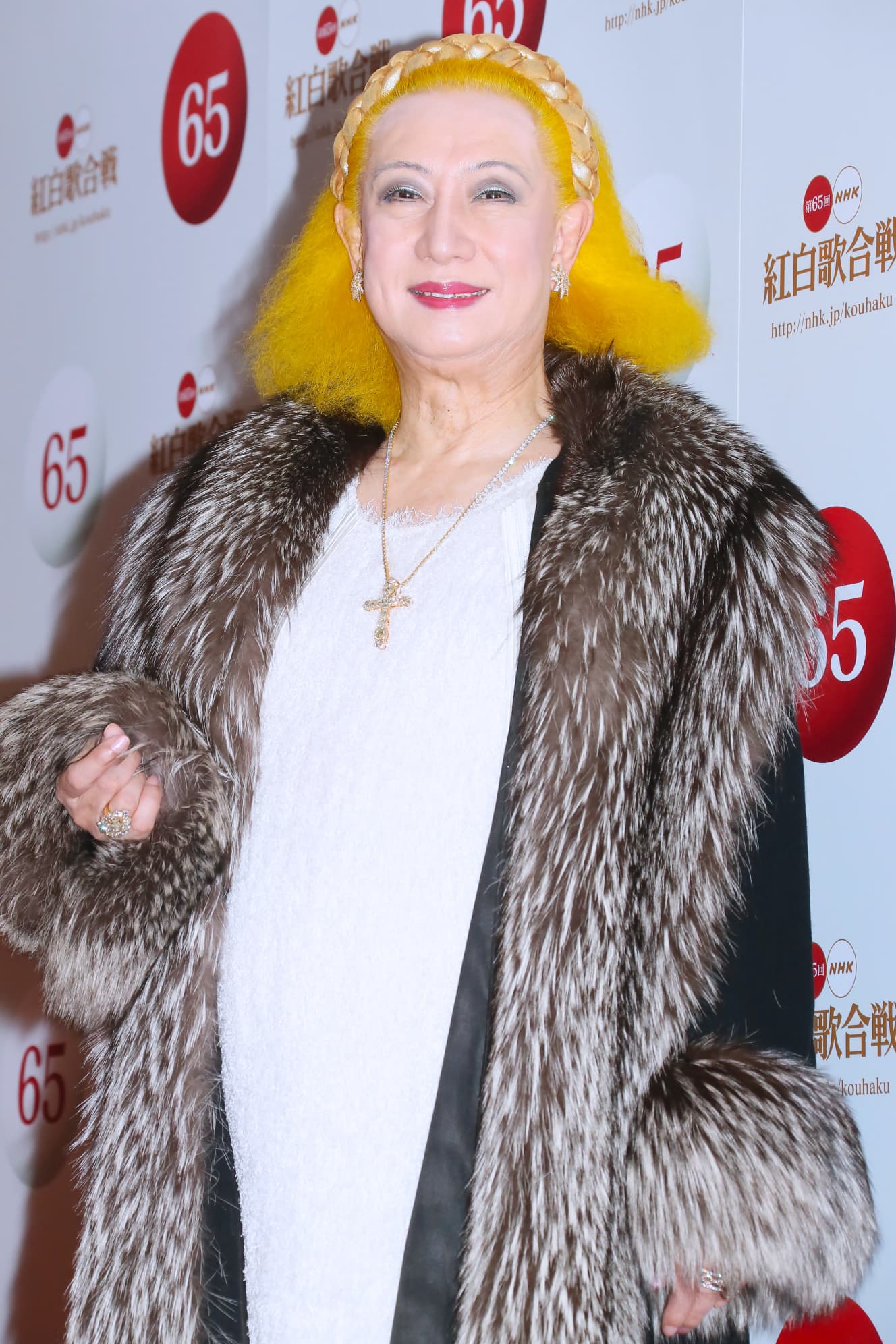
As a messenger of Love and Anti-War
As the origin of Miwa’s lifelong message of love and opposition to war, attention should once again be drawn to the legendary album “Byakuju” (“White Curse”), released in 1975 when he was 39 years old.
This was Miwa’s first original album produced by himself, featuring 10 previously unreleased songs that he had written and composed since the beginning of his singing career.
The first song on Side A of the album was “Sokoku to Onna-tachi (The Song of Comfort Women)”. The album also included many socially conscious songs, such as “Hi wa Mata Noboru” (“The Sun Will Rise Again”), based on a poem entrusted to a lover by a young man from Nagasaki who had been exposed to the atomic bomb before his death, as well as Miwa’s signature song “Yoitomake no Uta.”
“Sokoku to Onna-tachi (The Song of Comfort Women)” was inspired by a former wartime comfort woman who lived near Miwa when he was a child.
“She was kind and noble, but she also had a certain boldness as a woman. She had been taken away for the sake of the country, and after the war ended, people in the neighborhood looked at her with cold eyes. That must have been why she had no choice but to talk to someone like me, a child. That memory stayed with me, and I created this song.”
Miwa gave this explanation at the time. The song became a powerful anti-war piece depicting the harsh reality of comfort women who were forced to serve hundreds of soldiers every day.
“Yoitomake no Uta” is also said to have been inspired by the memory of the mother of a childhood friend from Nagasaki, who worked herself to exhaustion as a day laborer leveling land to support her family and eventually passed away. Through Byakuju, Miwa gained recognition as a socially conscious singer.
At the age of 77, he performed “Yoitomake no Uta” in its full six-minute version at the 63rd NHK Kohaku Uta Gassen in 2012, creating a legendary moment in the program’s history. He performed the song again at the 66th NHK Kohaku Uta Gassen in 2015.
Regarding the album “Byakuju,” Miwa said at the time:
“I want to remove the dark and unpleasant things that surround today’s world with a white heart and white magic.”
He also declared:
“I believe I must become a storyteller who passes on such things—love and anti-war messages—to future generations.”
The most beautiful young man since the age of Emperor Jinmu became a storyteller who questioned society, and he carried out that role throughout his entire life.
Miwa’s message serves as a warning to today’s world, where wars still continue. It is a message that deserves to be passed down for generations to come.
—Rest in peace.
Reporting and Text: Ryo Sakamoto (Formerly of the Culture and Society Department, Tokyo Sports Newspaper) PHOTO: Kazuhiko Nakamura