Alleged Mastermind Describes the Poorly Planned Scheme Behind the Nasu Double Murder


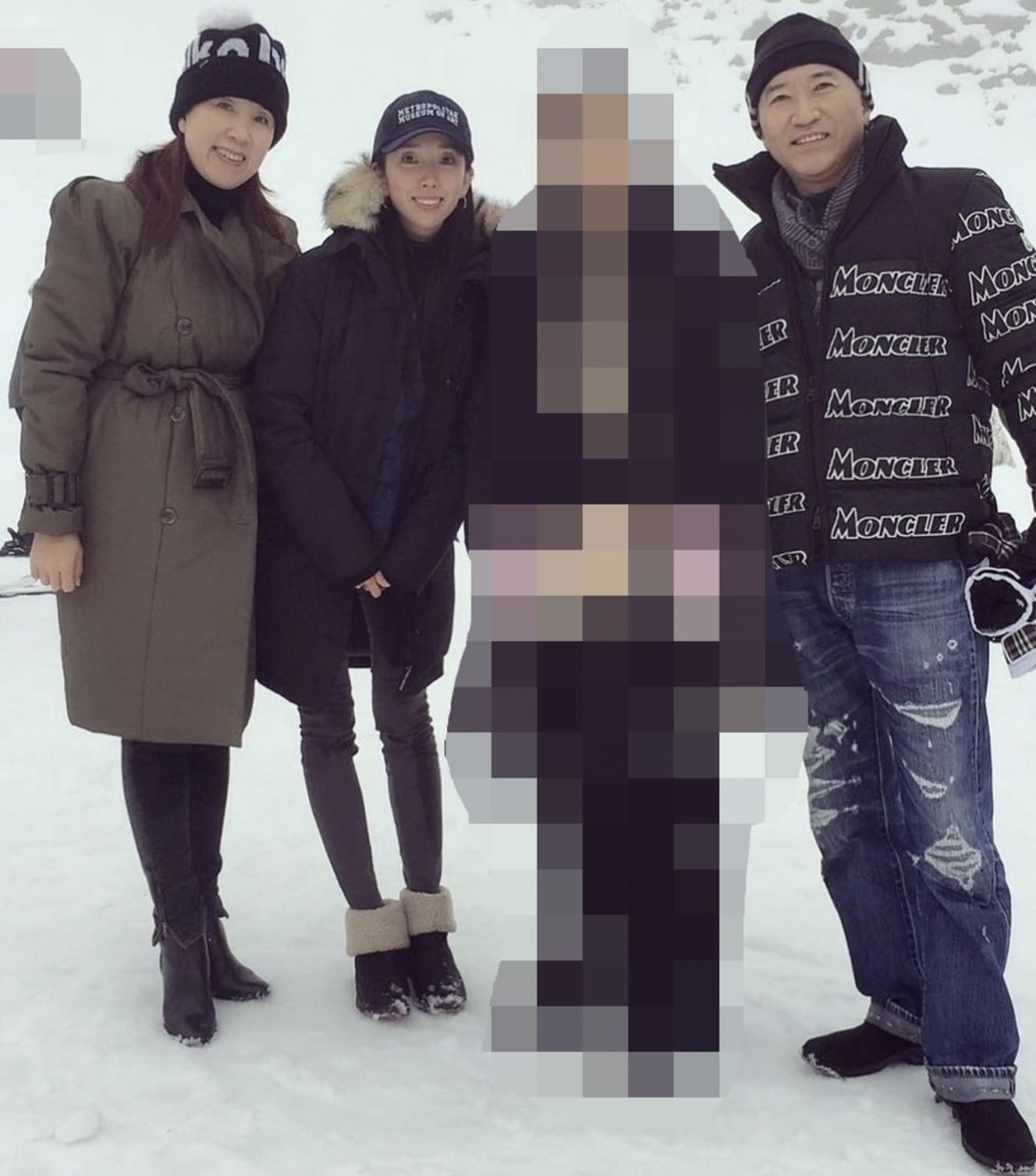
The truth as told by the man accused of directing the crime
On June 24, the Tokyo District Court held the lay judge trial of defendants Hikaru Sasaki (30) and Ayaken Hirayama (27), who are charged with murder, abandonment of a corpse, and destruction of a corpse in connection with the case in which the burned bodies of a married couple who operated restaurants in Tokyo’s Ueno district were discovered in Nasu, Tochigi Prefecture, in April 2024.
“Ryutaro Takarajima (55 at the time of his death) and his wife, Sachiko (56), operated 14 restaurants in the Ameyoko area of Ueno, and the street lined with their establishments was known as ‘Takarajima Road.’ However, the couple’s eldest daughter, Manami Takarajima (33), and her common-law husband, Seiha Sekine (34), grew increasingly dissatisfied with the way the businesses were being run and allegedly plotted to kill them.
Sasaki and Hirayama were responsible for gathering the perpetrators and issuing instructions. Akito Wakayama (22) and Koki Kang (22), acting under their direction, allegedly carried out the killings. They are also charged with transporting the bodies and burning them. Including Ryo Maeda (38), who allegedly prepared the vacant house used as the murder scene, a total of seven people have been arrested. The case received sensational media coverage not only because of its brutality but also because Wakayama was a former actor who had appeared in a popular television drama,” said a reporter from the social affairs desk of a national newspaper.
According to the indictment and other records, on the night of April 15, 2024, Sekine and Maeda allegedly lured the Takarajimas to the garage of a vacant house in Tokyo’s Gotanda district under the pretense of showing them a property. Wakayama and Kang, who had been waiting there, allegedly strangled the couple with electrical cords, transported the bodies to Nasu, and set them on fire.
At the initial hearing on June 22, Sasaki admitted the charges against him, while Hirayama partially denied them, maintaining that although he had been involved in the incident, he had merely acted on instructions from others and had therefore only been an accessory to the crime.
During the hearing held on June 24, Sasaki was questioned by the court. He expressed regret over having become acquainted with Sekine and spoke with visible anger.
Sasaki entered the courtroom wearing a black-and-gray tracksuit. At the time of his arrest, he had blond hair and an intimidating appearance, but as he walked with his shoulders hunched, he appeared frail and subdued.
By contrast, Hirayama, dressed in a black suit and dark blue tie, cut an imposing figure because of his solid build. Yet throughout the proceedings, he sat with his back straight and repeatedly bowed deeply whenever he entered or left the courtroom.
Once seated in the witness chair, Sasaki began explaining what had happened in response to questions from his lawyer.
What follows is a summary of the exchange between Sasaki and his attorney.
Threatened with, “I’ll make your family suffer the same fate”
Sasaki moved to Tokyo from his hometown of Fukuoka in February 2024.
He had previously operated a restaurant in Iizuka, Fukuoka Prefecture, with a friend, but the business closed after only six months when the friend became involved in a dispute with members of the yakuza. Afterward, Sasaki worked as a street recruiter in Nakasu, Fukuoka City’s entertainment district, before moving to Tokyo at the invitation of an acquaintance. He then began working in Ueno.
The acquaintance introduced him to Sekine, saying, “He’s the man who runs this entire area around Ueno.”
According to Sasaki, Sekine was covered in tattoos and had an intimidating appearance that kept others at a distance. Sasaki said he immediately sensed that Sekine occupied a position of authority and that a superior-subordinate relationship quickly developed between them.
Whenever they met on the streets of Ueno, Sekine would shove him or otherwise harass him.
“I didn’t like it, but I thought that if I opposed him, I wouldn’t be able to work in Ueno anymore.”
As a result, Sasaki said that he could do little more than force a smile.
In April of that year, Sekine allegedly offered Sasaki between ¥5 million and ¥6 million to find someone willing to dispose of a body. Sasaki said he intended to refuse, but then:
“Mr. Sekine brought up my family. He told me that if I refused, they would suffer the same fate.”
Fearing for his family’s safety, Sasaki said that he was unable to turn down the request and instead approached Ayaken Hirayama.
Sasaki had met Hirayama in February 2024, shortly after arriving in Tokyo, when an acquaintance introduced him at a nightclub in Shibuya as a member of an organization affiliated with the Sumiyoshi-kai.
Although Hirayama was younger, Sasaki believed he was a gang member and therefore spoke to him politely. Hirayama, on the other hand, spoke casually. However, when Sasaki asked for help, Hirayama reportedly replied politely, saying:
“I’ll see what I can find.”
The two men eventually selected Hirayama’s club acquaintances, Akito Wakayama and Koki Kang, to carry out the killings.
When Sasaki informed Sekine that he had found the perpetrators, Sekine increased the payment to ¥15 million and changed the terms of the arrangement.
Instead of merely disposing of the bodies, the men were now expected to commit the murders themselves.
After Sasaki relayed the revised conditions, Hirayama reportedly answered:
“That’s a big amount. We’ll do it.”
By that point, Hirayama had also begun speaking to Sasaki in polite language.
Sasaki said that he believed his role had ended once he had found the perpetrators. However, Sekine then instructed him:
“Stay in contact with Hirayama. Don’t mention my name.”
As a result, Sasaki was placed in the position of directing the operation.
Sasaki testified that even at that stage, Sekine once again mentioned his family and threatened him:
“If you don’t do as you’re told, they’ll suffer the same fate.”
Asked how Sekine had learned the names of his family members, Sasaki replied:
“I have no idea.”
He said that the threat filled him with a deep and overwhelming sense of fear.
A poorly planned operation
The murder plot itself was astonishingly crude.
The original plan was to attack the Takarajima couple on the streets of Ueno. According to Sasaki, Sekine’s proposals included plans such as, “Run the couple over with a car,” and “Pull them off their bicycles as they ride along Takarajima Road and strangle them.”
All of the plans involved carrying out the attack in full view of the public.
“I thought the whole thing was incredibly sloppy,” Sasaki recalled.
Hirayama then suggested finding an enclosed location, and Ryo Maeda secured a vacant house in Gotanda, in Tokyo’s Shinagawa Ward. The plan was subsequently changed so that Sekine and Maeda would lure the couple into the garage.
Because using a rental car to transport the bodies could have led investigators back to them, Sekine allegedly instructed the group to obtain a stolen vehicle. However, they were unable to do so and ultimately used Hirayama’s car instead.
Unable to find a suitable location to dispose of the bodies, Sekine allegedly designated a site in Nasu, Tochigi Prefecture, saying:
“It’s our land.”
A reporter covering the judiciary for a national newspaper explained:
“During the June 23 hearing, a detective from the Tochigi Prefectural Police testified as a prosecution witness that he believed the perpetrators were unfamiliar with the area because local residents would have known that the location was easy to discover. Surveillance cameras clearly recorded the license plate number of Hirayama’s vehicle, and investigators quickly identified it as suspicious.”
The bodies were discovered on April 16, 2024, and the news was reported later that same day.
According to Sasaki, Sekine summoned him and shouted:
“You didn’t get rid of them completely! Make the perpetrators turn themselves in!”
Although Hirayama reportedly replied, “Understood,” Wakayama and Kang had already fled.
Sekine then instructed Sasaki:
“Make Hirayama surrender himself.”
According to testimony, Hirayama agreed, saying:
“The bodies were discovered because of the actions of my own associates, so I’ll turn myself in.”
Early the following morning, April 17, Sasaki met with Hirayama and watched as he surrendered to the authorities.
Afterward, Sekine allegedly ordered Sasaki to leave Tokyo. Sasaki fled first to his hometown in Fukuoka and then to Okinawa, where he was eventually arrested.
Sasaki testified that Sekine gave him ¥1 million to cover the costs of cleaning the crime scene and replacing his mobile phone. However, he insisted during the trial:
“I received the money to cover expenses related to cleaning the murder site and other costs. It wasn’t payment.”
Regarding Hirayama, Sasaki once again stated:
“I considered him my superior.”
He continued to maintain that he had not played a leading role in the crime.
Fighting back tears, Sasaki said:
“I should have refused Mr. Sekine’s request or run away. I deeply regret taking the lives of two people.”
Since his arrest, Sasaki has reportedly copied passages from the “Heart Sutra” by hand every day, filling more than ten notebooks.
Speaking about Sekine, he declared:
“I feel anger over the fact that he dragged me into this.”
Asked about Sekine’s continued denial of any involvement, Sasaki answered in a forceful tone:
“It makes me angry.”
Sekine is currently being held at the Tokyo Detention House. On the same day, the Tokyo District Court also held proceedings to explain the reasons for his detention.
Appearing before the court, Sekine stated:
“I did not conspire with anyone, and I am absolutely innocent.”
Attention is now focused on what testimony Hirayama will offer at the next hearing. Throughout Sasaki’s testimony, Hirayama listened in silence with his lips pressed tightly together.
Readers who would like a more detailed account of Ayaken Hirayama’s testimony can find additional coverage in the June 25, 2026, edition of “Friday Digital.”

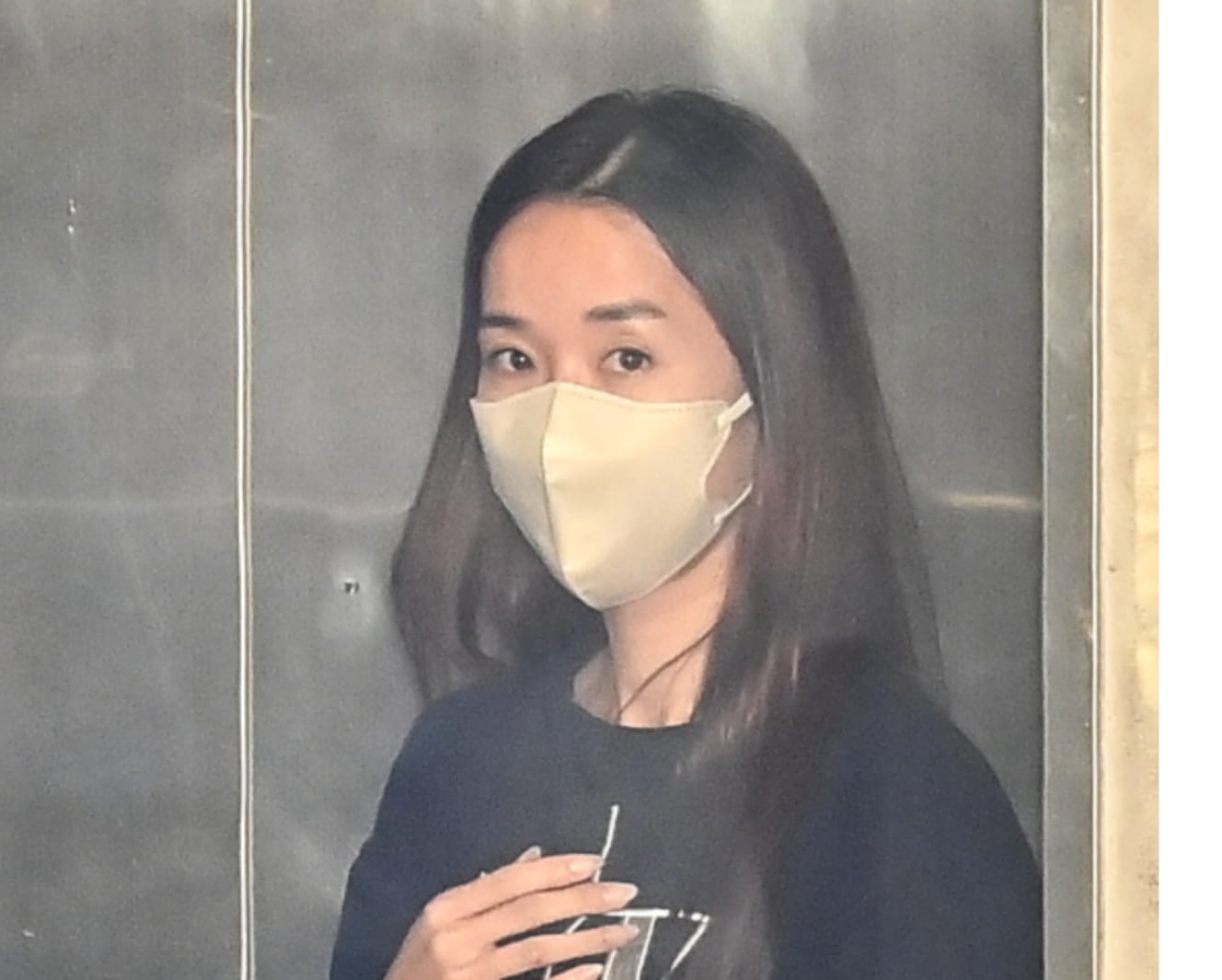
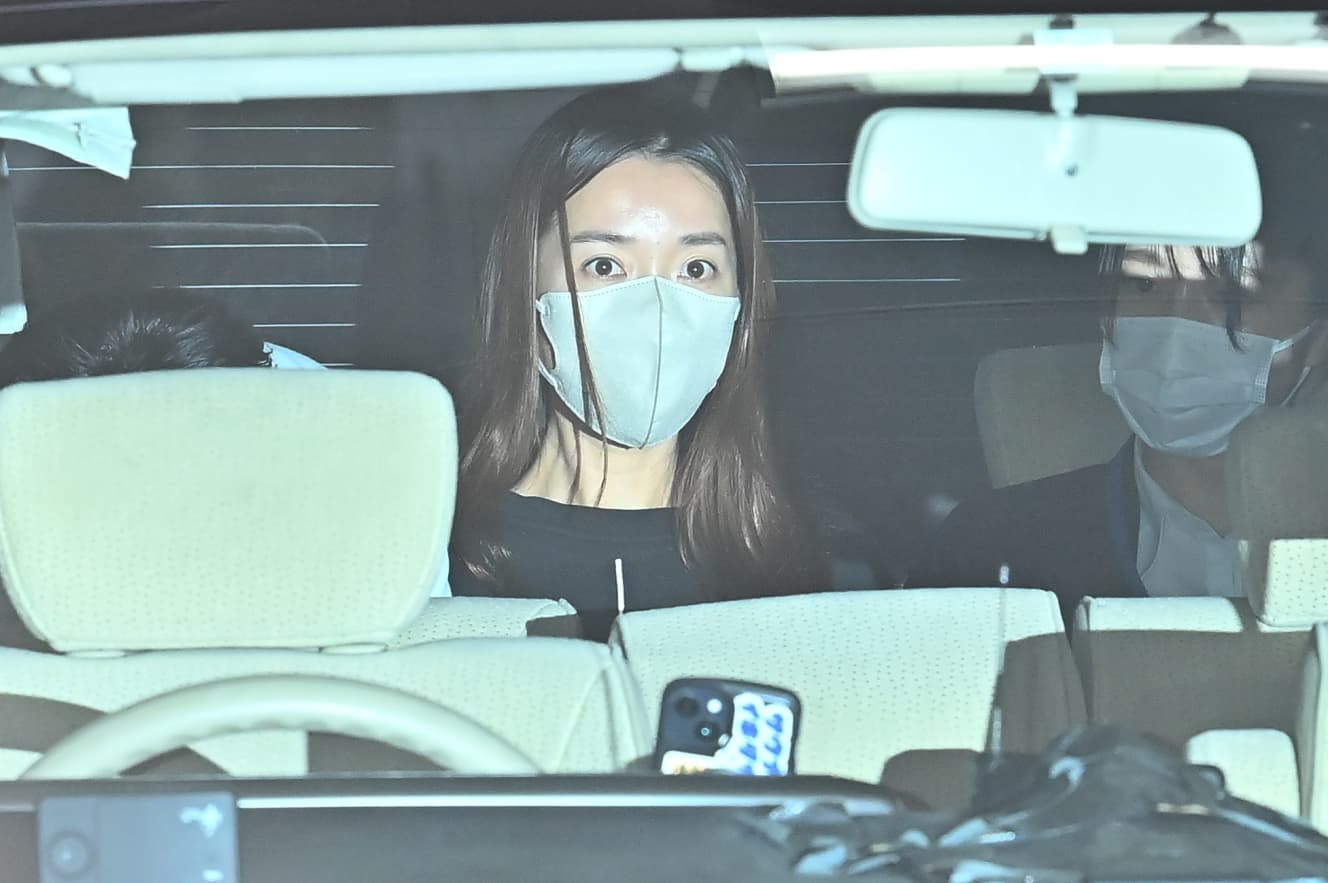
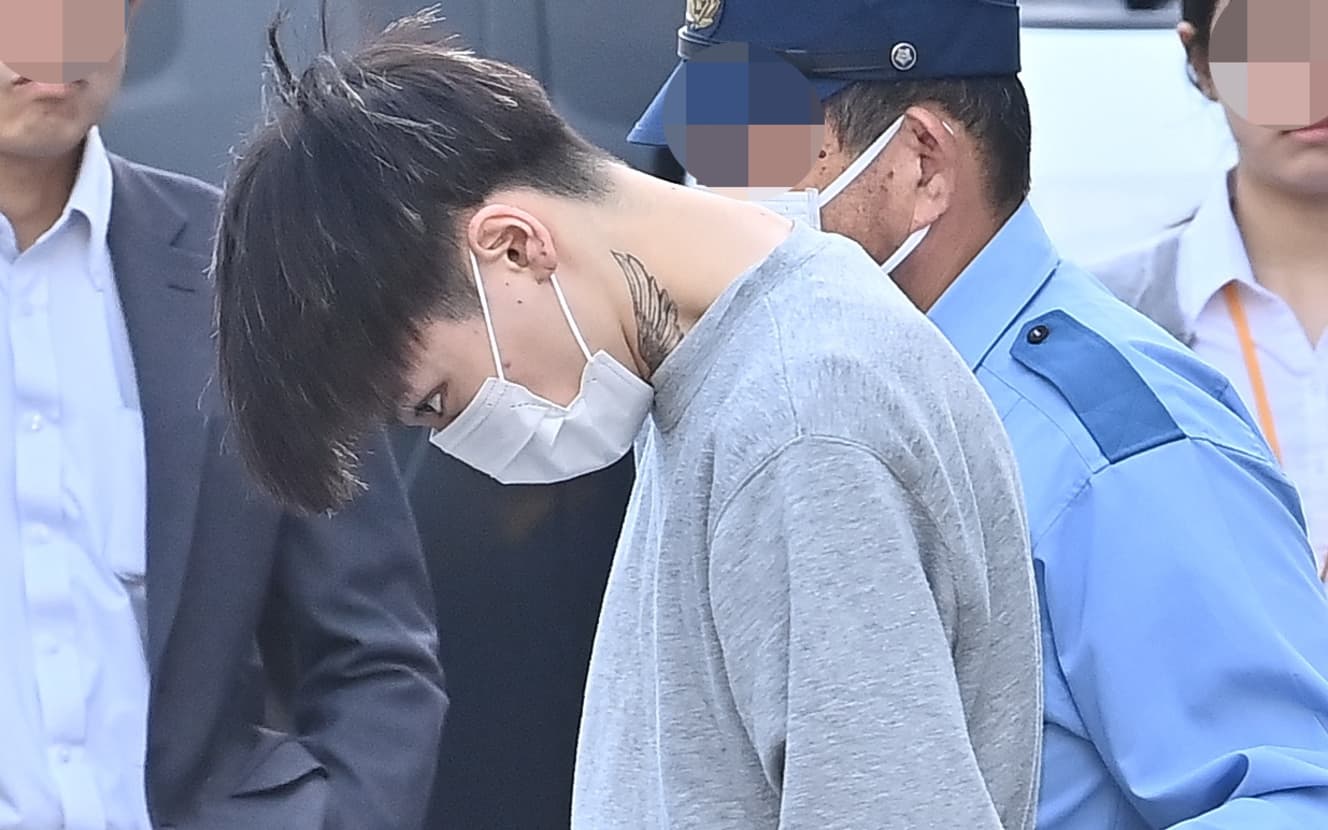
PHOTO: Shinji Hasuo (Photos 2–5)