[Playback ’06] The Outcome of the Trial That Reached a State of Utter Confusion Due to the Defense’s “Assault Resulting in Death” Argument in the “Hikari City Mother-and-Child Murder Case”


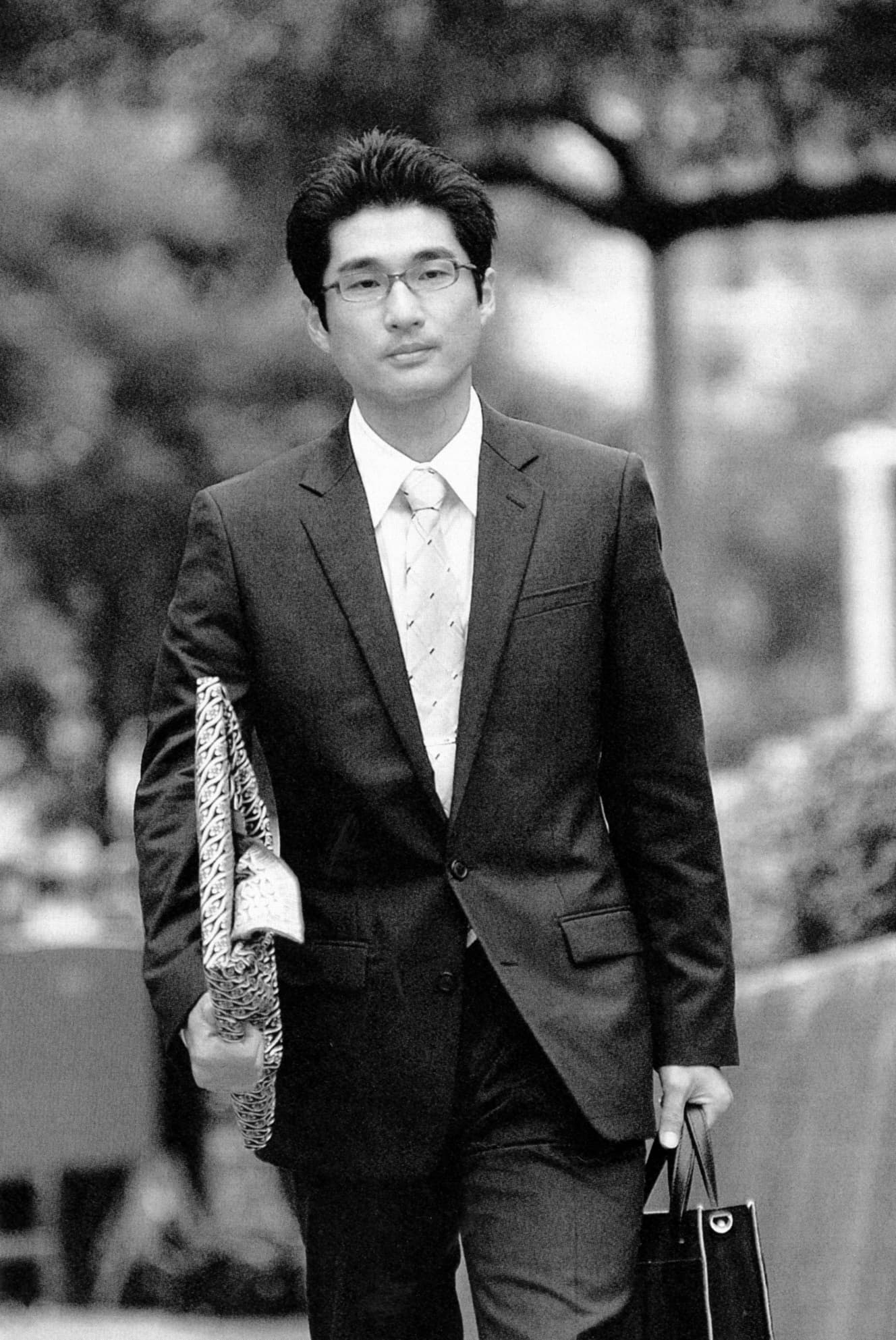
The likelihood of a death sentence has increased
What was *FRIDAY* reporting 10, 20, and 30 years ago? We take a look back at the topics that were in the news at the time [Playback Friday].This time, we feature the July 7, 2006, issue titled “Investigation! Even Now, Husband Hiroshi Motomura Remains Unconvinced: Onward to the Death Penalty! Seven Years of a ‘Maze of a Trial’ in the Yamaguchi Mother-and-Child Murder Case.”
On June 20, 2006, in the Hikari City Mother-and-Child Murder Case, the Supreme Court overturned the first- and second-instance verdicts sentencing the defendant—a former juvenile (18 at the time of the incident)—to life imprisonment, and ruled to remand the case for retrial.
This case involves the brutal murders of Hiroshi Motomura, a company employee in Hikari City, Yamaguchi Prefecture, his wife, Ms. A (23 at the time), and their 11-month-old daughter, which occurred on April 14, 1999, in Motomura’s apartment.The defendant, who was a juvenile at the time of the crime, entered the home posing as a water inspector with the intent to rape. After Ms. A resisted, he strangled her to death and then sexually assaulted her.Furthermore, in an attempt to silence his crying daughter, he slammed her repeatedly onto the floor and strangled her to death with a rope. It was an act of extreme cruelty in which he hid his wife’s body in the lower compartment of a closet and his daughter’s body in the upper compartment.
Mr. Motomura and other bereaved family members sought the death penalty for the former juvenile, but the first and second trial verdicts were life imprisonment. In the second trial verdict handed down by the Hiroshima High Court, the court noted that the defendant was still 18 years old at the time and in the process of physical development, and that while his remorse was not yet sufficient, it had begun to emerge, stating that “the possibility of rehabilitation is not entirely ruled out.”
In response to this ruling, Mr. Motomura and the prosecution filed an appeal challenging the sentence (text in 《》 is quoted from past articles; titles reflect those at the time).
《“If the logic that ‘showing remorse lightens the punishment’ were to hold, then all crimes would be forgiven. I do not believe that is the case. No matter how much remorse he shows, I believe the only way for him to atone for his crime is through death.”》
After the case was remanded for retrial, Mr. Motomura commented as follows. While this decision made it extremely likely that the death sentence Mr. Motomura desired would be handed down, he also stated , “As a bereaved family member, I simply cannot accept that the Supreme Court would not render its own judgment but instead issue a remand.”
On the other hand, the defense stated , “New facts have come to light that corroborate the absence of intent to kill.He must not be sentenced to death based on the erroneous findings of fact made thus far,” and at a press conference , they used an illustration to explain the circumstances of the crime. They argued , “The defendant covered Ms. A’s mouth, but his hand slipped and ended up around her neck, which ultimately led to her death,” contending that it was manslaughter rather than murder.
A Trial That Began to Go Off the Rails
But will the defense’s arguments hold up in the retrial? A news article from that time cited the judgment and reported the following:
“Reading the following passage from this judgment leaves one speechless.
“Having resolved to kill the victim (Ms. A) in order to rape her, he strangled her neck forcefully with both hands, killing her, (omitted) and then carried out the rape without hesitation.
Furthermore, not only did the defendant pay no heed to the fact that, during this time, the victim’s child (the eldest daughter) was clinging to the victim and crying intensely, butafter committing the aforementioned crimes, fearing that her cries would reveal the crime, and with intent to kill, lifted the child and slammed her onto the floor; and when the child, still crying, tried to crawl toward her mother’s corpse, wrapped a cord she was carrying around the child’s neck and strangled her, thereby killing the child as well.〉
The judgment further condemns this exceptionally gruesome crime, stating, “It must be described as a cold-blooded, cruel, and inhuman act.”》
In early 2006, the defendant’s defense counsel suddenly resigned, and two new attorneys, including Yoshihiro Yasuda, took over the case.Although they had been serving as defense counsel since the appeal trial, both attorneys were absent from the March 14 hearing, prompting Mr. Motomura—who had traveled to Tokyo to observe the proceedings—to express his anger, stating , “This is the first time I’ve ever been subjected to such humiliation.”
Furthermore, the defense’s introduction of the charge of “assault resulting in death” threw the trial’s outcome into turmoil.
“I don’t think he’s telling the truth.”
The retrial, which began on May 24, 2007, descended into utter chaos. The prosecution argued for the death penalty, citing the heinous nature of the crime. The defense contended that the defendant had no intent to kill and argued that the charge should be limited to “manslaughter, ” seeking to avoid the death penalty; the two sides’ positions clashed head-on.
What shocked the public most, however, was what the former juvenile defendant said during cross-examination by his defense attorney. Regarding the crime he had admitted to in the first and second trials, he began to reveal one “new fact” after another that contradicted his previous admissions.
When asked why he had sexually assaulted Ms. A, whom he had killed,he stated , “It was because I wanted her to come back to life. I had read a book and thought it would serve as a resurrection ritual.” Furthermore, when asked why he had placed his eldest daughter’s body in the closet, he replied , “I imagined it was like Doraemon’s four-dimensional pocket, which grants any wish, and I believed it would somehow make things right,” thereby completely denying any intent to kill.
In his statement delivered on September 21, Mr. Motomura harshly rebuked him, saying , “I cannot believe you are speaking the truth from the bottom of your heart,” and continued as follows:
“You admitted to the charges in the first and second trials and sought leniency by claiming remorse—am I to believe that was all a lie? If what you’re saying here is true, I’ll lose all hope in you. That’s because I don’t think you’ll ever be able to reflect on this crime for the rest of your life.”
In response, the former juvenile stated, “I couldn’t face the incident and couldn’t speak about it. What I said [in court] is the truth.”
On April 8, 2008, the former juvenile was sentenced to death. The ruling rejected the defense’s arguments in their entirety, stating, “The crime, which trampled upon the lives and dignity of a mother and child who were in no way at fault, was cold-blooded, cruel, and inhumane.”“His attitude—offering false excuses, refusing to face his crime, and mocking the bereaved family—is far from remorse, and no special circumstances sufficient to avoid the death penalty are recognized.” The defense filed an appeal, but it was dismissed, and the death sentence became final in March 2012.
At a press conference following the verdict , Mr. Motomura stated , “I certainly do not feel happy or joyful.” For him—who had consistently sought the death penalty for the perpetrator since the incident while also denouncing the injustices of the criminal justice system and advocating for the rights of crime victims—that may have been his honest reaction.
The former juvenile subsequently filed three petitions for retrial, all of which were rejected. He is reportedly still incarcerated at the Hiroshima Detention Center, now in his 40s.
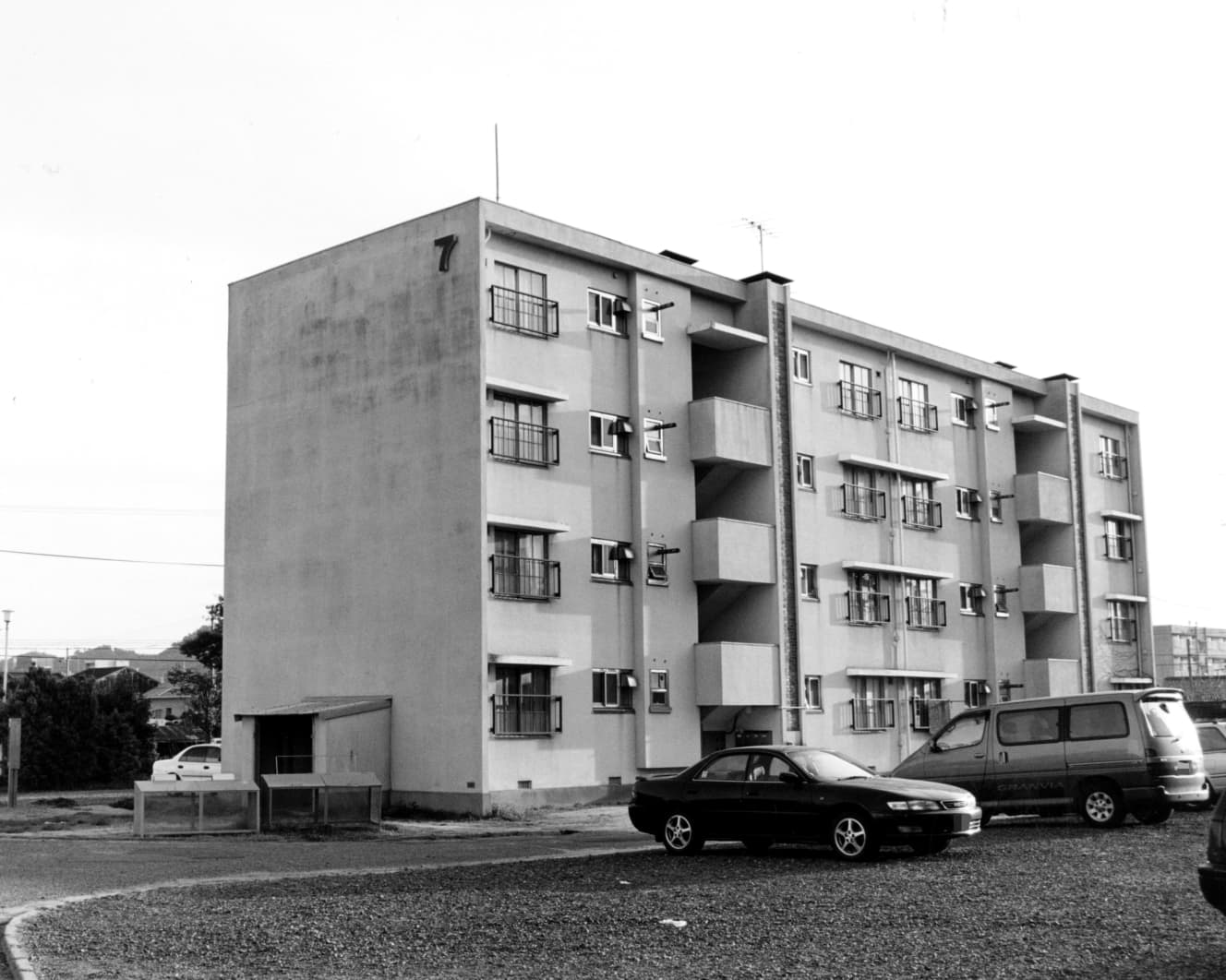
PHOTO: Tsuyoshi Kinugawa (first photo), Masaharu Oe (second photo)