New Projections Warn of a Catastrophic Ryukyu Trench earthquake: Up to 30-Meter Tsunamis Could Displace 200-Ton Boulders
It’s not just the Kuril-Japan Trench, where earthquakes have been occurring frequently since late last year, or the Nankai Trough, with an estimated death toll of approximately 300,000…!


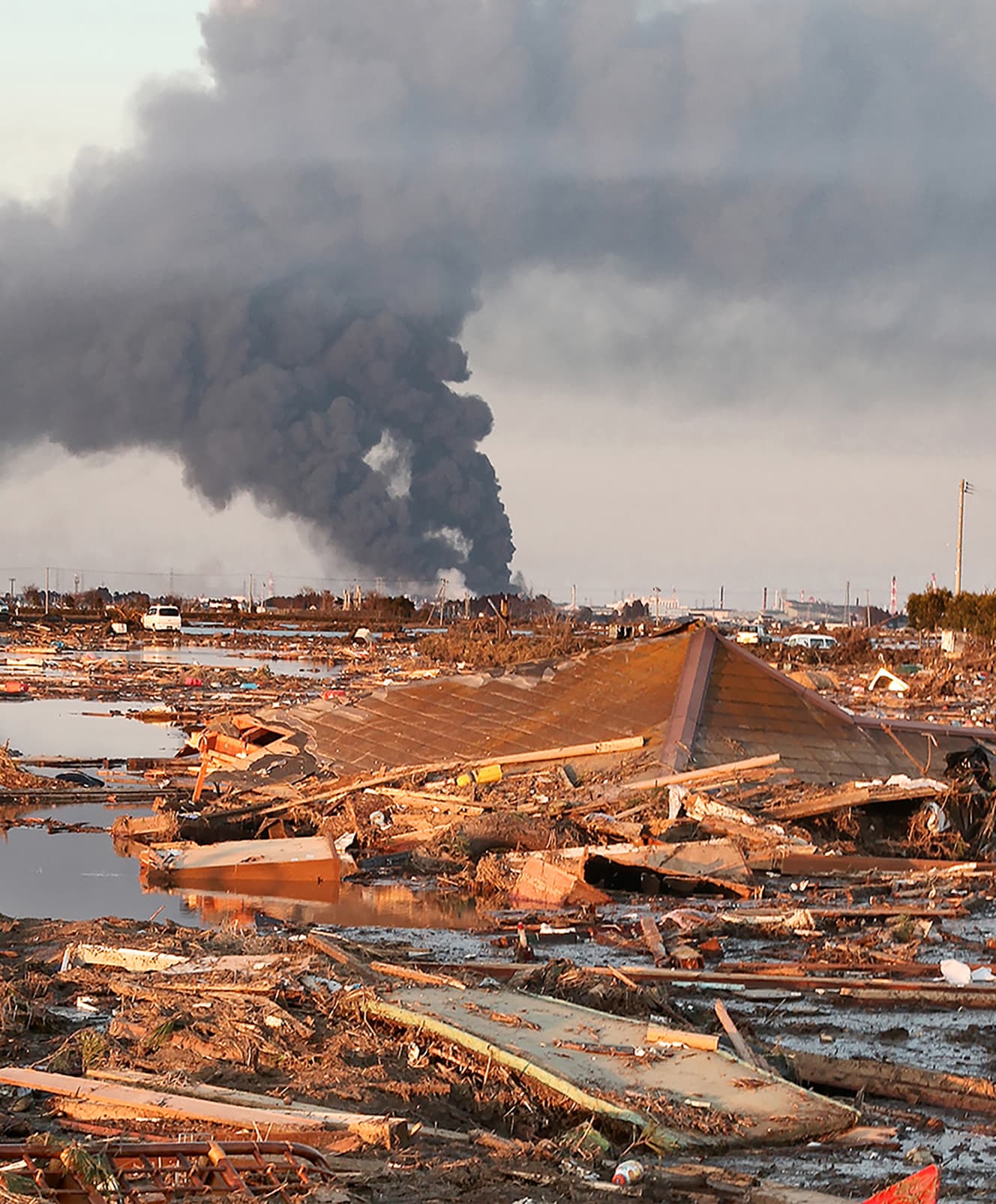
Strain continues to build
A series of unsettling earthquakes has been occurring.
On May 20, a magnitude 5.9 earthquake struck off the coast of Okinawa’s main island, producing a strong lower-5 seismic intensity on Japan’s scale on Yoronjima in Kagoshima Prefecture. Then, on June 8, a magnitude 8.2 earthquake off the southern Philippine island of Mindanao generated a tsunami of about 30 centimeters that reached Miyazaki Port in Miyazaki Prefecture.
According to the Japanese government, there are two high-risk regions off Japan’s coast where the occurrence of further massive earthquakes is considered imminent. Hiroki Kamata, a leading geoscientist and Professor Emeritus at Kyoto University, explains (all quotations below are Kamata’s).
Damage could exceed that of the Great East Japan Earthquake
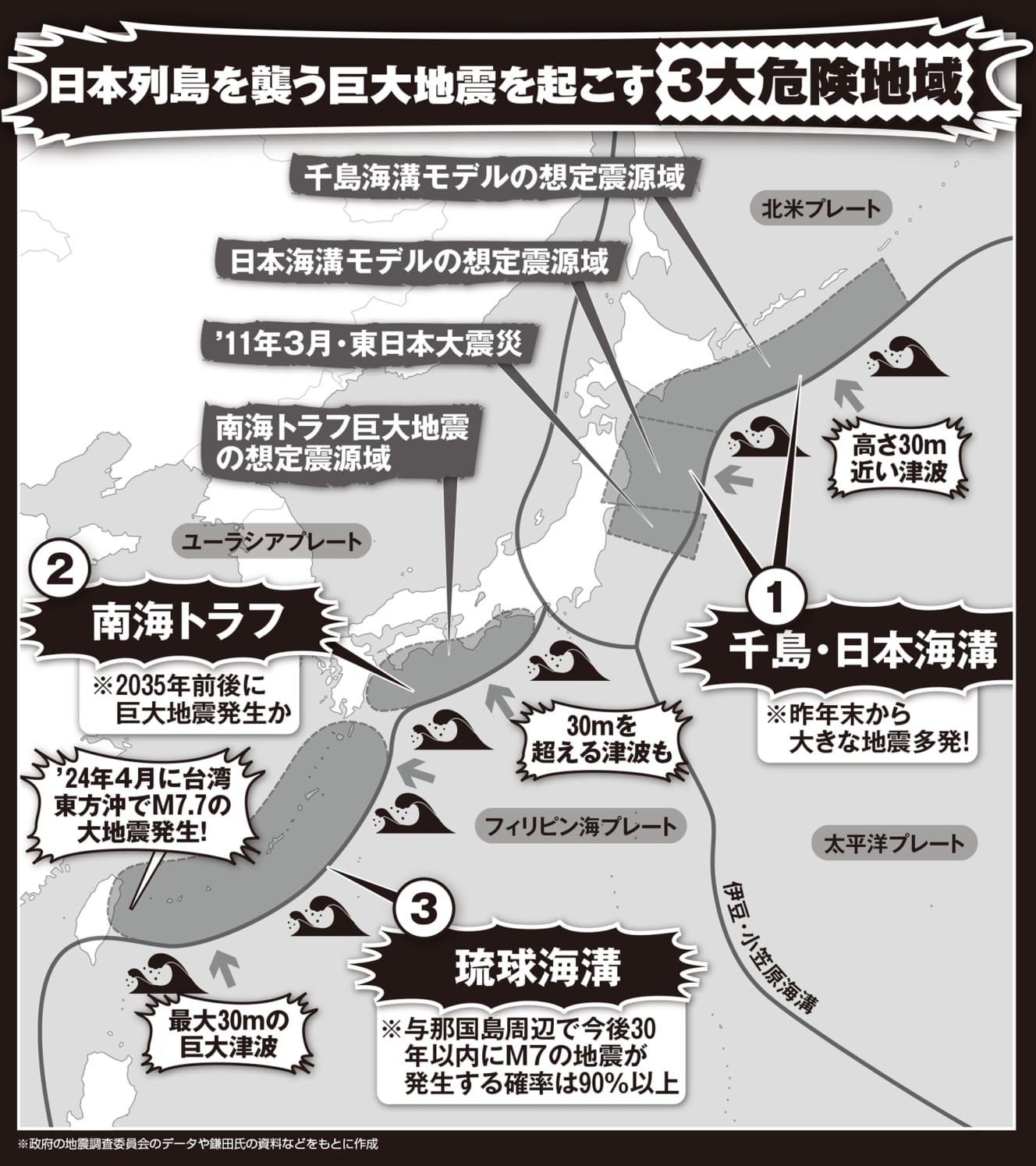
“They are the Kuril–Japan Trench off Hokkaido and northeastern Japan, and the Nankai Trough, which stretches from Tokai to offshore Kyushu (see the diagram below). In both regions, megaquakes of magnitude 9 or greater—comparable to or even exceeding the Great East Japan Earthquake—are considered possible.”
First, let us look at the threat posed by the Kuril–Japan Trench, where earthquakes have been occurring frequently since the end of last year.
“Major earthquakes occur along the Kuril Trench at intervals of roughly 400 years. The last one occurred during the Edo period, between the 1610s and 1630s, when an earthquake of about magnitude 8.8 generated a tsunami nearly 30 meters high that reached as far as 4 kilometers inland. According to a research group from Tohoku University and other institutions, about 8 centimeters of strain accumulates each year along the boundary between the North American Plate and the Pacific Plate. If that has continued for 400 years, the accumulated strain would amount to 32 meters. Once the plates can no longer withstand the pressure and suddenly slip, a massive earthquake could occur at any time.”
According to projections released by Japan’s Cabinet Office, a megaquake along the Kuril Trench could result in up to 100,000 deaths, while one along the Japan Trench could claim as many as 199,000 lives.
Tsunami could arrive within two to three minutes
The other area the government considers at high risk is the Nankai Trough, where the probability of a megaquake occurring within the next 30 years is estimated at 60–90% or higher (or 20–50% under a different calculation method).
“The tsunami striking Japan’s Pacific coast could reach a maximum height of 34 meters, and in the fastest-hit areas it would arrive at the shoreline just two to three minutes after the earthquake occurs. Nearly 150 municipalities across 10 prefectures are expected to experience seismic intensity 7 shaking, with about 2.35 million buildings completely destroyed or burned down. The projected death toll is close to 300,000. About 68 million people—roughly half of Japan’s population—would be affected.”
Kamata warns not only about the Kuril–Japan Trench and the Nankai Trough, but also about the Ryukyu Trench, which stretches roughly 1,000 kilometers from southern Kyushu to eastern Taiwan.
“The Ryukyu Trench is also capable of producing magnitude 9-class megaquakes. Because historical records are limited, its recurrence interval is not known precisely, but studies of seafloor sediment suggest that enormous tsunamis have repeatedly occurred there every few hundred years.
In 1771, during the mid-Edo period, a tsunami about 30 meters high generated by an earthquake along the Ryukyu Trench struck Okinawa Prefecture’s Yaeyama Islands, leaving 12,000 people dead or missing. On Ishigaki Island, the largest island in the Yaeyama chain, some villages are said to have been completely wiped out. Even today, the island’s east coast is littered with massive boulders weighing more than 200 tons. These so-called ‘tsunami stones’ are believed to have been carried inland from the seafloor by past Ryukyu Trench earthquakes.”
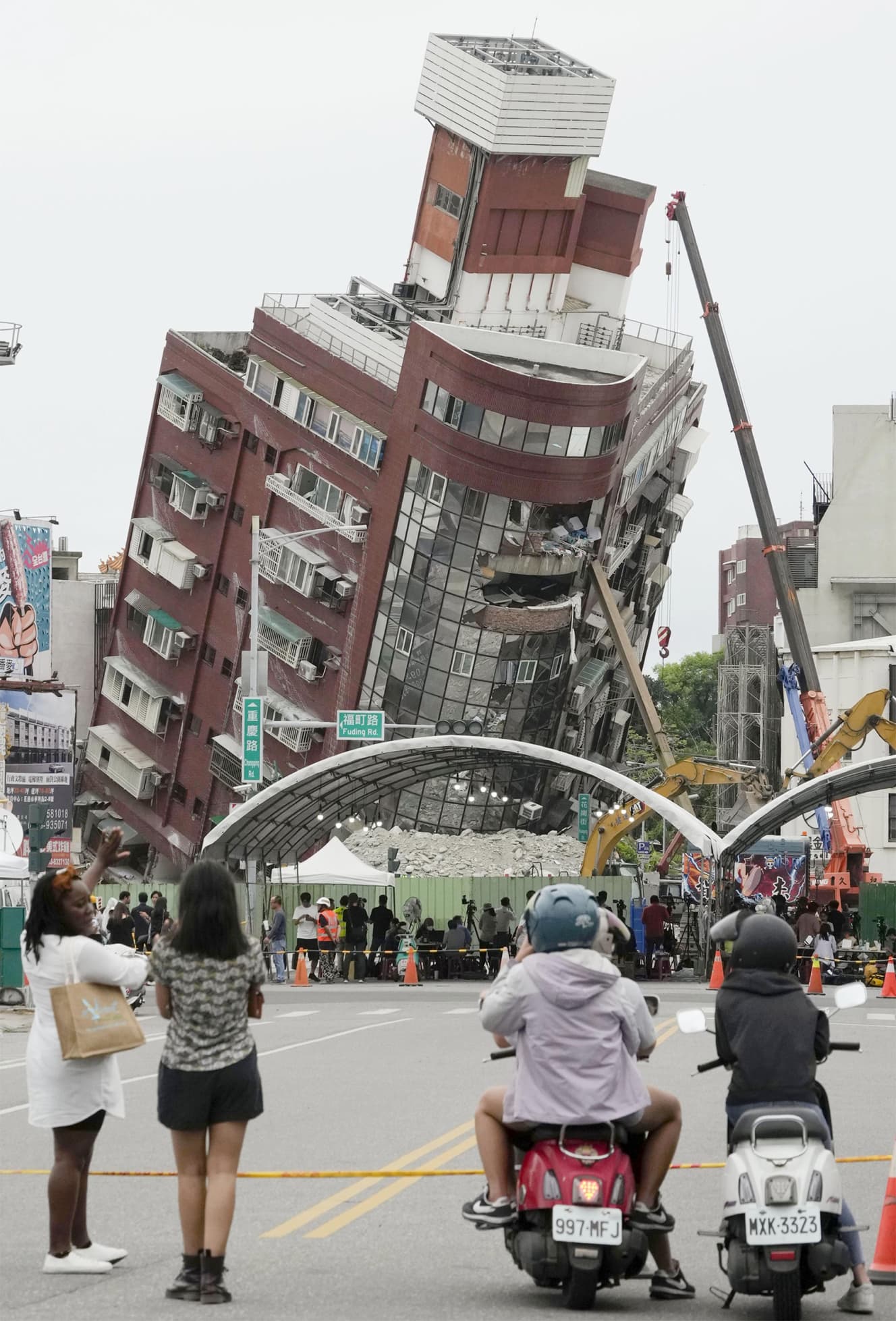
In April 2024, a magnitude 7.7 earthquake struck off the east coast of Taiwan, killing 18 people and injuring more than 1,100. According to the government’s Earthquake Research Committee, there is a greater than 90% chance that an earthquake of around magnitude 7 will occur near Yonaguni Island, Okinawa Prefecture, within the next 30 years.
“The Ryukyu Trench lies along the same boundary between the Eurasian Plate and the Philippine Sea Plateas the Nankai Trough. Although research is still ongoing, some scientists have suggested that it could generate a trench-type megaquake in conjunction with a Nankai Trough event. The resulting damage would be incalculable. In addition, the area around the Okinawa Trough, west of the Ryukyu Trench, is home to numerous active volcanoes, including Iōtorishima. There is also a risk that a major earthquake could trigger increased volcanic activity.”
All three of Japan’s major ocean trenches—often described as nests of earthquakes—are now considered to pose an imminent threat.
From the June 26–July 3, 2026, combined issue of “FRIDAY”
PHOTO: Aika Kano, Kyodo News