Gunfights on the Bus and the Fight to Save Lives: Pediatric Surgeon Hideto Yoshioka on Providing Medical Care in War-Torn Myanmar


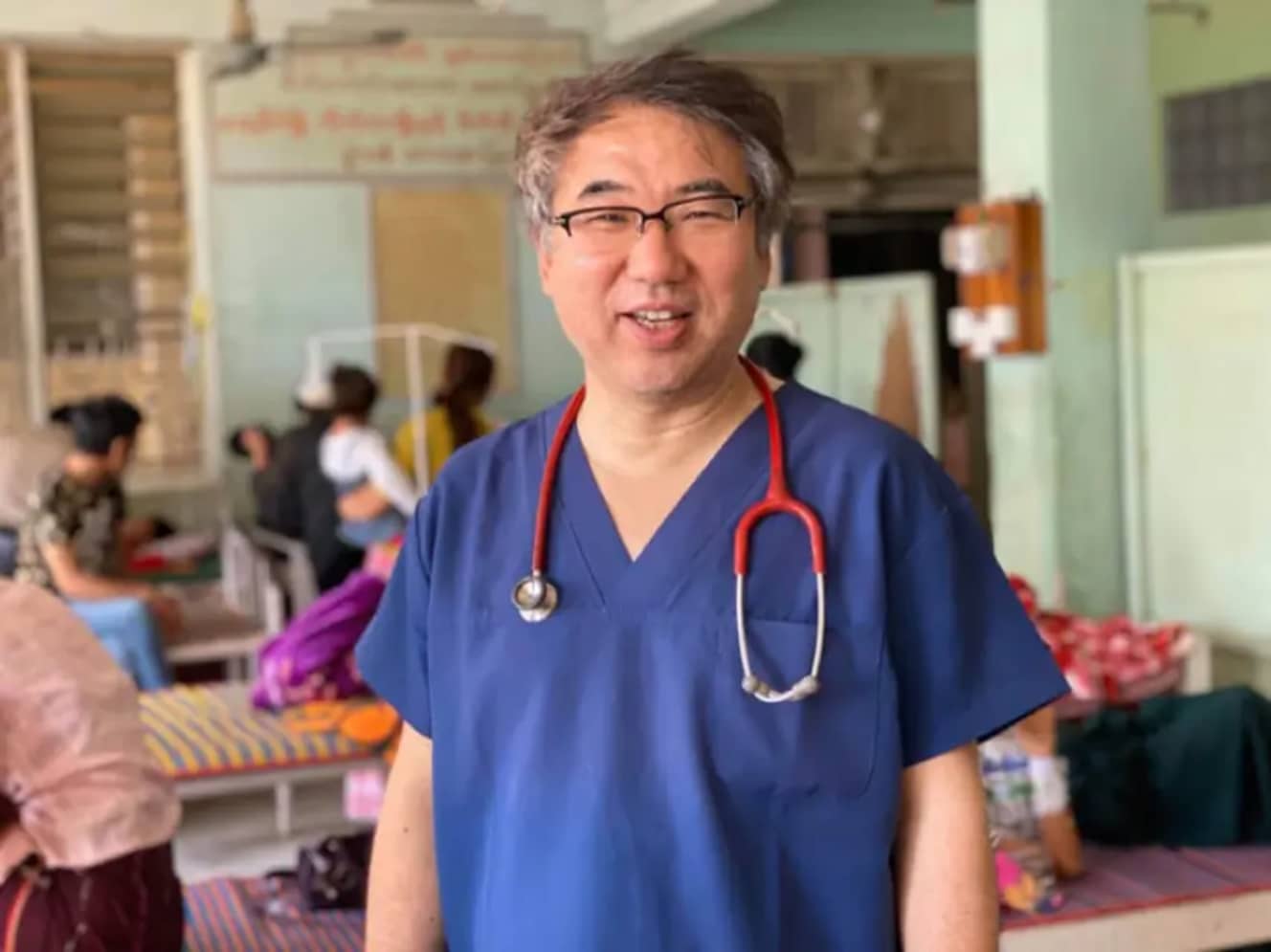
“A promise to myself”

—Are the volunteer medical professionals who travel from Japan safe?
Yoshioka: Given the current situation, we’ve recently been sending our staff to Cambodia and Laos, where we also have bases of operation, instead of Myanmar. The only people who enter Myanmar are myself, staff members who have been stationed there for many years, and the specialists we invite from Japan each month. As for Wachet Charity Hospital, because of the security situation, I am the only Japanese physician who works there. Japan Heart also operates pediatric hospitals in the relatively safer cities of Yangon and Mandalay, so Japanese doctors provide treatment at those facilities.
If the military were to arrive in the middle of an open abdominal surgery, you couldn’t exactly pick up the patient and run away, could you? That’s why children who require major operations are transferred to our partner pediatric hospitals in Yangon or Mandalay, where surgeries are concentrated when the Japanese specialists come. Those hospitals also have better facilities, so postoperative care is more reassuring in the larger cities. The operations we currently perform at Wachet Charity Hospital are mainly reconstructive procedures that can be completed in a relatively short time.
—Even so, you have no intention of stopping your work at Wachet Charity Hospital?
Yoshioka: I made a promise to the people of Myanmar that I would provide medical care there. It’s also a promise I’ve made to myself, so I’ll keep doing it. By not giving up, that commitment gradually becomes trust over time.
—What kinds of illnesses do the children who come to you have?
Yoshioka: In Myanmar, patients’ families have to pay for everything themselves—gauze, syringes, medication, everything. Unlike Japan, there isn’t a well-functioning universal health insurance system, so the financial burden on patients is enormous.
If a family is poor, a child’s illness or injury is often left untreated until it becomes severe, and only then do they finally come to a hospital. There are also very few hospitals and doctors. Many parents hear rumors that there’s a hospital run by a Japanese organization that provides free treatment, and they spend several days traveling by connecting buses from remote villages to reach us.
Do nothing as medical care

—The way children make their way to the hospital is also depicted in your new book, “The Story of Pediatric Surgeon Hideto Yoshioka: If I Don’t Go, Who Will?” It’s heartbreaking.
Yoshioka: When I see parents and children coming to us as if clinging to their last hope, I can’t help wanting to do whatever I can for them. For children with serious illnesses, I don’t just perform surgery locally. With the cooperation of medical institutions in Japan, some of them are also able to undergo surgery there.
—In Japan, they would receive treatment at a hospital long before their condition deteriorated to this extent. This is what it means for medical care not to reach people, isn’t it?
Yoshioka: Last autumn, we opened the Japan Heart Asia Pediatric Medical Center in Cambodia. Since 2018, Japan Heart has been providing free treatment for children with cancer in earnest. Normally, however, cancer treatment requires advanced medical care and is extremely expensive, so many children with cancer were essentially destined to die because neither treatment nor the means to pay for it were available to them. But now that we’ve opened this hospital near an international airport, we’ll be able to transport and treat not only children from Cambodia but also children with cancer from Myanmar.
Wanting to cure sick children is an instinct for physicians. Having no way to help brings nothing but a sense of defeat. When I was younger, I sometimes performed operations that, in hindsight, were overly aggressive because I was determined to save them somehow.
But after I turned 50, my thinking began to change. I’ve seen many children die even after surgery. I came to realize that, for a physician, taking action is not always the best course.
Children with end-stage cancer have a low chance of survival even if we do everything possible. So I began to think that perhaps we should accept reality. We should practice what I call medicine that does nothing. If we do nothing, the child will eventually die—but until then, they can spend whatever time they have left with their family. They don’t have to endure painful treatments. That is how I feel now after more than 30 years of practicing medicine in Asia. Of course, if there is any chance of recovery, we will do everything in our power, no matter how difficult it may be.
—It’s truly admirable that you have continued providing medical care for so many years while facing such danger. Thank you very much for sharing your valuable experiences with us today.
******************
Hideto Yoshioka (pronounced Yoshioka Hideto)
Pediatric surgeon. Founder and Honorary Chairman of the certified NPO Japan Heart. Born in Osaka Prefecture in 1965. He began working in Myanmar in 1995, Cambodia in 2009, and Laos in 2013. In 2004, he founded the international medical volunteer organization Japan Heart. Overseas, in addition to providing medical care, he promotes independent living for people with visual impairments, operates Dream Train, a residential care facility that protects and supports children who have lost their parents to AIDS or who are at risk of human trafficking due to poverty, and trains local healthcare professionals. In Japan, his work includes disaster relief, community healthcare support for remote islands and underserved rural areas facing physician shortages, and the Smile Smile Project, which supports children with cancer and their families. He was awarded the 69th Kikuchi Kan Prize in 2021. As an organization, Japan Heart has also received awards from the United Nations, the Okinawa Peace Prize, and the Japanese government’s SDGs Award.
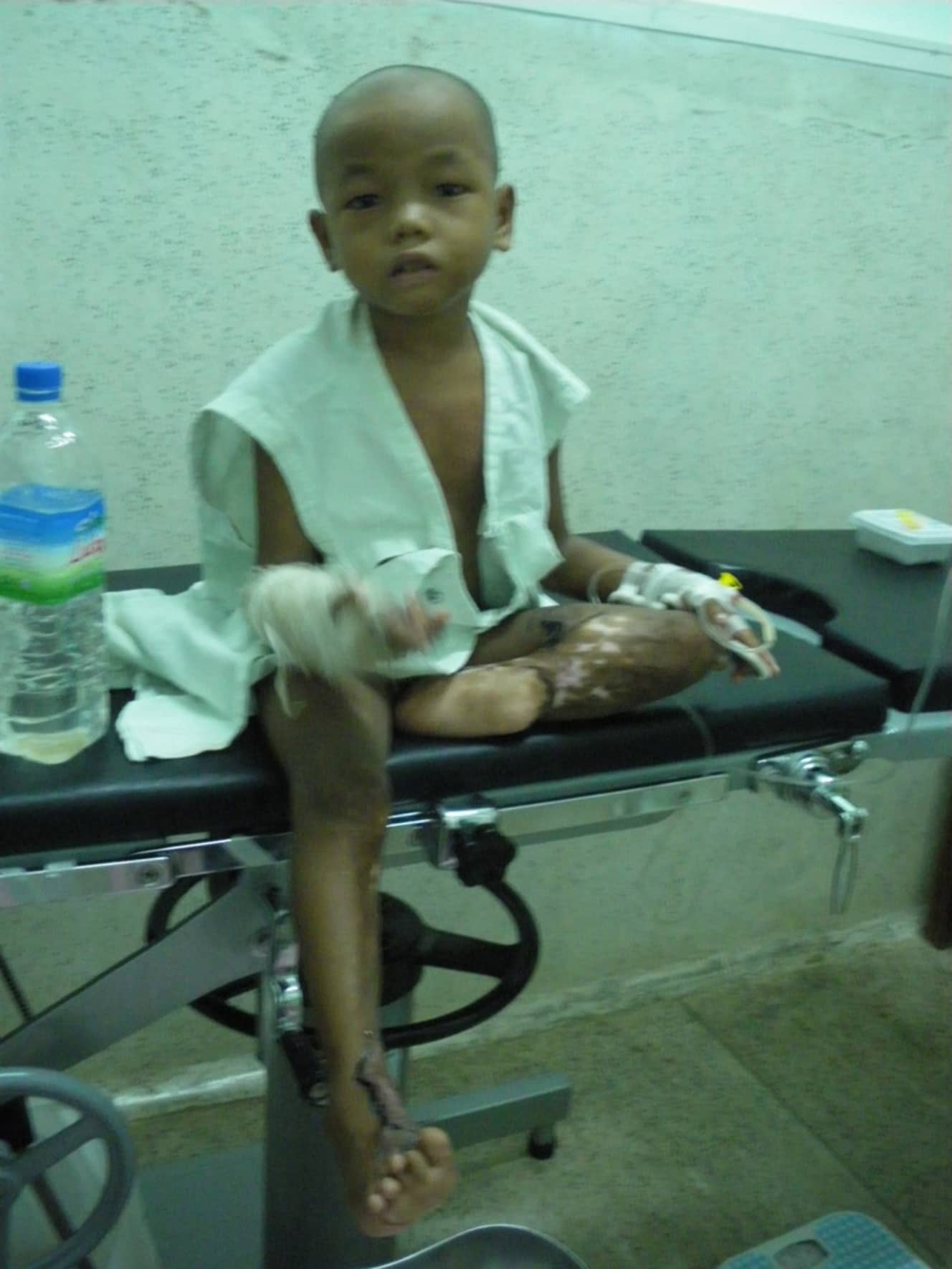
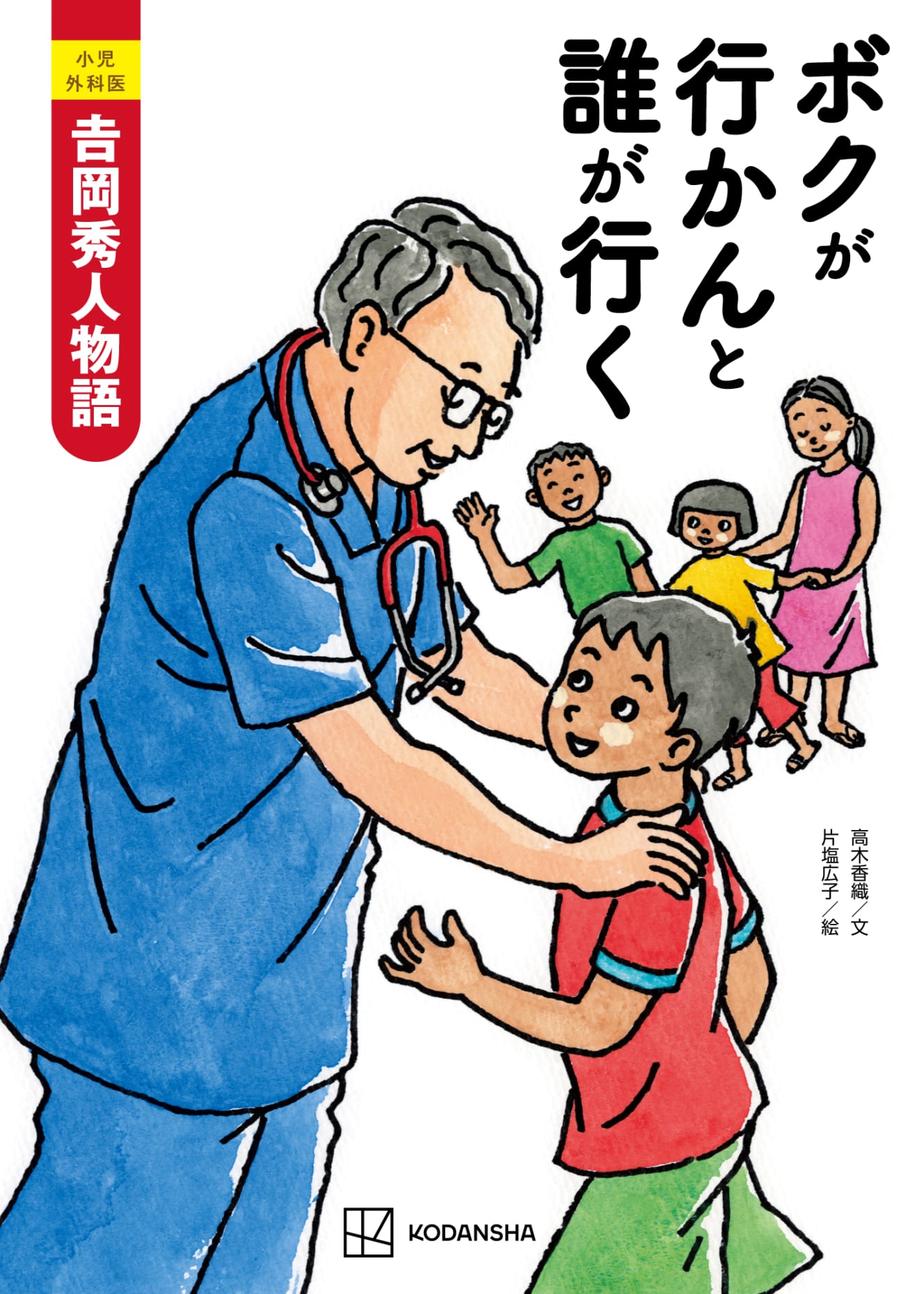
PHOTO: Courtesy of the Certified NPO “Japan Heart” Reporting and Text: Kaori Takagi (Editor and Writer)