How One Golden Gai Legend Turns Foreign Visitors into Loyal Customers


A witch haunts Golden Gai
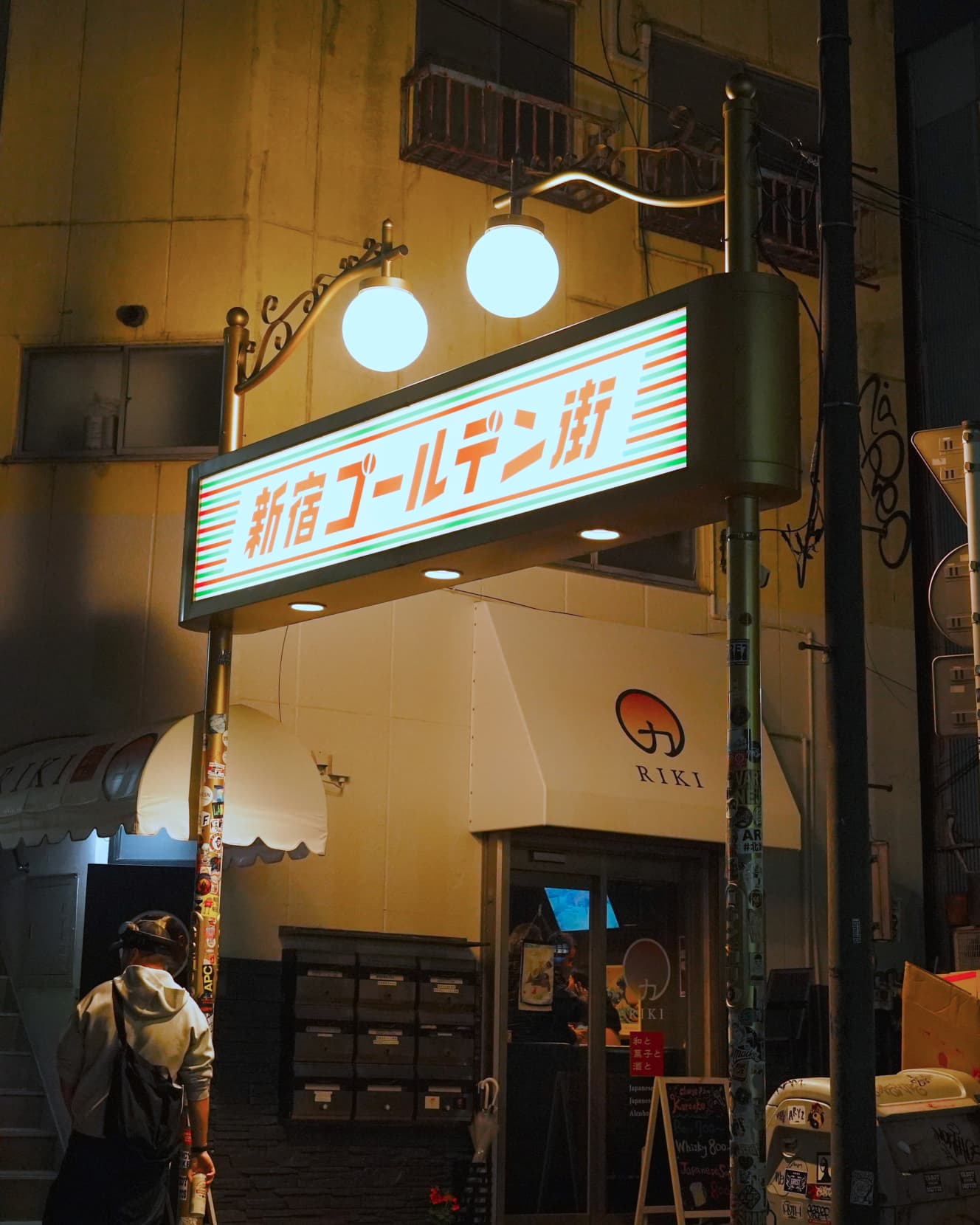
Shinjuku, Tokyo, is bustling with inbound tourists, and Golden Gai in particular has become one of Japan’s most popular off-the-beaten-path attractions. The flood of foreign visitors has created something resembling a bubble economy, bringing unprecedented prosperity to the area.
Amid this boom, “FRIDAY” received information about a woman who has been making a fortune by catering to foreign customers—so much so that some people have nicknamed her “the Witch.” We followed her to see how she works.
On the Friday we visited, Golden Gai was packed as expected. Alongside foreign tourists were office workers heading to their favorite bars after work and colorful regulars whose occupations were anyone’s guess. All had gathered in search of a drink. The bar where the “Witch” supposedly worked was tucked away among them.
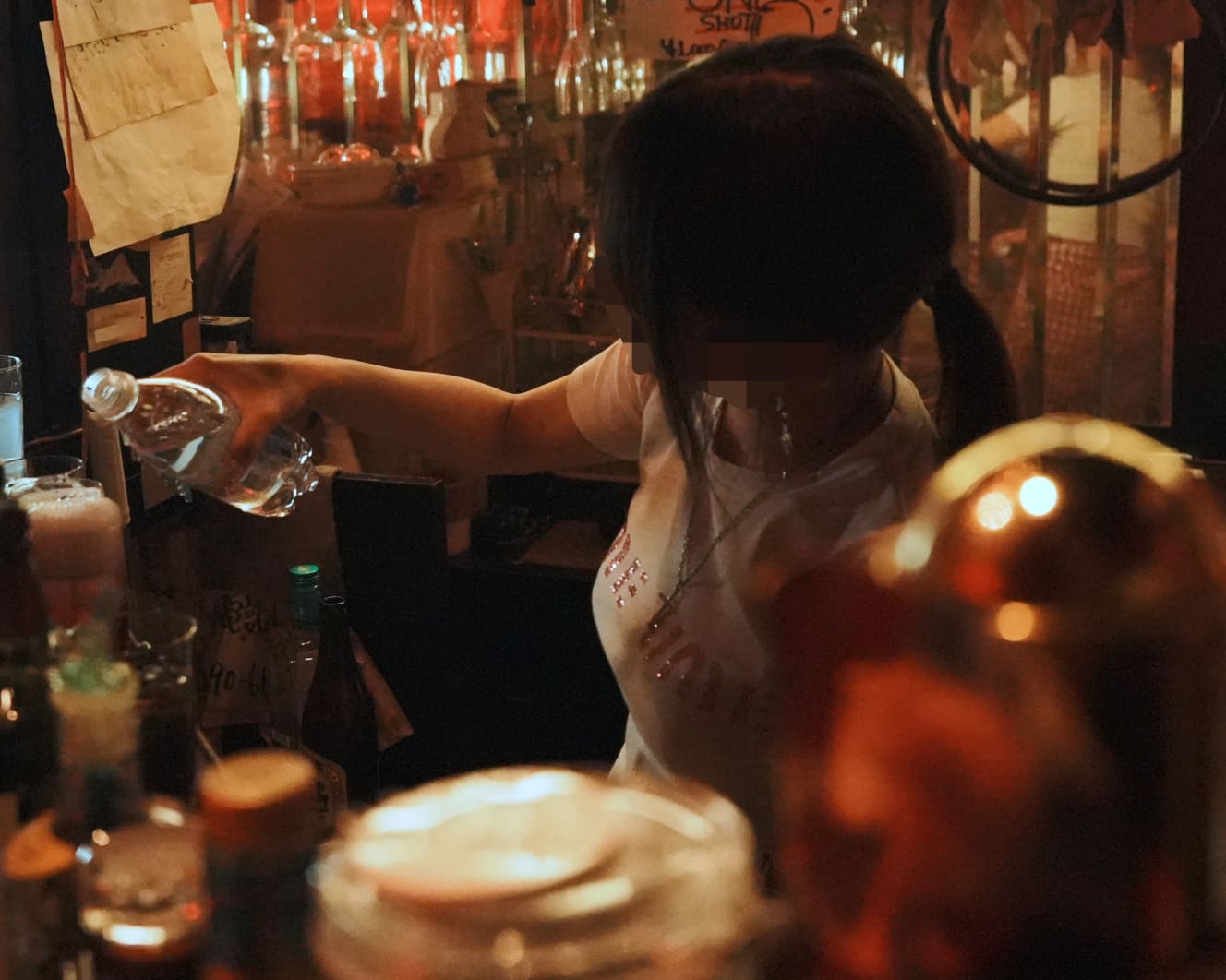
When we opened the door, a cheerful voice greeted us with, “Welcome!” After explaining that we were there for an interview, she readily agreed, provided we did not disturb the other customers. We will refer to her here as Ms. A.
“I’m 25 years old. After graduating from university, I joined a regular company, but I quit after a year. I got tired of all the rules about hairstyles and clothes, and having to keep the office boss-lady happy. I graduated from a national university in Tokyo, and I’m a returnee, so I speak English. Because of my parents’ work, I moved around Europe and Asia as a child, and I also studied abroad while I was in college.”
She says that at her previous company she had the best sales record in her department. Even after only a short conversation, it was easy to see why some people call her “the Witch.” She casually remarked things like, “I was the first woman an awkward science guy slept with,” “I slept with a coworker who joined the company the same year I did,” and “I slept with the top salesperson from another department.”
“Besides working here, I also work at a concept café where the staff serve customers in swimsuits. I love talking to people, and more than anything, I love drinking. Being able to have fun, drink alcohol, and get paid for it is my dream job. To be blunt, I have a good academic background, so if I ever stop making money doing this, I can always go back to working for a company.”
According to Ms. A, the idea that Golden Gai is experiencing a boom thanks to foreign tourists is absolutely true. However, she says the benefits are not evenly shared.
“Some bars refuse to let foreigners in, and those places don’t seem to be doing very well. Bars located on the second floor also get fewer walk-in customers, so it’s harder for them to attract new business. One characteristic of Golden Gai is that most foreign visitors are in their 20s or 30s. In many Western countries there’s a strong bar culture—you hear terms like bar hopping and pub crawl. Most people have one or two drinks at a bar before moving on to the next one. They come to Golden Gai specifically to do what we’d call ‘hashigo-zake’—bar hopping.”
Ms. A estimates that about 90 percent of her foreign customers are from Europe or North America, with very few visitors from other parts of Asia apart from the occasional Korean tourist.
“Just being able to serve customers in English makes a huge difference. A bar can make a lot of money that way.”
She also explained that many foreign tourists have a custom of stopping at a bar for drinks before dinner, and that the tiny bars of Golden Gai feel much less intimidating to them than entering a Japanese izakaya.
Customer arrive!
As the interview was underway, the door opened and a group of foreign customers walked in. A greeted them in fluent English. Clearly surprised, they ordered their drinks.
One man from Denmark said, “I’d always wanted to visit Shinjuku in Tokyo. I’ll be staying in Japan for a month, and next week I’m heading to Osaka.” This was his third visit to the bar—he had come back again after stopping by the previous day, this time bringing a friend.
What stood out most was A’s style of customer service. Whenever she stepped out from behind the bar to serve drinks, she naturally closed the distance with her customers. She treated everyone the same way, carefully explaining the drinks in English and chatting cheerfully even with customers who were already quite drunk. Whether male or female, everyone seemed delighted by her warm personality.
The Danish customer had nothing but praise for her.
“Her service is amazing. She’s friendly and genuinely thinks about her customers. I never expected to find a bar in Japan where I could speak English so easily, so I’m really looking forward to tonight. And she’s easygoing too—if you invite her to have a drink with you, she’ll join you. You’d never get that at most other places.”
Her popularity isn’t based solely on attentive service. She also never turns down a drink when a customer offers one, and she’s happy to answer visitors’ questions about Japan.
“I thought tipping in Japan was considered rude. When I asked her, she told me, ‘Chain restaurants usually can’t accept tips, but independent places generally can. We’d be happy to receive extra money.’ She gave me an honest answer from a service worker’s perspective. Here, I can ask Japanese people directly about things I find puzzling about Japan, and that’s what I really enjoy.”
Whether the customers are Japanese or foreign, what people seek at a bar is conversation. Unlike an izakaya or restaurant, a bar naturally allows for closer interaction. That sense of personal connection is likely one of the biggest reasons for its popularity.
How much does she make in a day?
Still, that alone didn’t seem enough to explain how she was making such impressive money. The answer came from B, a Japanese regular at the bar.
“I’ve been coming about twice a week ever since A started working here,” he said, clearly one of her fans.
“She’s friendly and personable with everyone, and she’s even willing to go along with a bit of dirty humor. In many countries, there aren’t bars where female staff interact this closely with customers, so foreign tourists fall in love with the place almost immediately. Part of it is the novelty, but no guy is going to complain about being served at close range by a beautiful woman.”
In short, it’s easy for customers—especially men—to loosen their purse strings. The flushed, grinning faces around the bar didn’t seem to be the result of alcohol alone. Nearly every pair of eyes was fixed on A.
Even as the last trains approached, the stream of customers never let up. Just as A had said, most people stayed for only one or two drinks before moving on, so tables turned over quickly. Asked how much she typically earns, she replied:
“On average, I make between ¥30,000 and ¥40,000 a day.”
“Our pay is commission-based, so it depends on the individual. Even on a bad day, I make around ¥20,000. My best day came just short of ¥100,000. I got carried away that night, partying and drinking all the drinks customers bought me. By the time the bar closed, I was so exhausted that I collapsed and fell asleep on one of the chairs. Sometimes customers even tip me in U.S. dollars or euros, saying they forgot to exchange the money before leaving.”
As the interview wrapped up and I prepared to leave, A leaned in close and whispered in my ear:
“You didn’t ask, but here’s one more thing—foreigners generally don’t like bars that charge a cover fee. They’re already used to tipping, so they don’t like paying an extra entrance charge.”
Then, taking both of my hands, she smiled and added:
“Next time, don’t come as a reporter. Come as a customer. I’ll be waiting.”
It was a moment that made it easy to understand why some people call her the “witch” of Golden Gai.
Her outgoing personality, confidence around strangers, and fluency in English are precisely what allow her to thrive in one of Tokyo’s most competitive nightlife districts.


Reporting, Text, and Photos: Midori Shirakami