Natsu Ando’s Message After 20 Years of Care: Don’t Quit Your Job — Professional Support Is Key for Dementia Care


According to the latest research, dementia is projected to affect about one in seven people aged 65 and over by 2030. For many people, facing the caregiving of an elderly parent with dementia is no longer a rare experience.
According to the results of a survey on preparations for parental caregiving released by Sumitomo Life in November last year, 80.7% of respondents said they feel anxious about caring for their parents if they become care recipients. Meanwhile, 75.2% said they have no clear plans or understanding of how they would respond if their parents required care.
As this survey shows, many people feel uneasy about parental caregiving but tend to postpone preparations. However, the day when care becomes necessary can come at any time and under any circumstances. It is important to begin making preparations before that happens.
Do you really know your parents’ favorite foods?
“There are things you can do while your parents are still healthy.”
This advice comes from Natsu Ando, the comedian known for her role as the straight man in the duo Maple Chogoukin, who also holds a qualification as a certified care worker. In March of this year, she co-authored “Shittoku Dementia: A Super-Introductory Guide to Help Families and Individuals Continue Living as Themselves” (KADOKAWA) with dementia specialist Dr. Masahiro Shigeta. In the book, Ando guides readers through a dialogue on misunderstandings about dementia, how families should approach it, and how to seek help from third parties.
“I think it’s good to learn things like your parents’ favorite foods, hobbies, and communities while they are still healthy. Mothers especially tend to put themselves last, so children often don’t actually know what their mothers like. I realized I was the same.
When I go home and ask my mother, ‘What do you want to eat?’ she always says, ‘Anything is fine.’ Until recently, I would just leave it at that. But one day I pushed a little further and asked, ‘What do you actually like?’ I finally found out she likes Chinese food. That was the first time I learned it.”
Ando says that understanding a parent’s daily routines, hobbies, and regular places can be extremely helpful later if they develop dementia.
“If parents and children can spend time doing things together, it may help restore something like the original parent-child relationship, rather than fixing roles as caregiver and care recipient. For example, cooking together and recreating the family flavors your mother has preserved over the years.
Of course, you don’t need to know everything perfectly. Before even thinking about caregiving, I think it’s important to become aware of your parents’ everyday lives and routines.”
If you know your parents’ habits and lifestyle patterns to some extent, you may be able to notice small changes—early signs of dementia or physical decline—sooner.
When you notice something wrong, don’t hesitate to seek professionals
As Ando also emphasizes in her book “Shittoku Dementia,” she urges people to seek professional help early when they notice changes in their parents.
“When you feel that something is different or unusual, that’s the time to consult care or welfare professionals.
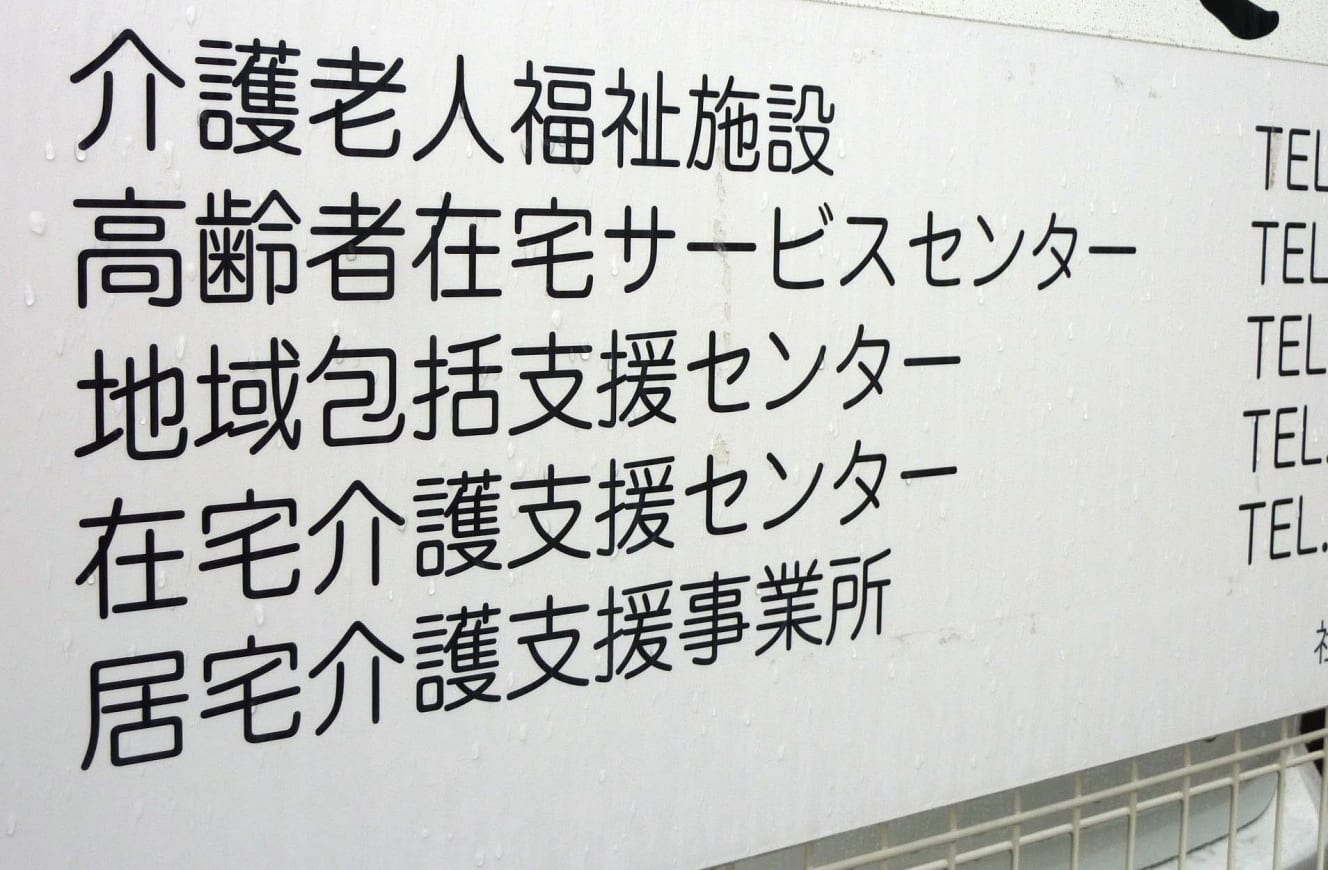
In such cases, the place to go is the Community Comprehensive Support Center, which serves as a general consultation window for elder care. These are usually located in municipal offices or welfare departments, and you should contact the center in the area where your parent lives.
People often think you can only use these services once care is already needed, but that’s not true. You can consult them about small concerns like, ‘My mother living alone seems more forgetful lately,’ or ‘Her room is often messy.’ They also accept phone consultations, so even if your parents live far away, you can still reach out.”
With nearly 20 years of experience including volunteer work in caregiving settings, Ando says that professionals can provide care objectively, without being influenced by emotion, because they are not family.
“Caregiving lasts 24 hours a day. If you try to do it as a family alone, you have no escape. It becomes difficult to even find time or emotional space to do anything together.
I want people to rely on professionals in order to secure both emotional and practical breathing room.
If my own parents ever needed care, I would also rely on local government services and bring in third parties. Technically, I could do it myself, but I feel I would need to temporarily set aside my image of my mother and think of her as just another service user. If I can’t set aside my emotions, I would rather bring in a third party. I want to provide the kind of care that only family can give, and I want to face my parents with kindness.”
“Leaving your job for caregiving is not necessary” – Using National Systems
According to a survey by the Ministry of Health, Labour and Welfare, the number of people leaving their jobs to provide care rose from about 34,000 in 2000 to nearly 93,000 in 2024. Meanwhile, guidelines for business leaders published by the Ministry of Economy, Trade and Industry project that by 2030, the number of people caring for family members will rise to 8.33 million, with 3.18 million (about 40%) becoming working carers—people who balance employment with caregiving.
“I don’t think it’s necessary to quit your job in order to care for your parents. Your own life matters, and I don’t think your parents would want that either.
In Japan, there are systems such as caregiving leave and caregiving absence (care leave). I want working adults to know that taking time off for caregiving is legally recognized.
The Community Comprehensive Support Centers have professionals such as social workers and care managers. They also consult with families providing care. Since they can provide information about services that reduce the family burden, I believe it is possible to balance work and caregiving if you seek advice.”
Misconceptions about dementia and the evolving care system
For Ando, her book “Shittoku Dementia” is her third publication. She says working on it with Dr. Shigeta brought her new insights.
“I was surprised when Dr. Shigeta told me that it takes a very long time to reach a diagnosis of dementia. I had assumed doctors could quickly diagnose it based on CT or MRI scans. I learned that they carefully observe brain condition, cognitive function, and overall health over time, which completely changed my understanding.
I also felt that the term ‘dementia’ carries a very negative image, as if it were a sad illness where everything is forgotten. But in reality, the brain doesn’t completely stop functioning, and there is still room for improvement in brain function. I learned that what seems like memory loss is often not the loss of memory itself, but difficulty accessing it.
If we can understand even a little about why people with dementia may say harsh things or wander off on their own—understanding the reasons behind those behaviors caused by the illness—it may change how we perceive dementia.”
Regarding the current state of Japan’s caregiving sector, she adds:
“The labor shortage is not easily resolved. The declining birthrate and shrinking workforce are major factors.
However, recently I felt that the future of caregiving may be somewhat brighter.
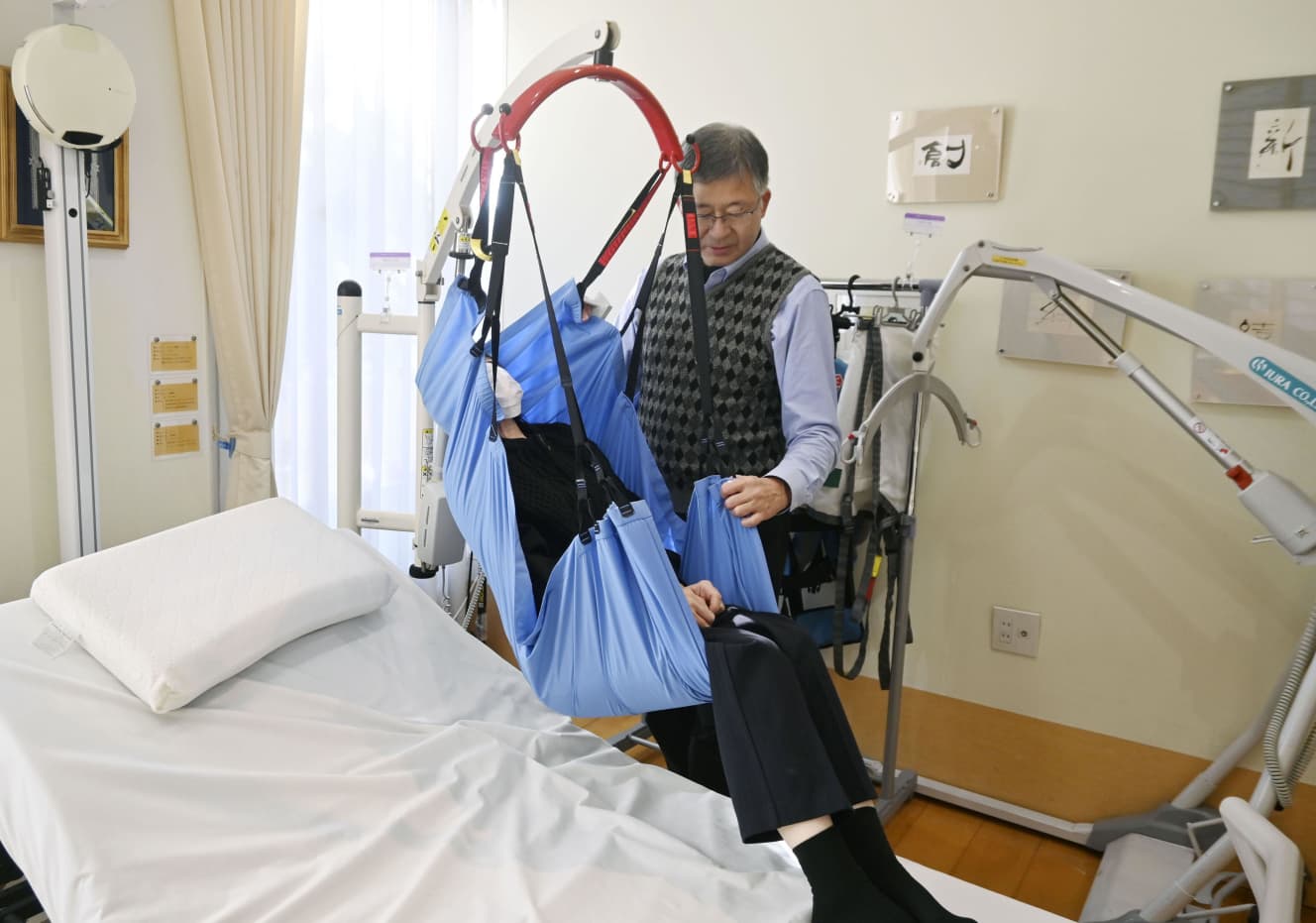
Tasks like transferring patients from beds to wheelchairs or assisting with bathing place a heavy strain on caregivers’ backs, and many people leave the profession due to back pain. But assistive machines are being introduced, and the field is evolving significantly. Even caregiving records, which are necessary for staff handovers, are becoming digitalized and more efficient. I feel these changes may help somewhat offset the labor shortage.”
Reports also show that the salaries of full-time caregiving staff are about 110,000 yen lower than the national average across all industries. Even though caregiving is essential in Japan’s super-aged society, wage levels remain low, which may make it difficult to resolve the labor shortage.
“I feel many people have a negative impression of care work, thinking it’s hard but poorly paid. This may be because professional caregiving and family caregiving are often lumped together.
Family caregiving is truly difficult. But professional caregiving is different. I want people to separate the two. For care workers, it is a profession—they approach it with proper skills and pride. Every job has difficult aspects. At least for me, I found it enjoyable and rewarding. I hope people understand that.”
Care services should be used more casually
Both caregiving and dementia have been somewhat damaged in public perception by misunderstandings and assumptions, and it is undeniable that this background—along with a Japanese tendency to care about social appearance—may contribute to the idea that dementia care should be handled within the family.
“As Dr. Shigeta also mentioned, there are people who suspect their parent may have dementia but hesitate to seek advice because they feel embarrassed, like ‘It’s awkward to consult the local government office because I know someone there.’ The negative image of dementia may lead to feelings like ‘it looks bad socially’ or ‘I don’t want others to know.’ I completely understand the discomfort people feel about bringing in a third party.
But people over 40 in Japan are already paying long-term care insurance premiums. Even if you’re not conscious of it, it’s automatically deducted from your salary.
Japan has a long-term care insurance system, and citizens have the right to receive care services when needed. There’s no reason not to use them.”
Ando says that care services should be used more casually.
“It should be more like, ‘You’ve got points saved up, so why not use them soon?’—that kind of relaxed feeling would be good.
In the end, people around you will find out anyway. If that’s the case, it’s better to be open about it yourself before rumors start, and create a situation where neighbors can say, ‘I saw your mother walking around alone earlier.’ Ideally, it’s about building a community where people watch over each other.”
▼ Natsu Ando (Andō Natsu): comedian and actress. Born in Tokyo in 1981. In 2012, she formed the comedy duo “Maple Chogoukin” with her partner Kazlaser, serving as the straight man. After reaching the finals of the 2015 M-1 Grand Prix, she has been active mainly in variety shows and also works as an actress. She has about 20 years of experience in caregiving. She holds a Care Worker Initial Training qualification (formerly Home Helper Level 2), and obtained the national qualification of Certified Care Worker in 2023. Her books include “20 Years in Care Work” (Shufu to Seikatsu Sha), and as a co-author “Shittoku Care: A Super-Introductory Guide to Money and Useful Services for Protecting Aging Parents and Yourself” (KADOKAWA).

Reporting and Text: Sayuri Saito PHOTO: Kyodo News