35 Years After Tokyo Love Story, Akiko Sendō Is Thriving as a Trendy Auntie in Hokkaido
Special Interview


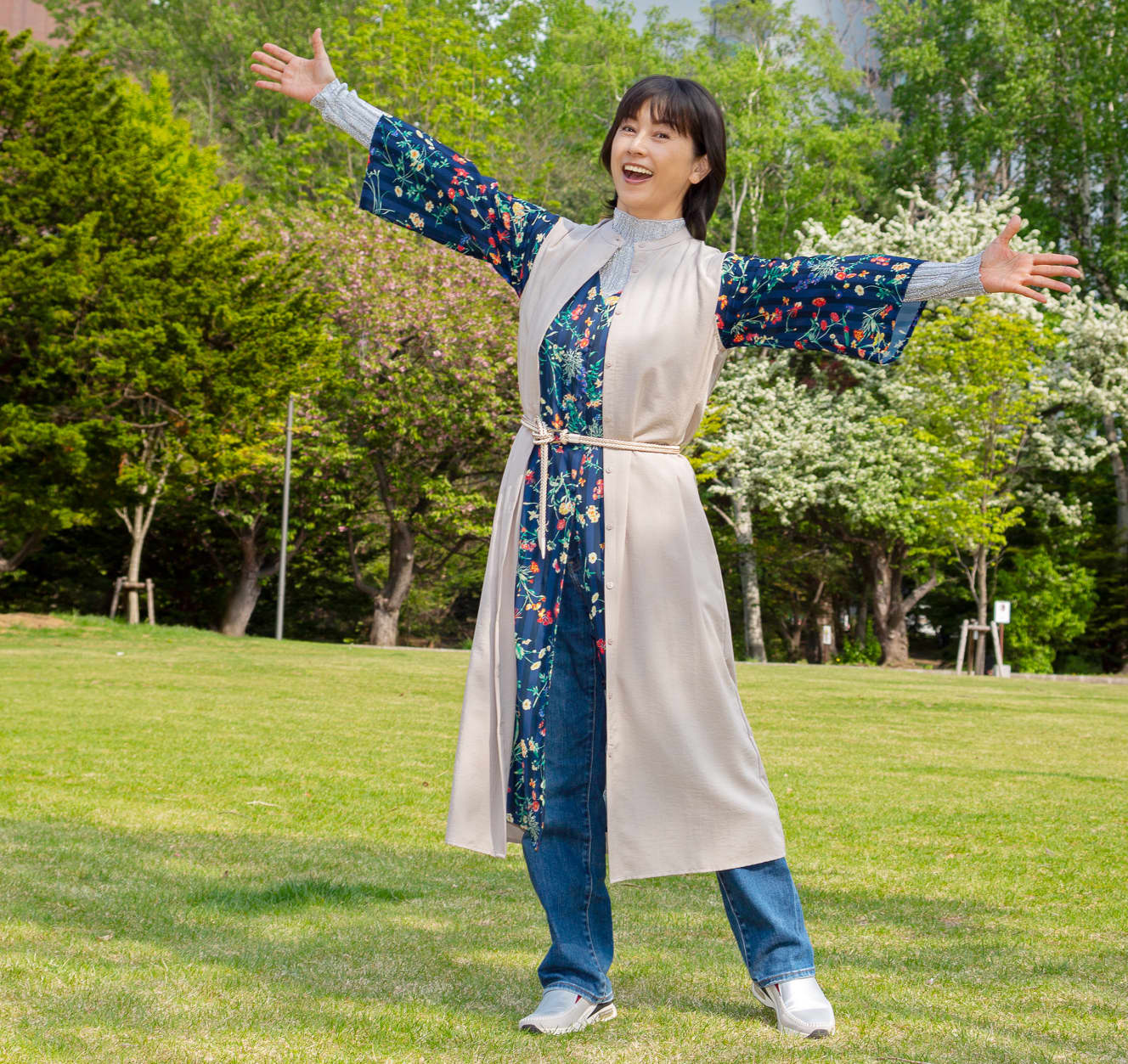
Moving to Hokkaido, her husband’s hometown
“I’ve been living in Hokkaido for 15 years now. The magnificent natural scenery and the fresh local produce—especially the potatoes—have completely won me over. I can’t imagine leaving anymore.”

“I cried every day.”
It was July 1990, two years after she had promised her father she would give the entertainment industry a try for just two years, and Sendō was beginning to think, “Maybe it’s time to return to my hometown.” That was when she was chosen for the role that would make her a household name across Japan.
“I was selected as the main host of the late-night variety show ‘All Night Fuji’ (Fuji TV). But because it was a late-night program, the studio was filled with women in swimsuits, and there were plenty of risqué topics. I was also dressed in body-conscious outfits and miniskirts. When I got home, I’d cry almost every day, saying, ‘I can’t do this kind of job!'”
Her life changed overnight—from answering phones at her agency to an incredibly hectic schedule.
“People started associating me with this bold, outgoing image, and I began receiving invitations to appear at university festivals all over the country. At my busiest, I’d visit three campuses in a single day, get home around 3:00 a.m., take a quick shower, and head right back out to work. There were bizarre rumors that ‘Akiho Sendō gets drunk at discos every night and picks up men.’ But I didn’t even have time to go to a disco. Besides, I couldn’t drink alcohol in the first place.
“There were times when I struggled with the gap between the flashy image of ‘Akiho Sendō’ and who I really was. Eventually, though, I decided to embrace the character everyone had created for me. Looking back now, I was really pushing myself. Sleeping only two or three hours a night was normal. Even when I was exhausted, I couldn’t talk to anyone about it. I was so overworked that I suffered constant throbbing headaches and couldn’t go anywhere without headache medicine.”
In January 1991, Sendō appeared in the drama that established her as one of Japan’s trendy actors: the smash-hit series “Tokyo Love Story” (Fuji TV), which recorded a peak audience rating of over 32%.
“I played the daughter of a prestigious hospital director who ends up with a brilliant medical student, played by Yosuke Eguchi. After filming wrapped, the director told me there had originally been a kissing scene between Eguchi and me in the script. But because my agency was marketing me as an idol at the time, they vetoed it. The director told me, ‘Your agency wouldn’t allow it,’ and seemed genuinely disappointed.
“‘Tokyo Love Story’ was the first television drama series I’d ever appeared in. I had almost no acting experience and was too intimidated to even speak to my famous co-stars. During breaks, I’d quietly stay inside the location bus. The person who helped ease my nerves was the lead actress, Honami Suzuki.”
“One morning at the studio, I heard Honami-san calling out from across the room, ‘Can someone lend me some money?’ She had jumped into a taxi because she was running late, only to realize she’d forgotten her wallet. Seeing that even someone as famous as Honami-san had such an ordinary, human side made me relax.”
In addition to acting, Sendō became a regular on quiz shows such as “Magical Brain Power!!” (Nippon TV), where she earned a reputation for her remarkably high accuracy rate. As her popularity grew, so did her exhaustion.
“Being recognized everywhere was rewarding as an entertainer, but it was also frightening. During live broadcasts, huge crowds of fans would wait outside, and some would even chase my car. Once, the taxi driver I happened to get said, ‘I’ll lose them for you!’ and skillfully shook off the cars following us.
“The glamorous but hectic life in Tokyo was definitely beginning to wear me down. Whenever I managed to get a day off, I’d drive alone in the middle of the night to the beaches of Kamakura or Shonan and just sit there, doing nothing. I think I wanted to draw a clear line between my work in the city and my private life.”
Sendō married in December 2000.
“I went to Saipan, a U.S. territory, to earn my scuba diving certification. That’s where I met my husband, who was an instructor. This may sound conceited, but because I was a celebrity, the other staff and guests all knew who I was and made a big fuss over me. My husband, however, had been working in Saipan for about seven years and had absolutely no idea who I was. That made me feel so comfortable. Instead of treating me like a celebrity, he treated me like an ordinary person, and I really appreciated that.”
As mentioned earlier, the birth of her second child prompted her family to relocate to Hokkaido.
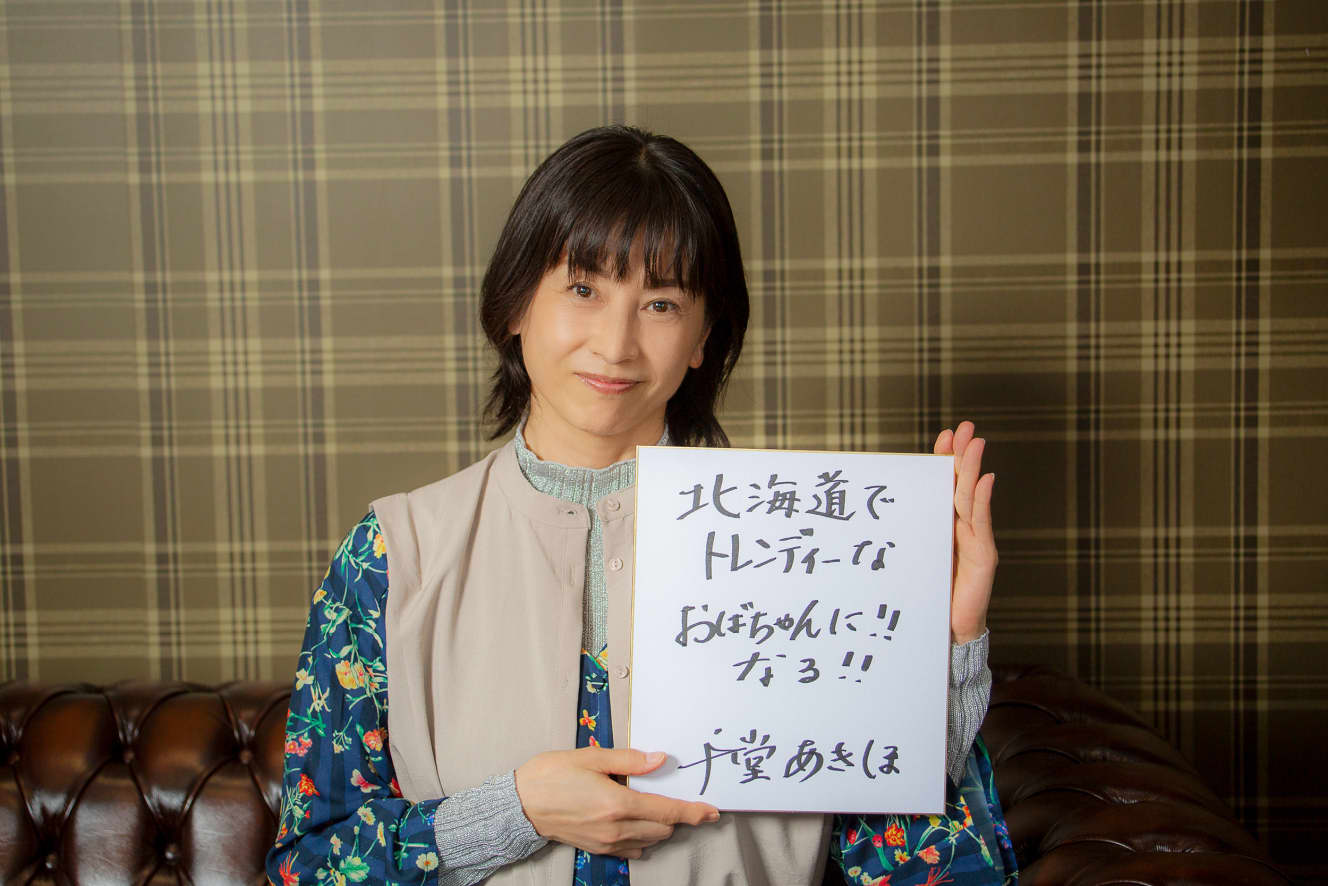
“I don’t think I could ever go back to being a trendy actress. That character belonged to the glamorous, energetic atmosphere of the 1990s, when I was in my twenties and overflowing with youth and vitality. But moving to Hokkaido doesn’t mean I’ve abandoned my career in entertainment. I’ve simply shifted my priorities toward spending more time with my children and my family. From now on, I want to become a trendy auntie who shares the charms of Hokkaido with all of Japan—and even the world!”
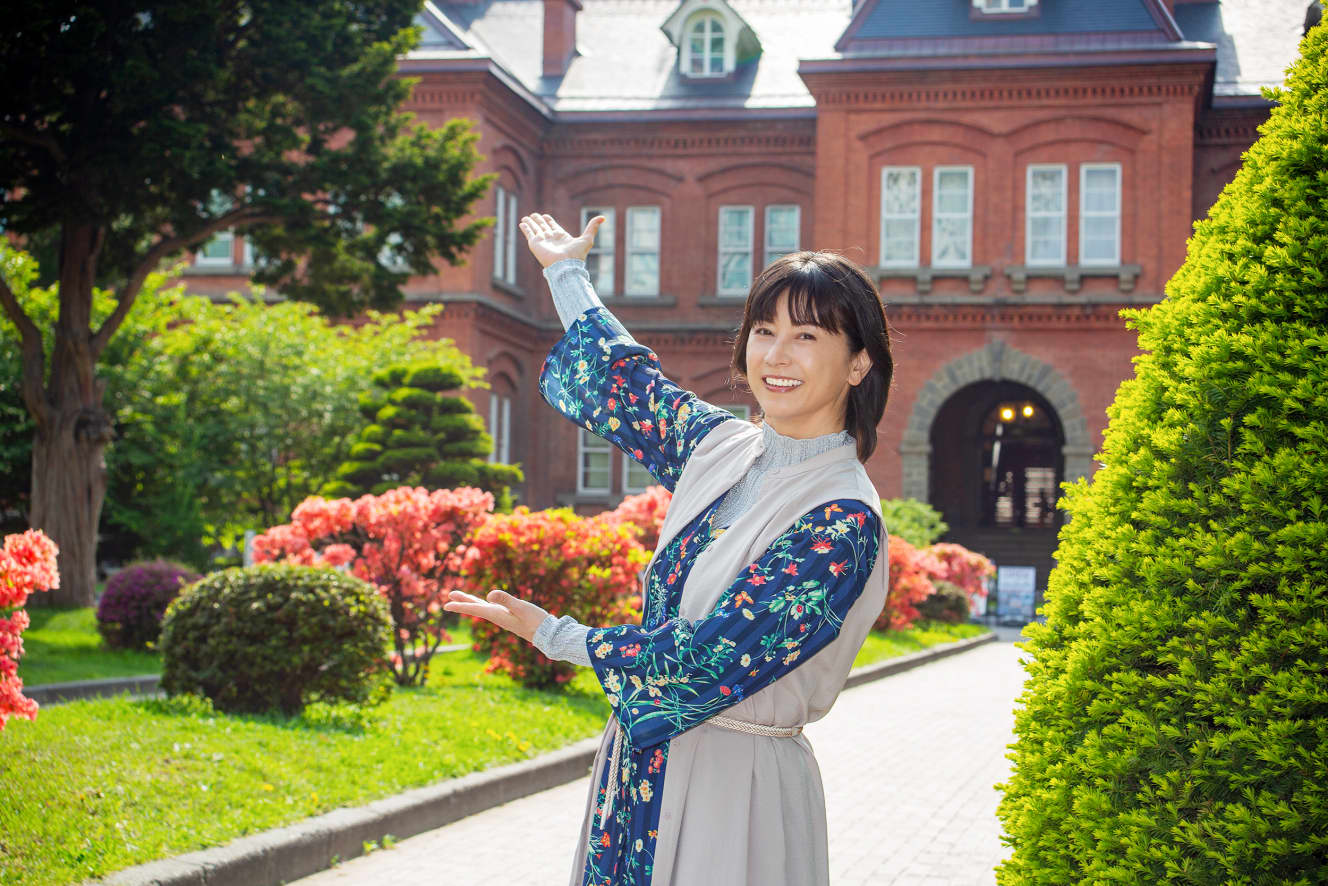
Today, Sendō appears in dramas and information programs produced by Hokkaido television stations while also serving as an ambassador supporting the women’s division of the Hokkaido Fisheries Cooperative.



From the June 19, 2026 issue of “FRIDAY”
PHOTO: Michio Kurose