They Vowed to Carry On Their Daughter’s Dream—But Suddenly Vanished From Public View


Newspapers and television rarely report what happens after major crimes and accidents. The YouTube channel “Voices in the Shadows” independently interviews the “ordinary people” directly affected by such tragedies and presents their stories as short documentary films.
This article is a text version, with minor edits, of a documentary released on the channel last month, following up on the family of the victim in the “2017 Matsudo Third-Grade Schoolgirl Murder Case.” After the crime, the bereaved family, who had opened a restaurant in Chiba, suddenly disappeared. This documentary traces what became of them.
To a hot spring resort deep in the mountains of Fukushima
he first signs of autumn slowly settled over the mountain roads.
We traveled here for an interview—and to reunite with someone we had not seen in several years.
About an hour by car from central Fukushima City lies Dake Onsen, a hot spring resort at the foot of Mount Adatara in Nihonmatsu City, Fukushima Prefecture. Long known as a destination for therapeutic hot spring stays, the area is also home to a sign unlike the usual tourist attractions.
RB Hotel
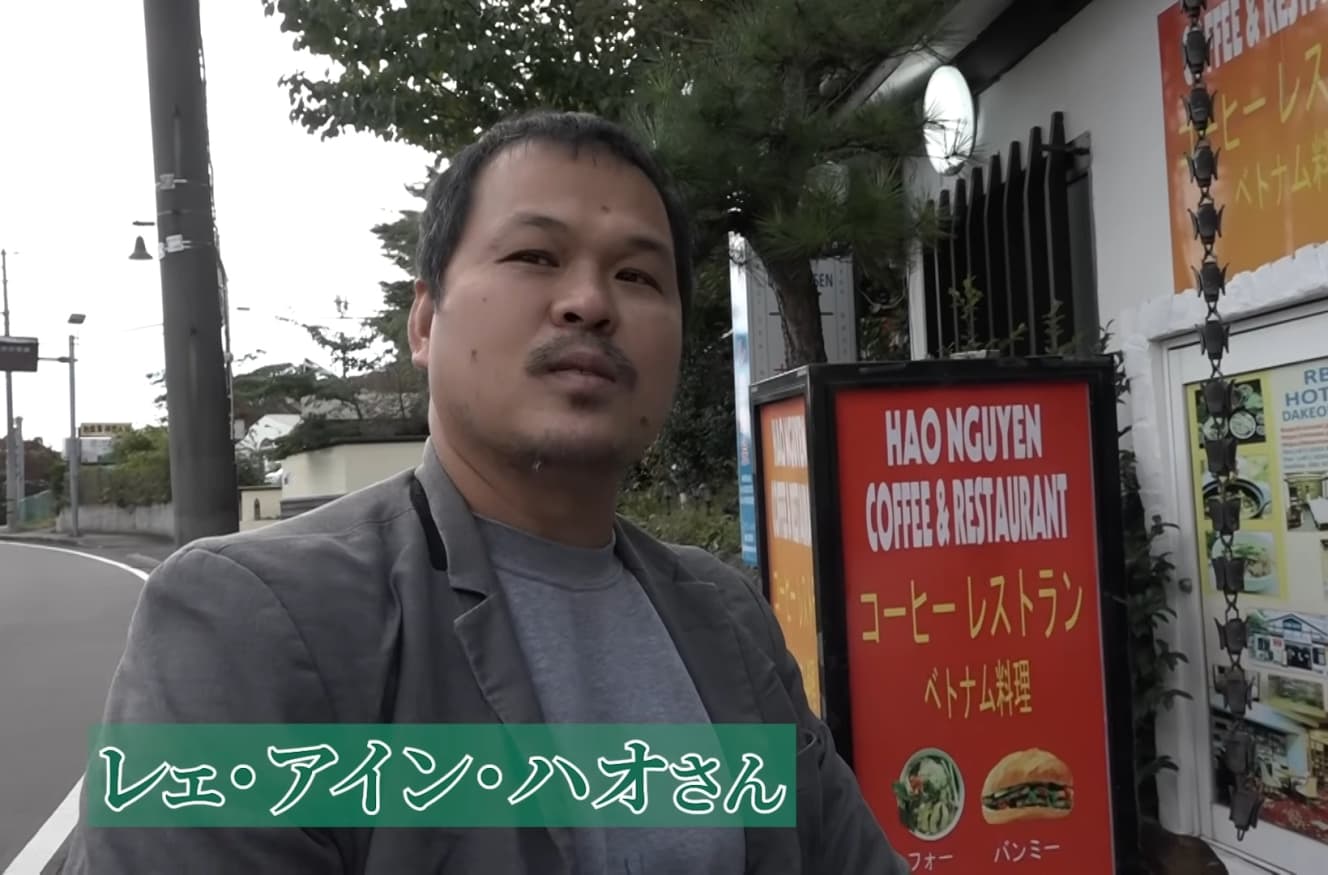
The hotel is run by Hao, who is originally from Vietnam. He is someone we have continued to interview over the years. Explaining the hotel’s name, Hao said:
“RB stands for rebirth. In Japanese, it means being born again. It expresses my hope that she could be reborn and return to this world once more.”
When he says once more, there is someone specific he is thinking of.
His beloved daughter, Lin.
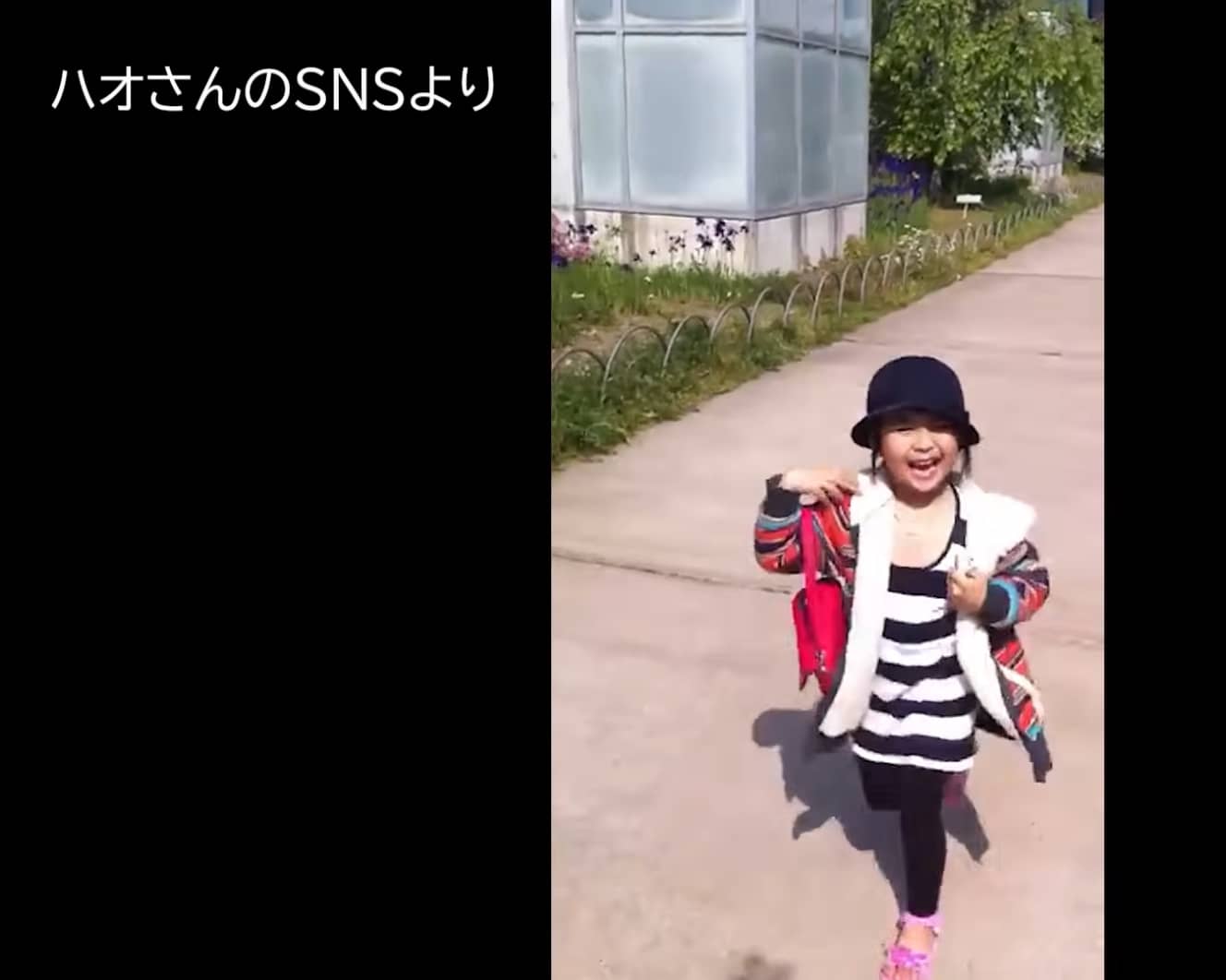
In a video Hao posted on social media, a smiling young girl walks straight toward the camera. Behind the camera was her father, Hao. In an elementary school essay about her future dreams, Lin wrote:
“I want to become a bridge connecting Japan and Vietnam.”
Had she lived, Lin would have started university this spring.
In 2017, in Matsudo City, Chiba Prefecture, Lin disappeared on her way to school.
Two days later, her body was found in neighboring Abiko City.
The case became known as the Matsudo Third-Grade Schoolgirl Murder Case.
The man indicted on charges including murder was inmate S (46 at the time), who had served as president of the parents’ association at the elementary school Lin attended. In 2022, the Supreme Court of Japan dismissed his final appeal, making his sentence of life imprisonment final.
However, because inmate S maintained his innocence, he never explained his motive or the circumstances surrounding the crime.
We have continued interviewing Hao ever since this case.
After the murder, Hao and his family had the option of returning to Vietnam.
Even so, they chose to remain in Japan.
Because they wanted to fulfill their daughter’s dream.
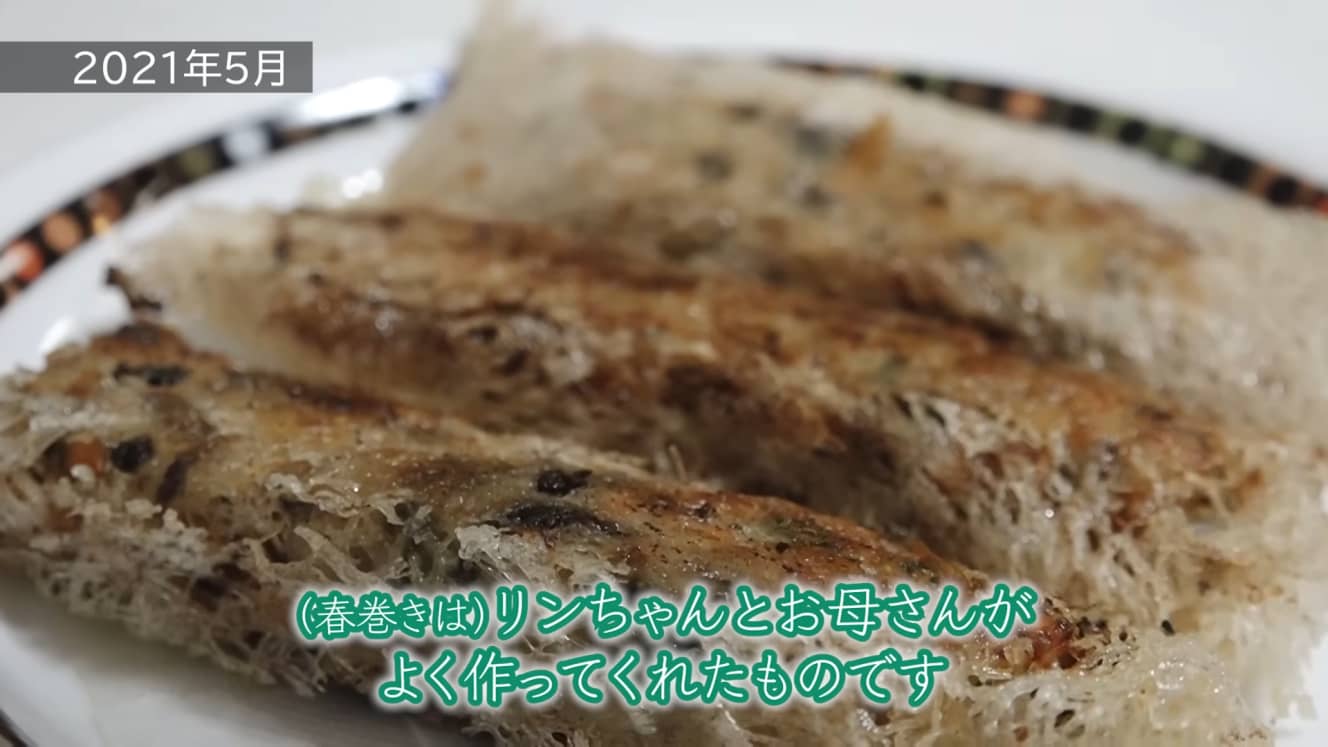
Around the time inmate S’s trial came to an end, Hao and his family opened a Vietnamese restaurant in Chiba. It was around then that this channel first featured them. When we visited the restaurant in May 2021, Hao shared a memory connected to one of the dishes they served.
“Lin and her mother used to make spring rolls all the time. We’d make them together and eat them at home.”
The restaurant was a place where memories of family life remained. It was also a place that embodied Lin’s dream. Hao told us:
“There was something Lin really wanted to do. She wanted to introduce Vietnamese food and culture to Japan. So what I can do now is carry out what she wanted to do and show her the sights she wanted to see. That’s why I was able to open this restaurant.”
“I want to become a bridge connecting Japan and Vietnam.”
Inside that restaurant, the dream Lin left behind lived on through the choices made by her family.
Four years have passed since that interview.
After speaking with us, Hao said that he would no longer respond to interviews about the case. Even so, we often wondered how he and his family were doing.
Then, one day, the lights at the restaurant went out.
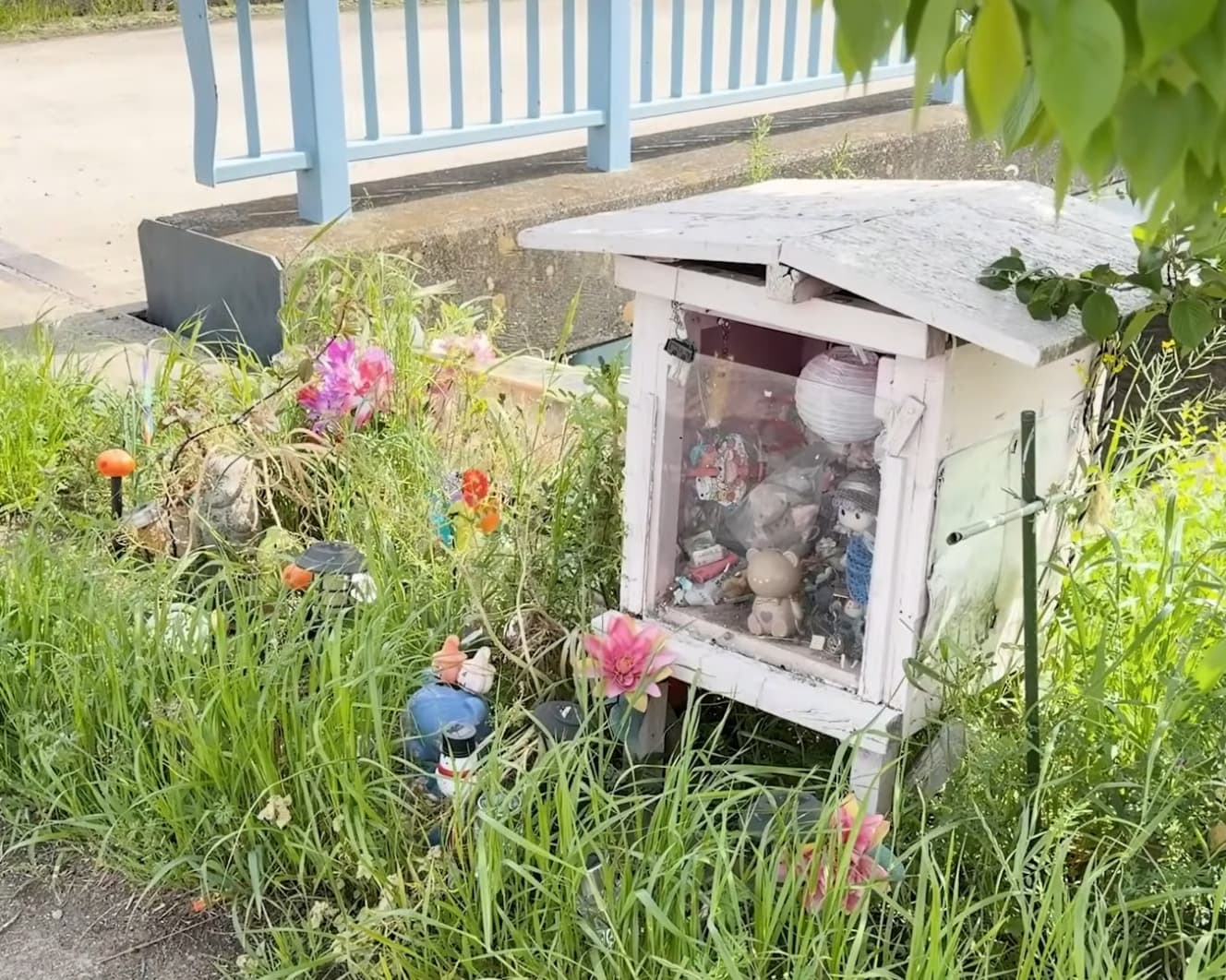
At the site in Abiko City, Chiba Prefecture, where Lin’s body was found, the cherry blossom-colored memorial shrine built by Hao and his family still stands. Rain or shine, no matter how hot the weather, Hao had visited the shrine every month.
But eventually, fresh flowers stopped appearing there.
Bearing the weight of Hao’s words—“I hope this will be the last interview about Lin”—we nevertheless decided to contact him once again.
A reply came several days later.
He had probably spent that time deciding whether or not to speak with us.
In the end, however, Hao graciously agreed to the interview.
“I live in Fukushima Prefecture now, so it’s quite far away. Is that okay?”
A place where the family can begin walking again
Today, Hao and his family live in the mountains of Fukushima Prefecture.
They now operate a hotel with natural hot springs and a Vietnamese restaurant. Along the road known as Dake Kaidō, there stood a sign displaying familiar menu photos.
“It used to be a traditional inn, but we renovated and repaired it and turned it into a hotel. The construction took about two years,” Hao said. (All subsequent quotes are also from Hao.)
The guest rooms have been remodeled into Western-style accommodations, making them more comfortable for overseas visitors. The hotel also features an open-air bath and can accommodate more than 60 guests.
“The hot spring water here is 100% natural. It’s completely unprocessed.”
—There aren’t many places that offer 100% natural hot spring water, are there
“Mount Adatara is here, and there’s a hot spring source beneath it. The water is piped all the way here from there. Some people come just to enjoy the hot springs.”
Hao also spoke about the restaurant in Chiba.
He said they had to close it during the COVID-19 pandemic.
The former restaurant in Chiba and the inn are separated by more than 200 kilometers in a straight line. Hao now visits the memorial shrine at the site where Lin’s body was found only a few times a year.
But Lin still remains deep within his heart.
“At first, I never planned to run a hotel here. But after everything that happened with my daughter’s trial, various problems arose. So I bought this place and wanted to do what I could while carrying on my daughter’s dream. That’s why I opened RB.”
This place, too, serves as a bridge connecting Japan and Vietnam—a place that carries forward Lin’s dream.
Hao also explained why they chose to open their business in Fukushima.
He said it was because they saw themselves in the people who had suddenly lost their everyday lives in the Great East Japan Earthquake.
Even now, his family has never truly been able to return to the ordinary life they lost when their daughter was taken from them.
Even so, Hao chose to continue living in Japan.
On the restaurant’s menu are spring rolls and mango juice—the very foods Hao once told us Lin loved during an earlier interview.
He wants this to be a place where his family can begin walking forward once again.
That hope is poured into every dish they serve.
“I want this to become a place where Japan and Vietnam can connect. I hope Vietnamese people will come, Japanese people will come, and of course people from other countries as well. I’d like to introduce Vietnamese culture and Vietnamese cuisine here.”
Because transportation to Dake Onsen is inconvenient, Hao purchased a building in front of Nihonmatsu Station, where he plans to operate a Vietnamese restaurant and provide a shuttle service for hotel guests.
He and his family are still gradually completing the interior themselves.
They continue moving forward, one step at a time, doing what they can.
A young girl’s life was taken in an instant.
Yet the family she left behind continues trying to carry her lost dream forward in a different form.
In the quiet mountains of Dake Onsen, that journey still goes on.


Reporting & Text: "Voices from the Shadows" Reporting Team