He Tried to Hide From the Cameras—But the Consequences Are Just Beginning


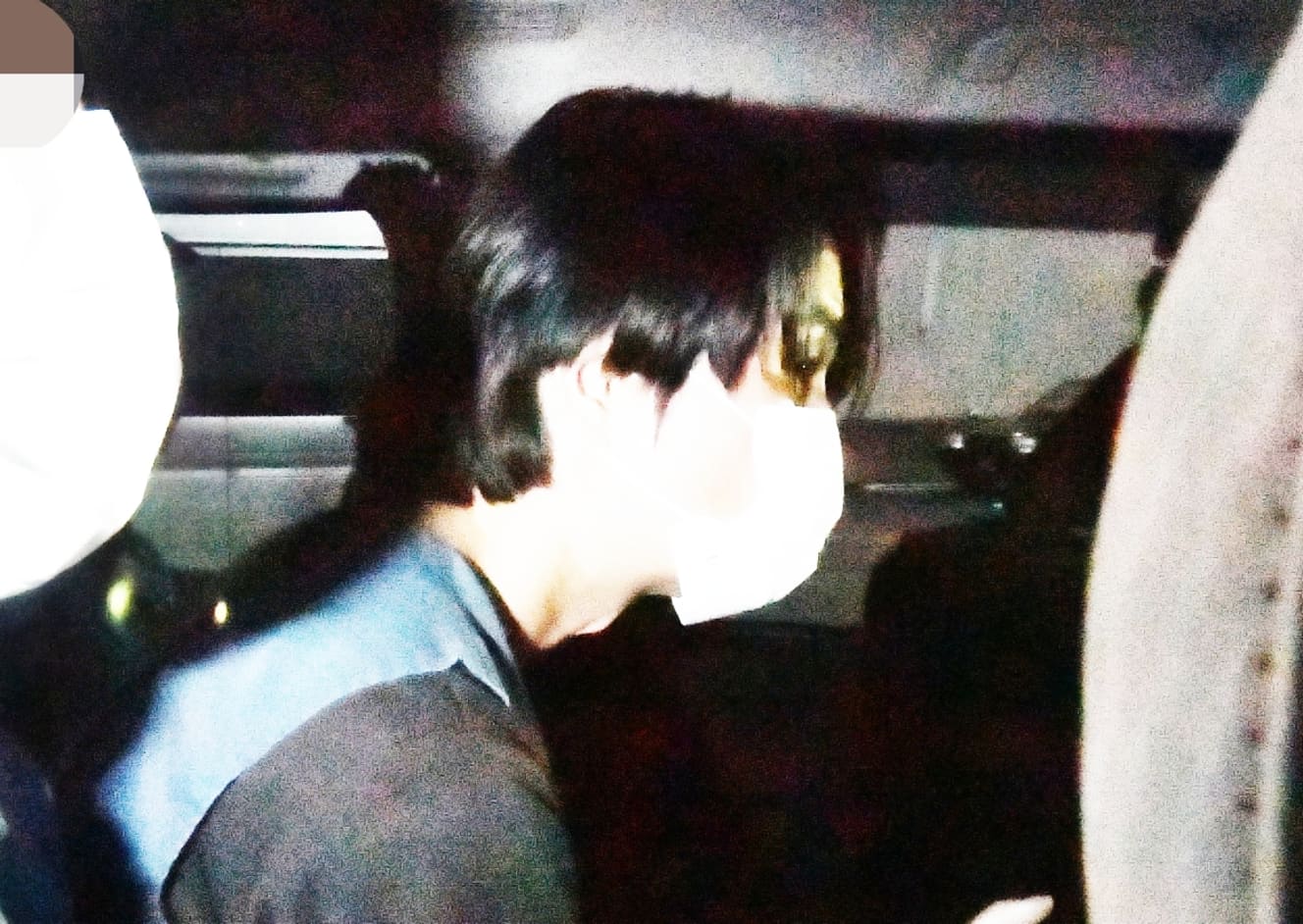
Yuta Shinnishi is escorted to prosecutors.
Another case of disruptive behavior at a restaurant by a social media content creator has occurred.
A 43-year-old man was arrested on suspicion of filming a nuisance video inside a Hama Sushi restaurant and posting it on social media.
“The suspect arrested on June 3 was Yuta Shinnishi (43), an unemployed resident of Moroyama Town, Saitama Prefecture. According to the Saitama Prefectural Police, Shinnishi visited a Hama Sushi restaurant in Saitama by himself on May 27. He filmed himself pouring dishwashing detergent that he had brought with him over two pieces of sushi on a plate. After posting the video on social media, the restaurant’s operating company was inundated with complaints. He is suspected of forcible obstruction of business for causing the company to divert resources to handle the complaints,” said a reporter from a national newspaper’s social affairs desk.
During questioning, Shinnishi admitted, “It is true that I poured a liquid over the tuna sushi I ordered and uploaded the video.”
However, regarding the liquid itself, he claimed it was water placed inside a dishwashing detergent bottle, and said his motive was that he wanted to increase the number of views on social media.
“Media reports say Shinnishi has about 10,000 followers across platforms such as TikTok. He had previously uploaded videos of himself pouring cup noodles and natto over his own head and crushing cartons of eggs, with each post sparking heated arguments in the comment sections. The day after he uploaded the detergent video, an influencer with more than one million followers highlighted it on X, causing the incident to go viral and prompting police to take action,” the reporter added.
Although Shinnishi had repeatedly carried out increasingly brazen nuisance acts in pursuit of followers, when he was transferred to prosecutors from the Nishi-Iruma Police Station on June 4, he bent forward inside the police transport vehicle and desperately tried to hide from the cameras gathered outside. The side profile captured by reporters suggested he appeared visibly shaken.
Acts of what some have called “corporate terrorism” by nuisance streamers continue to occur with alarming regularity.
In 2023, a male high school student in Gifu Prefecture uploaded a video showing himself drinking soy sauce directly from a communal dispenser at a Sushiro conveyor-belt sushi restaurant. The juvenile was referred to the Gifu District Court on allegations equivalent to property damage, and Akindo Sushiro, the restaurant’s operating company, filed a civil lawsuit seeking ¥67 million in damages.
If Hama Sushi’s operating company were to file a lawsuit against Shinnishi, how much could it potentially seek in damages?
We asked attorney Koichiro Matsui of Atom Law Offices for his opinion.
Whether the liquid was water is irrelevant
“In the Sushiro case, the company suffered a significant decline in its share price, but at this point, damage on that scale has not been confirmed in this case. The approximately ¥67 million in damages sought in the Sushiro lawsuit was based on the temporary, substantial drop in the company’s market capitalization. This incident may not reach that level, but I believe a claim ranging from several hundred thousand yen to several million yen is entirely possible. The final amount will depend on how much damage the operating company is able to prove.
The suspect claims that the bottle contained water rather than dishwashing detergent. Even if that is true, by using a detergent bottle in the video and distributing it online, it was entirely foreseeable that viewers would believe he had poured detergent onto the sushi. Whether the bottle actually contained water is unlikely to have a significant impact on whether he bears civil liability.”
What kind of sentence could he face if he is indicted?
“The statutory penalty for forcible obstruction of business is imprisonment for up to three years or a fine of up to ¥500,000. If the defendant has no prior criminal record and, for example, has already compensated the affected restaurant for its losses, then even if he is prosecuted, it is likely that the outcome would be either a fine or a suspended sentence. If prosecutors seek punishment following a criminal complaint, around one year of imprisonment would serve as a general benchmark.
That said, this assumes a typical case. The sentence will vary depending on factors such as the malicious nature of the motive—namely seeking social media views—the extent of the harm caused by the video’s spread, the defendant’s level of remorse, and whether compensation has been paid.”
Nuisance acts at restaurants committed solely to boost social media view counts continue unabated. Regarding this latest incident, attorney Matsui offered the following assessment:
“When the operator of Sushiro decided to pursue a high-value damages lawsuit, and that decision received extensive media coverage, it sent a powerful message to society that these acts cannot be dismissed as harmless pranks. Companies are now responding much more firmly than in the past, pursuing criminal complaints and civil lawsuits in cases that might previously have ended with little more than an apology.
An act committed simply because someone wanted to go viral’ can result not only in criminal liability but also substantial civil damages and social consequences stemming from the spread of the offender’s personal information. This case serves as another reminder of just how severe those consequences can be.”
One can only hope that message reaches the content creators who continue producing nuisance videos.
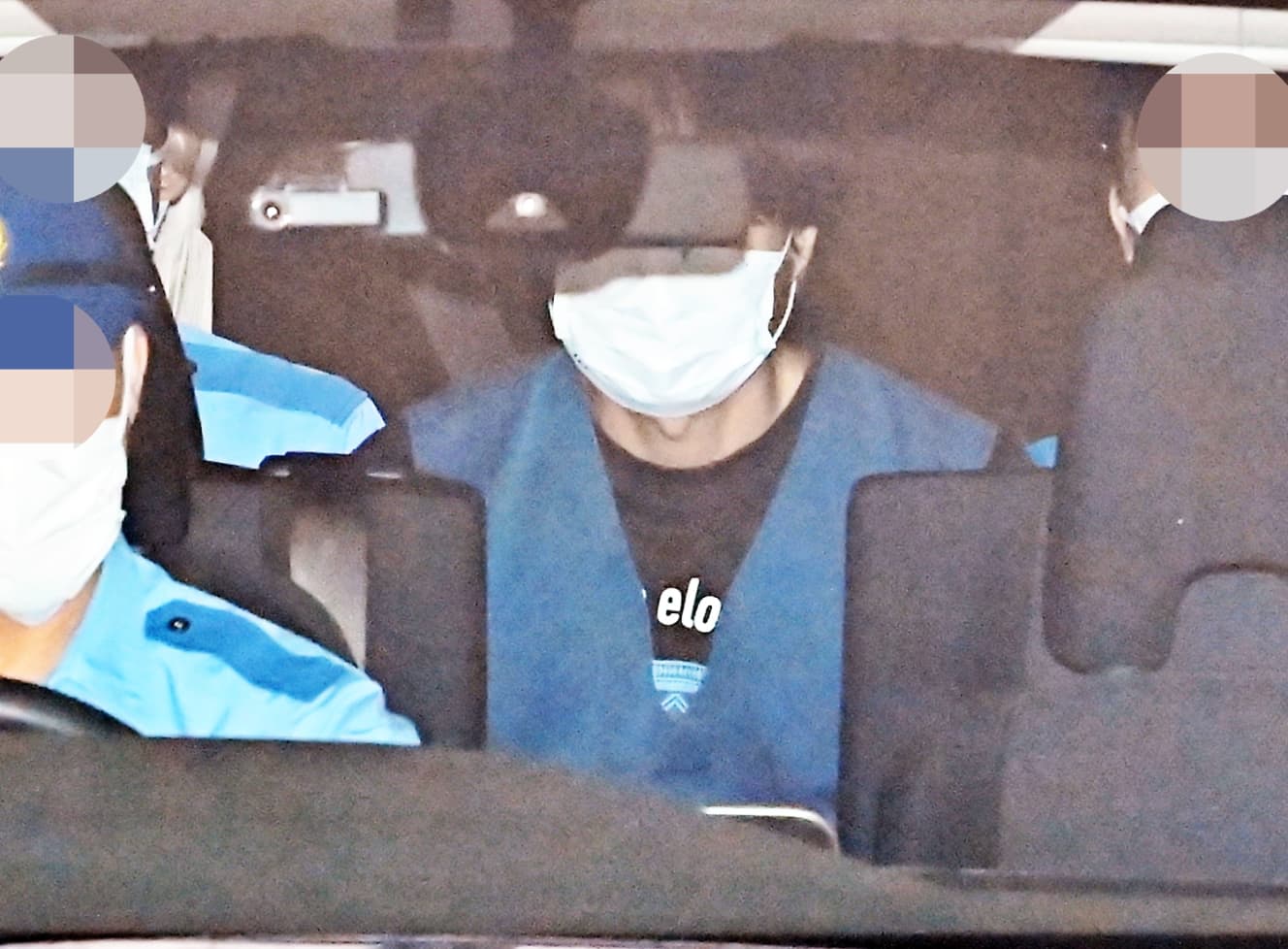

PHOTO: Shinji Hasuo