“They’re Surprisingly Devoted to Their Mates”—Why Tanuki Fans Are Growing by the Day


Is Japan in the midst of an unprecedented tanuki boom!?
From “Bunbuku Chagama” to “Pom Poko” and “Shojoji no Tanuki-bayashi”
The tanuki has long been a familiar figure in Japanese folktales and children’s songs. But did you know that today, real-life tanuki have become surprisingly popular?
Search for “tanuki” online and you’ll find countless adorable photos and delightfully goofy videos. One particularly viral post came from VTuber Kashio Kine on X:
“A tanuki got caught in a trap meant for large animals. Even though there was a gap big enough for it to escape, it just stayed in the cage with a look that said, ‘This is the end for me.’ In the end, it had to be carried out in someone’s arms.”
The post’s irresistible charm earned more than 270,000 likes.
As signs of a tanuki craze continue to grow, Tatsumi Publishing has released a tanuki edition in its popular Marugoto BOOK series. Even before publication, “Tanuki Marugoto BOOK” topped 12 Amazon bestseller categories, while Rakuten Books ranked it No. 1 overall in its daily book rankings—clear evidence that Japan may indeed be in the midst of an unprecedented tanuki boom.
Yet tanuki are hardly a new discovery for Japanese people. So why are they suddenly attracting so much attention now? We spoke with Taishi Nakayama, the keeper in charge of Ezo tanuki at Obihiro Zoo, home to the Ezo tanuki featured on the book’s cover.
“I don’t think the boom came out of nowhere. Personally, I felt that thanks to the spread of social media, people gradually began discovering the appeal of tanuki from the end of the Heisei era into the Reiwa era. Around that time, I became the zoo’s Ezo tanuki keeper and started posting about them on social media—and the posts suddenly went viral. That’s when I realized I needed to share the charm of tanuki with a wider audience.
As information spread across the internet, people had more opportunities to encounter tanuki. They’re not flashy animals, but as the old folktales suggest, they have a quiet charm that leaves a gentle imprint on people’s hearts. I think the accumulation of that appeal may have led to the tanuki boom we’re seeing today.” (Nakayama; hereafter, all quotes are his.)
Their appeal lies in being both familiar and mysterious
“This is completely my personal opinion, but I think the reason they’re so popular is the perfect balance between being familiar and hard to figure out.
Tanuki are well known through folktales, children’s songs, and even decorative statues. But what do they actually look like? What do they eat? How do they live? Surprisingly, most people don’t know. Social media has given people a glimpse into that hidden side of their lives, making them think, ‘Wow, I never knew that!’ and sparking widespread interest.
They’re also perfectly suited to social media. Ezo tanuki put on weight and grow thick coats in winter, and their fluffy winter appearance, their waddling gait, their constantly twitching noses, and their slightly absent-minded expressions all have a unique charm. There’s something about them that gently softens the mood of anyone watching.
I think it’s that feeling of existing somewhere between familiar and wild that resonates with people today. By the way, according to devoted tanuki fans—who call themselves ‘tanukists’—tanuki are ‘our lovable neighbors.’ I feel exactly the same way.”
So what exactly makes tanuki so charming? Nakayama explained the animals’ appeal in simple terms.
“Did you know there are two kinds of tanuki in Japan? There’s the Ezo tanuki, which lives in Hokkaido, and the Japanese (Honshu) tanuki, which inhabits the main islands.
Visually speaking, the Ezo tanuki’s greatest attraction is its incredibly fluffy winter coat. During summer, both its body weight and fur decrease, making it only about 80 percent of its winter size, so it’s fun to see just how dramatically its appearance changes. The Honshu tanuki, on the other hand, is especially beautiful in summer, when its coat becomes darker and glossier.”
Their adaptability is equally remarkable.
“Tanuki are omnivores and aren’t picky about what they eat. They’ll consume anything from nuts and insects to mice and leftover crops in farmers’ fields. They do have a habit called ‘tame-fun’—using communal latrines where several tanuki repeatedly defecate in the same place—but otherwise they simply waddle along, eating whatever food they happen to come across. They’re not especially territorial.
Overall, they seem to live with a sort of ‘Eh, it’ll work out’ attitude, and there’s something irresistibly endearing about that.
At the same time, they often live close to human settlements, catching frogs and crabs in ponds and rice paddies or helping themselves to a few leftover vegetables from fields. They have the cleverness and resourcefulness to take advantage of human environments. They’re adaptable and not overly aggressive, yet they’re resilient and remarkably tenacious. Doesn’t that sound a little like the Japanese people? Personally, I think that hidden depth is one of the tanuki’s greatest charms.”
Monogamous–and devoted fathers
It seems that, even as animals, tanuki possess an abundance of distinctly human-like charm.
“Tanuki are one of the few mammals that are monogamous. They also form very strong pair bonds. Over the years, Obihiro Zoo has cared for many Ezo tanuki, including a pair named Shiro (male) and An (female). They were incredibly devoted to one another. When Shiro was dying, An stayed by his side the entire time, grooming him until his final breath. Tanuki are animals that rarely vocalize, so it was especially striking that after Shiro died, An kept crying for a long time.
Another characteristic of tanuki is that the males are very involved in raising their young. At Asahiyama Zoo, eight tanuki pups were born, and it was actually the father who was the more attentive parent. While one parent stayed in the den caring for the pups, the other would leave to forage for food. The mother often spent longer periods away eating, so the father ended up spending more time looking after the babies.
In many wild animals, a dominant male mates with multiple females and sires many offspring. Tanuki are different. They live as monogamous family units, which may be another way in which they’re similar to us.”
They also have an adorably clumsy side.
“If you watch videos of tanuki on social media, you’ll see countless clips of them doing goofy things that make you smile, and we have plenty of stories like that at our zoo too. For example, one stuck its head into a hole in a tree stump and couldn’t pull it back out, flailing around in a panic. It eventually managed to free itself, though. They’re clumsy, but they also have the ability to solve their own problems.
Even when climbing onto a box, they constantly misstep. Sometimes I find myself wondering, ‘How did they ever survive in the wild?’ But that lovable awkwardness is part of what makes tanuki so endlessly charming.”
Once a tanuki loses trust, it can never be repaired
As adorable as tanuki may seem, they are still wild animals. According to Nakayama, they are naturally wary of humans and almost never become truly tame.
“Even if you hand-raise a baby tanuki, it will become attached to people while it’s young. But once it grows up, its natural wariness returns. And once a tanuki becomes wary of you, that’s the end of it. If we have to do something frightening from the tanuki’s perspective—such as medical treatment—it will never open its heart to us again. Perhaps that’s precisely why tanuki have managed to maintain an appropriate distance from humans.”
After hearing all this, many people will probably want to see a real tanuki for themselves. However, Nakayama urges people not to go searching for wild tanuki.
“I’m happy that people are becoming fond of tanuki, but I hope they keep a respectful distance. Tanuki sometimes wander into areas where people live, but encountering humans frightens them. Please don’t approach or chase them.
And please never feed them. Feeding wild animals changes their relationship with people and reduces the natural distance between us. It can also increase the risk of transmitting diseases, such as mange, between humans and wildlife.
I hope people enjoy tanuki through zoos or photo books instead. At Obihiro Zoo, we’re currently preparing a new exhibit for our tanuki. The area used to house the elephants, but we’re converting it into a spacious new habitat where the tanuki can live more comfortably. It should be opening very soon, so we hope everyone looks forward to it.”
After sharing so much about these fascinating animals, Nakayama also spoke about his long-term dream as a tanuki enthusiast.
“Because tanuki often live close to human settlements, they’re frequently injured in traffic accidents. I’d like to create a sanctuary where injured tanuki can be rescued and treated, then released back into the wild whenever possible. For those that can’t return to nature, they could be cared for and exhibited so people can learn more about them.
I hope that one day we can create a place like a sanctuary for tanuki, where people can better understand them while allowing humans and tanuki to coexist at an appropriate distance.”
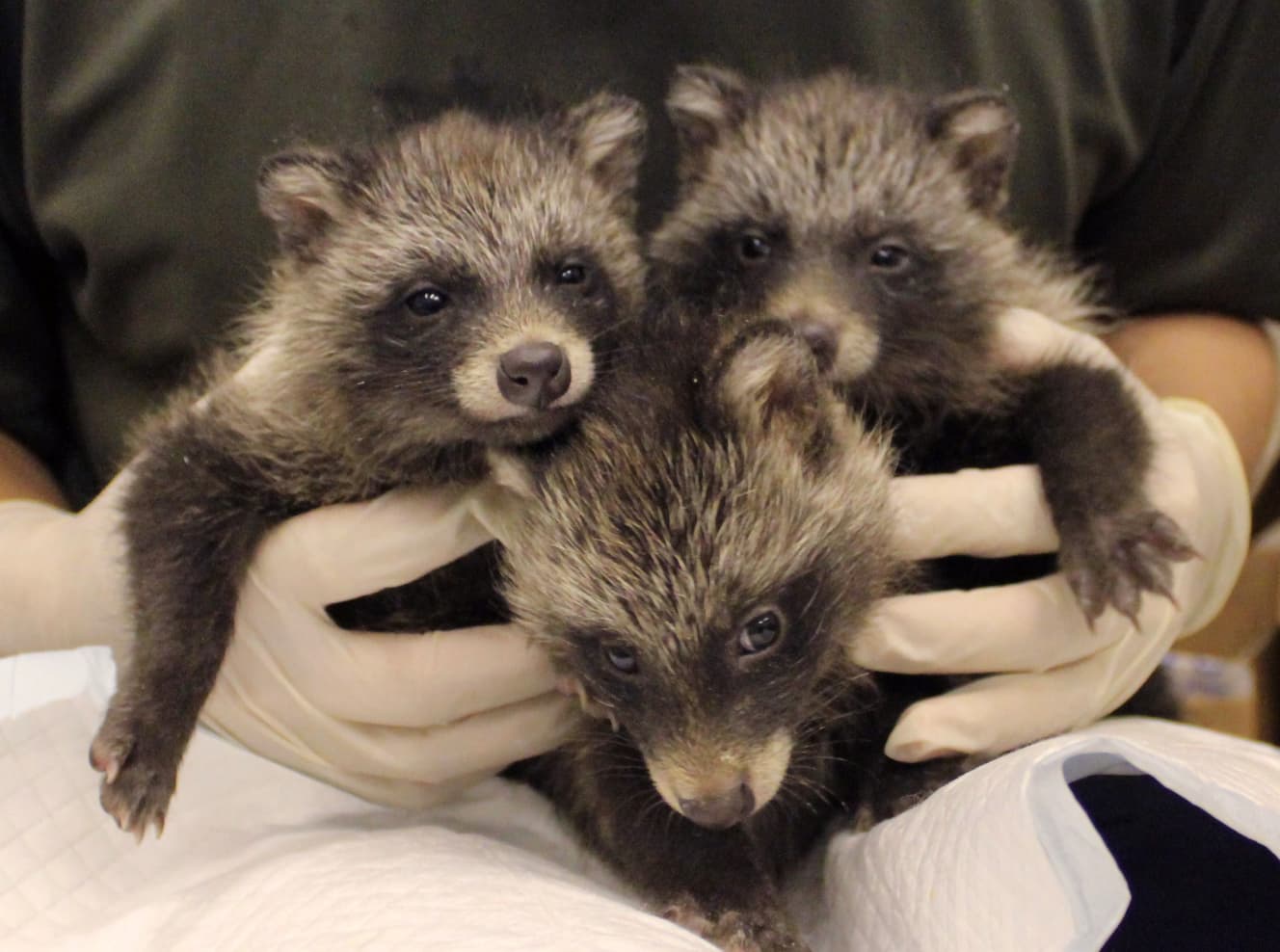
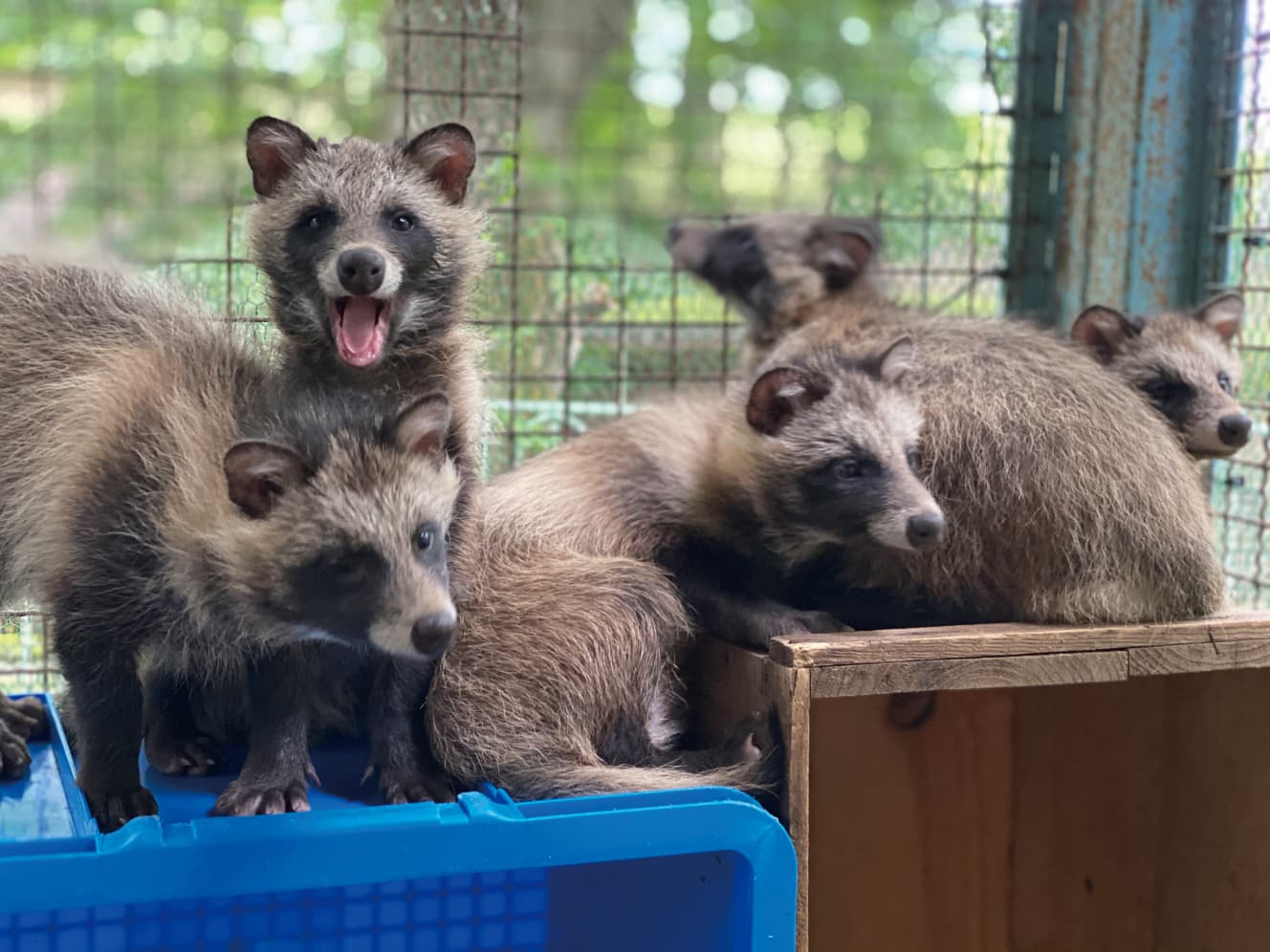
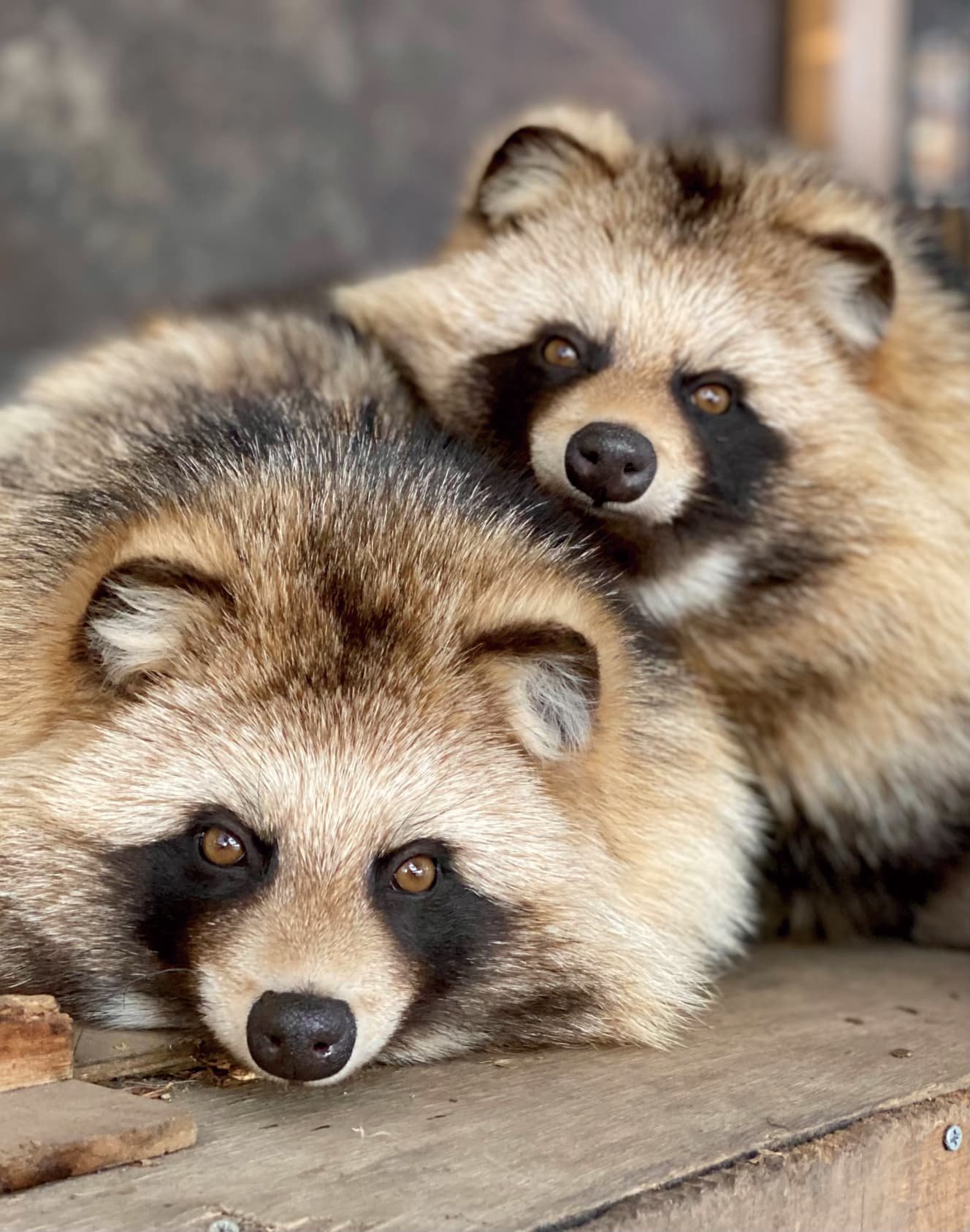
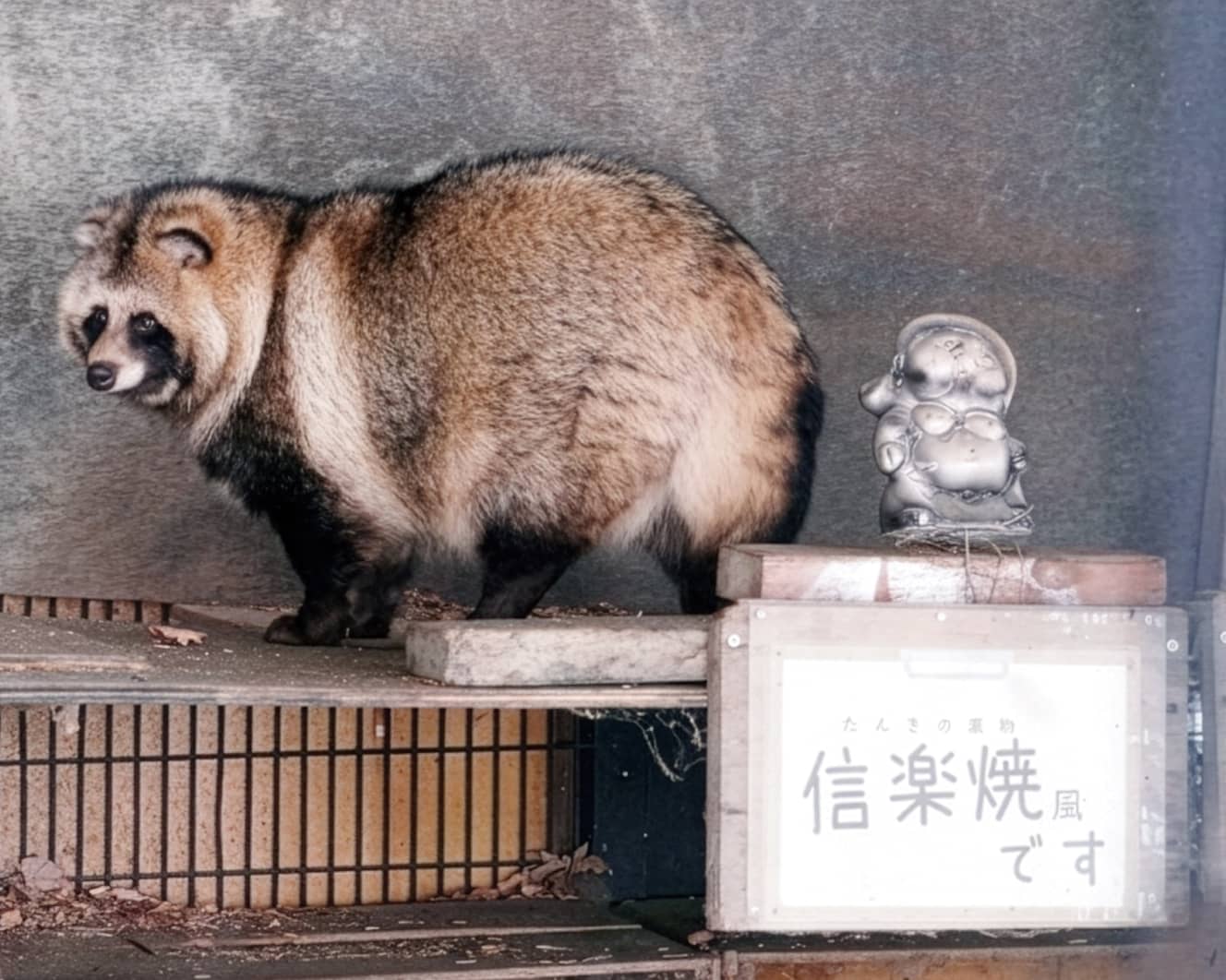
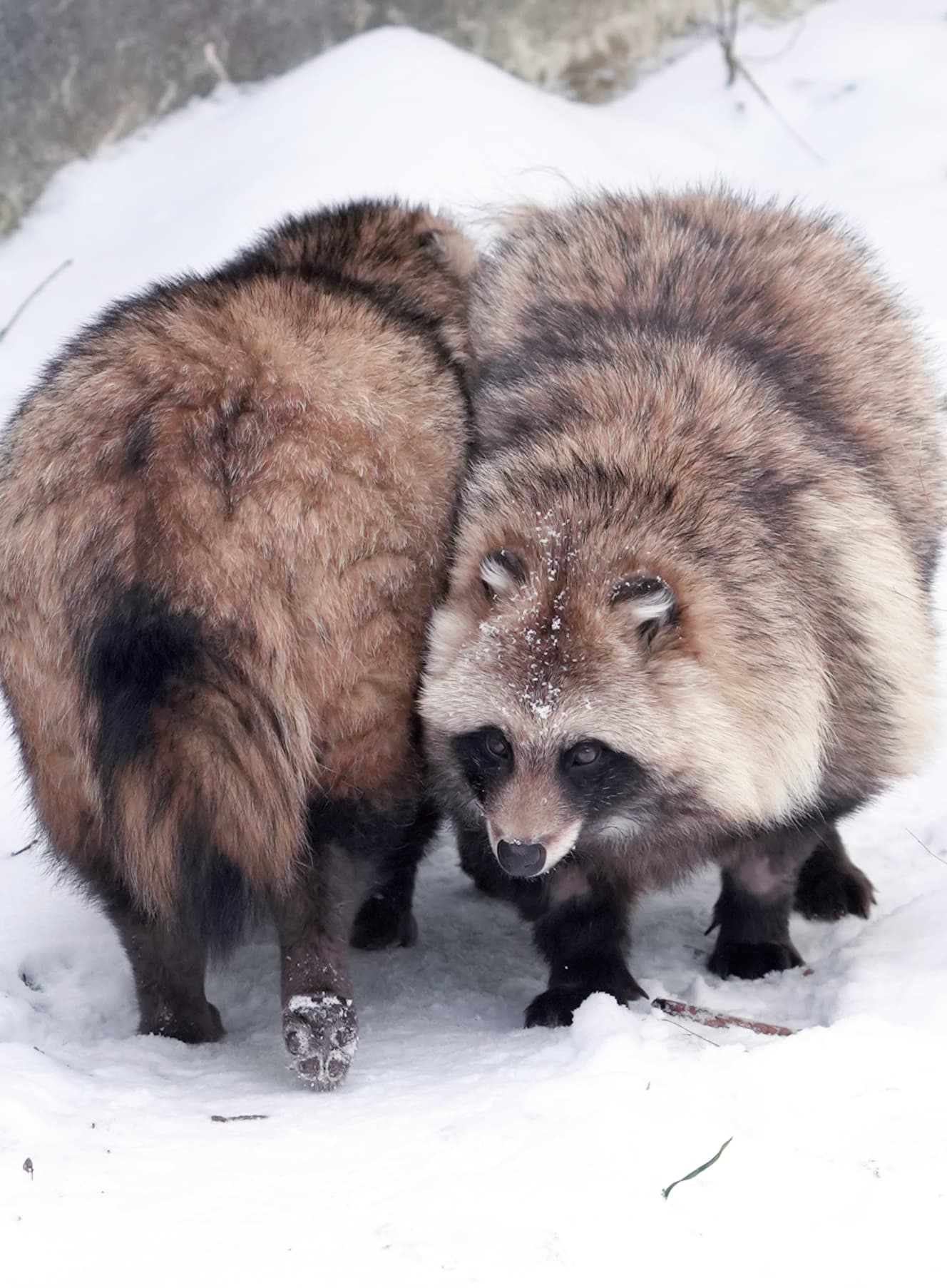



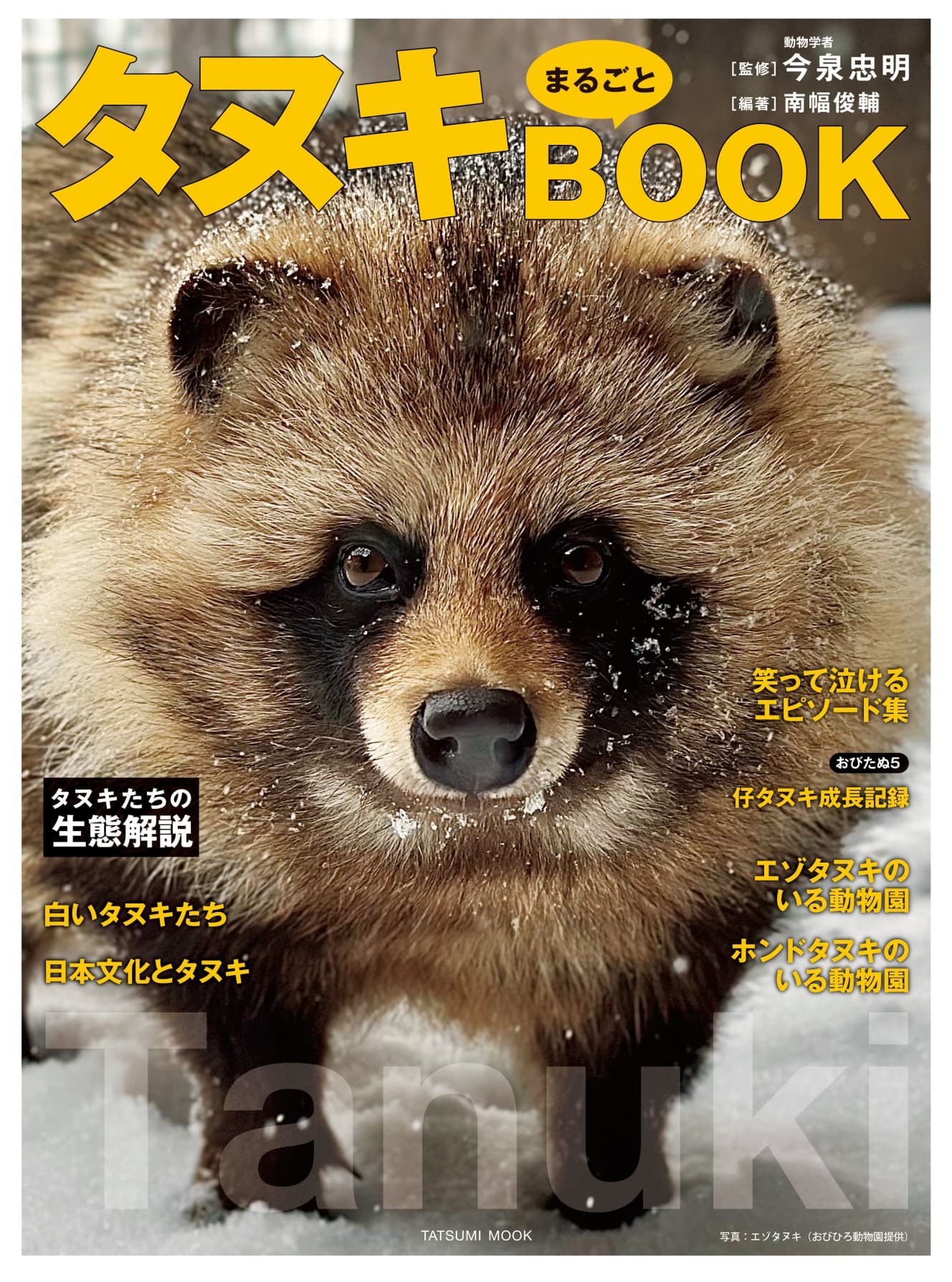
PHOTO: Courtesy of Obihiro Zoo (Photos 1–4, 9), Shunsuke Minamihaba (Photos 5–8)