A Daughter’s Heartbreaking Letter Sparks Backlash—What the Shinnosuke Abe Incident Reveals About a Troubled System


On the night of May 25, news spread rapidly that Shinnosuke Abe (47), manager of the Yomiuri Giants (now resigned), had assaulted his 18-year-old eldest daughter at home and was arrested by police following a report from a child consultation center.
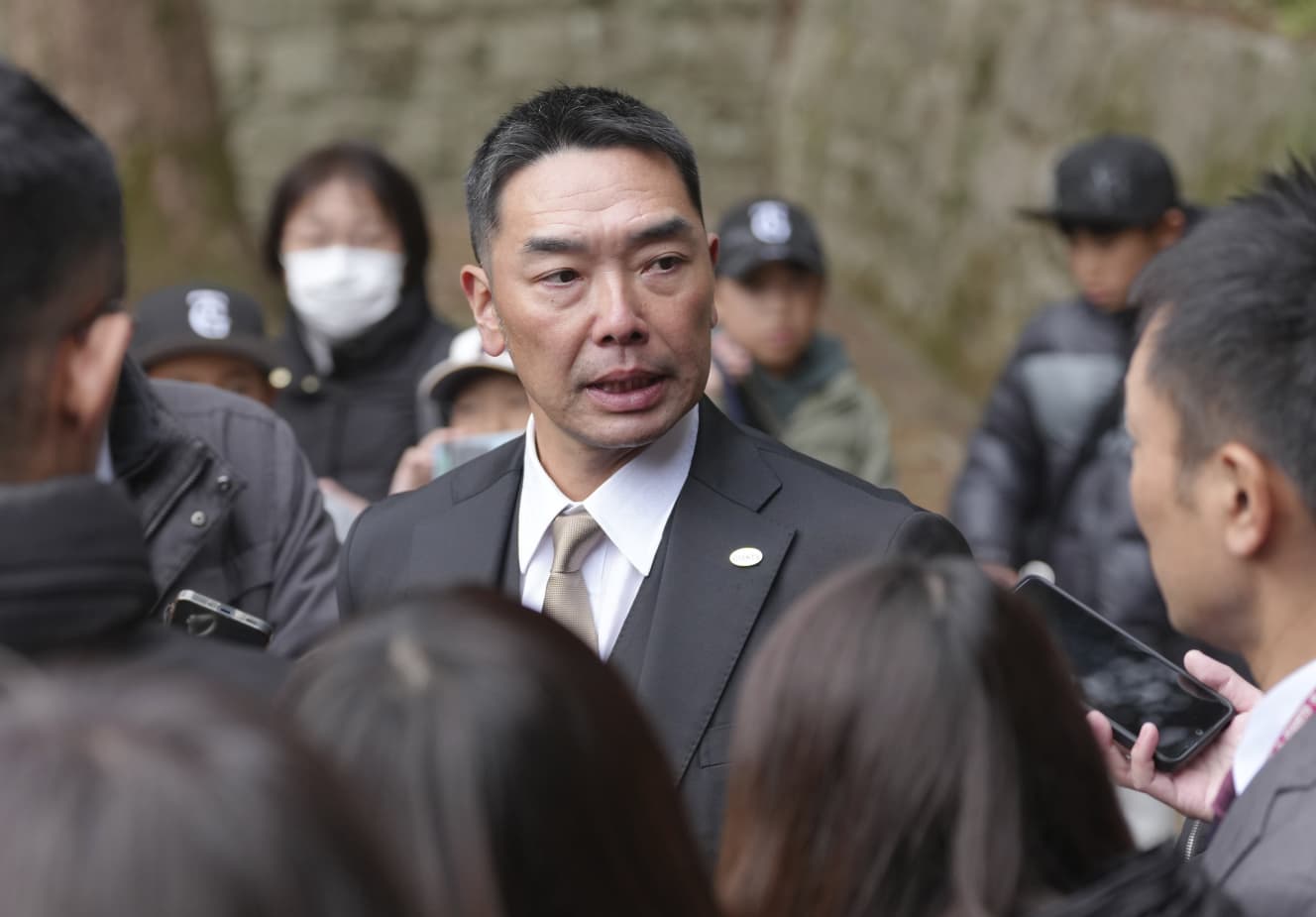
Amid the public uproar, Abe held a press conference the following day. He admitted to the assault, tearfully apologized, and announced his resignation. At the same time, a lawyer present at the conference read aloud a letter said to have been written by his daughter.
“After consulting ChatGPT, I was advised to contact the child consultation center.”
“The child consultation center reported the matter to the police without first asking for my wishes.”
“I broke down in tears as my father was arrested right in front of me.”
Following these statements, criticism of the child consultation center erupted online, with comments such as:
“The child consultation center changed Manager Abe’s life.”
“Calling the police over a parent-child quarrel is outrageous.”
Some celebrities and television commentators also criticized the response as excessive.
For baseball fans shocked by Abe’s sudden resignation, it may be tempting to say that the child consultation center unnecessarily interfered. Parents struggling with teenage children may also feel that “if the police can be called over something like this, discipline becomes impossible.” But did the child consultation center really go too far?
My exaggerated description of the situation
Children don’t tell the truth
In response to a letter from the eldest daughter stating, “Without asking for my opinion,” there has been criticism asking, “Why did you ignore her feelings?” Of course, it is important to listen carefully to the person involved and confirm their wishes, but there are likely limits to what can be done during the initial response phase.
As mentioned earlier, we have no choice but to prioritize urgency first; moreover, in cases of child abuse, there are countless instances where children do not tell the truth. Even if a child has been beaten by a parent and has bruises all over their body, they might say, “I fell and bumped into something myself.” Even if they’ve been neglected and are starving, they might say, “I love my mom and dad. I want to live with them forever.”
Child welfare offices routinely deal with children who, fearing that the abuse will escalate, make up stories that differ from the facts. Even if an eldest daughter expresses her wishes, unless child welfare offices harbor the concern that she might be being forced to say this by her parents, they cannot truly save a child who is in a genuinely critical situation.
On the other hand, underlying the public backlash is likely a deep-seated distrust of child welfare offices. It is inevitable that harsh criticisms arise, such as, “They overreact to parent-child arguments but constantly overlook serious abuse.”
In fact, there are not a few cases where children could not be saved due to mishandling by child welfare offices. In 2019, in Noda City, Chiba Prefecture, a fourth-grade girl died as a result of routine physical abuse by her father. After the school, having become aware of the abuse, reported the case, the girl was placed in a temporary shelter run by the child welfare office. There, she told staff members about the physical and sexual abuse she had suffered, saying things like, “I thought my father was going to kill me” and “He pulled down my underwear.”
However, the Child Guidance Center failed to hold the assessment meeting mandated by national guidelines and returned the girl to her home just three months after her temporary placement. They also neglected to address the lack of coordination with the city’s relevant department and the school; even after the girl began missing school for extended periods, they did not even conduct a home visit.
There are also cases where staff members at Child Guidance Centers—which are supposed to be the cornerstone of child welfare—commit sexual abuse against children. In 2025, at a temporary shelter in Yokohama City, Kanagawa Prefecture, a male staff member committed indecent acts, including pulling down a teenage boy’s clothes and secretly filming his buttocks. Even this year, a male staff member in his 20s at the Child Guidance Center in Koshigaya City, Saitama Prefecture, was arrested for repeatedly engaging in non-consensual sexual intercourse with a teenage girl who was staying at the temporary shelter.
Child guidance centers have drawn attention following the domestic troubles involving Mr. Abe. What do frontline staff and children who have been in protective care think? We continue to delve into their realities and candid opinions.
In [Part 2], we present the harsh reality of abuse based on testimonies from child guidance center staff and child victims.
Interview and text: Yuki Ishikawa (Journalist) PHOTO: Kyodo News